
This Lake Champlain itinerary uses Burlington as a practical starting point, then adds the Champlain Islands and the southern Vermont shore as time allows. If you are flying, Burlington’s airport is the natural arrival option for this route; your actual drive depends on your lodging and traffic, so check directions after choosing a base. Keep the first two days for a shorter visit, then add the southern shore and a slower final day.
Day 1: Arrive and Settle into Burlington
Make arrival day simple. Collect any groceries or camping supplies before heading to your accommodation, then allow enough daylight to check in and get settled. A Burlington-area base works well if you want restaurants and indoor alternatives nearby; a campsite farther north trades that convenience for a quieter setting. Do not plan a major lake outing immediately after a flight or a long drive.
Spend the afternoon or evening at Waterfront Park and on a manageable section of the Burlington Greenway. The open views toward the Adirondacks give you a good sense of the lake’s scale. If weather is poor, consider ECHO, Leahy Center for Lake Champlain, after checking current visitor information. Finish with dinner in Burlington or a straightforward campground meal. Before bed, check the next day’s wind forecast and beach advisories rather than relying only on the temperature.
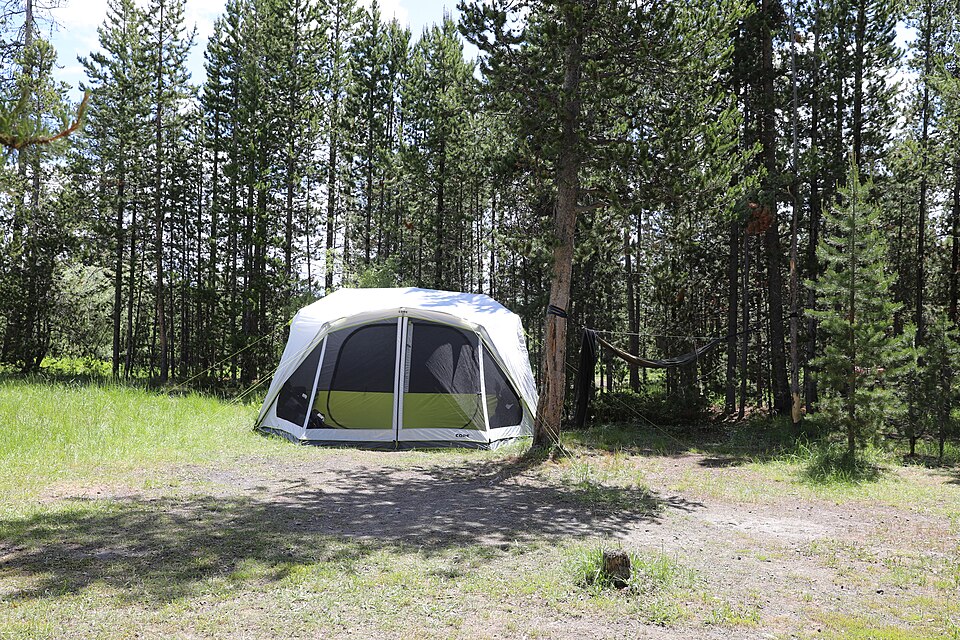
Day 2: Explore the Champlain Islands
Head north for a day centered on South Hero, Grand Isle, and North Hero. Route 2 links these island communities, but the appeal lies in stopping for shoreline time rather than simply driving through. Choose one established park or public access area as your main destination, and confirm its current season, facilities, and parking arrangements before leaving your base.
Spend the middle of the day swimming, picnicking, or taking a short walk, according to conditions. If you want to paddle, arrange suitable equipment in advance and choose a route that matches your experience and the forecast. Skip ambitious open-water crossings. In the afternoon, explore a little more of the island roads without assuming private shoreline is accessible. Return to your base for the evening, or remain at your island campground if you chose that location. For a two-day trip, this is a satisfying final outing.
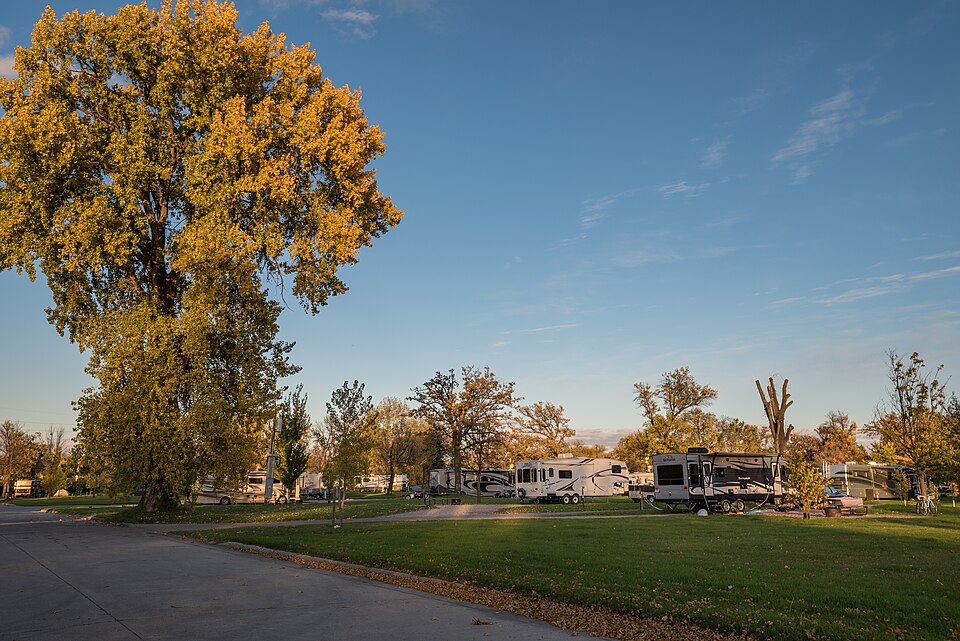
Day 3: Mount Philo and the Southern Shore
Use your third day for the Charlotte and Ferrisburgh area south of Burlington. Begin at Mount Philo State Park if trails and access are open. The summit’s views across the Champlain Valley provide a different perspective from the previous day’s island shores. Bring footwear with traction, water, and a layer for the top; a modest mountain can still feel exposed when the wind picks up.
Afterward, choose between more shoreline time and a history-focused stop. The Lake Champlain Maritime Museum in the Vergennes area is a useful option when its seasonal schedule fits your visit. Check official visitor details, since parts of the experience are outdoors. Keep lunch and the afternoon flexible rather than stacking several timed activities. Return to the same base if possible; avoiding another check-in leaves more time for a quiet evening by the lake.
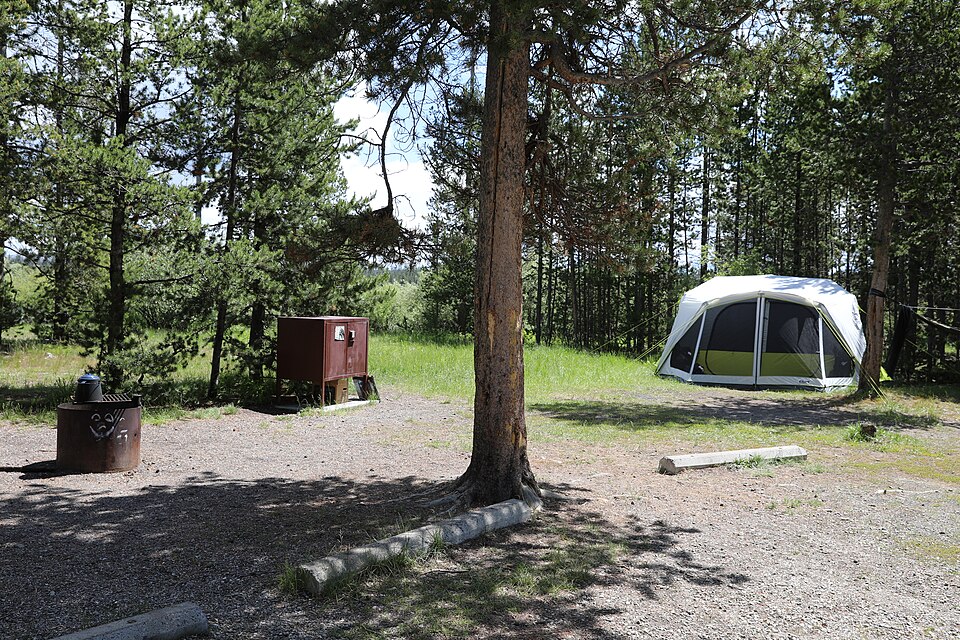
Day 4: Choose One Last Outdoor Outing
Let your departure time determine the scale of the final day. If you have most of the day free, consider a bike outing on the Island Line Trail toward the Colchester Causeway. Rent equipment only after confirming availability and fit, and check the seasonal bike ferry schedule if your intended route depends on it. An out-and-back ride can be easier to manage than a through-route.
If you are staying in the northern islands, a wildlife-focused visit to Missisquoi National Wildlife Refuge may fit better geographically. Check trail conditions and bring binoculars if you have them. Do not combine the refuge and a long causeway ride just to check off both. For an early flight or a substantial drive home, keep the morning local: breakfast, a short waterfront walk, and an unhurried checkout make a better finish than squeezing in another distant stop.
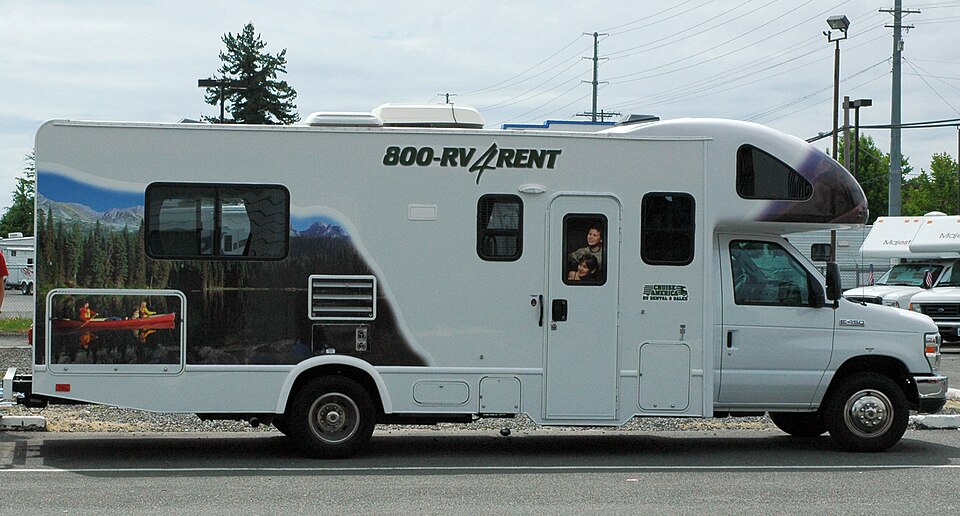
Booking, Transportation, and Weather Tips
A car makes this itinerary much easier outside central Burlington, especially with camping gear or island lodging. Distances on the map can be misleading because the shoreline, bays, and limited crossings shape your route. This plan stays on the Vermont side and does not require a ferry, though ferries can be an optional addition after checking current routes and schedules.
Book your base before arranging activities, particularly for summer weekends and fall foliage periods. Camping generally keeps lodging costs lower, while furnished cabins and glamping stays usually require a larger budget; treat any budget figure you find as a rough estimate until you confirm your dates. Check official Vermont State Parks pages for reservations, seasonal operations, and current conditions. Review beach advisories and wind forecasts daily. If weather disrupts the plan, swap a water day for Burlington rather than trying to force the original schedule.

More ways to book Lake Champlain
 Illustrative · Diego Angel
Sprinter Adventure Van
Small enough to park at the trailhead, comfy enough to sleep in.
$189/day (estimate)
Direct link · RVshare