
Lake Champlain glamping is about enjoying a shore-focused trip without bringing every piece of camping equipment yourself. Depending on the property, that might mean a furnished tent, a simple cabin, or another small accommodation with outdoor space, but the label does not guarantee a bathroom, kitchen, or direct lake access. Start by choosing the part of Vermont’s shoreline you want to explore, then compare the actual amenities rather than relying on photos or terminology.
What Glamping Can Look Like Here
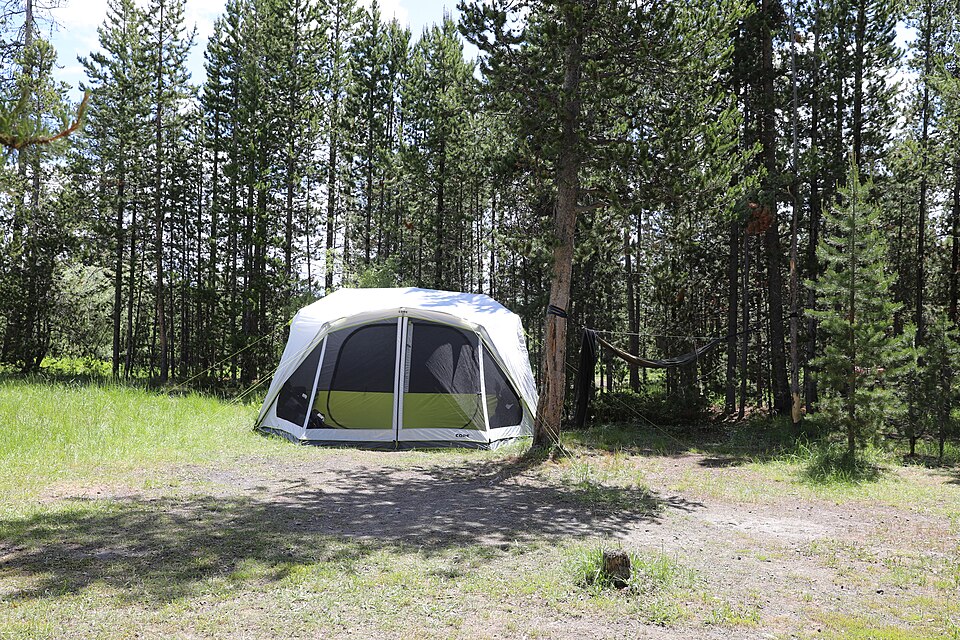
Around Lake Champlain, search by accommodation type as well as the word glamping. A furnished canvas tent and a weatherproof cabin create very different experiences on a windy, rainy night. Some stays are essentially campsites with a bed already set up; others function more like compact vacation rentals. Availability changes, so verify individual listings rather than assuming every shoreline town has the same options.
Before booking, confirm bedding, electricity, heating, drinking water, food storage, and the bathroom arrangement. Ask whether showers are private, shared, or located elsewhere on the property. If a listing advertises lake access, determine whether that means an actual beach, a launch, a rocky shore, or simply a view. Also check how far you must carry bags from the parking area. These details matter more to everyday comfort than decorative lighting or a particularly photogenic deck.
The Champlain Islands: A Lake-First Base
South Hero, Grand Isle, and North Hero are logical areas to search when your priority is spending most of the trip near the water. The islands combine rural roads, working farmland, small communities, and public parks, with Route 2 providing the main connection. A stay here works especially well when you want a slower rhythm and do not need to return to Burlington every evening.
Look carefully at the property’s orientation and setting. A waterfront site may be exposed to wind, while a sheltered inland site might require driving to public lake access. Neither is automatically better; the right choice depends on whether you value views, quiet, or convenient swimming. Check distances to groceries and meals before arrival, and bring supplies rather than expecting late-night options nearby. Reserve early for popular summer dates, especially when you need a specific bathroom setup or enough beds for a family.
Burlington, Colchester, and the Southern Shore
Search around Burlington and Colchester if you want to combine outdoor lodging with waterfront cycling, restaurants, and indoor activities. This area is practical for a shorter trip because you can spend less time repositioning between activities. Do not assume a rural-looking listing is walkable to downtown or connected directly to the bike path; check its location and the route you would actually use.
South of Burlington, Charlotte and Ferrisburgh offer a different base for exploring the Champlain Valley. They fit well with Mount Philo, farm-country drives, and visits toward Vergennes. Lodging described as near Lake Champlain may sit well inland, so verify shoreline access separately. These southern areas are less convenient for repeated trips to the northern islands. Choose the base that matches most of your planned outings rather than seeking one property that appears central to the entire lake.
Choose the Season and Pack for the Structure
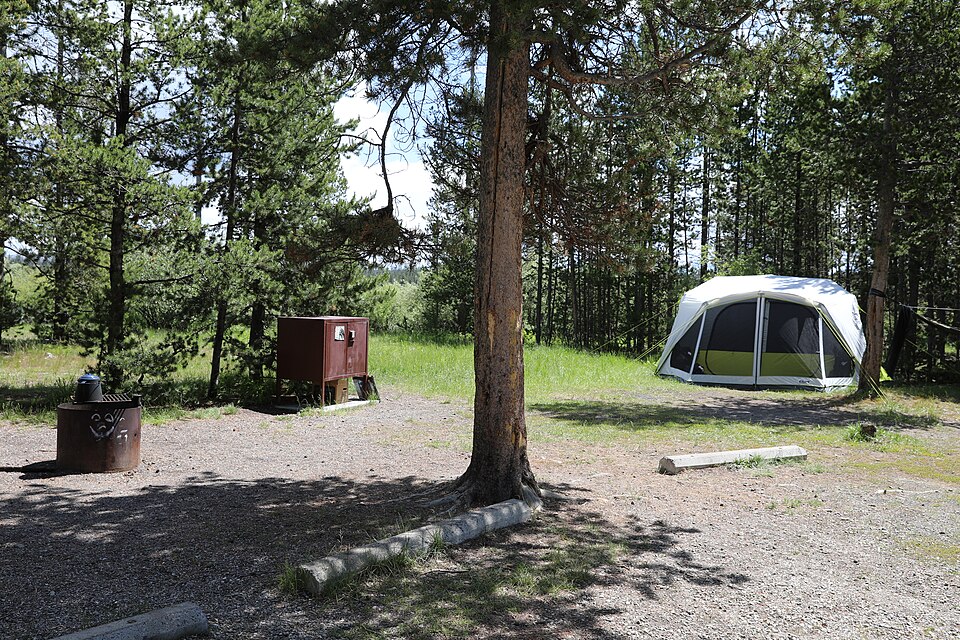
Summer is the simplest season for a glamping trip centered on swimming and outdoor meals, but exposed lakeside sites can still feel cool after sunset. Canvas accommodations may become warm in daytime sun and damp during prolonged rain. Ask about ventilation, screens, shade, and weatherproof storage before deciding how much extra equipment to bring.
Late spring and early fall can be appealing for quieter stays, provided the property is operating and the sleeping setup suits cool nights. Confirm whether heat is available and whether the host supplies adequate bedding; never assume a portable heater is allowed or appropriate. Pack layers, a rain shell, footwear for wet grass, insect protection, and a headlamp. For fall travel, check when shared water systems or bathhouses close. Before departure, review official park conditions and reservations for nearby outings, along with the weather forecast and current swimming advisories.
Glamping vs. Tent Camping vs. RV Travel
Choose glamping when you want less setup and do not already own camping equipment. It generally costs more than a basic tent site, but the comparison depends on what is included. Treat advertised costs as rough estimates until you see required fees, taxes, bedding charges, and any minimum stay. A furnished tent without cooking equipment may still require substantial packing.
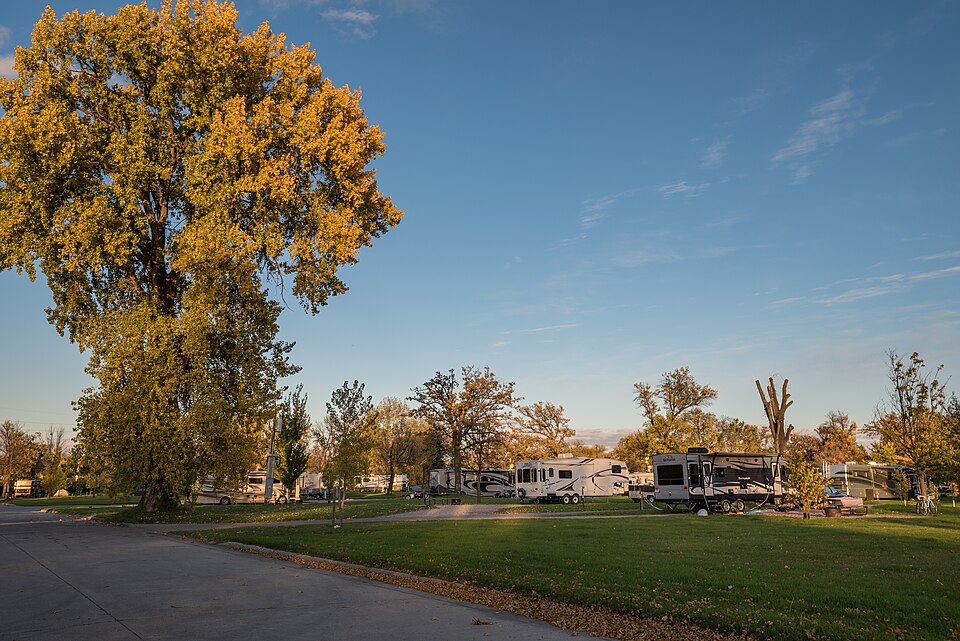
Tent camping offers more control over your gear and often a lower lodging cost, with more exposure to rain, wind, and damp ground. An RV gives you a familiar sleeping space and storage, but requires a suitable campsite, vehicle access, and attention to hookup and dumping arrangements. None of these options automatically includes waterfront access. Compare the full trip: equipment, food preparation, transportation, and the time spent setting up. For public campgrounds, use the official Vermont State Parks site to confirm amenities, restrictions, current conditions, and reservations.