
The best time to visit Lake Champlain depends on whether you want swimming weather, colorful shoreline drives, or a quieter campsite with room to spread out. Summer offers the fullest lake experience, while spring and fall reward travelers who can adjust plans around cooler water and changing weather. For a two- to four-day trip on the Vermont side, choose your season first, then build around Burlington, the Champlain Islands, or the quieter southern shore.
Spring: Quiet Shores and Flexible Plans
Spring arrives unevenly around Lake Champlain. Burlington’s waterfront can feel inviting on a sunny afternoon while exposed island shores remain chilly and breezy. Early spring is better suited to shoreline walks, birdwatching, and town stops than swimming. As the season progresses, leaf-out softens the valley, migrating birds bring activity to wetlands, and more seasonal recreation facilities begin operating.
Keep your itinerary flexible around rain, soft ground, and campground opening dates. The Missisquoi National Wildlife Refuge area near Swanton is a useful focus for birdwatching, though trail access and conditions should be checked before visiting. For hiking, favor established low-elevation paths when mountain trails are muddy. Pack waterproof footwear and warm layers, even if the forecast looks mild. Spring usually brings lighter visitor pressure than midsummer, but a specific waterfront campsite may still require advance planning.
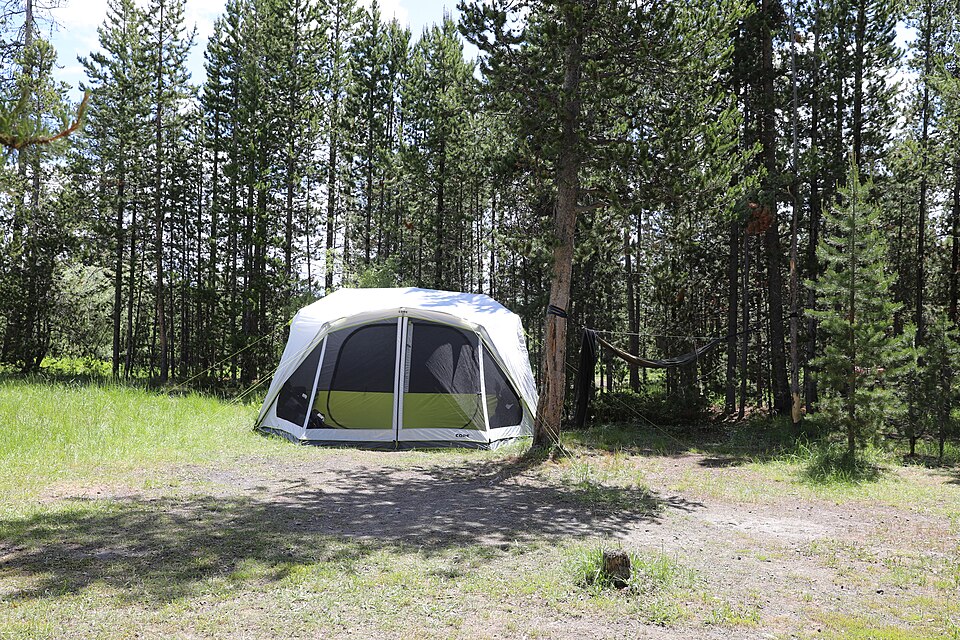
Lock in a stay for this season
RV parks near Lake Champlain on RoverPass
Partner link · RoverPass
Summer: Swimming, Camping, and Busy Weekends
Summer is the clearest choice if your priorities are swimming beaches, campground evenings, paddling, and long days outdoors. July and August generally offer the warmest conditions, although Lake Champlain can still be windy and thunderstorms can interrupt an afternoon on the water. Burlington provides an easy mix of waterfront paths and indoor alternatives, while the Champlain Islands put beaches and campground access closer to your base.
Expect the strongest demand on summer weekends and around holidays. Waterfront campsites, cabins, and small lodging properties have limited inventory, so reserve once your dates are firm rather than counting on a last-minute opening. For Vermont state parks, check the official reservation system for current booking windows and minimum-stay rules. Before swimming, review current beach advisories; cyanobacteria conditions can vary by location and day. Keep a shore-based backup plan for any boating outing.
Fall: Colorful Drives and Cooler Camping
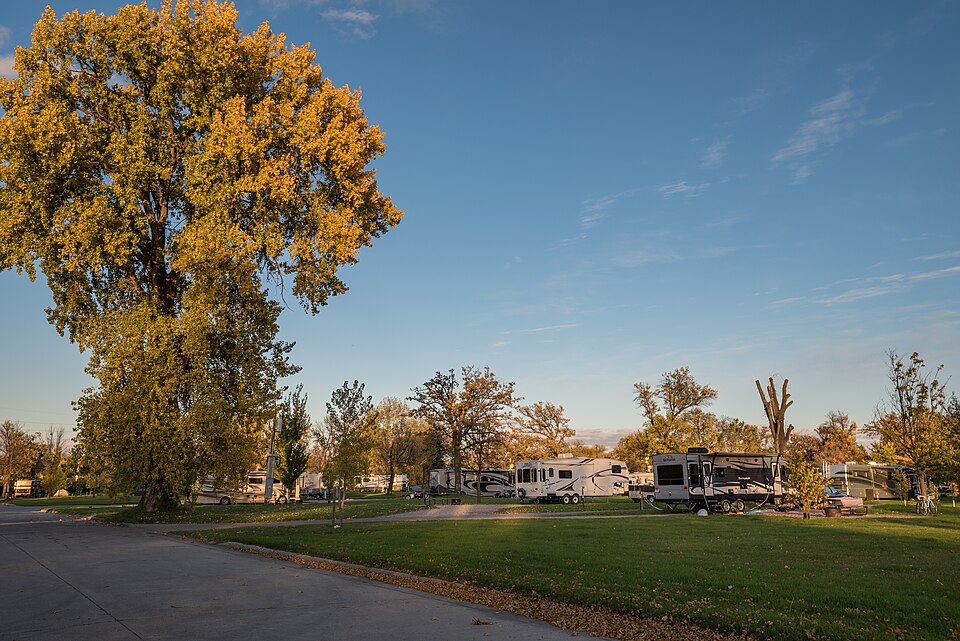
Fall suits travelers who care more about scenery and quiet evenings than swimming. The lake moderates nearby temperatures, and shoreline foliage does not always follow the same schedule as higher elevations in the Green Mountains. Late September into October is a useful planning window for color, but the timing shifts each year with weather and location. Avoid building the whole trip around a single predicted peak day.
Drive portions of Route 2 through the Champlain Islands, or explore the Charlotte and Ferrisburgh area for a combination of lake views, farm country, and short walks. Nights become noticeably colder, especially in a tent or lightly insulated cabin. Campgrounds, ferries, and visitor facilities may reduce service or close seasonally, so confirm each stop before setting out. Popular foliage weekends still draw visitors, even when midweek waterfront areas feel much less crowded.
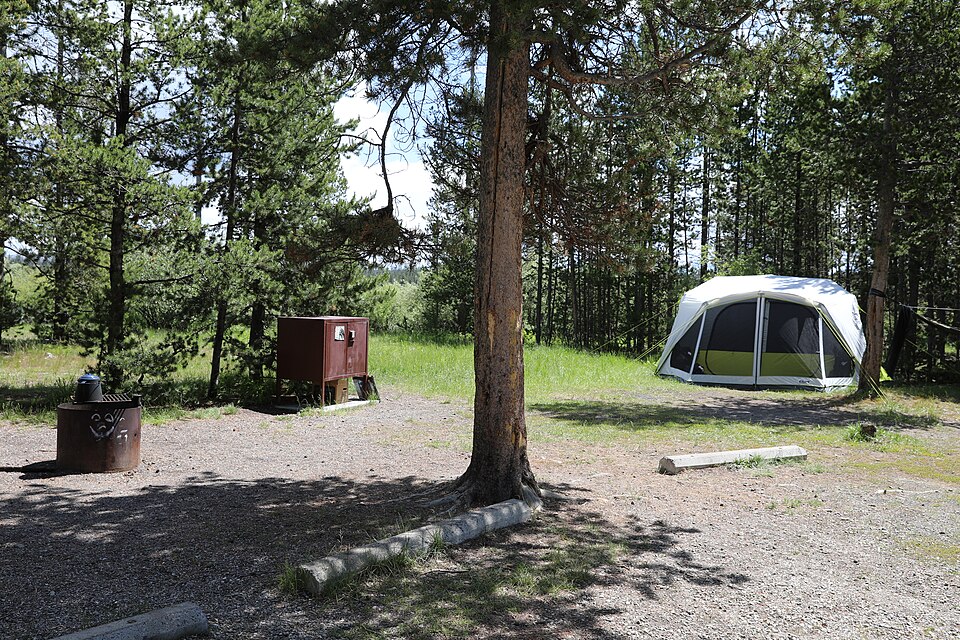
Lock in a stay for this season
Harvest Hosts stays on the way to Lake Champlain
Partner link · Harvest Hosts
Winter: A Different Kind of Lake Trip
Winter is not the natural fit for a conventional Lake Champlain camping trip, but it can work well for a Burlington-based stay with waterfront views and short outdoor outings. Snow, freezing temperatures, and strong wind can make exposed paths uncomfortable, while icy surfaces change what is practical on any given day. Plan around warm lodging rather than assuming seasonal campgrounds or glamping accommodations will be available.
The lake does not reliably freeze across its full surface. Never treat visible ice, tracks, or other people as confirmation that venturing onto it is appropriate. Enjoy winter scenery from established shore access instead, and seek current local guidance for specialized winter activities. Indoor stops in Burlington help balance short daylight hours and unsettled weather. Check road conditions before traveling, especially if your route continues into the mountains or along smaller rural roads.

When to Reserve and What to Check
For most first visits, choose summer for water-focused activities or early fall for walking, scenic drives, and cooler camping. Late spring can be appealing if you accept variable weather and check which facilities are open. A two- to four-day stay works best with one base; moving between Burlington, the islands, and the southern shore every night eats into your lake time.
Reserve high-priority lodging first, especially for summer weekends and fall foliage periods. Then arrange any equipment rentals or guided activities that anchor the trip. Costs vary widely by season and lodging style; camping generally requires a smaller lodging budget than furnished waterfront accommodations, but equipment and transportation still matter. Before departure, check official Vermont State Parks pages for conditions and reservations, weather forecasts for wind and storms, and current beach advisories. Recheck ferry schedules if a crossing is part of your route.
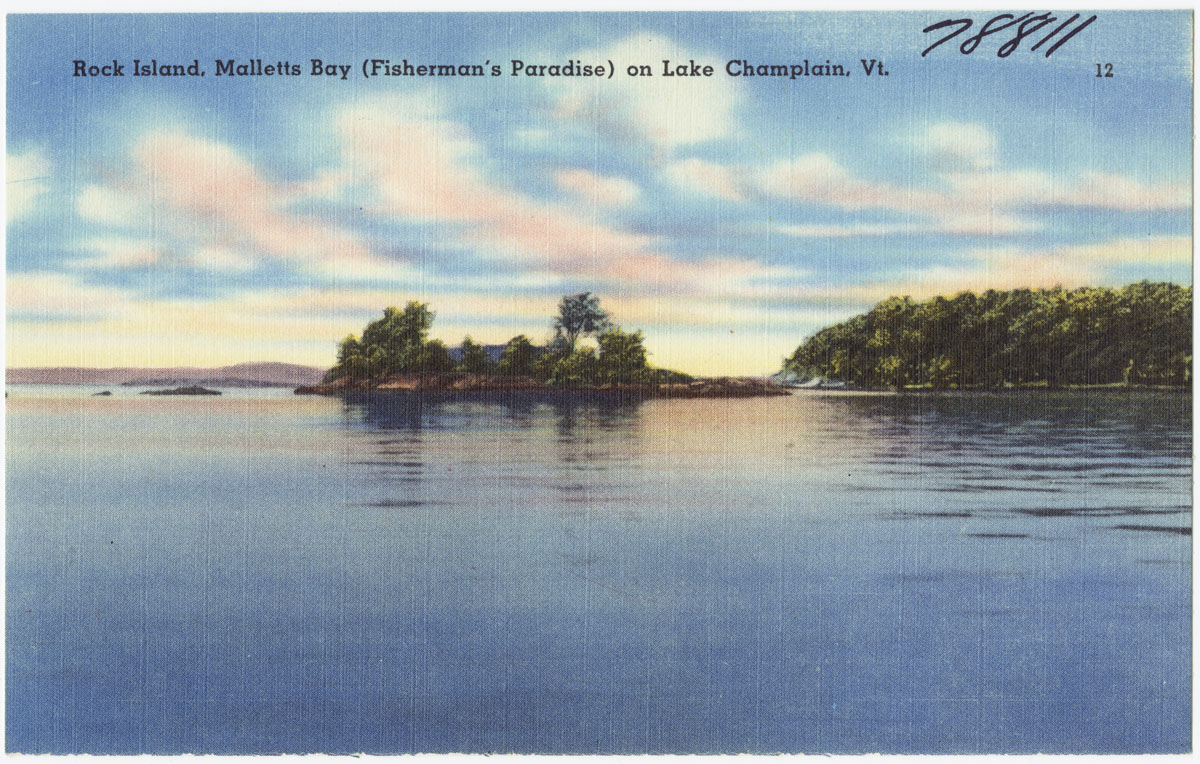
More ways to book Lake Champlain
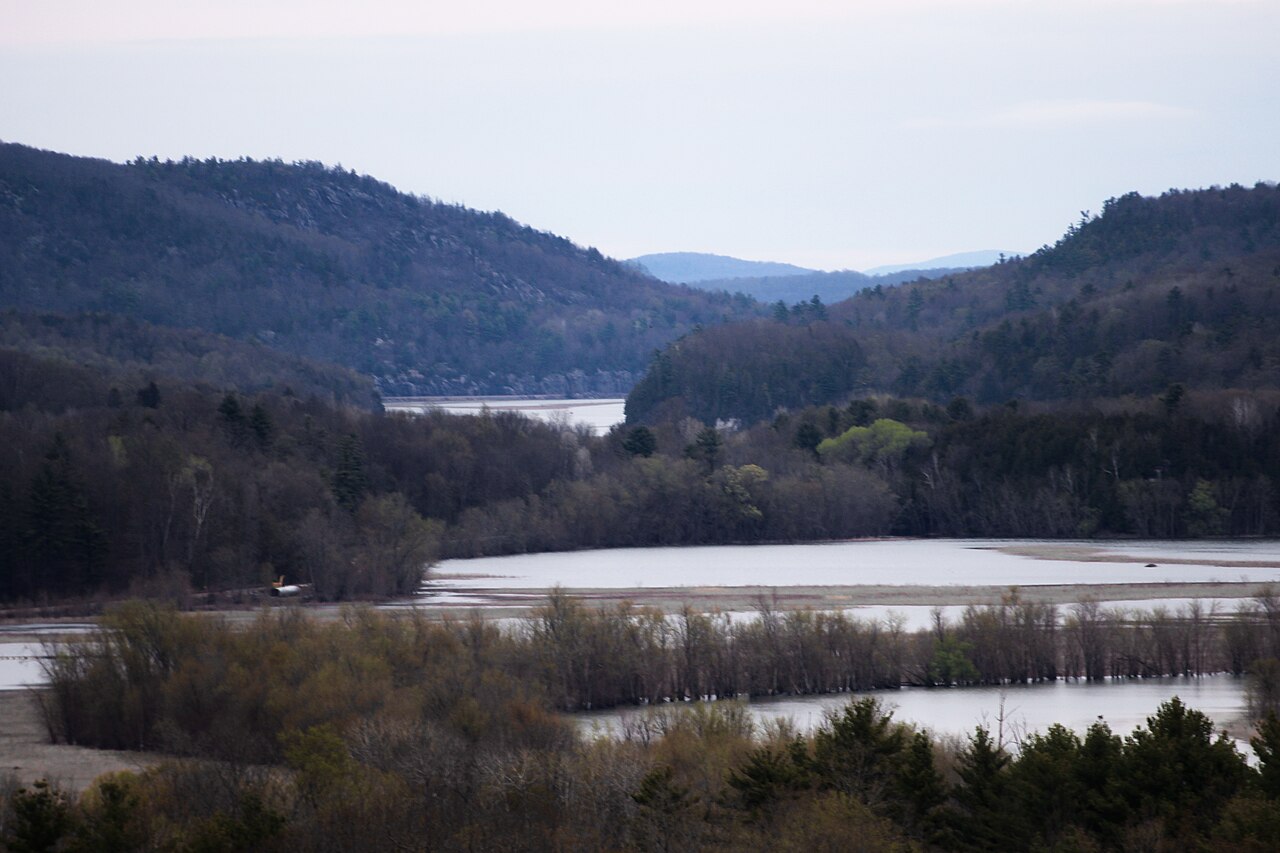 Illustrative · Tyler A. McNeil
Burlington Waterfront Walking
One of the classic ways to experience Lake Champlain.
Varies (estimate)
Partner link · Viator