
The Huron-Manistee National Forest covers nearly a million acres of public land, offering a diverse playground for anyone who loves the Great Lakes outdoors. Whether you are floating down a crystal-clear river, hiking through ancient pine stands, or exploring the rugged bluffs overlooking Lake Michigan, the variety of terrain ensures there is something for every level of adventurer. From the eastern shores near Oscoda to the western dunes of Manistee, the forest is a patchwork of natural wonders.
Paddling the Iconic Rivers
The Au Sable and Manistee Rivers are the lifeblood of this region and offer some of the best river recreation in the Midwest. The Au Sable, particularly the Holy Waters section, is world-renowned for fly fishing and gentle canoeing through serene, pine-lined banks. On the western side, the Manistee River winds through high sand bluffs, providing dramatic scenery for kayakers and tubers.
Several local liveries in towns like Wellston and Mio offer rentals and shuttle services, making it easy to plan a day trip even if you don't bring your own gear. For a more immersive experience, many paddlers choose to embark on multi-day trips, utilizing the primitive campsites located right along the riverbanks. These water trails allow you to see the forest from a unique vantage point, often spotting bald eagles, turtles, and white-tailed deer coming down to the water to drink. The water is generally clear and cool, providing a refreshing escape during the humid Michigan summers.
Hiking the North Country Trail
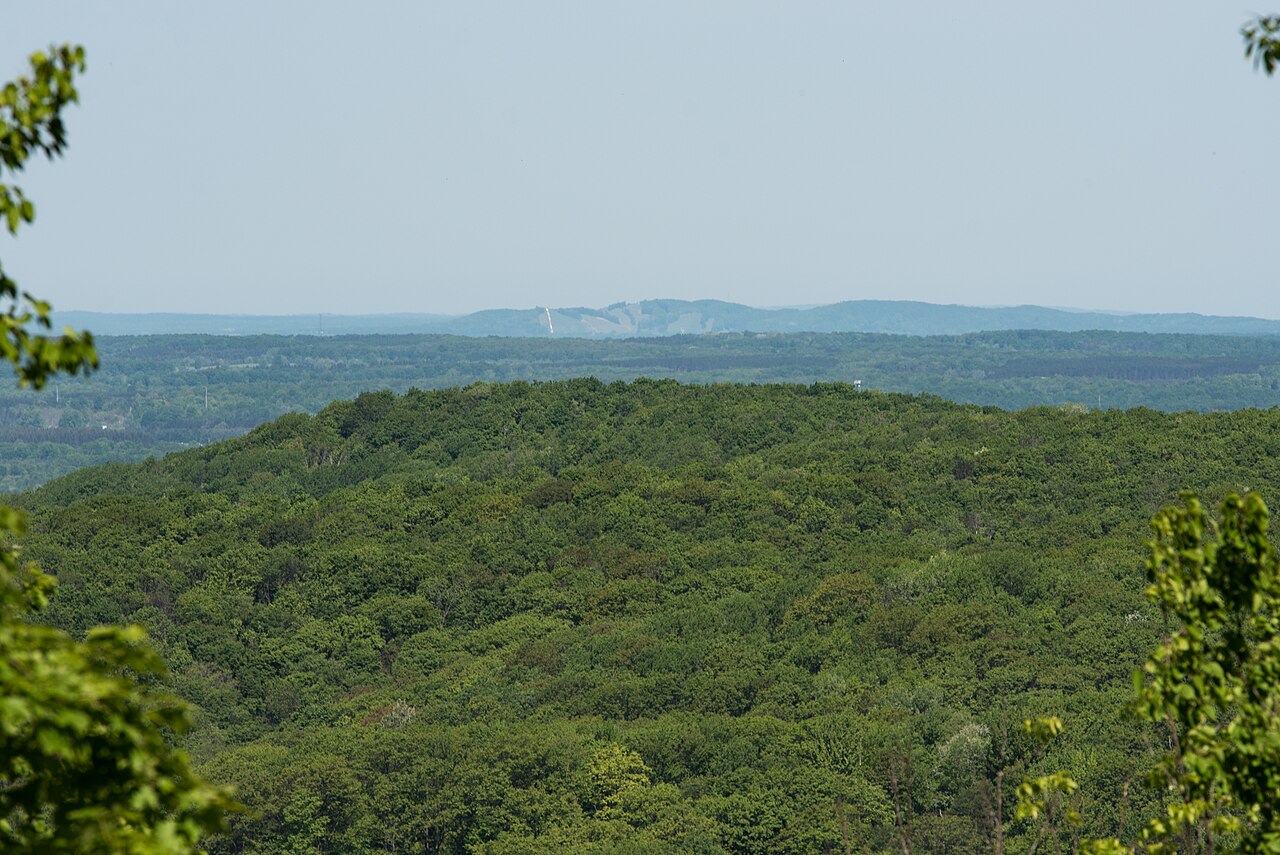
For hikers, the Huron-Manistee serves as a major corridor for the North Country National Scenic Trail. This trail winds through a variety of ecosystems, including high ridges, deep cedar swamps, and open prairies. One of the most popular segments is the Manistee River Loop, which combines the North Country Trail with the Manistee River Trail to create a stunning 20-mile loop. This route features several suspension bridges and numerous overlooks that provide sweeping views of the river valley.
The terrain varies from flat, easy walks to challenging climbs, catering to both casual day hikers and dedicated backpackers. Along the way, you might encounter diverse wildlife, including wild turkeys and the elusive black bear. The trail system is well-marked, but carrying a physical map is always recommended given the vastness of the forest. In the autumn, these trails become aisles of color, making every mile a photographic opportunity. Always check the official Forest Service site for trail conditions, especially after heavy rains or winter storms.
Exploring Lumberman's Monument and History
History buffs and families should not miss the Lumbermanâs Monument located on the banks of the Au Sable River. This site pays tribute to the workers who fueled Michiganâs massive timber industry in the 1800s. The centerpiece is a large bronze statue, but the real draw is the interactive displays and the steep staircase leading down to the river. Visitors can learn about the "river hogs" who moved logs downstream and see a replica of a waniganâa floating raft used as a kitchen for the lumberjacks.
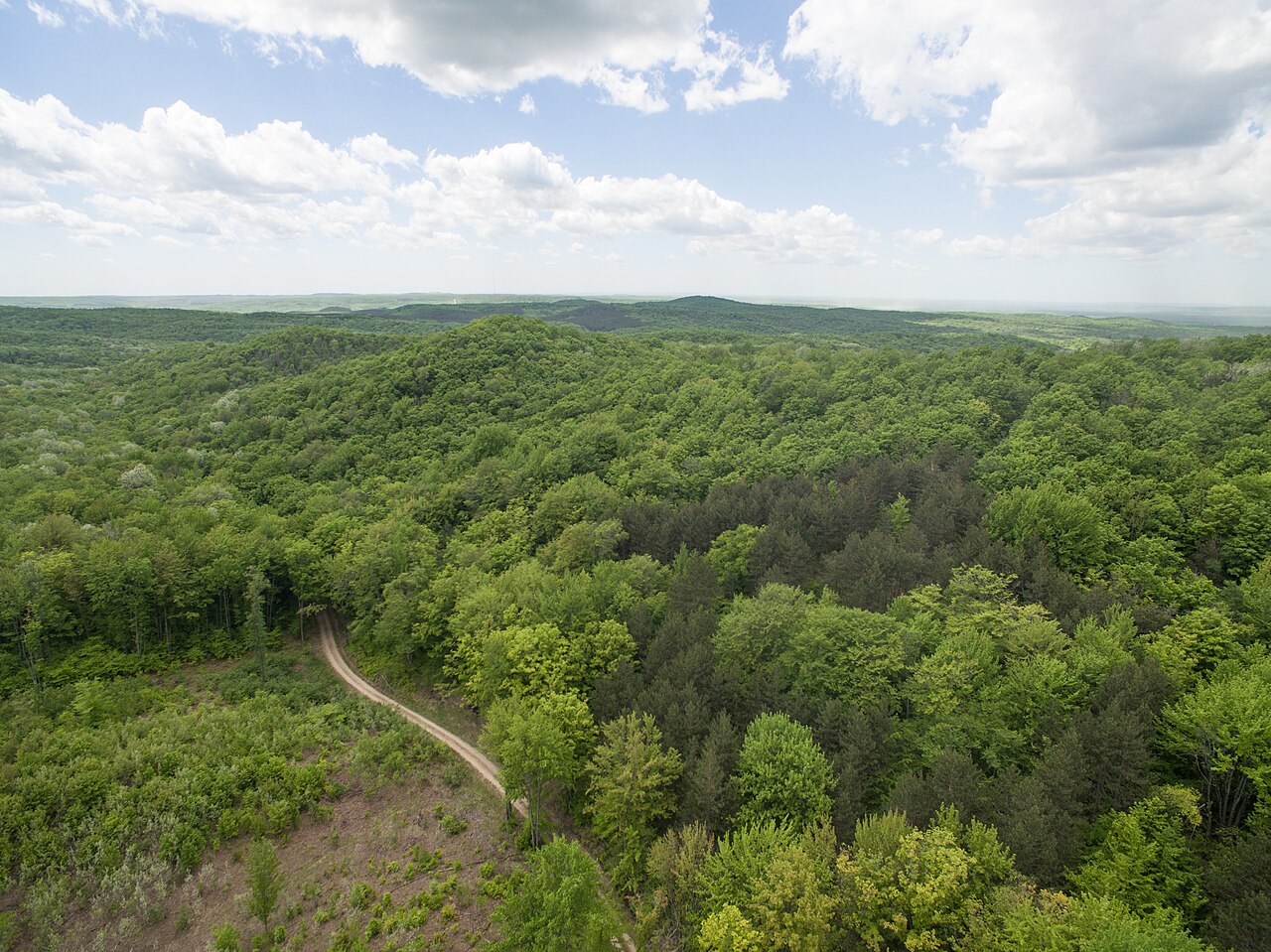
The area surrounding the monument features accessible interpretive trails that explain the lifecycle of the forest and the transition from old-growth timber to the managed forest we see today. It is an excellent educational stop for children, providing a concrete connection to the region's industrial past. Nearby, the River Road Scenic Byway offers several other overlooks, such as Iargo Springs, where underground springs gush from the bluffs and flow into the river via a series of boardwalks and stairs.
Wildlife Viewing and Birding
The Huron-Manistee is a critical habitat for a wide range of species, most notably the Kirtlandâs Warbler. This rare songbird nests exclusively in young jack pine forests found in the northern Lower Peninsula. During the late spring and early summer, birdwatchers from around the world come to the forest for a chance to spot this yellow-breasted bird. Guided tours are often available through partner organizations to help visitors find nesting sites without disturbing the habitat.
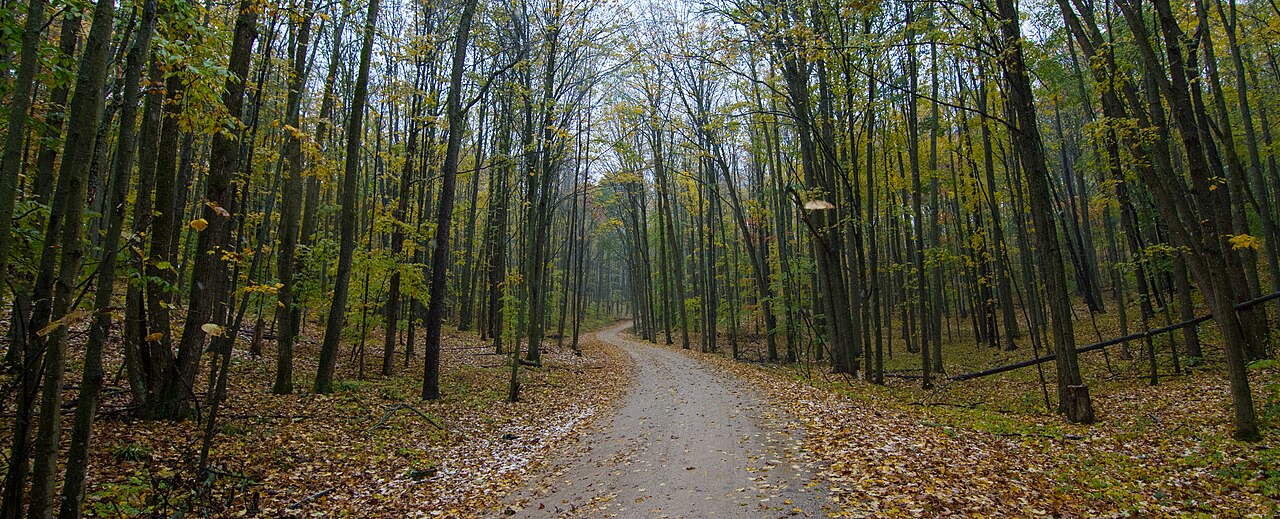
Beyond birding, the forest is home to a healthy population of white-tailed deer, foxes, and coyotes. If you are quiet and venture out near dawn or dusk, you have a high chance of spotting wildlife in the clearings or near the edges of the many small lakes scattered throughout the forest. The diverse forest compositionâranging from dense hardwoods to open barrensâsupports a food web that keeps the ecosystem vibrant. Remember to maintain a respectful distance from all animals and use binoculars for the best viewing experience without causing stress to the residents of the woods.
Rainy Day Activities and Gateway Towns
If the weather turns damp, the gateway cities of Manistee, Cadillac, and Oscoda offer plenty of charm and indoor alternatives. In Manistee, you can walk through the historic downtown district, which features Victorian-era architecture and cozy bookstores. The Ramsdell Regional Center for the Arts often hosts performances and exhibits. Cadillac provides a variety of local breweries and diners where you can dry off and enjoy a hearty meal.
For those who don't mind a little mist, a drive along the River Road National Scenic Byway provides beautiful views that can be enjoyed from the comfort of your vehicle. There are numerous pull-offs with covered information kiosks where you can still take in the scenery without getting soaked. The forestâs dense canopy also provides some natural shelter for shorter walks. Rainy days often bring out the rich scents of the pine needles and damp earth, offering a sensory experience that is different from a sunny day. Always check local forecasts and the official NPS or Forest Service websites for any weather-related travel advisories.