
Choosing the best time to visit Huron-Manistee National Forest depends largely on whether you prefer the rushing waters of summer or the silent, snow-dusted pine stands of winter. This massive dual-forest system spans the Lower Peninsula, offering a temperate climate influenced by the proximity of Lake Michigan and Lake Huron. While summer is the most popular window for exploration, each season brings a distinct character to the forest floor and the scenic riverbanks.
Summer: Peak River Season
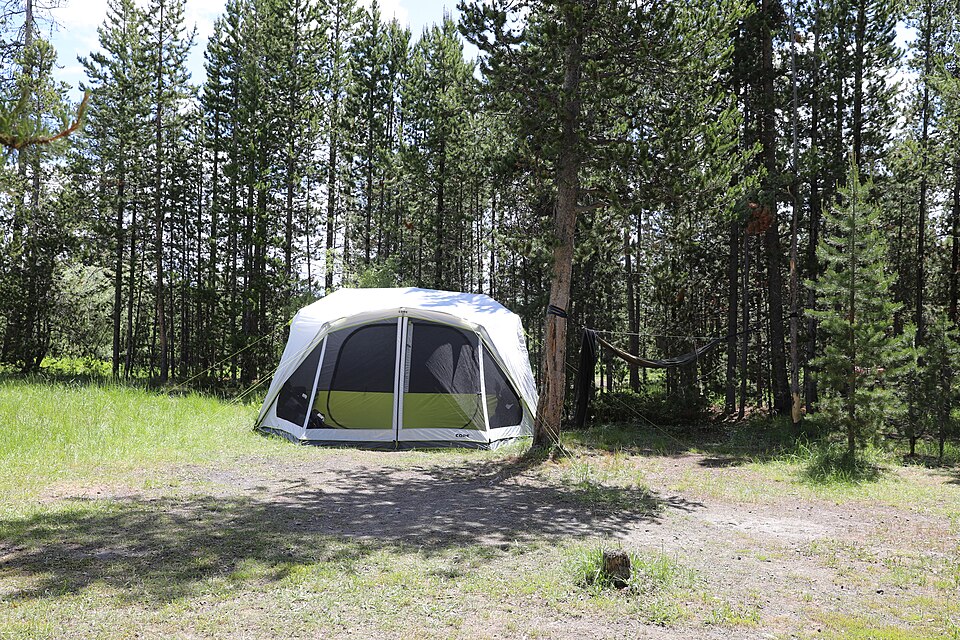
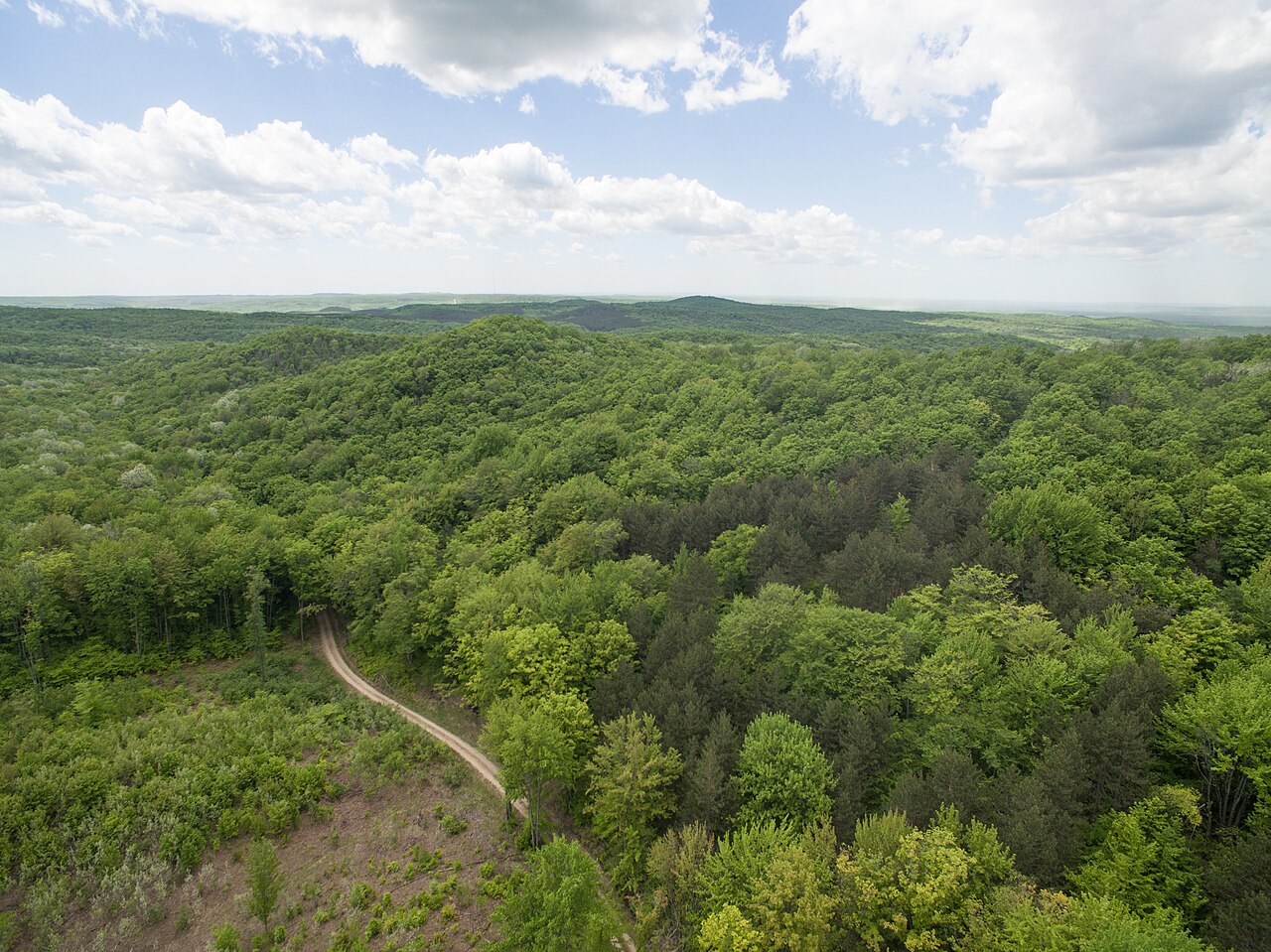
From late June through August, the forest is a vibrant hub for outdoor enthusiasts. This is undoubtedly the peak season for those looking to tube, kayak, or canoe down the Au Sable or Manistee Rivers. Daytime temperatures usually hover in the pleasant 70s and 80s, though humidity can climb in the dense woodland interior. The long daylight hours allow for extended hiking sessions on the North Country Trail and evening campfires that stretch late into the night.
Because this is the busiest time of year, popular campgrounds like those near the Lumberman's Monument or along the river corridors fill up quickly. If you plan to visit during a summer weekend, especially around the Fourth of July or Labor Day, you should check the official NPS or Forest Service sites months in advance for site availability. The lake breezes offer some respite from the heat, making the coastal segments of the forest significantly cooler than the inland hardwood stands.
Lock in a stay for this season
RV parks near Huron-Manistee National Forest on RoverPass
Partner link · RoverPass
Fall: A Canopy of Color
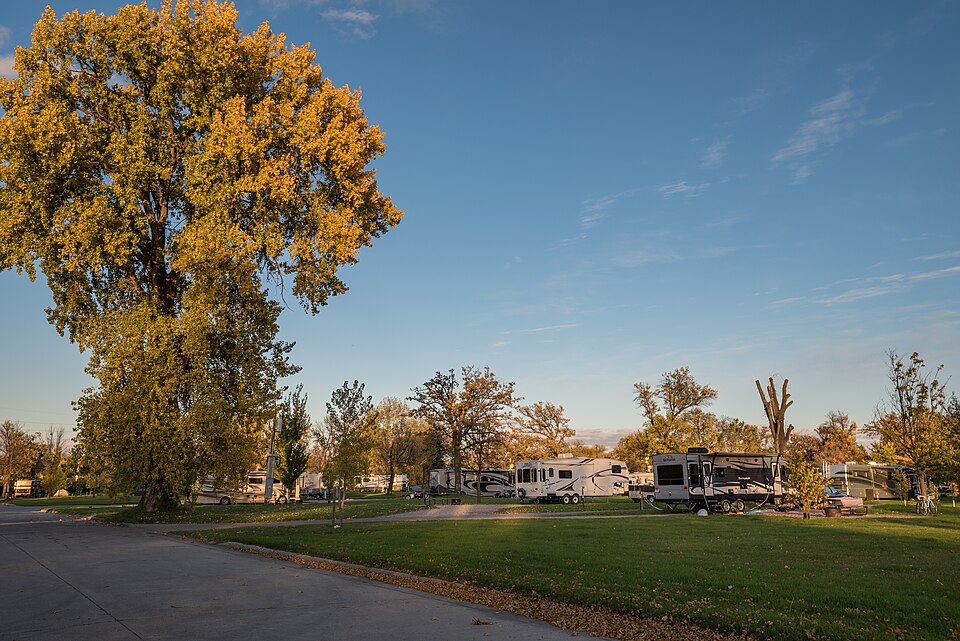
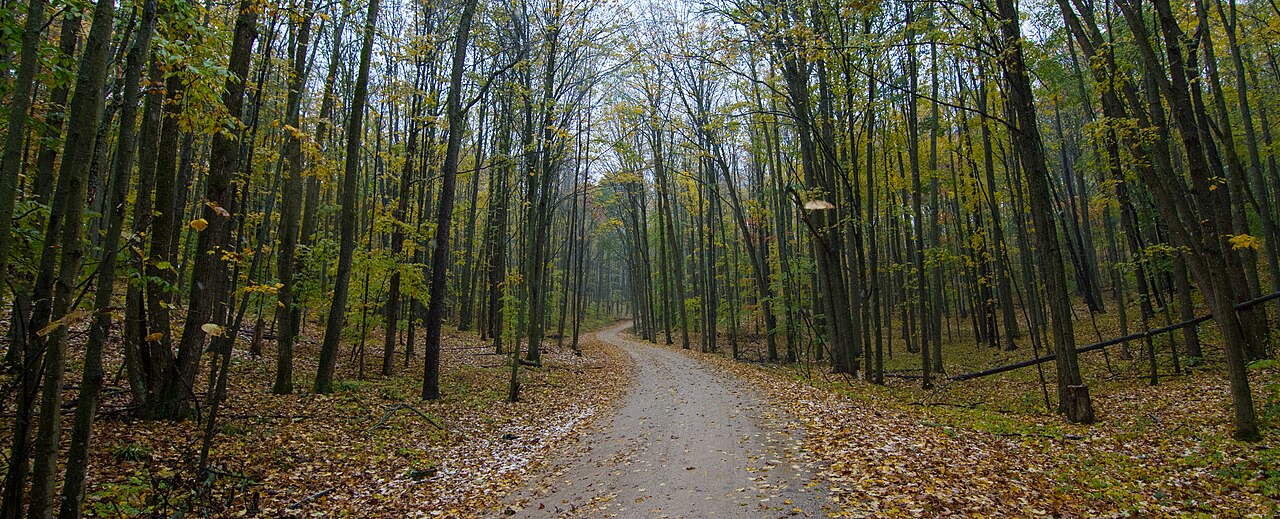
September and October represent the most visually stunning window to explore Northern Michigan. As the maple, oak, and beech trees begin their transformation, the forest is painted in brilliant hues of crimson and gold, contrasting sharply against the deep green of the old-growth pines. The crisp morning air is perfect for long-distance hiking without the summer insects, and daytime highs often settle into a comfortable 50- or 60-degree range.
Fall is also a prime season for salmon and steelhead fishing in the major tributaries. Anglers flock to the region as the fish begin their upstream runs, creating a lively atmosphere in gateway towns like Manistee. While the nights grow chilly and require heavier sleeping bags for campers, the lack of crowds compared to mid-July makes this an ideal time for those seeking solitude. Photographers will find the mist rising off the rivers at dawn to be particularly evocative during these autumn months.
Lock in a stay for this season
Campsites near Huron-Manistee National Forest on Campspot
Partner link · Campspot
Winter: The Quiet Wilderness
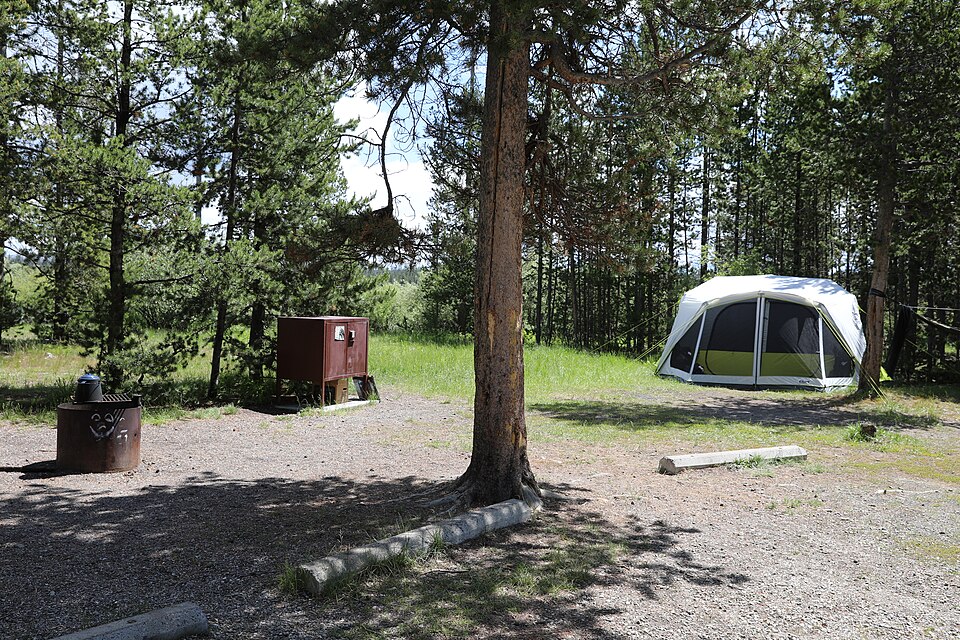
Winter in the Huron-Manistee National Forest is a time of profound stillness and rugged beauty. From December through March, the region typically receives significant snowfall, often enhanced by lake-effect storms coming off Lake Michigan. This transforms the forest into a playground for cross-country skiing, snowshoeing, and snowmobiling. The groomed trails near Cadillac and the Big M trail system offer miles of winter recreation through rolling terrain and frozen wetlands.
Travelers should be prepared for temperatures that frequently dip well below freezing, especially at night. Many seasonal forest roads and smaller campgrounds close during this period, so it is vital to verify road access on the official forest website before heading out. For those who enjoy winter camping or staying in nearby heated cabins, the lack of foliage provides unique opportunities for birdwatching, as resident species like woodpeckers and owls become easier to spot against the stark white backdrop.
Lock in a stay for this season
Harvest Hosts stays on the way to Huron-Manistee National Forest
Partner link · Harvest Hosts
Spring: The Forest Awakens
Spring is a fleeting but beautiful transitional period in Northern Michigan. As the snow melts in April and May, the forest floor comes alive with trillium and other woodland wildflowers. This is a "secret" season for birders, as migratory songbirds return to the canopy and the rare Kirtland's Warbler begins to arrive in the jack pine barrens. However, visitors should be prepared for "mud season," where trails can be soft and river levels are high and fast due to snowmelt.
Biting insects, particularly black flies and mosquitoes, begin to emerge in late May, so early spring visitors should pack accordingly. The temperatures are highly variable, swinging from frost-laden mornings to mild, sunny afternoons. It is a quiet time to visit the gateway cities of Oscoda and Manistee before the summer rush begins, allowing for a more relaxed pace at local diners and gear shops. Spring is also the time when many forest service facilities begin their seasonal opening procedures.
Managing Crowds and Reservations
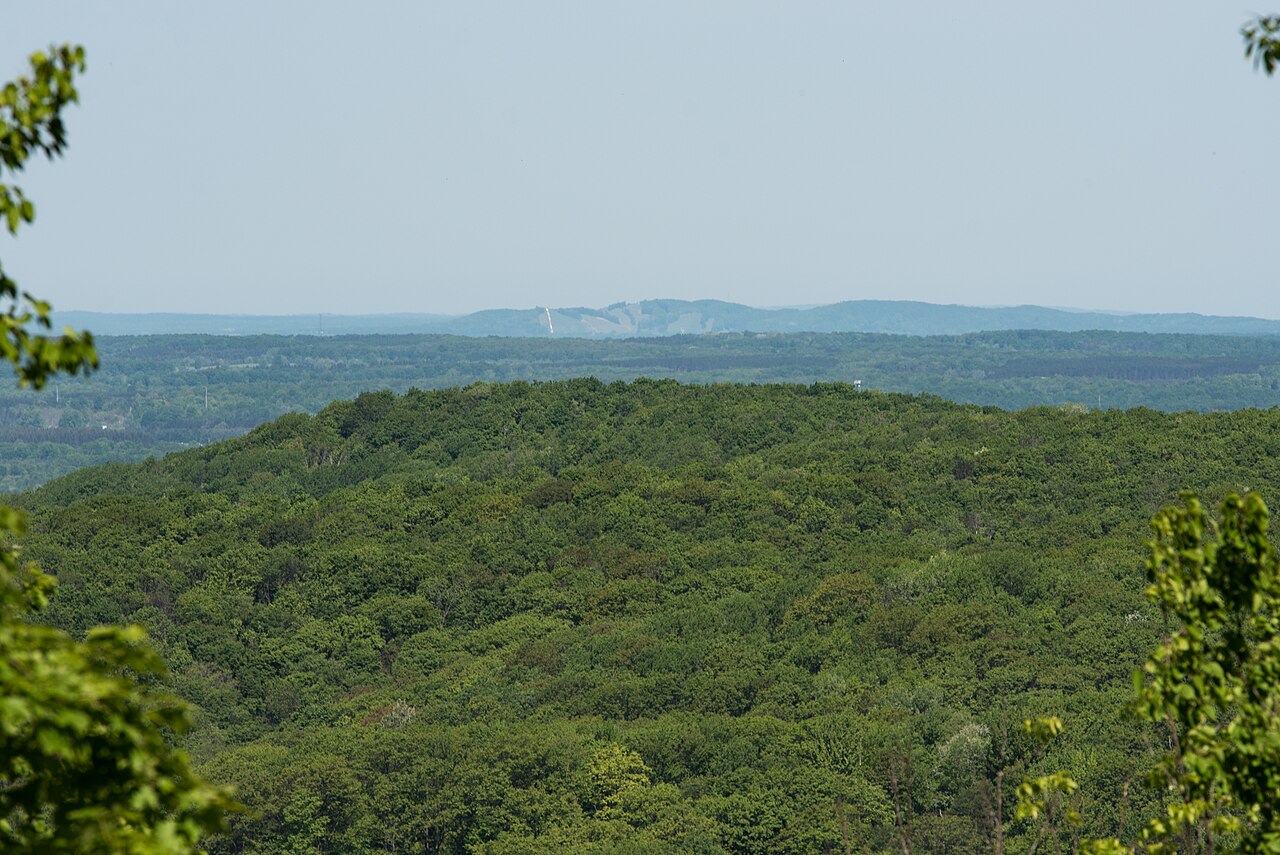
Understanding the rhythm of visitors is key to a successful trip. The busiest periods are holiday weekends and the height of the summer fishing and paddling season. To avoid the largest crowds, consider mid-week visits in late August or early September. While many areas of the forest are dispersed and feel remote, developed sites near the river access points can get congested.
Reservations for popular campgrounds are managed through the centralized federal system, and many spots open up six months in advance. For those seeking total seclusion, the forest offers dispersed camping in many areas, though you must follow specific distance rules from water sources and roads. Always check the official Forest Service website for the most current information on fire bans, trail closures, or timber harvest activity that might impact your planned route. Being flexible with your entry pointâperhaps choosing the lesser-known eastern side near Lake Huronâcan lead to a much quieter experience during the peak months.
More ways to book Huron-Manistee National Forest
 Illustrative · RomanKahler
Lumberman's Monument Visit
One of the classic ways to experience Huron-Manistee National Forest.
Varies (estimate)
Partner link · Viator