
For those who want to immerse themselves in the scent of pine and the sound of rushing water without giving up a comfortable mattress, glamping near the Huron-Manistee National Forest is the perfect solution. The region has seen a rise in upscale outdoor accommodations that bridge the gap between rugged backcountry camping and traditional hotels. From canvas wall tents on the banks of the Manistee River to refurbished vintage trailers, the options are as diverse as the forest itself.
The Glamping Experience in Northern Michigan
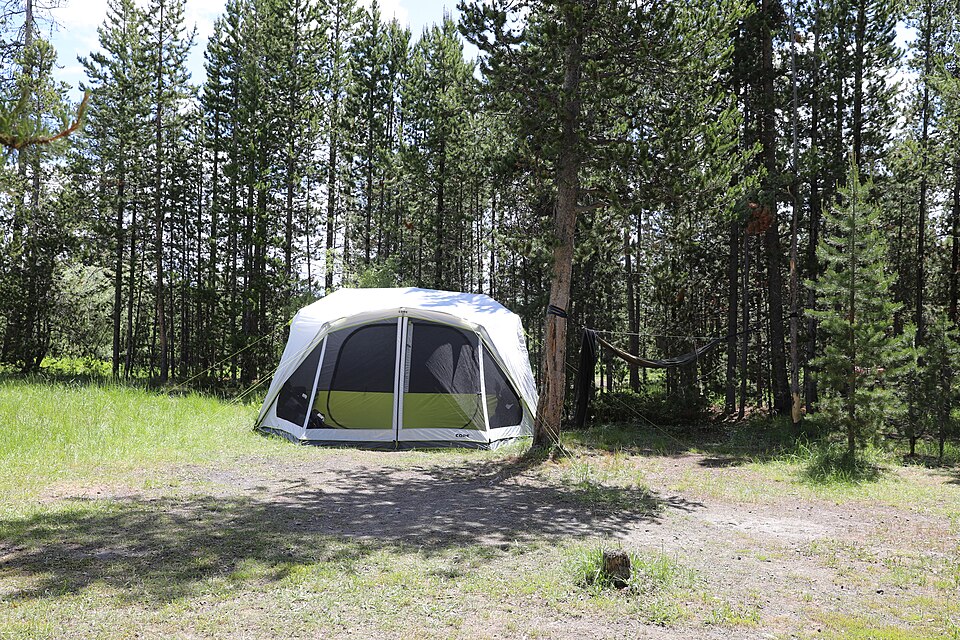
Glamping in this region typically focuses on bringing the outside in. Imagine waking up in a heavy-duty canvas safari tent, elevated on a wooden platform to keep you away from the damp forest floor, with a real queen-sized bed and cozy linens. Many of these sites are located on private land bordering the National Forest, providing easy access to public trails while offering private amenities like fire pits, Adirondack chairs, and sometimes even outdoor showers or kitchenettes.
The appeal of glamping here is the ability to enjoy the "up north" atmosphere without the logistics of hauling a tent, sleeping pads, and cooking gear. It is particularly popular for couples on weekend retreats or families who want the camping experience without the "roughing it" stress. You still get the crackle of the campfire and the star-filled Michigan sky, but you also get a solid night's sleep. Because these sites are often limited in number, it is essential to check official booking sites and local guides early in the season.
Where to sleep
RV parks near Huron-Manistee National Forest on RoverPass
Partner link · RoverPass
Where to Find Glamping Near the Forest
The gateway cities of Manistee, Cadillac, and Oscoda serve as the primary hubs for finding high-end outdoor stays. Near Manistee and Wellston, you will find options tucked into the hardwoods near the river, perfect for those who want to be minutes away from the Manistee River Trail. In the Cadillac area, glamping often takes the form of stylishly renovated cabins or yurts that cater to the year-round outdoor crowd. These sites often provide easy access to the lakes and the extensive snowmobile trail network.
On the eastern side near Oscoda and the Au Sable River, glamping sites often lean into the river-culture aesthetic, with accommodations situated to provide views of the water or the high sand bluffs. When searching for a place to stay, look for terms like "safari tents," "eco-lodges," or "boutique camping." These establishments often emphasize sustainability and a connection to the local environment, providing a curated experience that highlights the best of the Huron National Forest's natural beauty.
Seasonality and What to Pack
The best time for glamping in the Huron-Manistee is from June through October. Summer glamping is idyllic, though you should ensure your site offers good ventilation or fans, as Michigan nights can occasionally stay warm and humid. Fall glamping is perhaps the most sought-after experience, as the cooler temperatures make the provided heavy blankets and fire pits even more enjoyable. Watching the autumn leaves change from the porch of a canvas tent is a highlight for many visitors.
Even though you are staying in a more comfortable setting, you should still pack like you are headed to the woods. Bring sturdy hiking boots, layers of clothing for fluctuating temperatures, and plenty of insect repellent. While your host might provide basic toiletries and linens, having your own headlamp for nighttime walks to the restroom and a reusable water bottle is always a good idea. Check the official Forest Service site for information on local pests or weather patterns that might influence your packing list for a specific week.
Where to sleep
Harvest Hosts stays on the way to Huron-Manistee National Forest
Partner link · Harvest Hosts
Glamping vs. Traditional Camping and RVs
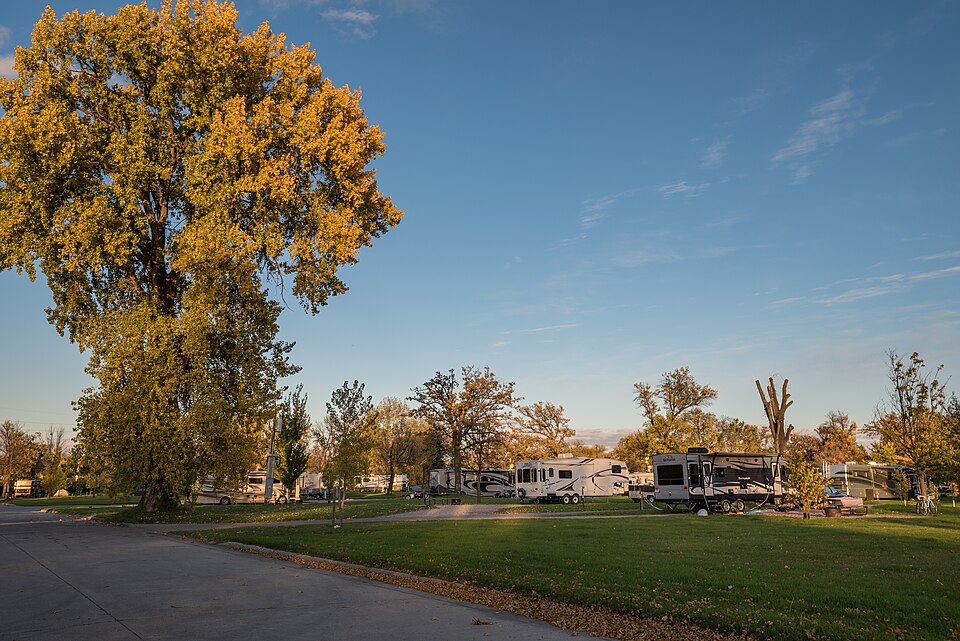
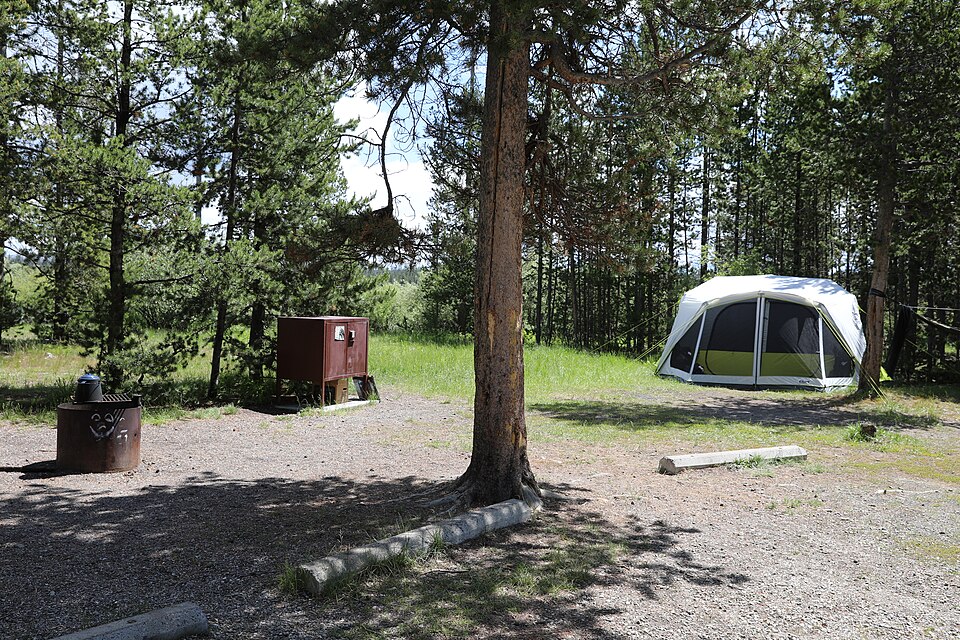
Choosing between glamping, traditional camping, and RVing depends on your desired level of autonomy and comfort. Traditional camping in the National Forest is the most affordable and flexible, allowing you to stay in deep-woods sites or dispersed areas for a nominal fee or for free. However, it requires significant gear and preparation. RVing is a great middle ground, providing your own kitchen and bathroom, but it limits you to campgrounds with suitable pads and hookups, which can be crowded during the summer months.
Glamping removes the gear burden entirely. You pay a premiumârough estimates suggest $150 to $300 per night depending on the luxury levelâfor the convenience of a turnkey experience. Unlike an RV, a glamping tent feels more connected to the air and sounds of the forest, offering a more sensory-rich experience. However, glamping sites are stationary, so you won't have the mobility to change your "backyard" every night. For many, the trade-off is worth it for the aesthetic appeal and the high-quality sleep that a standard tent rarely provides.
Sustainable Glamping and Forest Ethics
Many glamping providers in the Northern Lower Peninsula are committed to low-impact tourism. This often includes using solar power for lighting, composting toilets, and locally sourced materials for their structures. When you choose a glamping site, you are often supporting small local businesses that have a vested interest in the health of the Huron-Manistee National Forest.
Even in a luxury setting, it is important to practice good forest ethics. This means properly disposing of trash, being mindful of noise levels so as not to disturb wildlife or neighboring campers, and following all local fire ordinances. The Forest Service often issues fire warnings during dry spells, and these apply to glamping sites just as much as they do to primitive camps. By respecting these rules, you help ensure that the forest remains a pristine destination for everyone. Always check the official NPS or Forest Service website for the most current guidelines on campfire safety and wildlife protection before you arrive at your glamping destination.