
Spanning over 200,000 acres of broken hills and hardwood timber, Hoosier National Forest is the crown jewel of Indianaâs public lands. Whether you are looking to lose yourself in the rugged backcountry of the wilderness areas or enjoy a family afternoon by the water, the forest offers a diverse range of activities. From the towering heights of fire towers to the deep shadows of limestone caves, there is always something new to discover in this Midwestern landscape.
Hiking the Charles C. Deam Wilderness
For many visitors, the primary draw is the Charles C. Deam Wilderness, the only designated wilderness area in the state. Hiking here feels like a step back in time, with miles of trails winding through dense forests and along the ridges overlooking Monroe Lake. The Peninsula Trail is a local favorite, leading hikers out to a scenic point with expansive water views that are particularly breathtaking at sunset. Because this is a wilderness area, trails are minimally marked and mechanical transportâincluding bicyclesâis prohibited, ensuring a quiet trek.
While the terrain is not mountainous by Western standards, the constant elevation changes over limestone ridges can be taxing. Hikers should bring plenty of water and a reliable map. The Sycamore Branch and Axsom Branch trails offer additional loops for those looking to extend their stay in the backcountry. Always practice Leave No Trace principles, especially in these protected areas, to preserve the primitive character of the forest for future generations.

Scenic Drives and Fire Tower Views
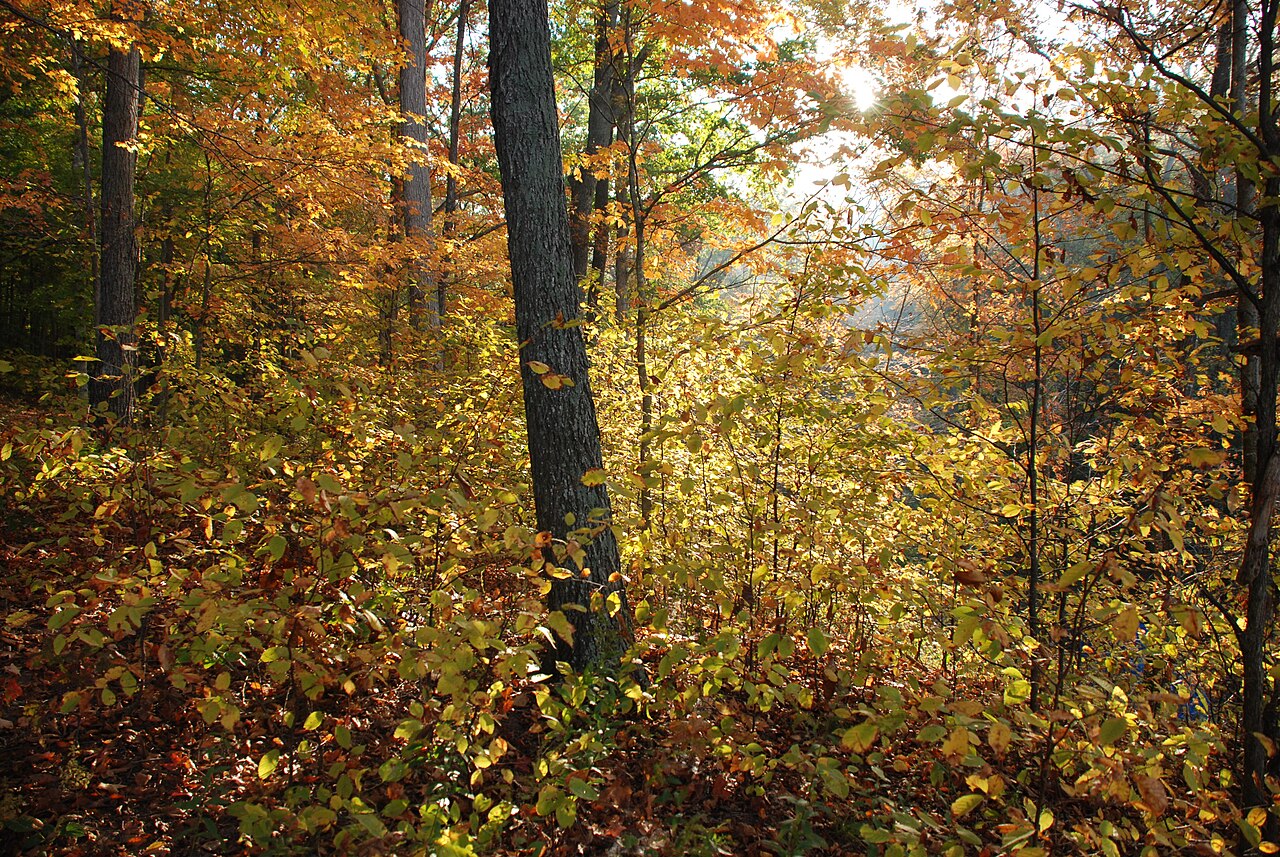
If you prefer to see the forest from the comfort of your vehicle, the region is crisscrossed by scenic winding roads that offer stunning vistas, especially during the autumn months. A drive along the backroads between Bloomington and Bedford takes you through heart-of-the-forest scenery, passing by historic farmsteads and dense stands of timber. One of the most iconic stops is the Hickory Ridge Fire Tower. Climbing the steep stairs of this historic structure provides a 360-degree view of the forest canopy, offering a perspective that is impossible to get from the ground.
Another scenic route involves following the Ohio River Scenic Byway along the southern edge of the forest. This drive offers glimpses of the mighty Ohio River and the dramatic bluffs that define the southern border of Indiana. Along the way, there are numerous pull-offs and small picnic areas where you can stretch your legs and take photos. These drives are an excellent way to see the sheer scale of the forest and reach more remote trailheads that are tucked away from the main highways.

Water Recreation on Monroe and Patoka Lakes
Water is a central feature of the Hoosier National Forest experience. Monroe Lake, located near the northern edge, and Patoka Lake to the south, provide endless opportunities for boating, fishing, and swimming. Renting a pontoon or a kayak is a popular way to spend a summer day, allowing you to explore the hidden coves and quiet inlets that are inaccessible by foot. The lakes are well-stocked with bass, bluegill, and crappie, making them a top destination for regional anglers.
For those who prefer a slower pace, paddling along the shores of these reservoirs offers a chance to see wildlife such as bald eagles, ospreys, and great blue herons. Many of the developed recreation areas, like Hardin Ridge, offer sandy swimming beaches and boat ramps with ample parking. Even if you don't have your own boat, there are local rental services in the gateway cities that can get you out on the water. Be sure to check the official park site for lake levels and any specific boating regulations.
Family Activities and Historic Sites
Families will find plenty of accessible activities throughout the forest. The Brooks Cabin, a restored 1890s log home located near the Deam Wilderness, offers a glimpse into the lives of the early settlers who carved a living out of this rugged terrain. It is a great educational stop for children, often serving as a starting point for shorter, kid-friendly nature walks. Many of the developed campgrounds also feature interpretive programs and easy loops that are perfect for smaller legs and strollers.
Another family favorite is exploring the many rock shelters and small caves that dot the limestone landscape. While some larger caves require specialized equipment and permits, many smaller overhangs are easily accessible and provide a natural wonder for kids to explore. For a rainy day, the nearby gateway cities like French Lick offer indoor attractions, but the forest itself has several covered picnic pavilions where you can still enjoy the fresh air while staying dry. Always keep an eye on younger children near the steeper limestone bluffs and ridges.
Wildlife Viewing and Birding
Hoosier National Forest is a haven for birdwatchers and wildlife enthusiasts. The diverse habitats, ranging from wetlands to upland forests, support a wide array of species. Spring and fall migrations bring colorful warblers and shorebirds through the area, while the resident population of wild turkeys and white-tailed deer are commonly seen year-round. If you are patient and quiet, you might even spot a bobcat or a timber rattlesnake, though these are much rarer and generally avoid human contact.
For the best wildlife viewing, head out at dawn or dusk when animals are most active. The edges of the forest where the woods meet open meadows or water are particularly productive. Birders should head to the wetlands near the lakes or the dense interior forests to find different species. Bringing a good pair of binoculars and a local field guide will enhance the experience. Remember to keep a respectful distance from all wildlife and never feed the animals, as this can disrupt their natural behaviors and health.