
Timing your trip to Hoosier National Forest allows you to experience the dramatic shifts of the Midwestern seasons, from the emerald canopy of summer to the stark beauty of a limestone ravine in winter. While the forest remains open year-round, the experience changes significantly as the hardwood leaves turn or the spring rains fill the hidden creeks. Understanding these transitions ensures you pack the right gear and secure the best campsites before the peak crowds arrive during the temperate months.
Fall Foliage and Crisp Autumn Air
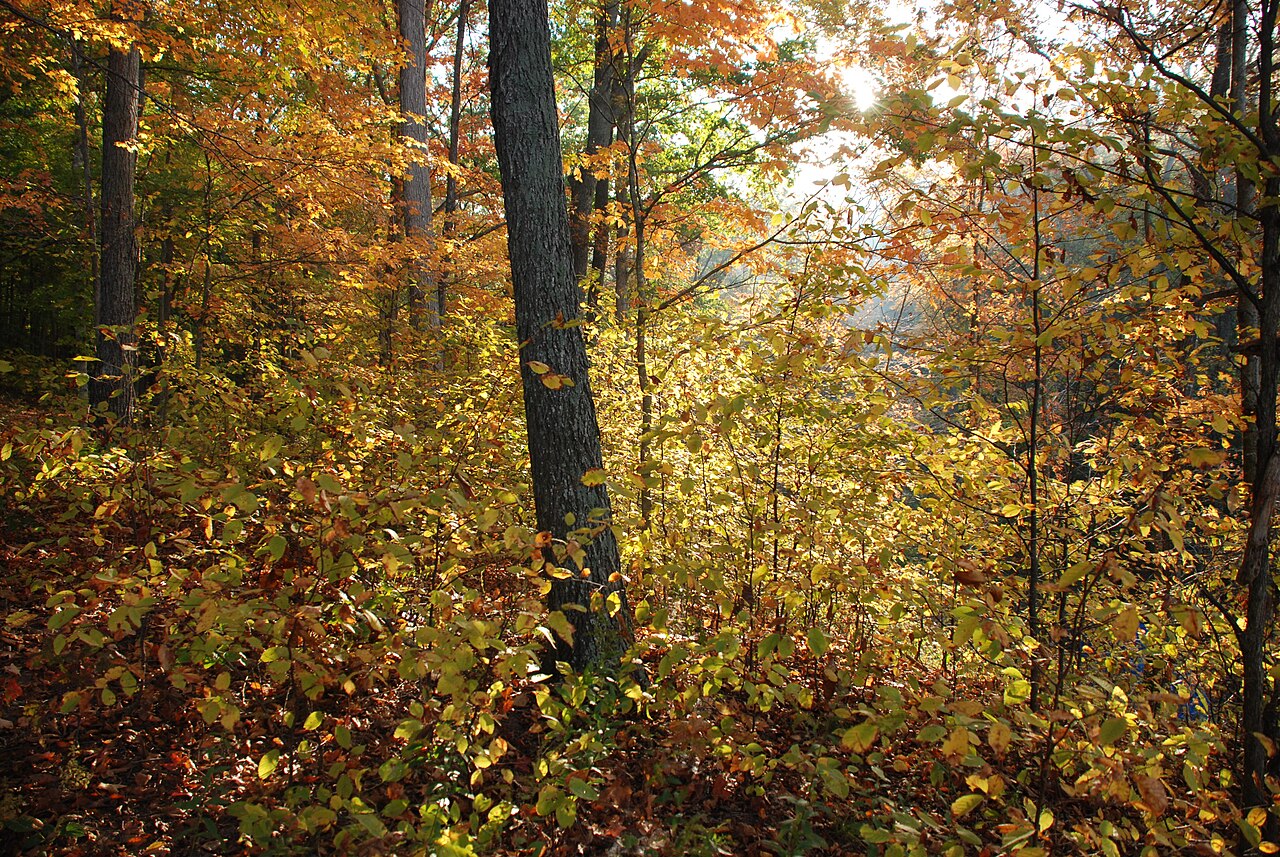
Autumn is widely considered the premier season for exploring the rolling hills of Southern Indiana. Starting in late September and peaking in mid-to-late October, the hardwood canopy transforms into a vibrant mosaic of deep russets, burnt oranges, and brilliant yellows. The temperatures during this period are typically mild during the day and brisk at night, creating the perfect environment for long-distance hiking on the Charles C. Deam Wilderness trails without the humidity of the summer months.
Because the fall colors draw visitors from across the region, this is the busiest time for the forest. You can expect popular trailheads and overlooks to be more crowded, especially on weekends. It is highly recommended to check the official National Forest site for peak color reports and to secure your camping reservations well in advance if you plan on staying at developed sites like Hardin Ridge or Tipsaw Lake.
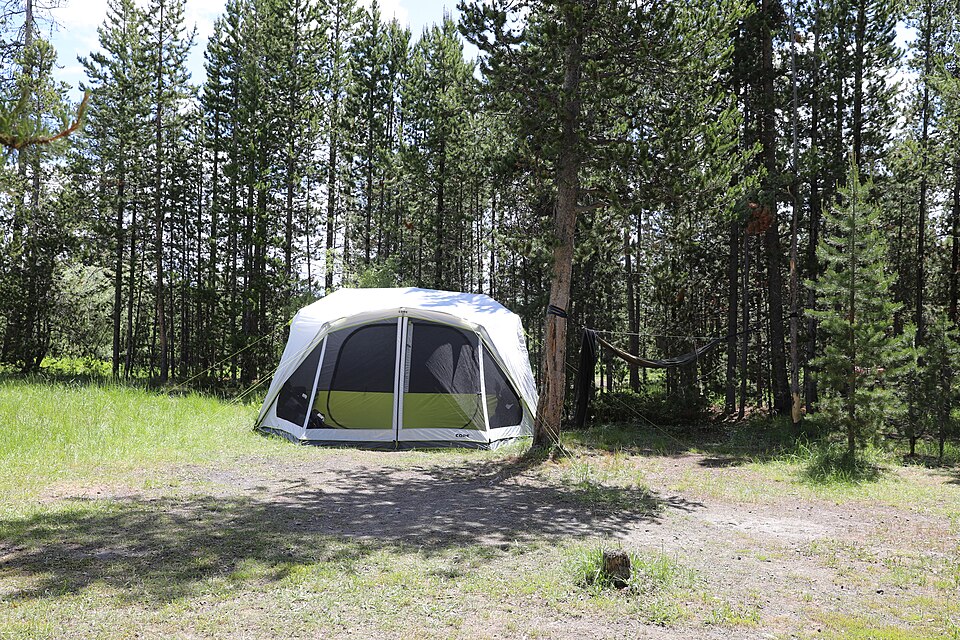
Lock in a stay for this season
Harvest Hosts stays on the way to Hoosier National Forest
Partner link · Harvest Hosts
Spring Wildflowers and Rushing Creeks
Spring offers a brief but spectacular window for visitors who enjoy the subtle beauty of forest floor blooms. As the snow melts and April showers begin, the ravines fill with Dutchmans breeches, trilliums, and bloodroot. The weather can be unpredictable, often oscillating between sunny afternoons and sudden thunderstorms, but the payoff is a landscape that feels lush and renewed. This is also the best time to see the forest's many ephemeral waterfalls and creeks at their most active.
While the insects are not yet out in full force, the ground can be quite saturated. Hikers should be prepared for muddy trail conditions, particularly in the lower elevations and near the lake shores. Spring is generally less crowded than the fall, making it a great time for those seeking a more solitary experience among the budding oak and hickory trees. Always check for trail closures, as heavy spring rains can occasionally lead to maintenance delays.
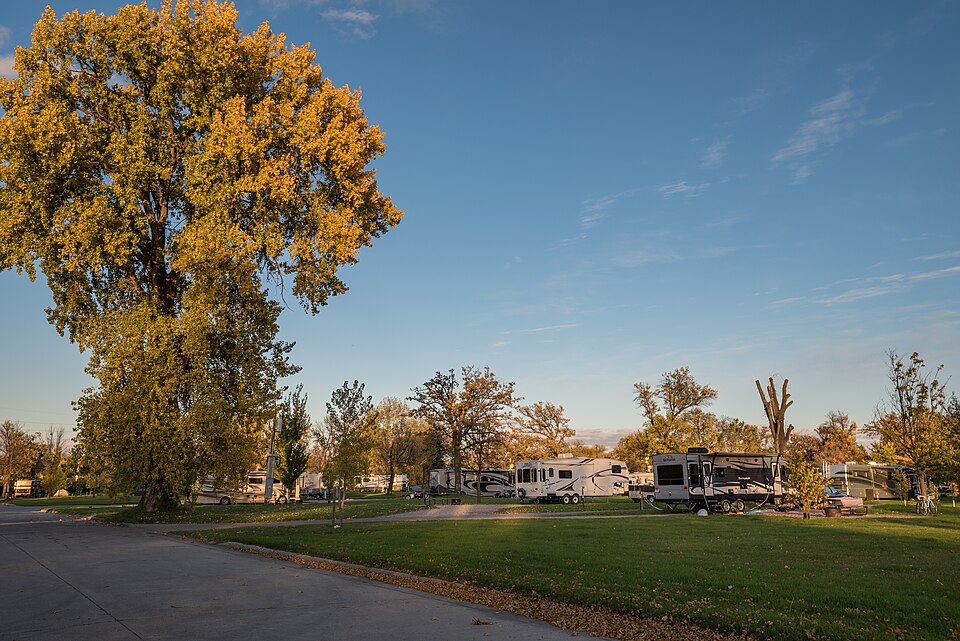
Lock in a stay for this season
RV parks near Hoosier National Forest on RoverPass
Partner link · RoverPass
Summer Humidity and Lake Recreation
Summer in Southern Indiana is characterized by heat and significant humidity, which can make strenuous uphill hiking a challenge. However, this is the peak season for water-based recreation. Monroe Lake and Patoka Lake become the focal points of the forest, attracting boaters, swimmers, and anglers looking to cool off. The dense forest canopy provides ample shade, but visitors should be prepared for the local insect population, including ticks and mosquitoes, which are most active during the humid months of July and August.
If you plan to visit in the summer, aim for early morning or late evening activities to avoid the midday heat. Many families utilize the developed recreation areas during this time for picnics and beach outings. Because this is the primary vacation season, campsites with electric hookups and amenities fill up quickly. Be sure to visit the official park website to monitor any heat advisories or water quality updates for the swimming areas before you arrive.
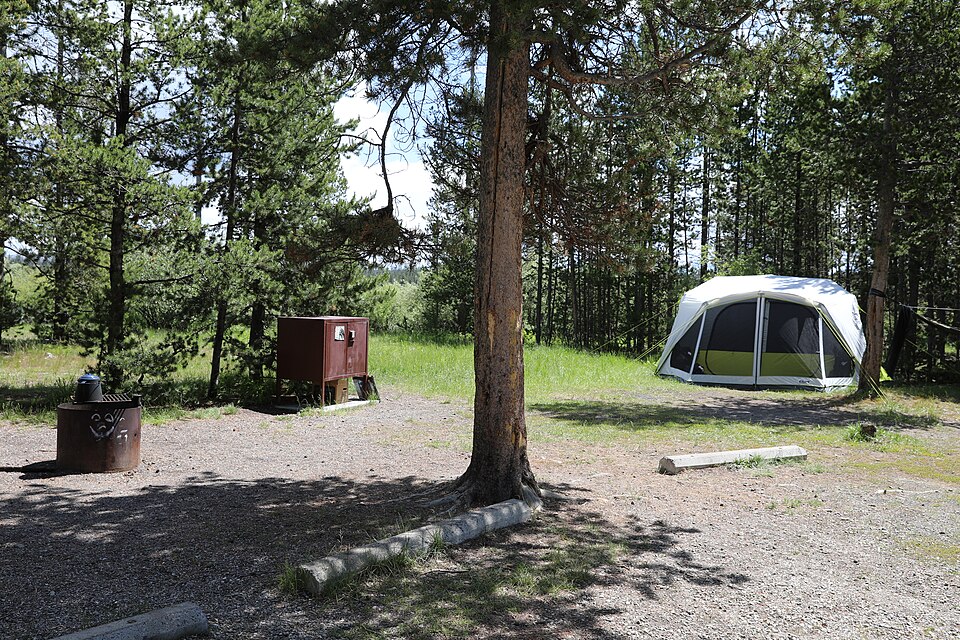
Lock in a stay for this season
Campsites near Hoosier National Forest on Campspot
Partner link · Campspot
Winter Solitude and Limestone Views
Winter is the quietest season in Hoosier National Forest, offering a unique perspective on the landscape that is hidden by leaves during the rest of the year. Once the trees are bare, the dramatic limestone bluffs and rock shelters become clearly visible. The lack of undergrowth also makes it easier to spot white-tailed deer and wild turkeys moving through the woods. While temperatures can drop below freezing and snow is common, the forest takes on a serene, hushed quality that is perfect for those seeking deep solitude.
Many of the developed campgrounds close or offer limited services during the winter months, so self-sufficiency is key. Backpacking in the Charles C. Deam Wilderness remains popular for hardy adventurers, provided they have cold-weather gear. The trails are often quiet, giving you the chance to explore miles of terrain without seeing another soul. Just be aware of the shorter daylight hours and potential for icy conditions on the steep limestone stairs and rocky trail sections.

Crowds and Reservation Timing
Hoosier National Forest covers a vast area, so it rarely feels overcrowded in the backcountry, but the developed recreation sites are a different story. To ensure a smooth trip, especially during the peak fall and summer seasons, you should look into reservations several months out. Most developed campgrounds operate through a central federal booking system. If you are aiming for a holiday weekend, such as Labor Day or Memorial Day, sites often book up as soon as the window opens.
For those who prefer a spontaneous trip, dispersed camping is allowed in many parts of the forest, providing a more rugged and private alternative to the crowded lakefronts. Regardless of when you visit, checking the official NPS or Forest Service website is essential for current information on burn bans, trail maintenance, and seasonal road closures. By planning around the peak weekend rushes, you can enjoy the quiet majesty of the Indiana hardwoods in relative peace.

More ways to book Hoosier National Forest
 Illustrative · Carly Jane Casper
Hemlock Cliffs Hike
One of the classic ways to experience Hoosier National Forest.
Varies (estimate)
Partner link · Viator