
This three-day itinerary is designed to give you a comprehensive taste of the Hoosier National Forest, from its deep wilderness roots to its sparkling lakeside recreation. Starting from Louisville Muhammad Ali International Airport (SDF), youâll drive just over an hour and a half to reach the heart of the forest. This guide balances active exploration with moments of relaxation, ensuring you see the highlights while still having time to sit by a campfire and watch the stars.
Day 1: Arrival and Wilderness Immersion
After landing at SDF and picking up your rental car, make the scenic 95-minute drive north toward the Charles C. Deam Wilderness. Your first stop should be the Brooks Cabin to get your bearings and learn about the area's history. From there, head to the Hickory Ridge Fire Tower. Climbing to the top is the perfect way to start your trip, as it offers a literal birdâs-eye view of the massive forest you are about to explore. The climb is steep but the panoramic view of the rolling Indiana hills is worth every step.
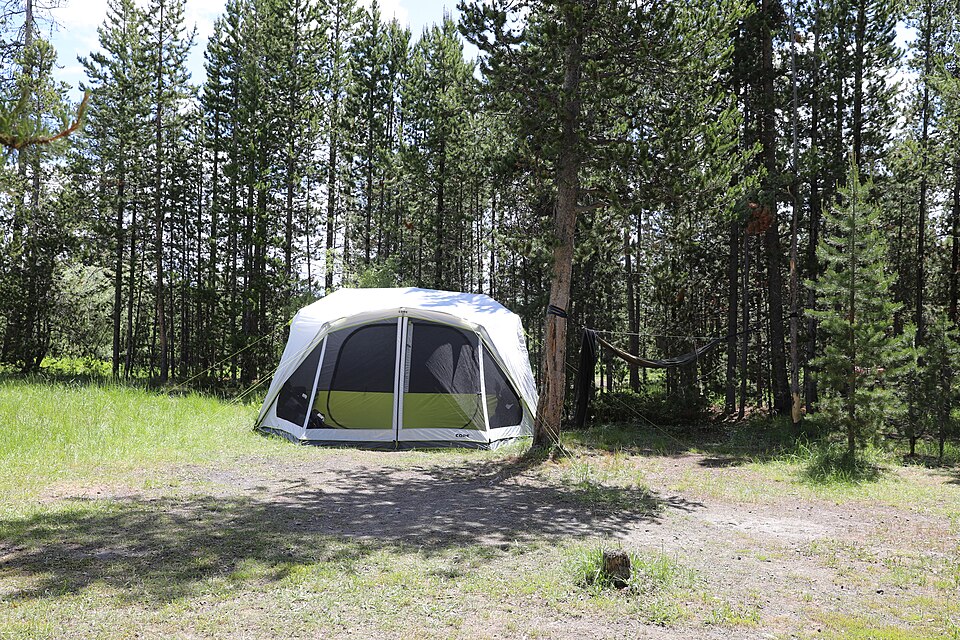
Spend your afternoon hiking a portion of the Peninsula Trail. This trail takes you through diverse forest types before opening up to views of Monroe Lake. If you brought your gear, this is an excellent spot for your first night of dispersed camping near the water. Alternatively, head to a reserved site at Hardin Ridge for a more comfortable evening with amenities. As the sun sets, the forest comes alive with the sounds of owls and insects, providing a true Midwestern welcome.
Where to sleep
Harvest Hosts stays on the way to Hoosier National Forest
Partner link · Harvest Hosts
Day 2: Lakes, Bluffs, and Scenic Byways
Start your second day early with a drive south toward the Patoka Lake area. This section of the forest is known for its rugged limestone features and vast water recreation. Spend your morning on the water; renting a kayak or canoe is highly recommended to explore the quiet fingers of the lake where motorboats rarely venture. Look for bald eagles nesting in the tall pines along the shore. The cool morning air on the water is the best way to beat the midday humidity that often settles over the region.
In the afternoon, head toward the Hemlock Cliffs Scenic Area. This is one of the most unique spots in the forest, featuring a cool, shaded canyon filled with seasonal waterfalls, towering cliffs, and lush ferns. The loop trail here is moderate but offers some of the best geological sights in the state. After your hike, take a slow drive along the Ohio River Scenic Byway as you head toward the historic town of French Lick for dinner. The combination of natural beauty and small-town charm makes for a memorable second day.
Day 3: Deep Woods and Departure
On your final day, focus on the central section of the forest near Bedford. Explore the Pioneer Mothers Memorial Forest, one of the last remaining stands of old-growth timber in Indiana. Walking among these massive oaks and walnuts is a humbling experience and offers a glimpse of what the entire state looked like centuries ago. The trails here are shorter and more accessible, making them a great choice for a final morning walk before you begin your journey back toward the airport.
Before you leave the forest, stop at one of the many local roadside stands or small-town diners in the gateway cities for a classic Hoosier meal. The drive back to Louisville is relatively short, but give yourself extra time to stop at any scenic overlooks you might have missed on the way in. Reflect on the diversity of the landscape, from the high ridges to the deep ravines, as you head back to the airport. This itinerary covers the essentials, but the forest always has more secrets to uncover on your next visit.
Travel Tips and Getting Around
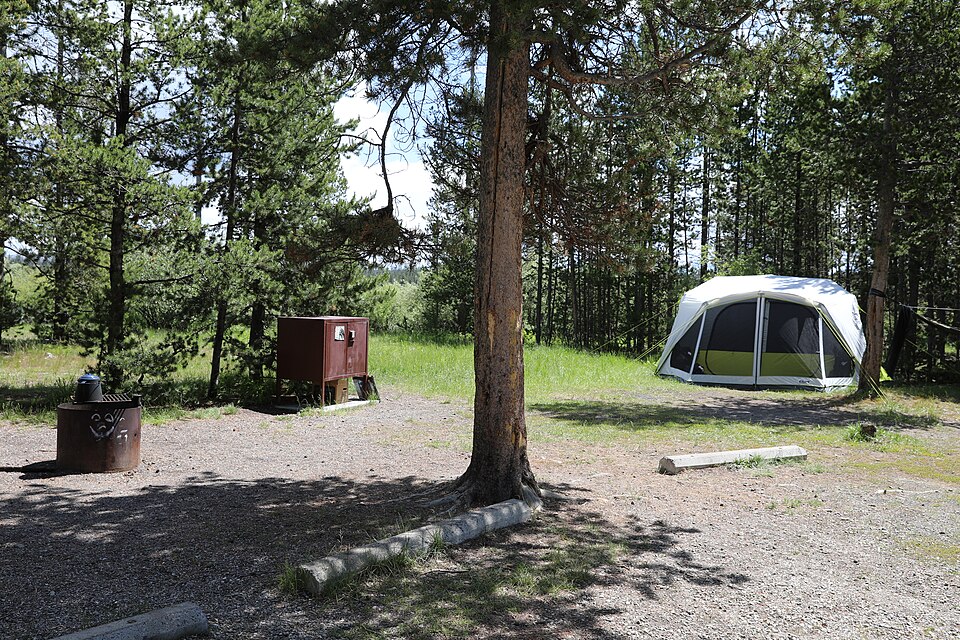
Navigating Hoosier National Forest requires a reliable vehicle, as public transportation does not service the trailheads or recreation areas. While many main roads are well-paved, some of the access roads to remote campgrounds and trailheads can be gravel and may become difficult to navigate after heavy rain. It is always a good idea to have a physical map or an offline digital map, as cell service can be spotty once you dip into the deep ravines or enter the more remote wilderness sections.
Fuel up in gateway cities like Bloomington, Bedford, or French Lick before heading deep into the forest, as gas stations are sparse within the forest boundaries themselves. Also, remember that Indiana weather can change rapidly. Carrying a basic emergency kit in your car, including extra water and a first-aid kit, is a standard best practice for any outdoor road trip. Checking the official Forest Service website for any sudden road closures or weather alerts before you head out each morning will help keep your trip on track.
Packing Essentials for Southern Indiana
When packing for this itinerary, prioritize layers. Even in the summer, the early mornings near the lakes can be cool, and the humidity can make synthetic, moisture-wicking fabrics a necessity for hiking. Sturdy, waterproof hiking boots are a must, as the limestone paths can be slippery and the ravines are often damp. If you plan on exploring the rock shelters or caves, a headlamp and a light jacket are useful, as the temperature underground remains much cooler than the surface air.
Don't forget a high-quality insect repellent and a tick removal tool, especially if you are visiting between late spring and early fall. The forest is beautiful but home to many biting insects that can dampen the experience if you aren't prepared. Lastly, bring a reusable water bottle and a filtration system if you plan on extended backpacking, though developed sites will have potable water available. By coming prepared for the varied terrain and fluctuating Midwestern weather, you can focus on the stunning natural scenery and peaceful atmosphere of the forest.

More ways to book Hoosier National Forest
 Illustrative · Diego Angel
Sprinter Adventure Van
Small enough to park at the trailhead, comfy enough to sleep in.
$189/day (estimate)
Direct link · RVshare