
Hawaii Volcanoes National Park rewards travelers who look beyond the possibility of glowing lava. Crater landscapes, native forest, a walk-through lava tube, and a road descending toward the Pacific give you several ways to experience the island's volcanic story. With two or three days, you can combine a substantial hike with shorter overlooks and a coastal drive, while leaving enough flexibility for rain, closures, or changing visibility.
Explore the Summit and Hike Kilauea Iki
Begin with open summit overlooks to understand the scale of Kilauea's volcanic landscape. Views and access can change, so use current NPS guidance rather than relying on an old map or a photograph of a former viewpoint. Active lava is never a guaranteed part of the visit.
For a more substantial outing, consider the Kilauea Iki Trail when open. Its loop descends through forest and crosses a solidified lava lake before climbing back toward the rim. Expect uneven surfaces, exposure, and an uphill finish rather than an easy sidewalk stroll. Carry water and layers, wear sturdy footwear, and check current trail conditions before committing to the full walk.
Walk Through Nahuku and Drive Chain of Craters Road
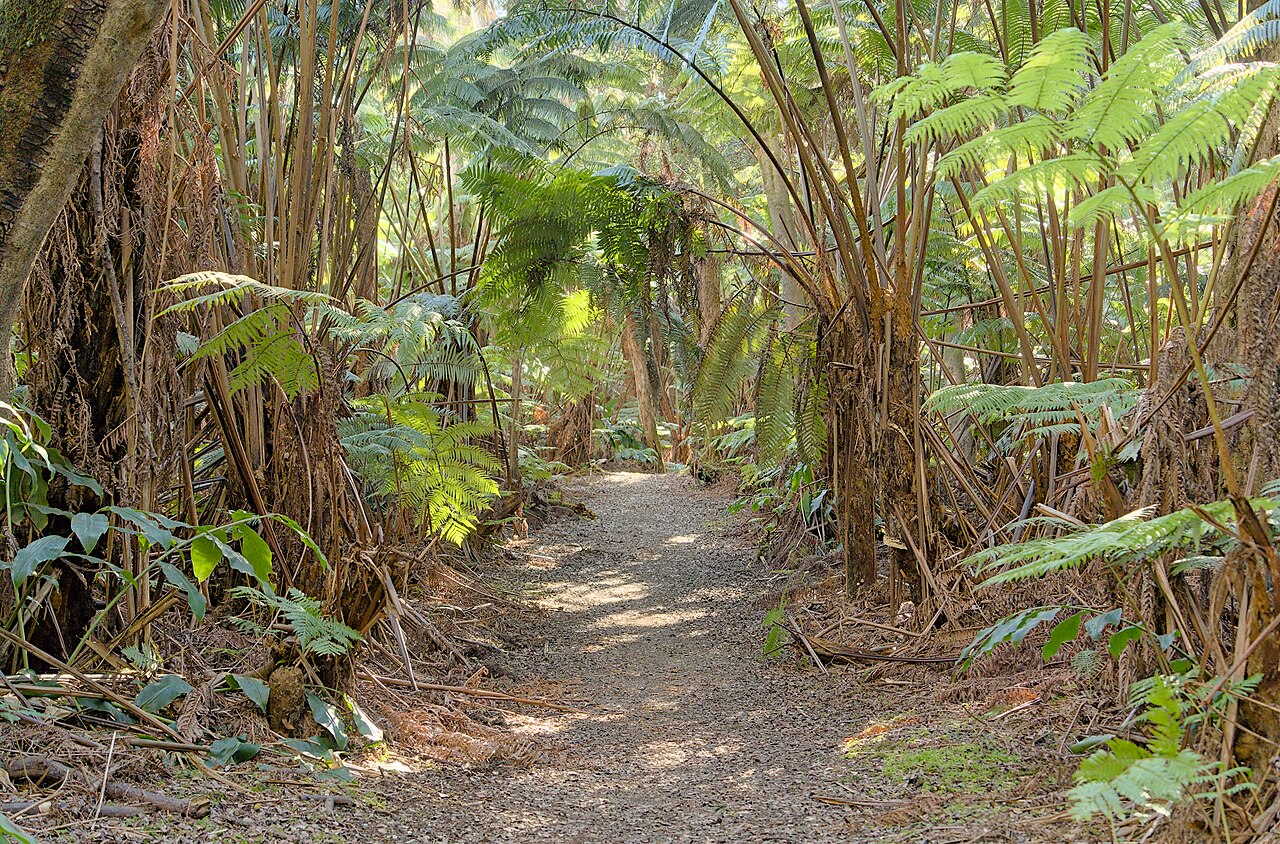
Nahuku, also known as Thurston Lava Tube, offers a memorable introduction to how lava can leave behind underground passages. The approach runs through forest, and the walking surfaces can be wet. Check current access information, watch your footing, and bring a flashlight rather than depending entirely on your phone.
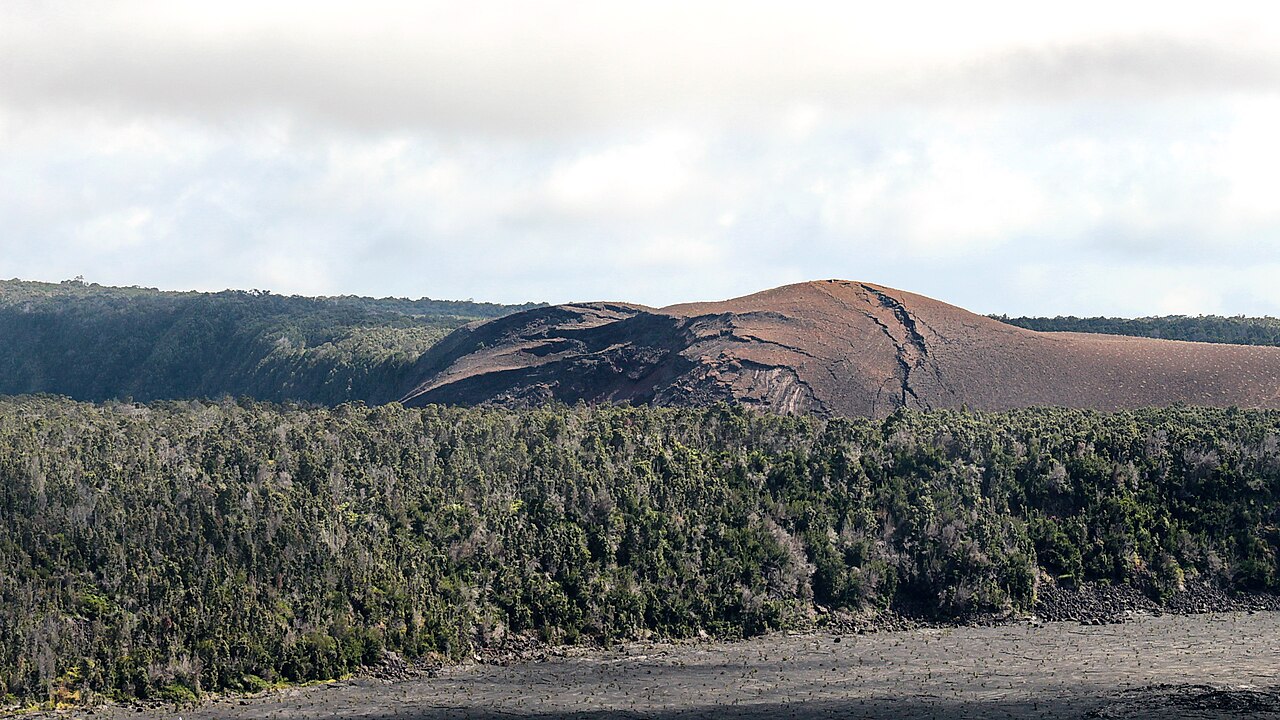
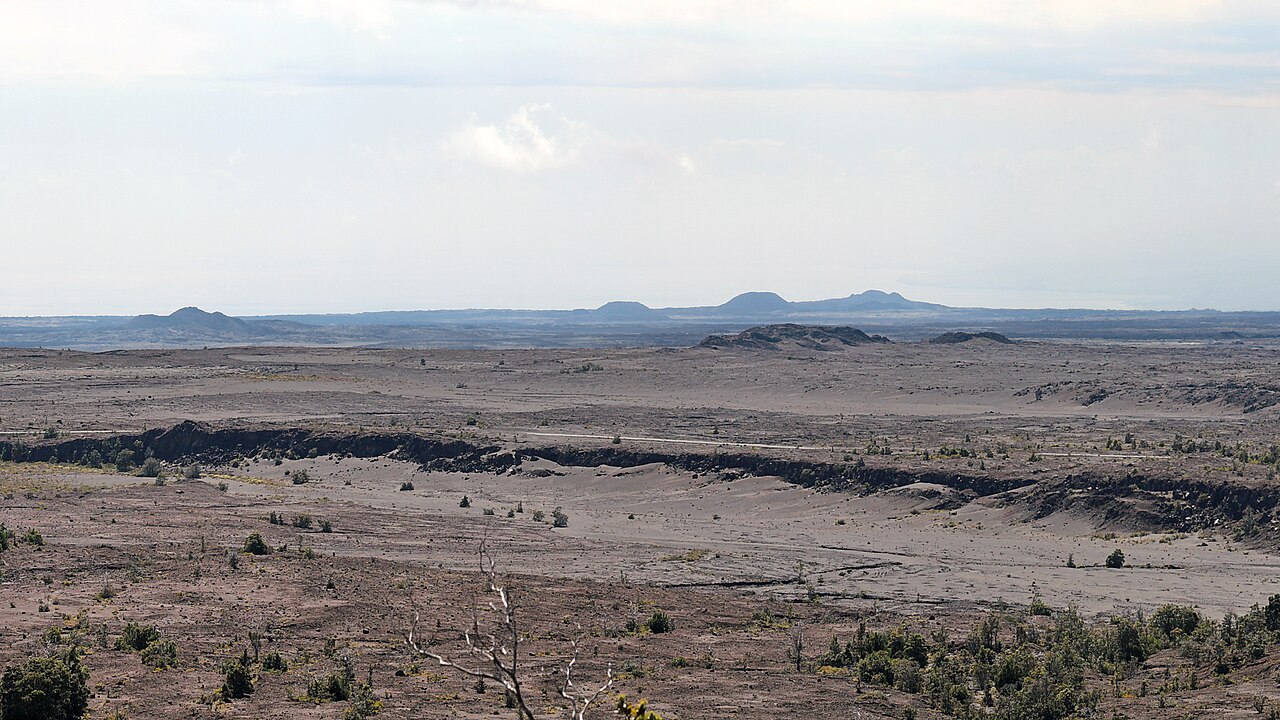
Chain of Craters Road provides a different perspective, descending from the summit region through lava landscapes toward the coast. Allow several hours for overlooks, short walks, and the return drive. It is an out-and-back excursion, not a coastal shortcut to another island town. Pack food, water, and sun protection before leaving the summit area.
Look for Native Wildlife and See the Volcanic Coast
The park's forests and open volcanic terrain support native wildlife, including the nene, Hawaii's state bird. Wildlife sightings are not guaranteed, but moving quietly and pausing along established trails can make small details easier to notice. Give birds plenty of room, never feed them, and watch carefully for wildlife near roads and parking areas.
At the lower end of Chain of Craters Road, the Pacific meets a rugged lava shoreline. Treat this as a place for designated viewpoints and coastal scenery, not a swimming stop. Stay back from cliff edges and respect barriers. Ocean access, unstable terrain, and viewing-area closures require particular attention to current park guidance.
Make the Park Work for Kids
For families, a few contrasting experiences usually work better than a long checklist: a crater overlook, a forest walk, and a lava tube can make a satisfying day. Ask about the park's Junior Ranger activities through official visitor services, and let children look for differences between older forested lava and more recent bare flows.
Choose walk lengths based on your group's abilities, not just distance on a map. Lava surfaces can be sharp and uneven, and some routes involve stairs or sustained climbs. Carry snacks, water, and extra layers, and build in breaks. Keep children close around steam vents, roadside stops, and overlooks, following all posted boundaries.
Keep a Rainy-Day Plan Ready
Rain does not automatically cancel a park day, but it should change your expectations. If open, visitor facilities and exhibits offer a useful introduction to geology and Hawaiian cultural connections before you decide where to walk. Short forest outings may still be rewarding in light rain, provided trails remain open and conditions suit your group.
Avoid assuming the lava tube is a dry-weather substitute; approaches and interior surfaces may be slippery. When rain, wind, or poor visibility intensify, shorten your plans rather than forcing a crater hike. Check the official NPS website for current conditions, closures, visitor services, and any reservations needed for your planned activities.