
Glamping near Hawaii Volcanoes National Park is less about a single standard accommodation and more about choosing the right balance of nature and comfort. Depending on available listings, you might compare furnished tents, simple cabins, or small off-grid stays outside the park. Focus first on location, weather protection, and bathroom arrangements, then use the details of each property to decide whether it suits cool, sometimes rainy nights near the summit.
What Glamping Can Look Like Near the Park
The word glamping can describe very different setups, from a furnished tent with shared facilities to a cabin with an indoor bathroom. Do not assume it includes heating, electricity, reliable Wi-Fi, a kitchen, or fully enclosed sleeping space. Near the park's higher-elevation gateway areas, those details can matter more than decorative touches.
Before booking, ask about weatherproofing, bedding, screens, bathroom access, drinking water, and parking. Check whether the accommodation is legally operated and whether its access road suits your rental vehicle. Photographs alone may not reveal damp conditions or a long walk to shared facilities. Read recent descriptions carefully and confirm anything essential directly with the host.
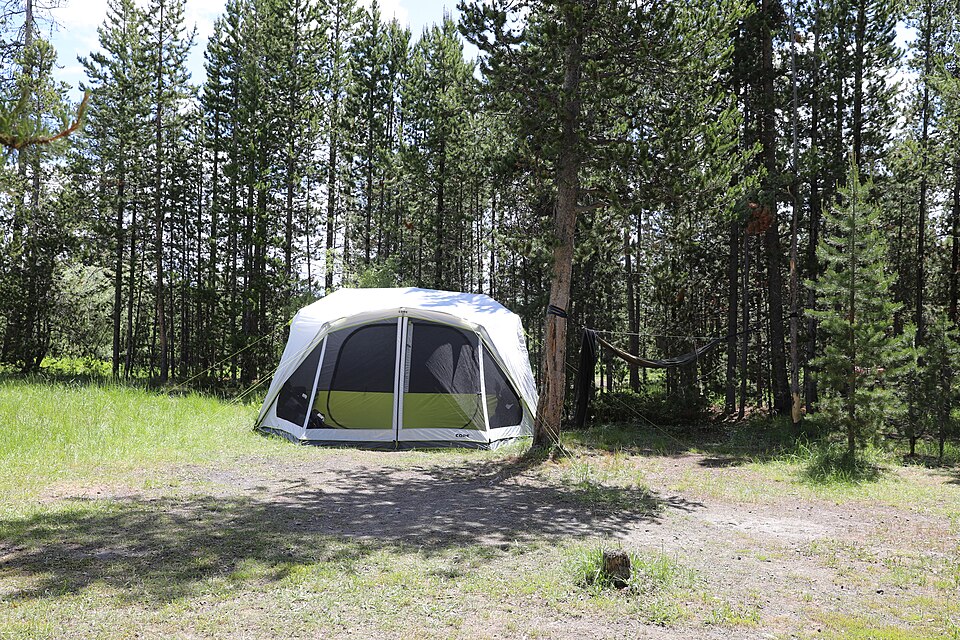
Where to sleep
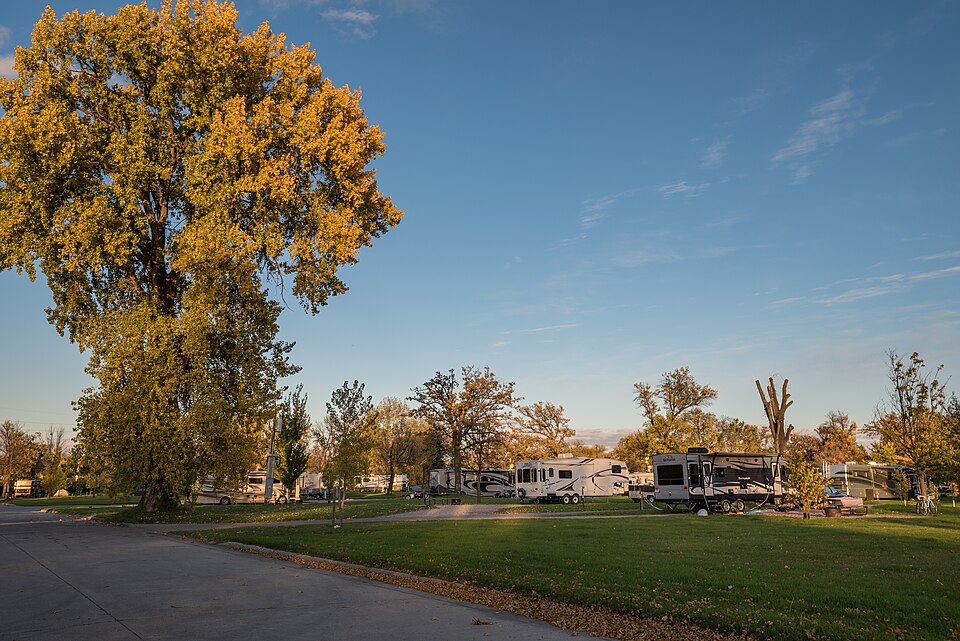
RV parks near Hawaii Volcanoes National Park on RoverPass
Partner link · RoverPass
Choose Between Volcano Village, Hilo, and Kona
Start your search around Volcano Village if short drives to the park are your priority. This higher-elevation area offers a forest setting and cooler conditions than the coast, making covered outdoor space and warm bedding valuable. Verify the actual address rather than relying on a listing's broad reference to the volcano region.
Hilo and nearby east-side areas put you closer to airport logistics and town services, but farther from repeated summit visits. Kailua-Kona and the surrounding west-side coast may suit a broader island vacation, though they add substantial driving for park-focused days. Compare total travel time as carefully as nightly cost, especially if you want early hikes or flexible evening plans.
Pick a Season and Book Around Your Priorities
Glamping is possible as a year-round trip style here, but the accommodation must match the conditions. Summer is generally relatively drier, while winter often brings more rain. In any season, the summit region can feel cool after sunset, and an open-sided setup may be less comfortable than its tropical photographs suggest.
Spring and fall outside major holidays can provide more flexibility, though availability varies by property. Book once your dates are firm if you need a private bathroom, family sleeping space, or a particular location. Compare the full estimated stay cost, including cleaning charges and taxes, and review cancellation policies before committing to a weather-sensitive outdoor accommodation.
Where to sleep
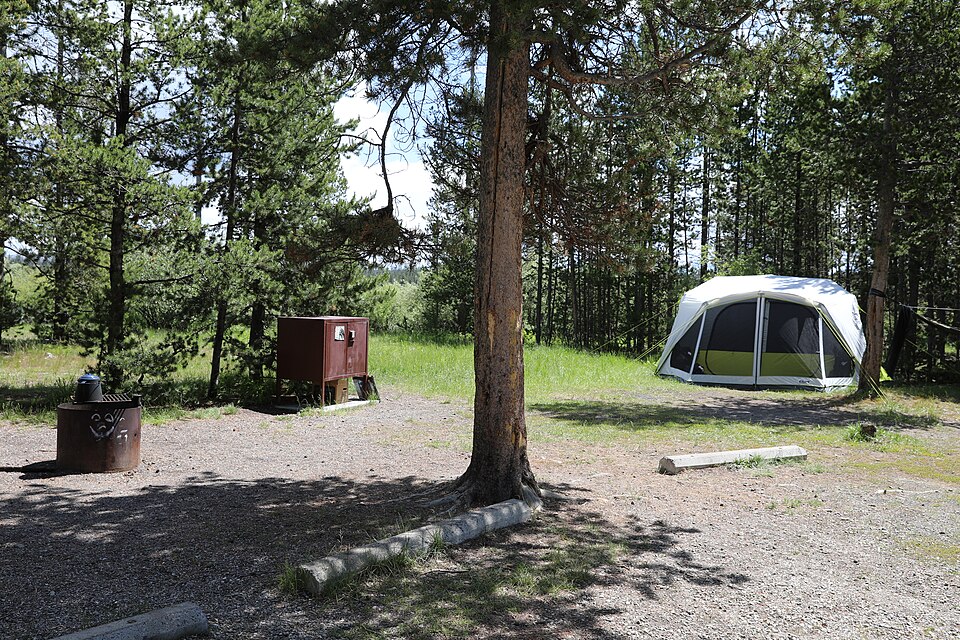
Harvest Hosts stays on the way to Hawaii Volcanoes National Park
Partner link · Harvest Hosts
Pack for Damp Forest and Exposed Lava
Bring a rain shell, warm midlayer, long pants, and sturdy walking shoes. Spare socks and a dry change of clothes help when trail time overlaps with showers. Add a headlamp, reusable water bottles, sun protection, insect repellent, and a small daypack for hikes. Download directions and park maps before leaving dependable service.
For the stay itself, confirm what is supplied before packing bulky items. Bedding, towels, cooking equipment, refrigeration, and charging outlets should not be assumed. Follow host and local rules about food storage, trash, cooking, and fire restrictions. Use fuel-burning equipment only in approved locations and never inside enclosed sleeping spaces. Keep valuables protected from moisture.
Glamping vs. Tent Camping vs. an RV
Glamping reduces the amount of sleeping equipment you need to bring, but amenities and costs vary widely. Tent camping usually offers a simpler setup and may lower lodging expenses, though you will need suitable gear and must follow campground rules. RV or campervan travel combines transportation and sleeping space, but it does not allow overnight parking wherever you choose.
Compare rough total trip costs rather than accommodation alone: vehicle rental, fuel, bedding, cooking supplies, and campsite charges all matter. Confirm legal overnight locations and any vehicle-size or facility limits before renting. Check the official park/NPS website for current conditions, campground information, and reservations; private stays have separate booking terms and do not include park access.