
Hawaii Volcanoes National Park works as a year-round destination, but your experience depends on elevation, rainfall, holiday crowds, and changing volcanic conditions. Spring and fall can offer a quieter visit outside school breaks, while summer and winter each bring their own advantages. Plan two or three days if possible, bring layers for the cool summit, and treat any chance of seeing active lava as a bonus rather than a promise.
Spring: Flexible Hiking Days Between Holiday Peaks
Spring is a practical choice if you want hiking time without building your trip around the busiest summer vacation period. Rain remains possible, especially around the summit and Volcano Village, so expect a mix of damp forest, passing clouds, and occasional clear views. Spring break can still bring busy parking areas and more competition for nearby lodging.
Start with accessible overlooks while visibility is good, then choose a longer walk if conditions cooperate. Pack a rain shell and a warm layer rather than assuming Hawaii means beach weather everywhere. For quieter days, look beyond school breaks and give yourself more than one opportunity to explore the summit.
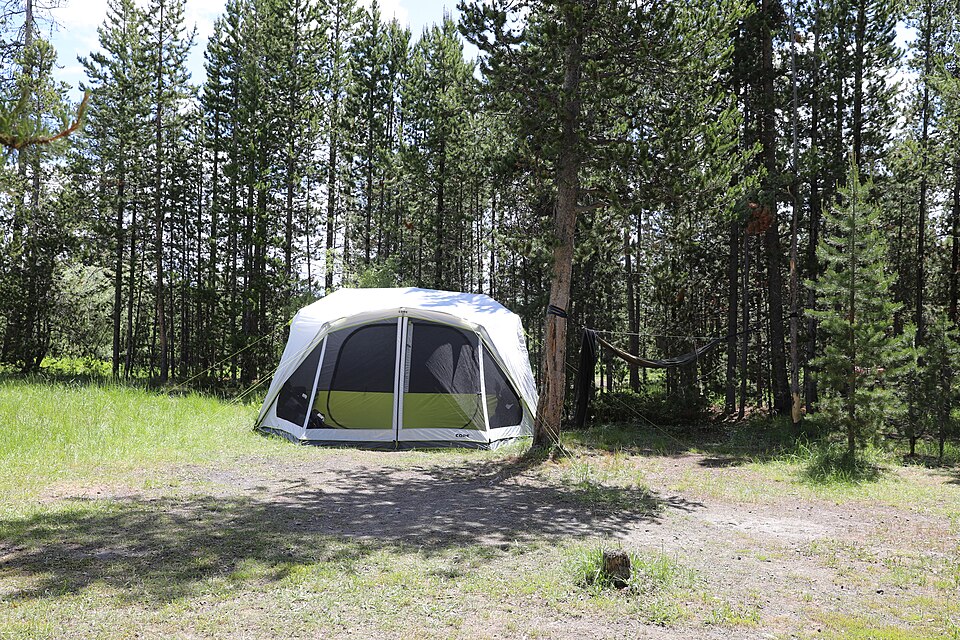
Lock in a stay for this season
RV parks near Hawaii Volcanoes National Park on RoverPass
Partner link · RoverPass
Summer: Popular Travel Season, Not Guaranteed Sunshine
Summer often brings a relatively drier pattern, but the park's rainforest and summit can still be wet, breezy, or cool. Exposed lava terrain may feel hot under direct sun, especially along lower-elevation sections of Chain of Craters Road. Shade can be limited, making drinking water, sun protection, and an early hiking start useful.
Family travel increases during school vacations, so reserve lodging once your dates are firm. Visit popular trailheads earlier in the day when practical, while recognizing that parking availability varies. Build a schedule that alternates exposed walks with scenic stops, and do not assume a clear forecast in Hilo describes conditions throughout the park.
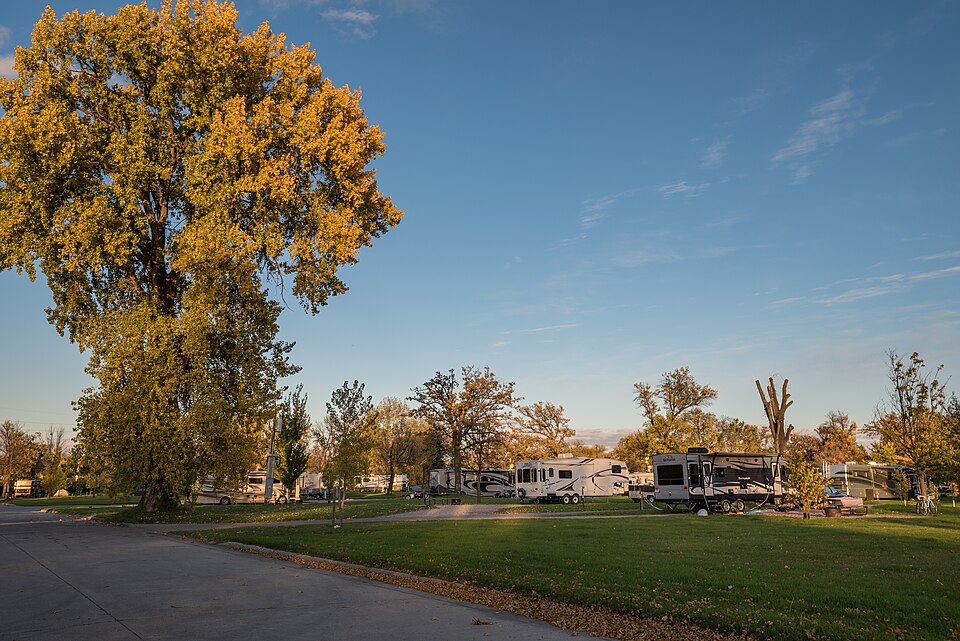
Lock in a stay for this season
Campsites near Hawaii Volcanoes National Park on Campspot
Partner link · Campspot
Fall: A Good Window for a Less Rushed Visit
Fall can be a comfortable planning window for travelers with flexible dates. After the main summer vacation period, some weeks feel less crowded, though holiday weekends and volcanic activity can quickly change visitation patterns. Early fall may retain relatively dry conditions, while wetter weather becomes more likely as the season progresses.
This is a good time to base yourself near Volcano Village and spread hiking and driving across several days. Keep one morning open for a weather-dependent crater walk rather than assigning every stop a fixed hour. Tropical weather can affect Hawaii in summer and fall, so review forecasts and official park alerts before setting out.
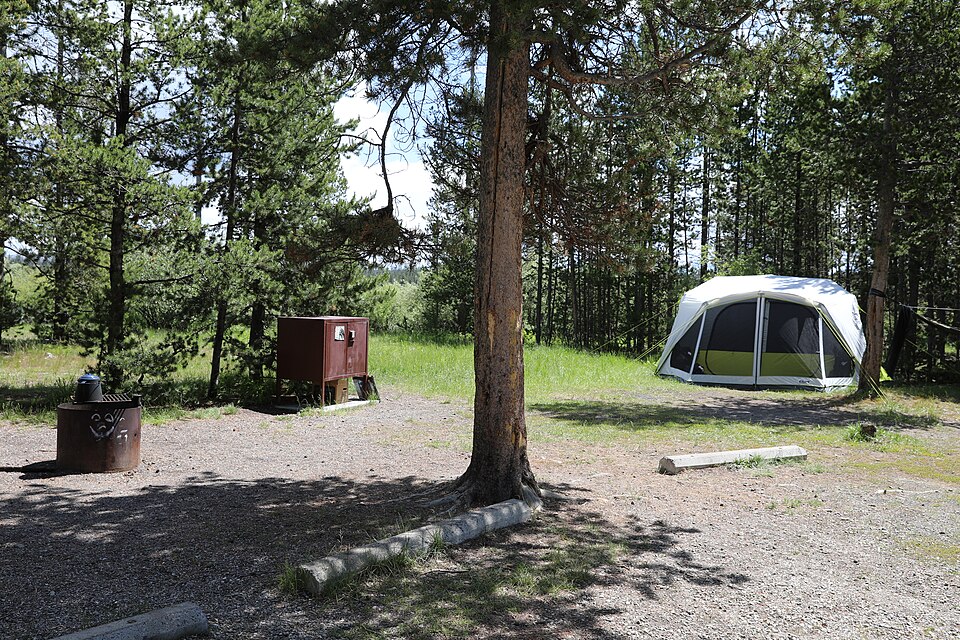
Lock in a stay for this season
Harvest Hosts stays on the way to Hawaii Volcanoes National Park
Partner link · Harvest Hosts
Winter: Lush Forest, Cooler Summits, and Holiday Demand
Winter generally brings wetter conditions, which help make the park's forest landscapes especially lush. At summit elevations, rain and wind can make mornings and evenings feel surprisingly chilly. Clouds may obscure crater views temporarily, so patience and a flexible sequence of stops matter more than chasing a single perfect forecast.
Winter is not automatically a quiet or inexpensive season. Major holidays and popular Hawaii vacation periods can create strong demand for lodging and rental cars. Bring waterproof outerwear, shoes with reliable traction, and dry clothing for the ride back. Choose shorter walks when visibility is poor, and never step beyond closures to improve a photograph.
Crowds, Reservations, and When to Commit
Book flights, a rental car, and lodging as soon as your travel dates are settled, particularly for holidays and school vacations. If you need a specific campsite or lodging setup, check its official reservation rules early; booking windows and availability vary. Staying near Volcano Village reduces the driving needed for repeated park visits.
Volcanic activity can draw crowds outside normal peak periods, and eruptions cannot be scheduled or guaranteed. Keep cancellation terms in mind when comparing stays, and leave room to rearrange your days. Check the official NPS website before booking and again shortly before arrival for current conditions, closures, entrance information, and campground or backcountry reservation requirements.
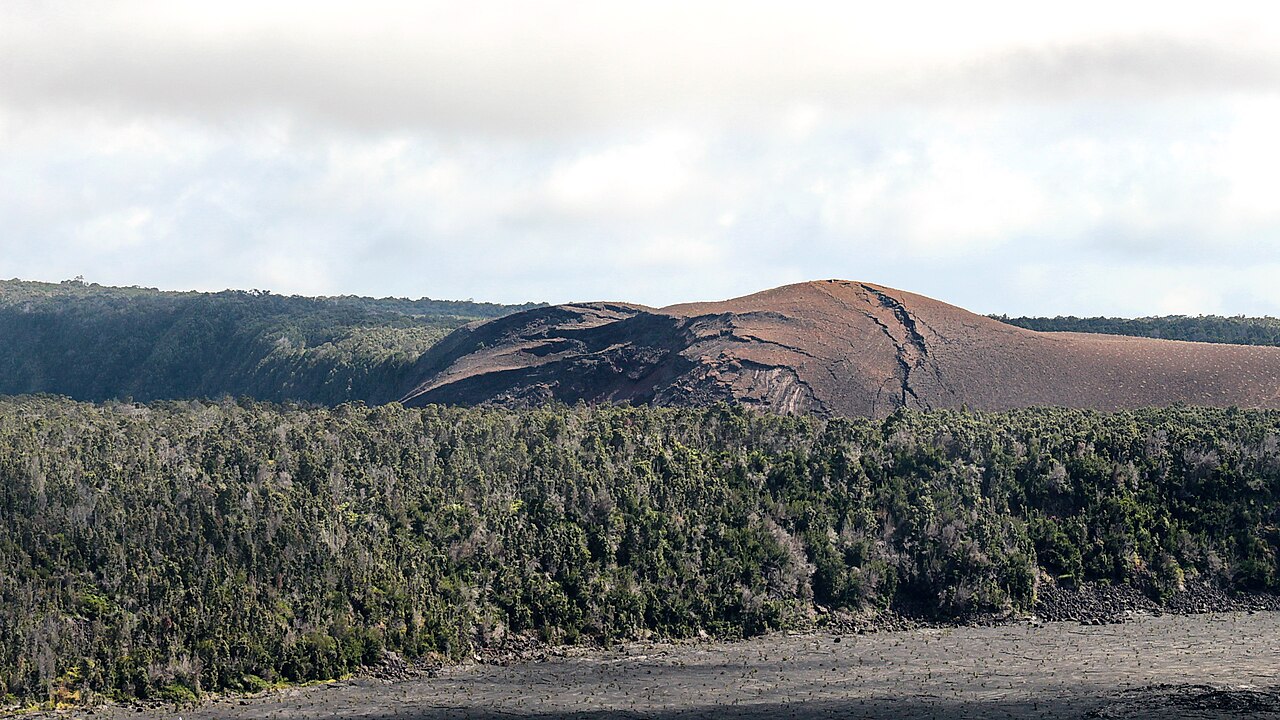
More ways to book Hawaii Volcanoes National Park
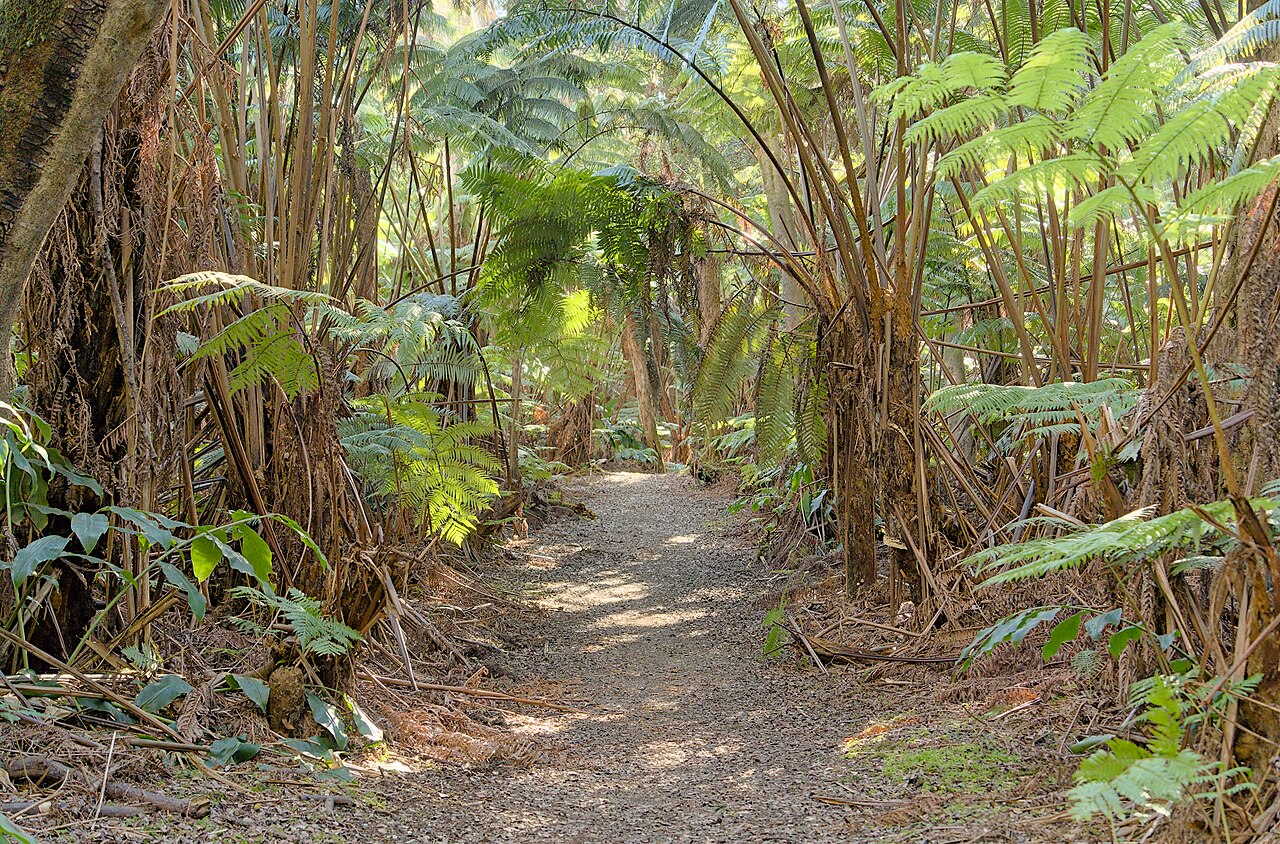
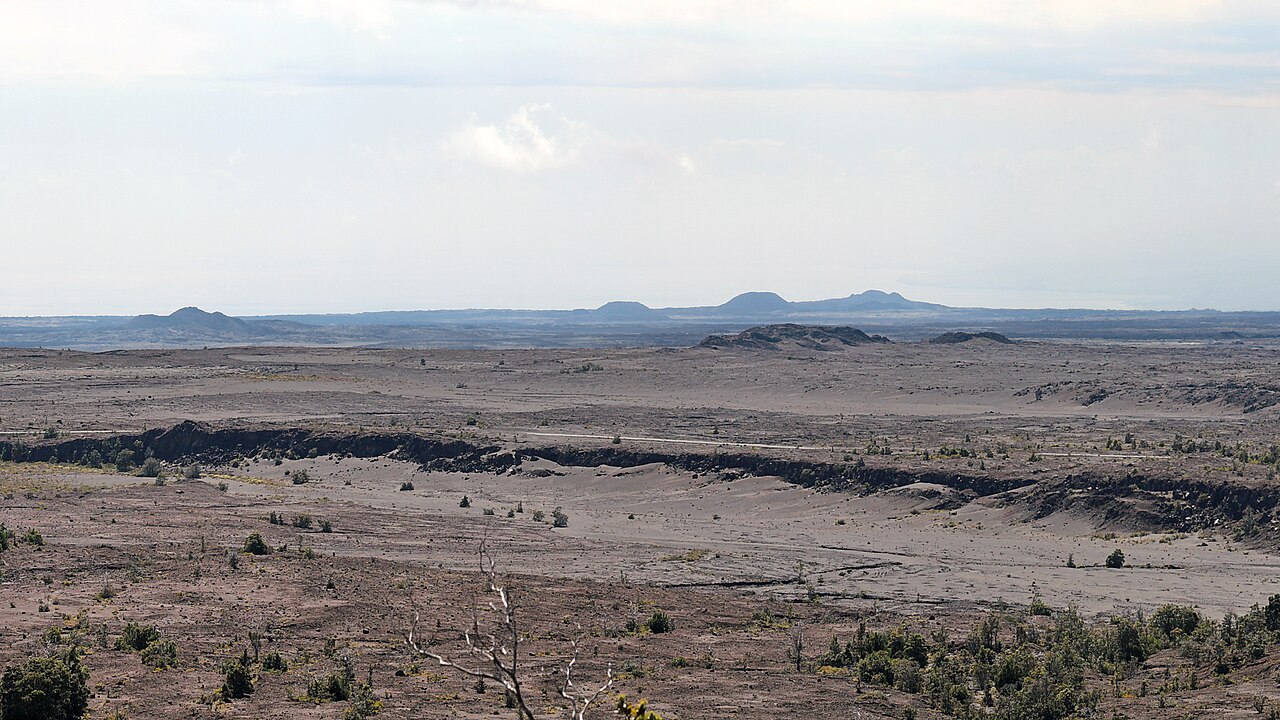 Illustrative · Robert Linsdell from St. Andrews, Canada
Kilauea Iki Trail
One of the classic ways to experience Hawaii Volcanoes.
Varies (estimate)
Partner link · Viator