
Hana rewards travelers who slow down enough to spend time in the places they pass. Its appeal is not just the famous road: black-sand coastline, tropical gardens, small-town stops, and the Kīpahulu side of Haleakalā National Park can fill several days. Choose a few experiences each day, respect private land and local access, and keep your hiking and beach plans flexible when East Maui's weather changes.
Explore Waiʻānapanapa's Black-Sand Coast
Waiʻānapanapa State Park is one of Hana's defining coastal stops, with black sand, dark lava rock, and green vegetation framing the ocean. Give yourself time to look beyond the beach: the coastal scenery and designated walking routes are a major part of the experience. Wear shoes that handle uneven rock, and stay on established routes rather than stepping toward cliff edges for photographs.
Nonresident visitors generally need reservations for park entry and parking. Check the official Hawaii State Parks website for current requirements, available time slots, and closures before driving out. Treat the shoreline primarily as a scenic destination unless conditions and posted guidance support your intended activity. Waves and currents can make swimming inappropriate, and wet lava rock is slippery. For a relaxed visit, bring water, sun protection, and a small snack, then leave enough time to exit within your reserved window.
Walk the Trails in Haleakalā's Kīpahulu District
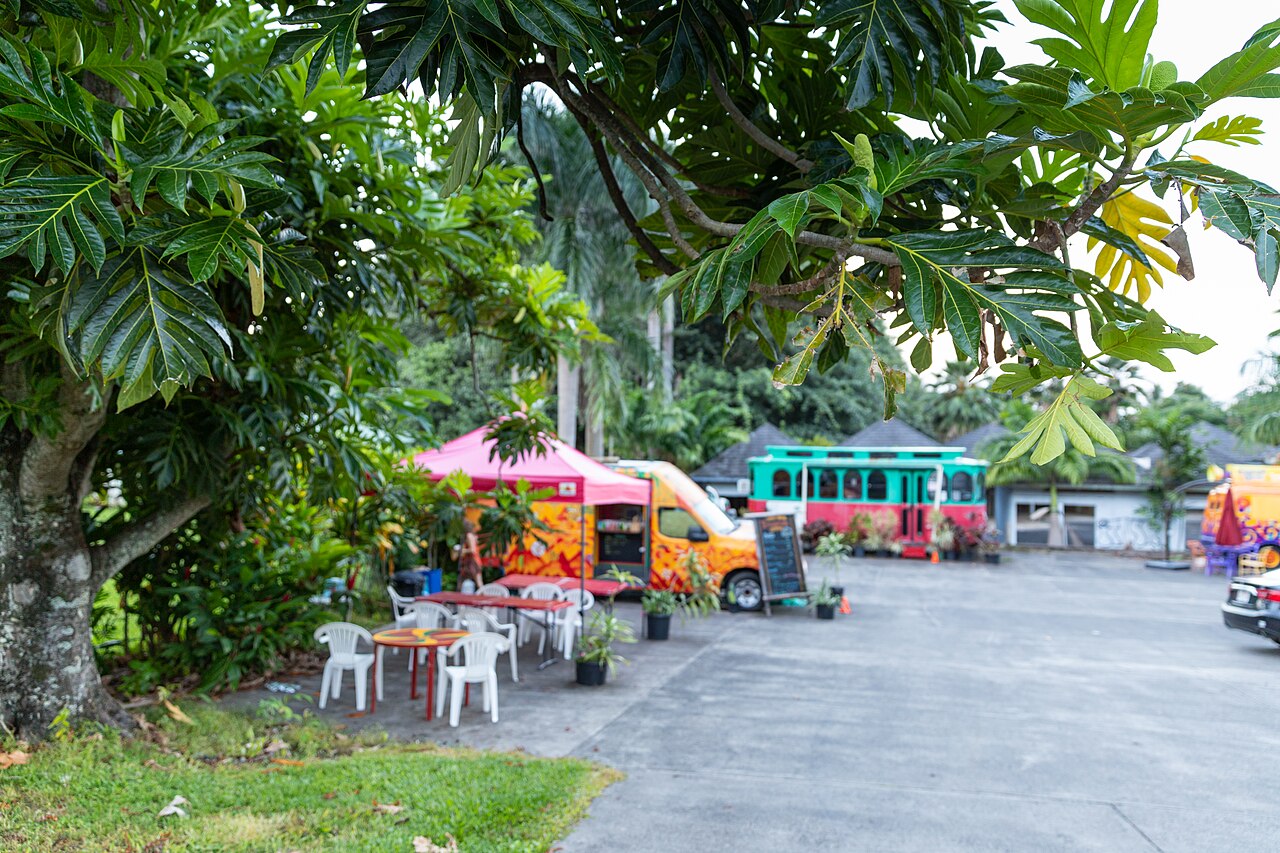
South of Hana, the Kīpahulu District of Haleakalā National Park offers a different perspective on East Maui, with forest trails and a rugged coastal setting. The Pīpīwai Trail is the area's signature longer walk, about four miles round trip, passing through bamboo forest toward views of Waimoku Falls. It includes climbing, steps, and surfaces that can become muddy or slick.
The shorter Kūloa Point Trail offers a less demanding way to experience the district's coastal landscape, though conditions and closures still matter. Check the official NPS website before setting out, and allow additional time for the winding drive from Hana. Do not build your visit around swimming in the Pools of ʻOheʻo; access restrictions apply, and closures may change. Carry drinking water and food, heed all barriers, and keep away from waterfall bases and closed stream areas rather than following other visitors.
Make the Road to Hana Part of the Visit
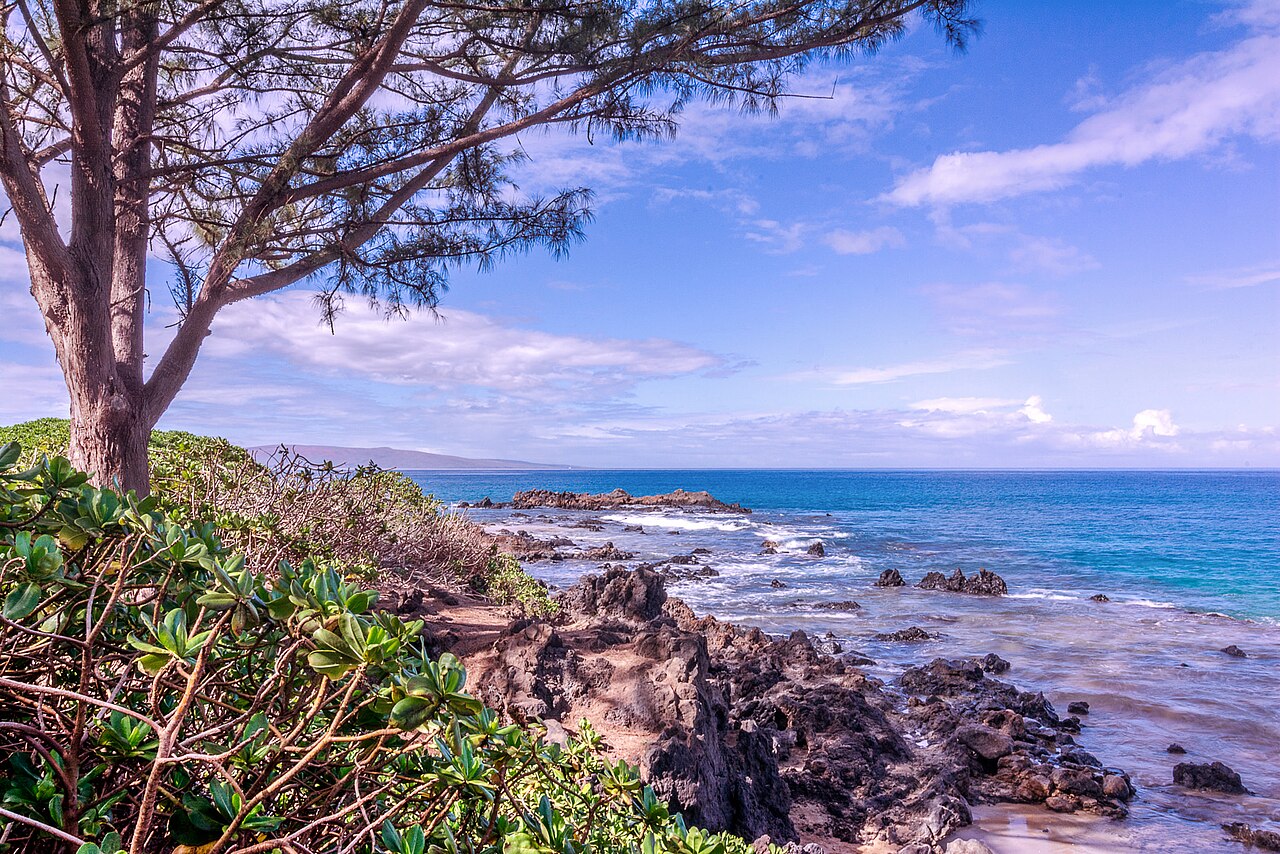
The Hana Highway is an experience in itself, with narrow bridges, rainforest slopes, and frequent curves. Enjoying it does not require stopping at every waterfall or following a crowded checklist. Select a few established stops with legitimate parking, and let the rest of the scenery unfold from the passenger seat while the driver concentrates on the road.
On the approach from central Maui, Pāʻia is a useful place to organize supplies before continuing east. Farther along, public waysides and established gardens can provide breaks, subject to current access and operating arrangements. Never stop in a travel lane, block a driveway, or enter private land to reach a viewpoint. Allow local traffic to pass where it is legal and practical. For changing road conditions, consult official Maui or Hawaii transportation updates, and do not assume the southern route beyond Kīpahulu is an easy return loop.

Enjoy Hana with Kids: Short Stops and Shoreline Views
Families often do better in Hana with one main outing and one easy stop per day. Hana Bay offers shoreline views and a chance to stretch your legs close to town without committing to a long hike. Use posted information and current conditions to decide whether any water activity belongs in your plans; a sheltered-looking bay is not a promise of gentle water.
At Waiʻānapanapa, children can compare black sand with the lava formations along designated routes, while adults keep them away from cliff edges and breaking waves. Pack snacks before leaving town, since food options are scattered and schedules can change. A garden visit can add an easygoing look at tropical plants, provided you confirm access and admission beforehand. For younger children, skip the pressure to finish a long trail and focus on manageable walks, frequent breaks, and a daylight return.
Rainy-Day Options and Wildlife Watching
Light showers can still leave room for a short garden walk or coastal overlook, but heavy rain calls for a different plan. Stay close to town, linger over a meal, or check whether the Hāna Cultural Center and Museum is open during your visit. Confirm current visitor access directly rather than assuming daily hours, and be ready for a quiet afternoon at your accommodation.
From legal shore viewpoints, watch for seabirds and, when visible, marine life offshore without approaching or feeding wildlife. If you encounter a sea turtle or Hawaiian monk seal resting on a beach, give it ample space and follow posted viewing guidance. Never enter the water to pursue an animal. During sustained rain, avoid streams and waterfall outings, check official park and road alerts, and remember that flooding upstream can affect a location before rain becomes heavy where you are.