
Hana glamping is better approached as a search for a comfortable, nature-focused stay than as a promise of luxury safari tents. East Maui has limited lodging, and the most practical options may include rustic park cabins or legally operated rentals with outdoor space. For a three- to five-day trip, prioritize a verified location, clear facilities, and the reservations you need over photographs that leave essential details unanswered.
What Glamping Looks Like Around Hana
Around Hana, the line between glamping and a simple cabin stay can be blurry. Waiʻānapanapa State Park has cabins and camping facilities, but its cabins should be understood as practical park accommodations rather than full-service luxury lodging. Check the official Hawaii State Parks listing for current amenities, occupancy limits, accessibility details, and what bedding or kitchen supplies you need to bring.
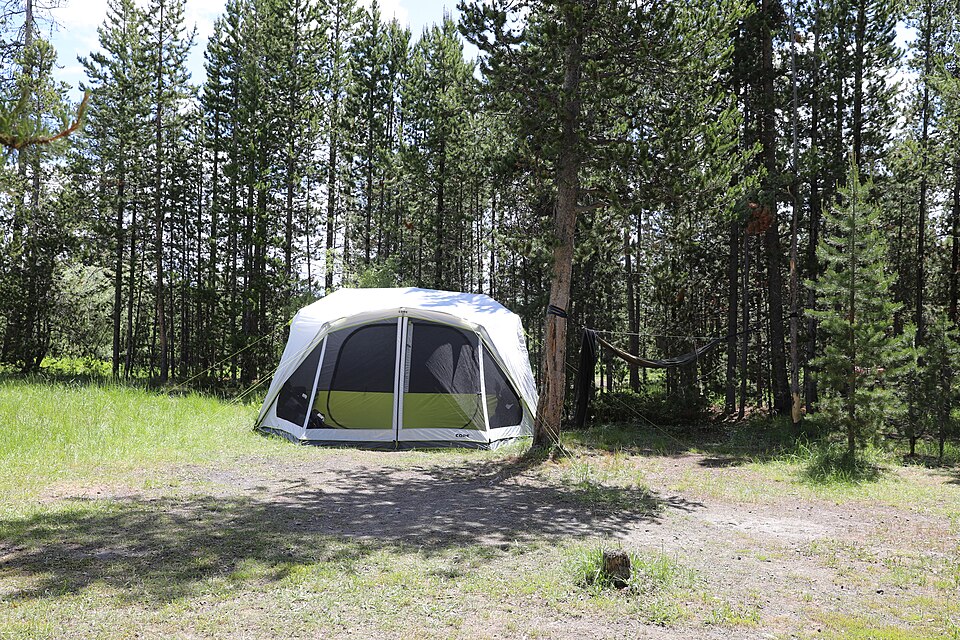
Private listings may use the word glamping for very different setups, from furnished tents to small structures on rural properties. Before booking, verify that the accommodation is legally offered and that overnight use is allowed at that specific site. Ask about the actual sleeping structure, bathroom location, potable water, ventilation, electricity, and rain protection. A sheltered porch or attractive garden is a bonus, but it does not replace a clear answer about where you shower or how you store food.
Where to Base Yourself: Hana, Kīpahulu, or the North Shore
Staying in or near Hana puts you close to town services and within reach of Waiʻānapanapa without repeating the entire highway drive each day. This is the most convenient general base if your priority is exploring the eastern coastline over several days. Confirm the property's actual map location, since a listing described as near Hana may still involve substantial winding-road travel.
Kīpahulu, farther along the coast, suits travelers focused on the national park district and a more remote setting. Its campground is camping rather than glamping; consult the official NPS site for current access, reservations, and facilities. Pāʻia and Haʻikū offer north-shore alternatives for a rural or outdoor-oriented stay before or after Hana, but they are not close substitutes for sleeping in Hana itself. Using them as a daily base for East Maui outings means repeatedly committing to the winding highway.
Choosing a Season for Outdoor-Focused Lodging
Hana's windward climate makes rain readiness important in every month. Summer generally falls within Hawaii's drier season and brings longer daylight, but showers, humidity, and muddy ground can still affect a tent-based stay. Winter is generally wetter, making covered cooking areas, reliable roof protection, and a place to dry clothing especially valuable features.
Spring and fall can work well for a quieter trip outside major holiday windows, although weather and availability never follow a guaranteed pattern. Before reserving, ask how the site handles heavy rain and whether access involves an unpaved driveway that can be affected by weather. Pack quick-drying clothing, a light rain layer, and bags that protect electronics from moisture. Read cancellation terms carefully, particularly for exposed accommodations, and check official park and road alerts shortly before travel rather than assuming your lodging reservation means every nearby outing remains accessible.
Glamping Versus Camping Versus an RV
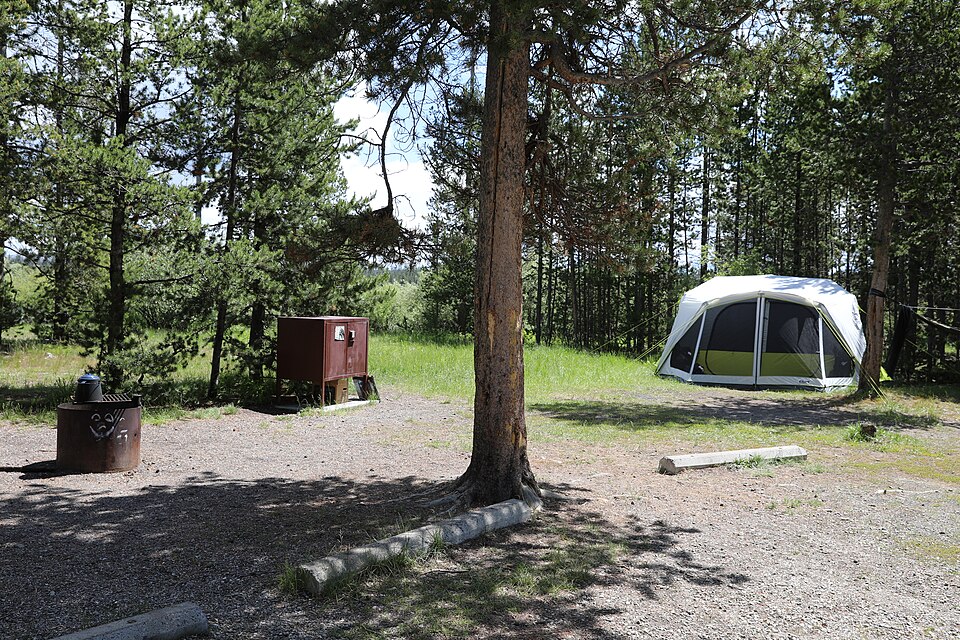
A furnished cabin or other verified glamping-style stay can reduce the amount of gear you need to carry to Maui. It may also provide better shelter for wet evenings, though comfort depends on the actual facilities. Traditional camping requires more preparation: check whether you need your own tent, sleeping equipment, cooking setup, and water, and reserve only an authorized campsite.
An RV or campervan is not automatically the easiest solution for Hana. The highway is narrow and winding, parking is limited at many attractions, and not every campground accepts vehicles for overnight sleeping. Never assume that a scenic pullout, beach parking area, or ordinary parking space permits camping. Confirm both your rental company's driving restrictions and each overnight site's vehicle rules before booking. For many visitors, a regular rental car paired with a cabin or permitted tent site makes the logistics easier to understand.
Budgeting and Booking a Stay That Fits
Treat cost comparisons as rough planning estimates rather than promises: permitted tent camping is generally the lower-cost category, while cabins and private furnished stays can cost more. Hana's limited inventory, season, occupancy, and amenities all influence the total. Compare the full booking amount, including taxes, cleaning charges, equipment rentals, and any separate park entry or parking requirements.
Reserve the overnight stay first if your dates are fixed, then coordinate sightseeing reservations around it. Use the official Hawaii State Parks website for Waiʻānapanapa cabin and camping details, and the official NPS site for Kīpahulu campground conditions and reservations. For private stays, verify authorization, written cancellation terms, bathroom arrangements, and check-in instructions. Ask about mobile service or Wi-Fi if you depend on connectivity. Bring groceries and essential supplies before heading east, and plan meals around the facilities actually provided rather than assuming every outdoor accommodation includes a kitchen.