
The best time to visit Hana depends less on chasing a perfectly dry forecast and more on choosing how you want to experience East Maui. This windward coast stays lush because rain is part of the landscape in every season. For a three- to five-day trip, allow time for changing weather, reserve the places that require advance access, and leave enough daylight to enjoy the road without rushing.
Spring: Green Scenery and Flexible Days
Spring can be a rewarding time for Hana, especially if your priorities are tropical scenery, walking, and a slower coastal road trip. Rain remains possible throughout the season, and conditions can differ noticeably between a sunny stop near town and the wetter slopes above it. Pack a light rain shell and footwear with traction rather than planning around sandals alone.
Spring break periods can bring more visitors to Maui, so do not assume every spring week will feel quiet. Outside holiday travel windows, you may have more flexibility with lodging, although Hana has a limited supply in any month. Put weather-sensitive walks early in your stay so you can move them if conditions change. For Waiʻānapanapa State Park, check the official Hawaii State Parks website for current reservation requirements, entry windows, and coastal trail updates before choosing your visit.
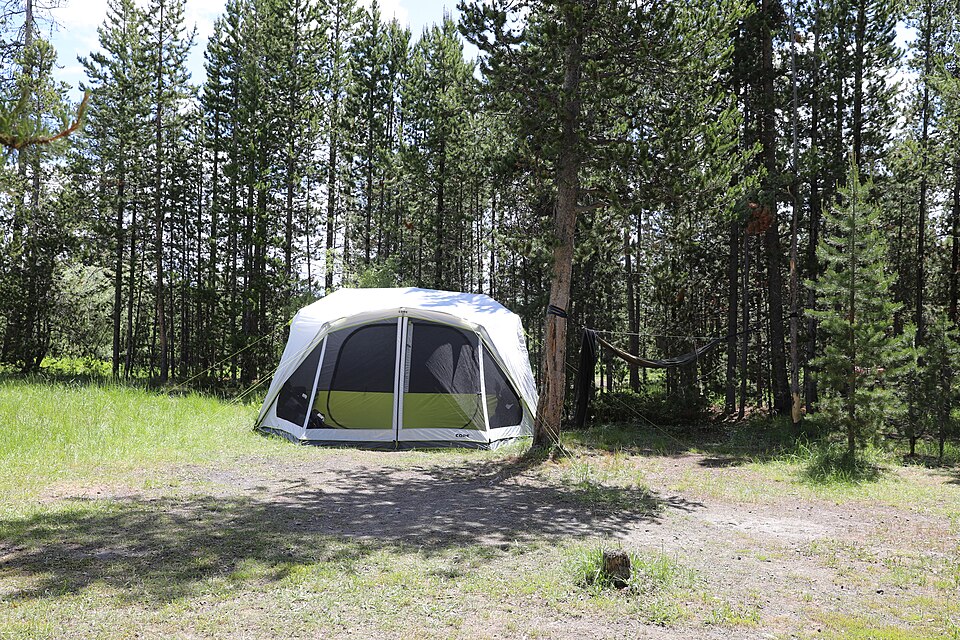
Summer: Longer Days, More Road Traffic
Summer brings longer daylight hours, which help when you are navigating the Road to Hana and making several legal, unhurried stops. It is generally part of Hawaii's drier season, but Hana's windward location still receives showers. Trails can remain muddy, and a bright morning does not rule out rain later in the day.
School vacations draw families to Maui, and popular roadside stops can feel busy. An overnight stay in Hana lets you separate the drive from your main sightseeing days instead of trying to fit everything into one long excursion. Reserve lodging ahead, and check timed-entry arrangements before building your schedule around the black-sand beach at Waiʻānapanapa. Bring sun protection and refillable water bottles, but do not treat summer ocean conditions as automatically suitable for swimming. Choose water activities based on posted warnings and conditions that day.
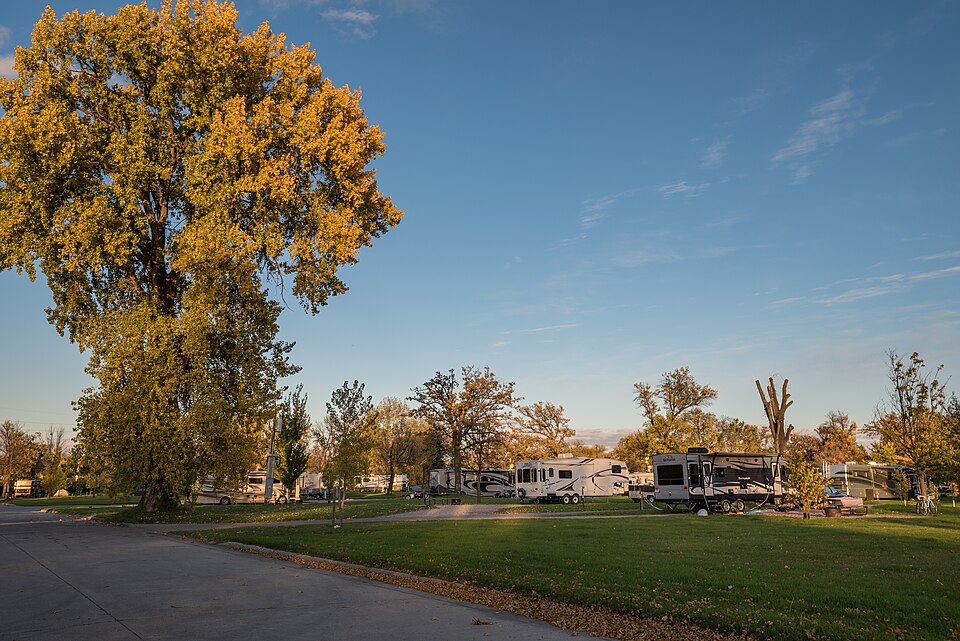
Fall: A Good Window for an Unhurried Stay
Early fall often appeals to travelers who can avoid school calendars and want a quieter rhythm after the main summer vacation period. September and October can still feel warm, with showers passing through the green coastal landscape. As the season advances, allow more room for unsettled weather rather than assuming every day will follow the same pattern.
Fall also overlaps with part of the Central Pacific hurricane season, which runs from June through November. That does not mean a storm will affect your trip, but it makes checking forecasts and understanding cancellation terms worthwhile. A three- to five-day stay gives you options if one hiking day turns wet. Keep a town-focused alternative ready, and check official road and park notices before driving farther toward Kīpahulu. Fewer visitors never eliminate the need for required park reservations or permission to enter private property.
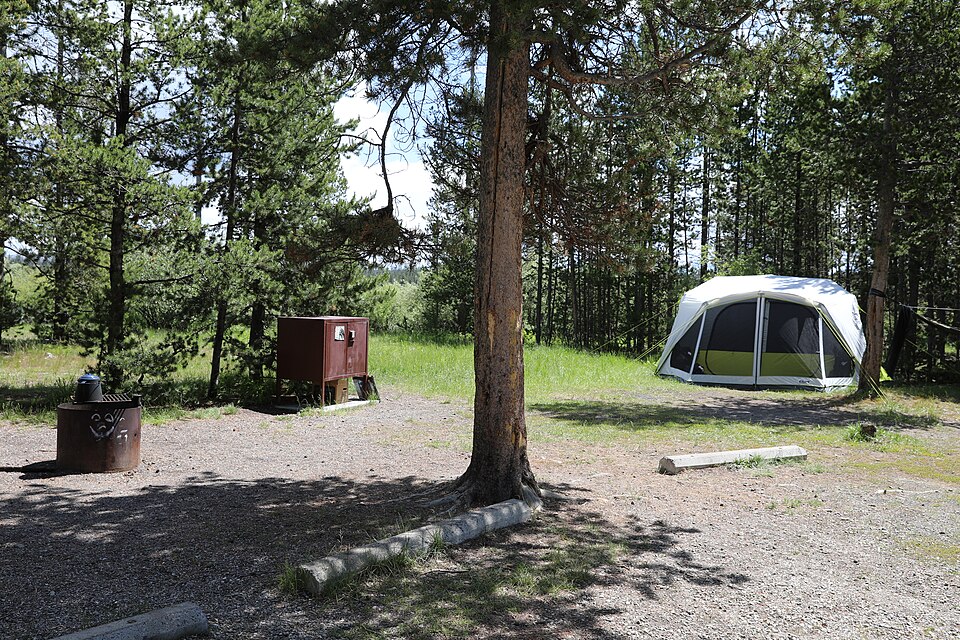
Lock in a stay for this season
Harvest Hosts stays on the way to Hana
Partner link · Harvest Hosts
Winter: Lush Landscapes and More Weather Decisions
Winter is generally the wetter part of the year in Hawaii, and Hana's streams, vegetation, and waterfalls reflect that rainfall. It can be a beautiful season for scenic overlooks and short walks between showers. It is also a season to be especially willing to change plans when heavy rain affects roads, trails, or stream crossings.
Winter surf can be powerful, and the black-sand shoreline at Waiʻānapanapa should not be treated as a guaranteed swimming stop. Enjoy the beach and coastal views according to posted guidance, keeping well back from wave-washed rocks. Holiday periods can bring strong lodging demand even during wetter months, so weather and crowds do not always move together. Shorter daylight also matters on the winding highway: plan fewer stops, start your return with ample daylight remaining, and avoid relying on a fixed driving time.

When to Reserve and How to Build a Weather Buffer
Choose your overnight base before committing to a detailed sightseeing schedule. Hana has fewer accommodations than Maui's major resort areas, so specific room types and family-sized options can disappear well before a trip. Booking several months ahead is a reasonable planning approach for holidays or limited travel dates, but availability varies and no single lead time guarantees a room.
Next, check the official Waiʻānapanapa State Park reservation system. Nonresident visitors generally need advance reservations, and the booking window and entry rules should come directly from the state website. For the Kīpahulu District of Haleakalā National Park, consult the official NPS site for alerts, trail conditions, fees, and any applicable reservations. Keep at least one movable half-day in your itinerary. Rain upstream can affect streams even when your immediate surroundings look clear, so follow closures rather than judging access by local sunshine.
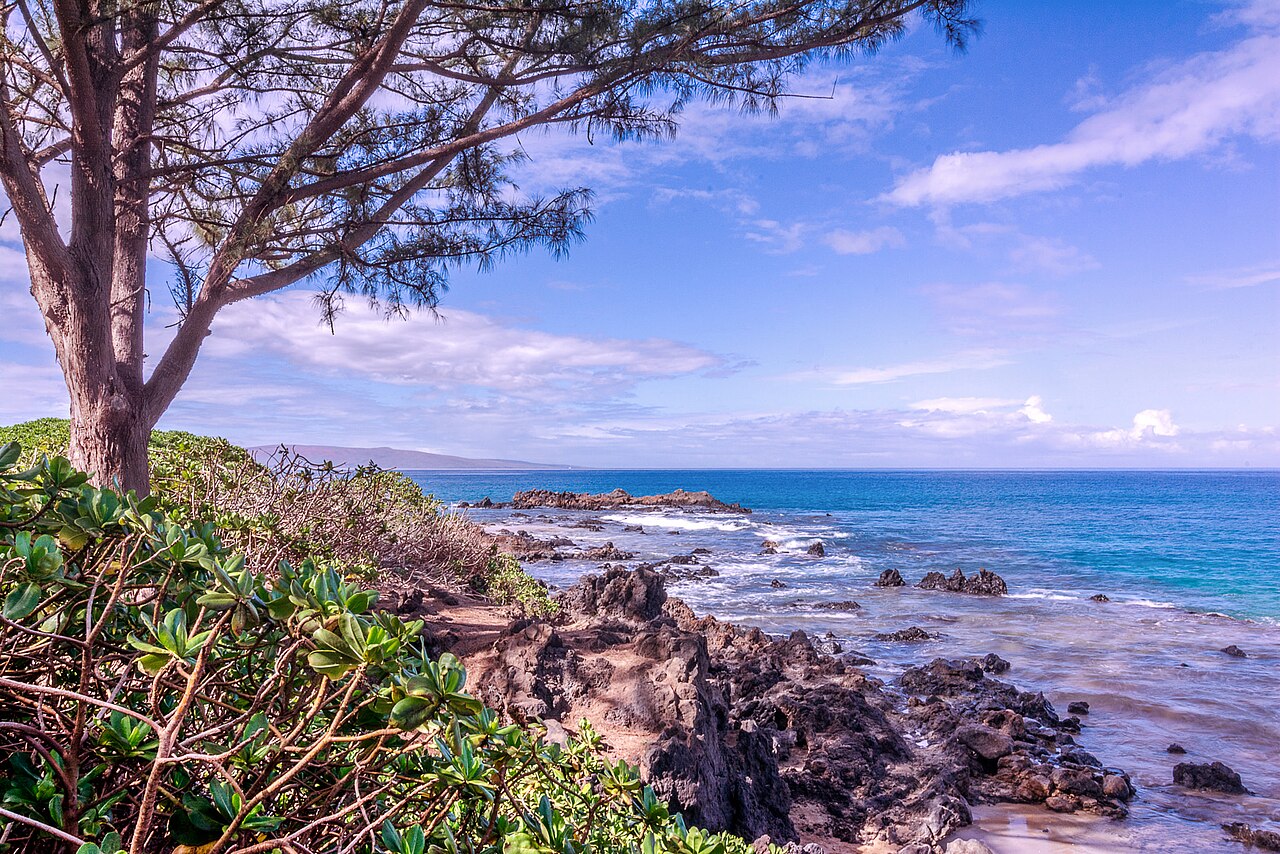
More ways to book Hana
 Illustrative · Michelle Maria
Pipiwai Trail Hike
One of the classic ways to experience Hana.
Varies (estimate)
Partner link · Viator