
Haleakala offers two very different park experiences: a high volcanic summit with sweeping views and a green coastal district near Hana. You can enjoy either area in a focused day, but seeing both comfortably takes more planning because no road connects them through the park. Choose your main experience first, then add short walks and viewpoints instead of trying to collect every highlight in one outing.
Watch the Summit Light Change
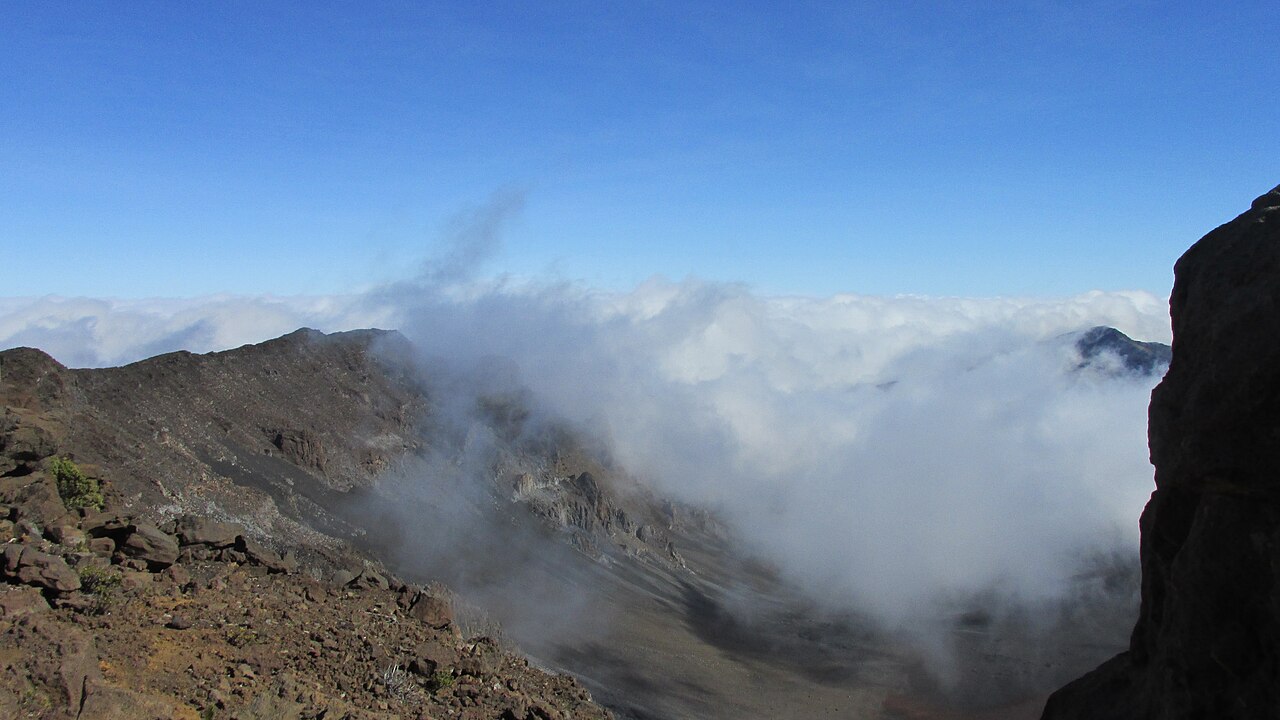
Sunrise above the clouds is the classic Haleakala experience, but a clear view is never assured. The summit rises above 10,000 feet, and the predawn combination of wind, darkness, and cold calls for warm layers and careful preparation. Check the official NPS site for the required sunrise vehicle reservation and current access conditions.
Daytime visits offer more flexibility and a better look at the volcanic terrain. Sunset is another option, though parking can be busy and the drive down happens after dark. Use established overlooks, stay behind barriers, and allow time simply to watch the light move across the landscape rather than rushing between stops.
Choose a Summit Hike That Fits Your Day
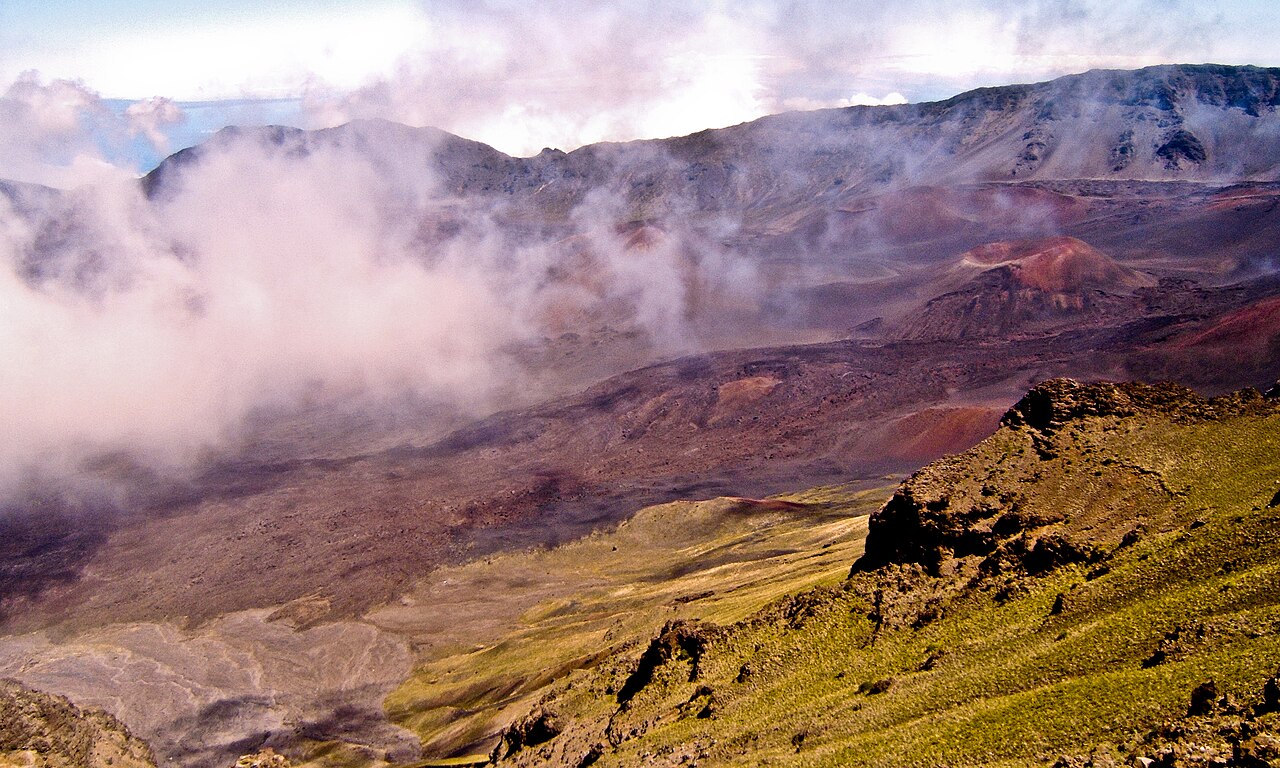
The Keoneheehee, or Sliding Sands, Trail enters the summit's stark volcanic landscape. Even a short out-and-back gives a sense of its scale, but remember that the easy-looking descent becomes an uphill return at high elevation. Pick a turnaround point based on your energy, daylight, water, and the forecast rather than how far others are going.
For a shorter outing, consider the Pa Kaoao Trail near the summit visitor center when open. The Halemauu Trail offers a different perspective but also deserves advance research. Stop at designated viewpoints along the paved summit road, never in travel lanes. Ask rangers about trail conditions before committing to a longer route.
Explore Kipahulu's Waterfalls and Coastal Scenery
The Kipahulu District lies beyond Hana along Maui's wetter eastern coast. Its Pipiwai Trail is roughly four miles round trip and passes through lush vegetation and a bamboo forest toward Waimoku Falls. Mud, slippery surfaces, and changing weather can make the walk more demanding than its distance suggests. Respect all posted closures and waterfall setbacks.
The shorter Kuloa Point Trail provides coastal scenery around the Oheo area. Do not plan your visit around swimming; water access can be restricted, and streams can rise rapidly after rain upstream. Along the way, watch for birds without feeding or approaching them. At the summit, keep an eye out for nene and distinctive silversword plants.
Make the Park Work for Kids
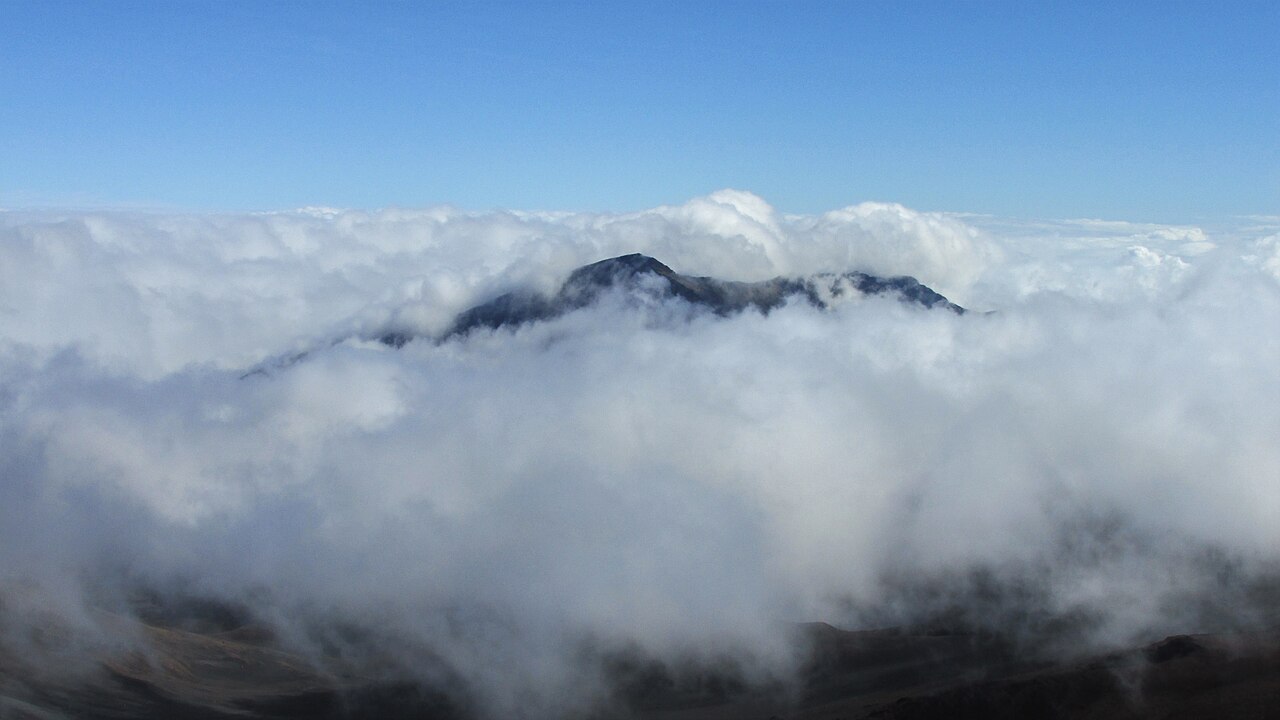
For families, a few engaging stops usually work better than a long forced march. Start with a visitor center when open, ask about the Junior Ranger program, and choose one short walk. Summit overlooks can spark conversations about volcanoes, clouds, and why the temperature feels so different from the beach.
Bring snacks, water, extra layers, and a realistic turnaround plan. Young children may find a predawn departure and long winding drive tiring, so a daytime visit can be a better fit than sunrise. At Kipahulu, choose activities around trail conditions and attention spans. Keep children close near cliffs, streams, and roadways, and avoid making waterfall swimming the promised reward.
Have a Rainy-Day Backup
Haleakala is primarily an outdoor destination, so there is no full indoor replacement for a stormy park day. Visitor center exhibits can add context when facilities are open, but driving to the summit solely for shelter is not a useful backup plan. Clouds may obscure views, and severe weather can affect roads as well as trails.
Check the official NPS site for current conditions before setting out. If conditions are unsuitable, postpone the park and spend time closer to your lodging rather than chasing clearer weather across the island. In light rain, a brief permitted walk may still be enjoyable with proper gear, but avoid streams, closed areas, and exposed outings during threatening weather.