
The best time to visit Haleakala depends on whether you want a summit sunrise, a longer hike, or time along the lush Kipahulu coast. May through September is a useful starting point for generally drier conditions, but elevation matters more than the calendar when packing. The summit can be cold and windy in any season, while the coastal district stays much warmer and receives frequent rain.
Spring: Flexible Plans and Changing Weather
Spring brings a gradual shift away from Hawaii's wetter winter pattern, although showers and clouds remain part of the experience. March can overlap with school vacations, while later spring may offer a less holiday-focused travel window. Neither clear sunrise skies nor quiet trails are guaranteed by choosing a particular month.
For a balanced visit, keep your summit outing flexible and save a separate day for Kipahulu if your schedule allows. Pack an insulating layer and wind-resistant shell for higher elevations, plus rain protection for the coast. Check the official NPS forecast and alerts before leaving your lodging; weather near the beach does not reliably describe conditions at the summit.
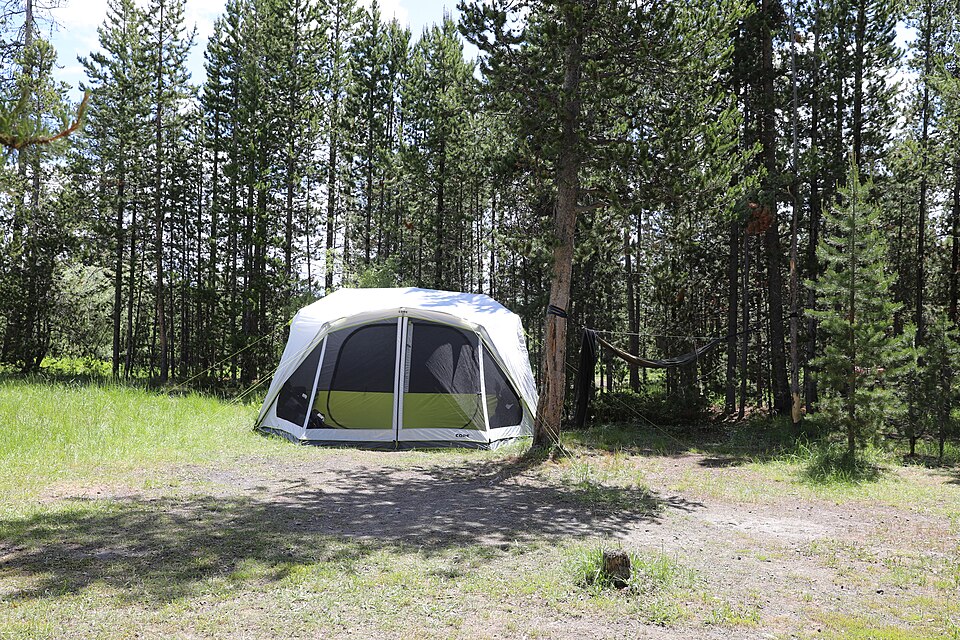
Lock in a stay for this season
RV parks near Haleakala National Park on RoverPass
Partner link · RoverPass
Summer: Drier Patterns, Busy Vacation Dates
Summer is a practical choice for travelers who want longer daylight hours and generally drier weather. June through August also overlaps with family vacations, so lodging, rental cars, and popular sunrise dates deserve early attention. Clear conditions are still not certain, and the wind can make a summit morning feel sharply colder than the rest of Maui.
Use the extra daylight for a measured visit rather than an ambitious trail checklist. Pair a few summit viewpoints with one hike, bringing water, sun protection, and warm clothing. Much of the volcanic landscape has little shade. At Kipahulu, rain and muddy trails remain possible even during Maui's comparatively dry season.
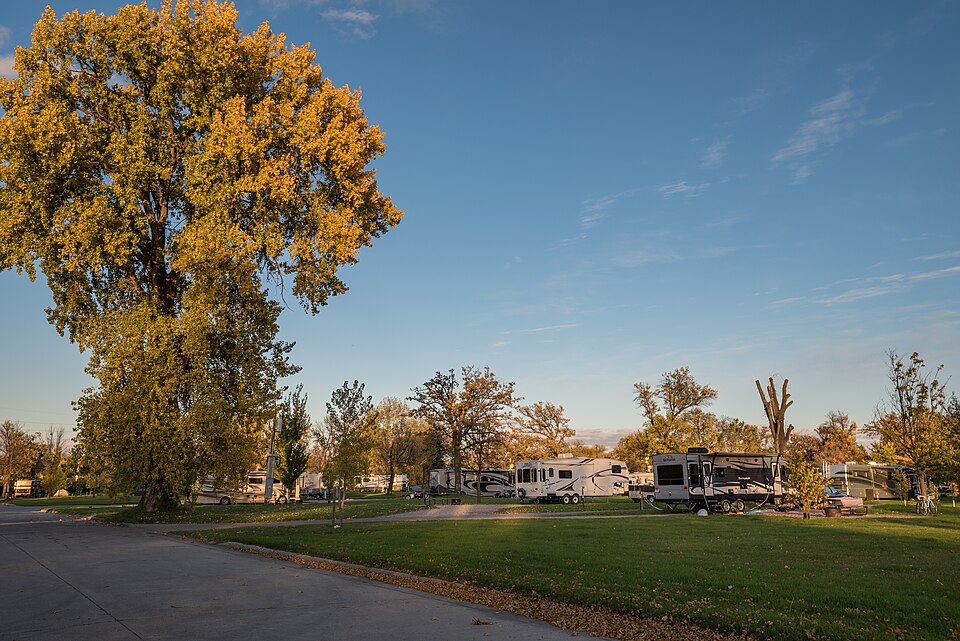
Lock in a stay for this season
Campsites near Haleakala National Park on Campspot
Partner link · Campspot
Fall: A Useful Shoulder-Season Window
September and parts of October can work well for visitors seeking a trip outside the busiest summer and winter holiday periods. Early fall often retains relatively dry conditions, though weather varies and tropical systems can disrupt plans. Later in fall, wetter patterns become more likely, especially on the windward side of the island.
This is a good season to build flexibility around your park day rather than tying every activity to one sunrise reservation. Consider a daytime summit visit if early access is unavailable. Keep an eye on official weather advisories, park alerts, and road conditions, particularly before committing to a long drive toward Hana and the Kipahulu District.
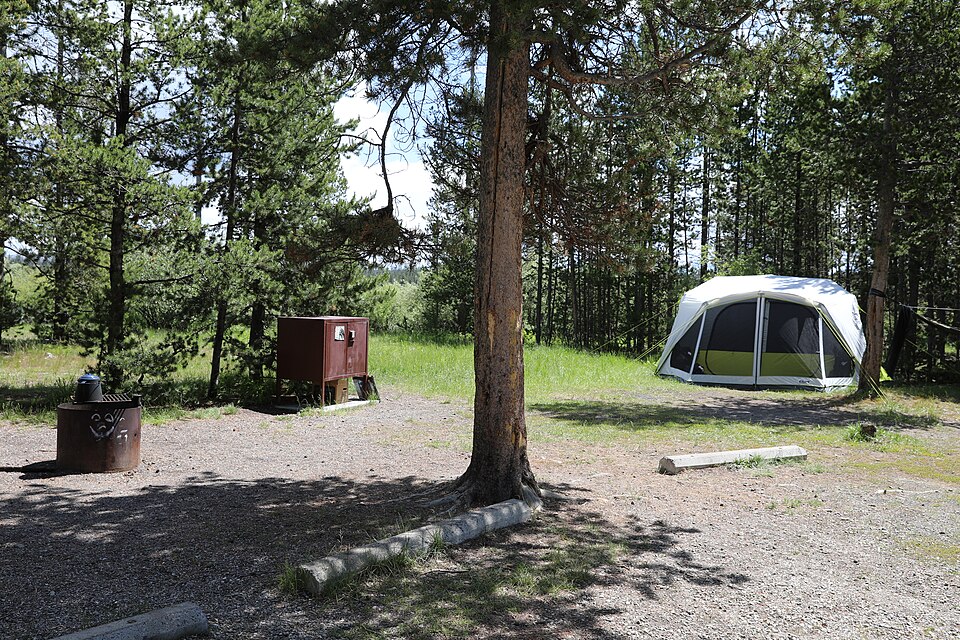
Lock in a stay for this season
Harvest Hosts stays on the way to Haleakala National Park
Partner link · Harvest Hosts
Winter: Dramatic Skies and Colder Summit Conditions
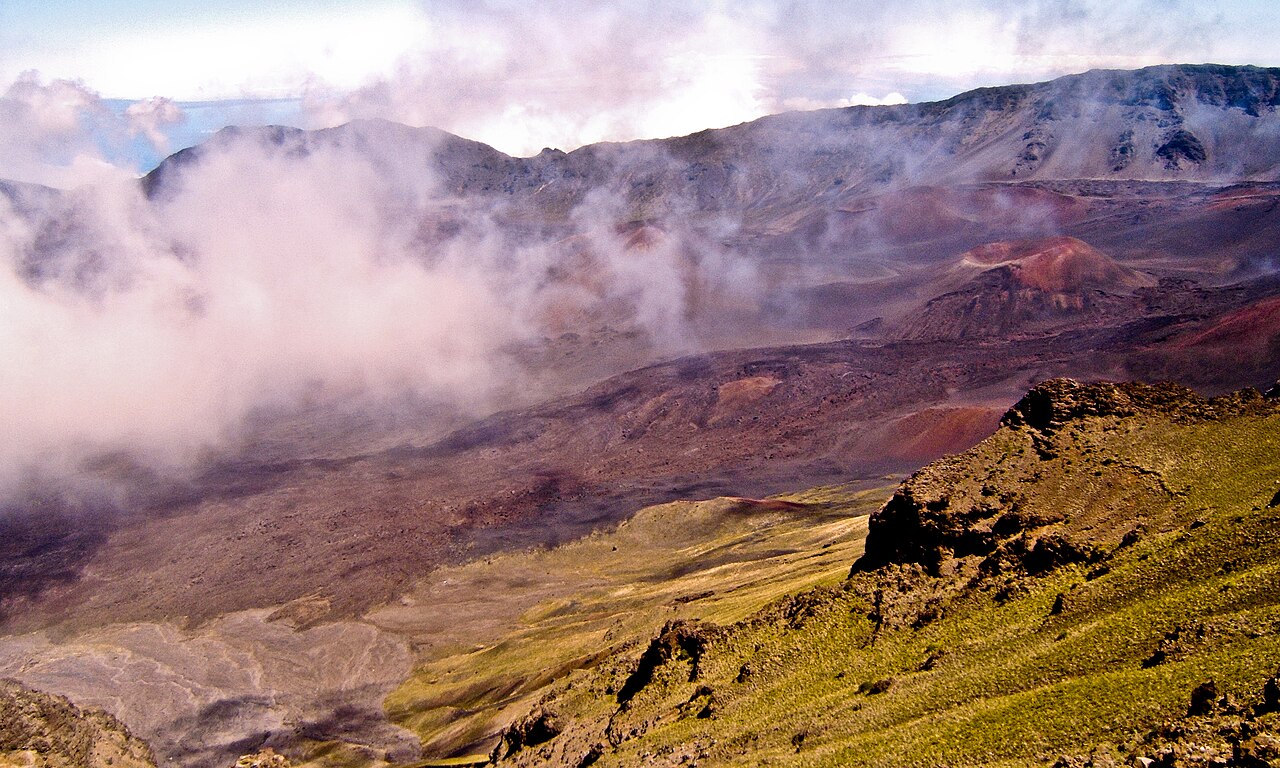
Winter visits can deliver memorable cloudscapes, but they also require a wider weather margin. Rain is generally more frequent, and high-elevation storms can bring severe wind, freezing conditions, and occasional ice or snow. Summit roads or facilities may close when conditions warrant. Holiday periods can still be busy despite the less predictable weather.
Bring real cold-weather layers for sunrise rather than relying on a beach sweatshirt. If the summit forecast looks poor, do not assume Kipahulu will be a dry substitute; the coastal district has its own rainfall and access concerns. Check both districts separately on the official NPS site and keep a backup day outside the park.
Crowds and When to Make Reservations
Sunrise is the park's signature crowd draw. Vehicle access to the Summit District during the designated sunrise period requires a reservation, separate from the park entrance fee. Check the official NPS site and its linked reservation system for current access hours, release windows, and availability. Set a reminder for the applicable release rather than assuming you can book on arrival.
Reserve lodging and rental transportation early for holidays and summer travel. Campgrounds and wilderness cabins have separate rules and booking requirements. A daytime summit visit can simplify planning, while sunset can also attract substantial crowds. Whatever your timing, check road alerts and forecasts again shortly before departure.
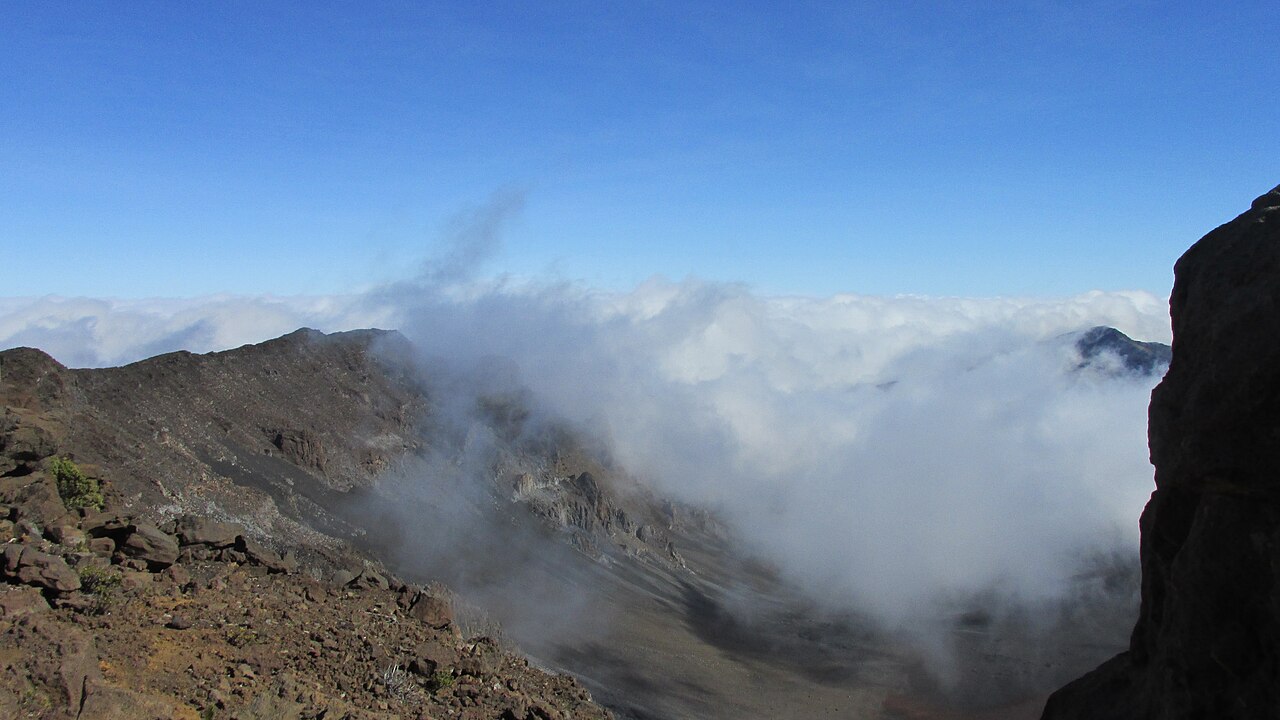
More ways to book Haleakala National Park
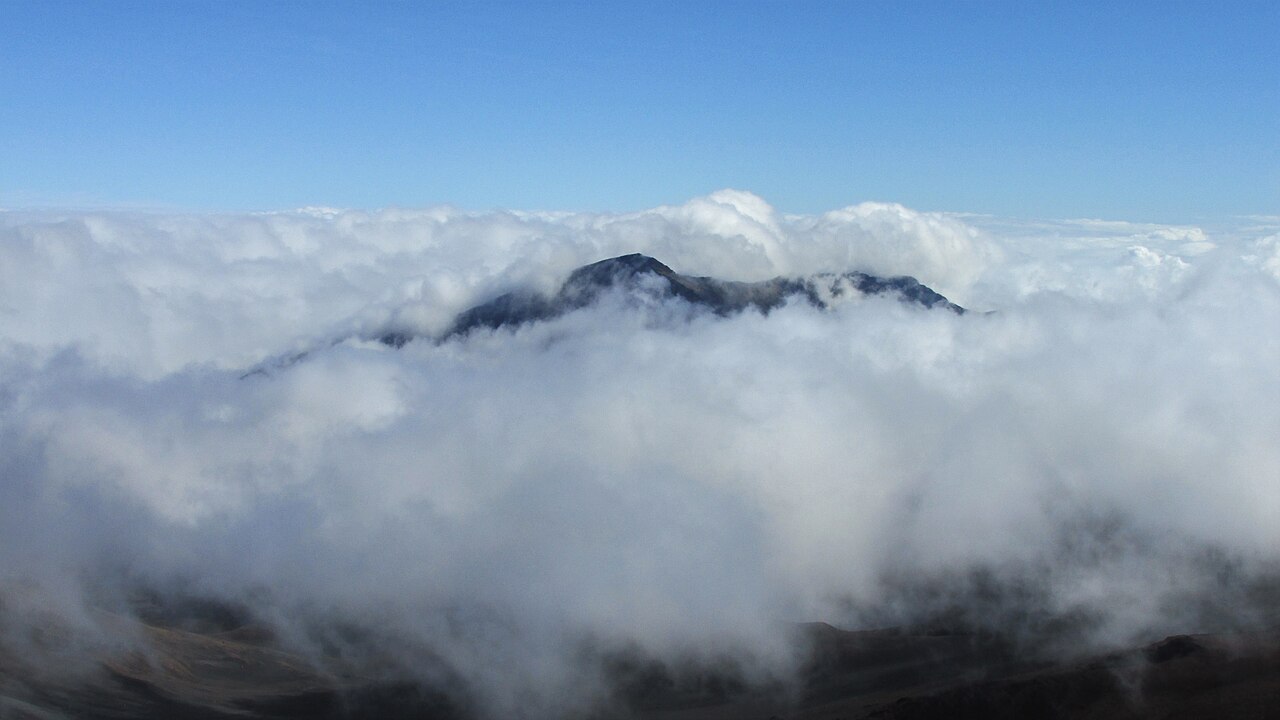 Illustrative · Larry Syverson from Richmond, VA, USA
Pipiwai Trail
One of the classic ways to experience Haleakala.
Varies (estimate)
Partner link · Viator