
Haleakala glamping is best understood as an outdoor-focused stay near the park, not a luxury tent waiting beside the summit crater. Look around Kula and Upcountry Maui for summit access, or around Hana for the Kipahulu coast, then verify what each property actually provides. A real bed, a weatherproof sleeping space, and clear bathroom arrangements matter more here than a glamorous label or a promise of effortless park access.
What Glamping Looks Like Around Haleakala
Around Haleakala, the glamping label can cover very different arrangements, from furnished tent-style accommodations to small cabins or rustic farm stays. These are accommodation categories to investigate, not a promise that every type is available for your dates. Read the full listing and confirm that the stay is legally operated before paying.
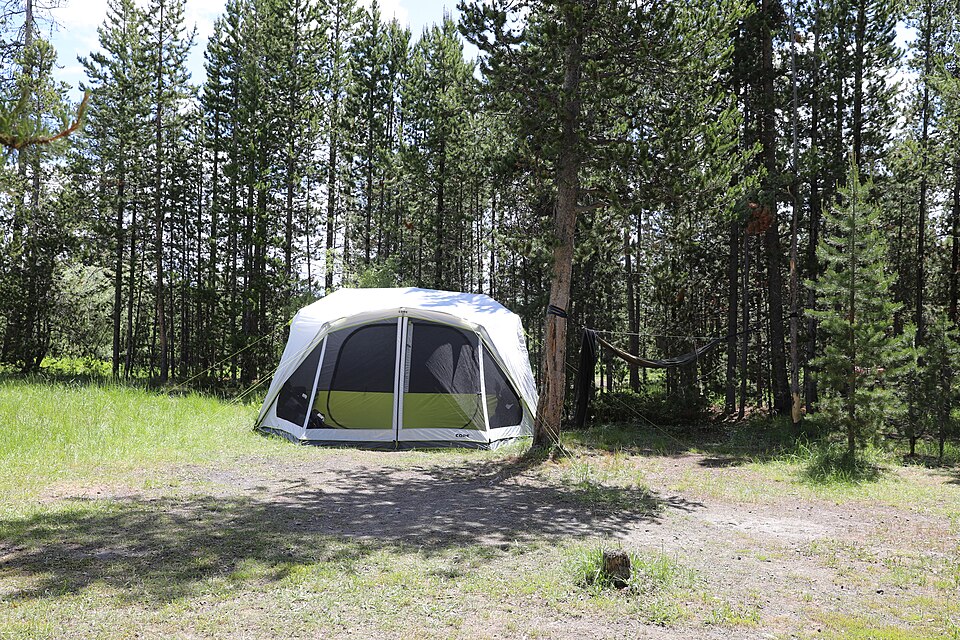
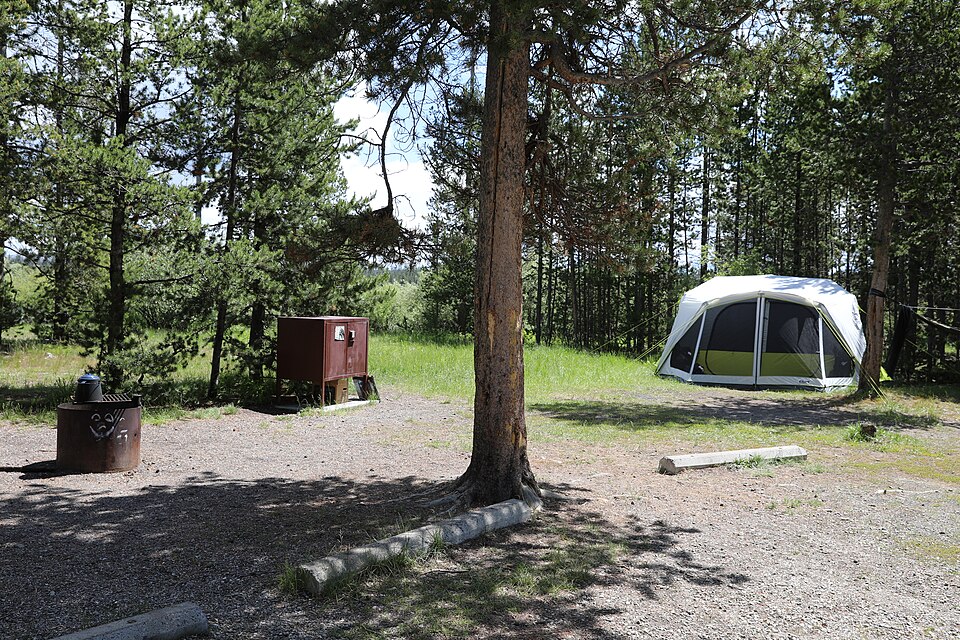
Ask about enclosed sleeping space, bedding, hot water, toilets, electricity, parking, and protection from wind or rain. A scenic outdoor shower is not the same as a private indoor bathroom. Inside the national park, expect designated camping and basic wilderness facilities rather than resort-style glamping. Park wilderness cabins require their own planning and are not drive-up luxury lodging.
Where to Stay: Kula, Hana, or Central Maui
Kula and the broader Upcountry area are logical places to search when the summit is your priority. They position you closer to the summit approach than Hana does, though the mountain road still requires a substantial drive. Higher-elevation lodging can also feel cool after dark, especially in an open or lightly insulated structure.
Hana is the more practical gateway for Kipahulu and a slower coastal visit. Expect a wetter setting and check access directions carefully. Kahului and nearby central Maui make sense for airport logistics, supplies, and conventional lodging alternatives. There is no single base that makes both park districts quick to reach, so choose around your main activity rather than a map's straight-line distance.
When to Book an Outdoor Stay
May through September is a useful starting window for travelers seeking generally drier conditions, but the difference between Upcountry and Hana matters throughout the year. Hana's windward setting receives frequent rain, while an Upcountry evening can be much cooler than a beach afternoon. Ask how the accommodation handles heavy rain, wind, and chilly nights.
Summer vacations and major holidays can tighten lodging choices, so begin looking once your travel dates are firm. Review cancellation terms and access details before booking an unusual outdoor property. Coordinate summit sunrise reservations separately; reserving a nearby stay does not grant early park entry. Check the official NPS site for current park conditions and reservation requirements.
Where to sleep
Harvest Hosts stays on the way to Haleakala National Park
Partner link · Harvest Hosts
What to Pack for Comfort Outside
Pack for two climates if you will visit both districts. For the summit, bring an insulating layer, a wind-resistant jacket, long pants, warm socks, and a hat. For Hana and Kipahulu, add lightweight clothing, rain protection, and footwear with traction. A reusable water bottle, sun protection, insect repellent, and a small first-aid kit are useful additions.
For your lodging, confirm whether towels, bedding, cooking equipment, and drinking water are supplied. Bring a headlamp and a power bank rather than assuming paths are lit or outlets are convenient. Keep bags and electronics protected from moisture. Store food as instructed, and avoid bringing unnecessary equipment until you know the property's cooking and fire rules.
Glamping vs. Camping vs. RV Travel
Glamping can reduce the gear you need, but comfort depends on the actual setup, and a rustic stay is not automatically inexpensive. Compare the full estimated cost, including cleaning charges, taxes, transportation, and meals. Treat nightly figures as rough estimates until you review the final booking terms.
Camping generally means more self-sufficiency and separate reservations or permits where required. Check the official NPS site for current campground facilities and rules. RV or campervan travel requires additional care: do not assume hookups, vehicle sleeping permission, or suitable parking are available. Confirm vehicle dimensions, campsite eligibility, road restrictions, and legal overnight locations before renting. For a short trip, conventional lodging may be simpler than arranging an outdoor accommodation.