
Guadalupe Mountains National Park is a rugged sanctuary for hikers, history buffs, and geology enthusiasts. As the site of one of the world's most extensive fossilized coral reefs, the park offers a unique vertical landscape that rises sharply from the Chihuahuan Desert. Whether you are looking to conquer the highest point in Texas or seeking a quiet stroll through a lush desert oasis, this park provides a diverse array of outdoor experiences that feel far removed from the modern world.
Conquer Guadalupe Peak
The most iconic activity in the park is the hike to the summit of Guadalupe Peak, the 'Top of Texas.' This strenuous 8.4-mile round-trip journey climbs 3,000 feet, leading you through pine forests and over rocky switchbacks to an elevation of 8,751 feet. At the summit, you are greeted by a stainless steel pyramid and a breathtaking 360-degree view of the surrounding salt flats and desert mountain ranges.
The trail is well-maintained but demanding, requiring a full day and plenty of stamina. Along the way, you will notice the transition from desert scrub to alpine woodland, a testament to the park's biological diversity. It is essential to carry at least a gallon of water per person and to check the wind forecast before heading up. Reaching the summit is a rite of passage for Texas hikers and offers a profound sense of accomplishment as you stand above the clouds in the high desert air.
Explore the Wonders of McKittrick Canyon
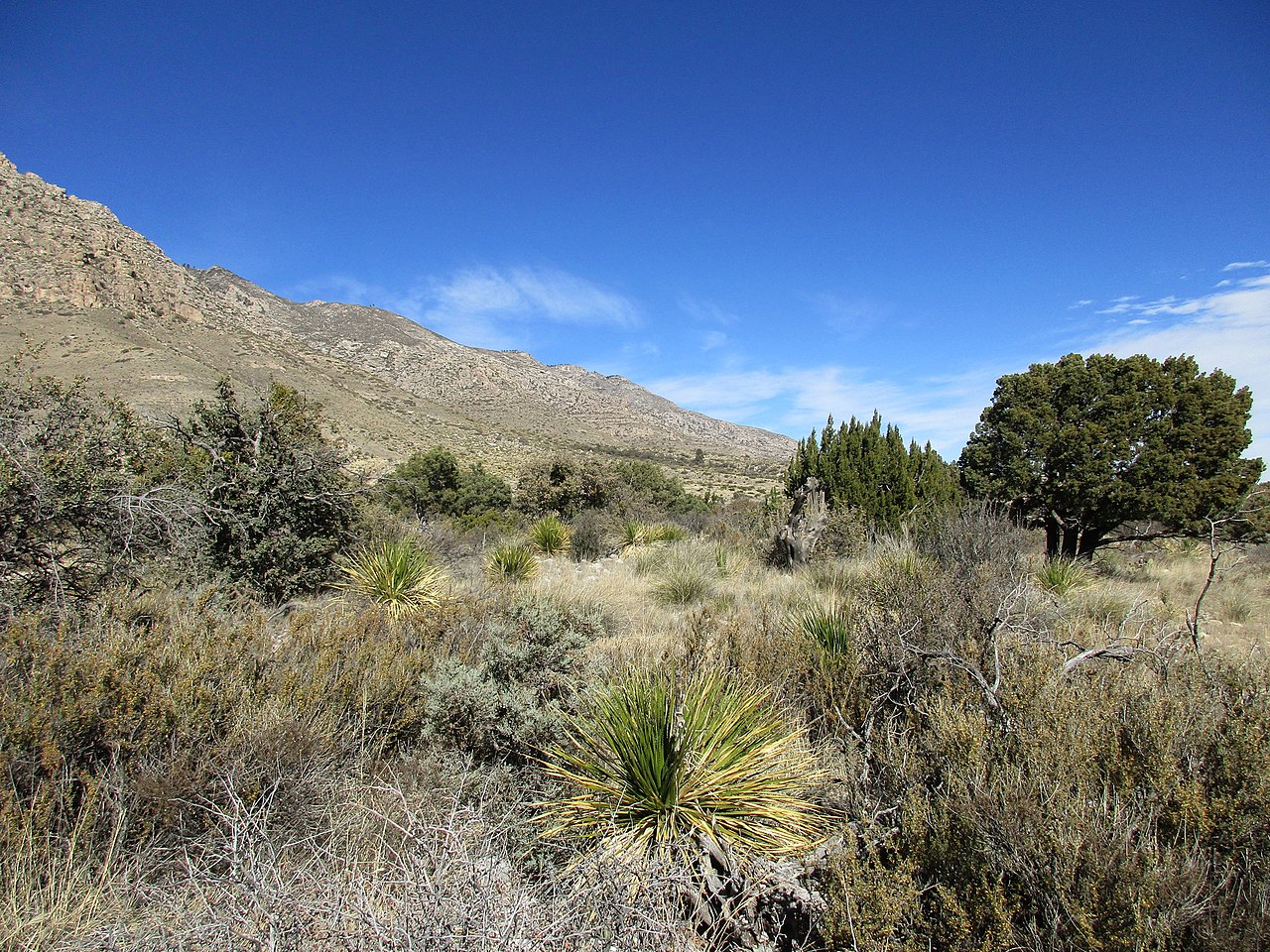
Often described as the most beautiful spot in Texas, McKittrick Canyon is a hidden gem that features a unique riparian environment. This area is famous for its towering limestone walls and the rare sight of water flowing through the desert. The trail into the canyon is relatively flat for the first few miles, making it accessible for those who want a less grueling experience than the peak.
As you hike deeper, you can visit the historic Pratt Cabin, a rustic stone structure that serves as a perfect picnic spot. For those seeking more distance, the trail continues to the 'Grotto,' a natural cave-like alcove with stalactites and ferns, and eventually up to the Notch for a dramatic view of the canyon floor. During the autumn months, the bigtooth maples turn vivid red, creating a color palette that seems out of place in the arid Texas landscape. Note that this area has specific day-use hours, so check the official park site for gate times.
Visit the Salt Basin Dunes
On the western edge of the park lies a completely different world: the Salt Basin Dunes. These bright white gypsum dunes provide a stark, stunning contrast to the dark, craggy mountains in the background. The drive to the dunes takes about an hour from the main visitor center, leading you through quiet ranch lands to a remote trailhead.
A gentle hike through the dunes allows you to explore an ecosystem where plants have adapted to the alkaline soil and shifting sands. It is an incredible spot for photography, especially during the 'golden hour' before sunset when the mountains turn shades of purple and the white sand glows. Because there is no shade and the white sand reflects the sun, it can become incredibly hot, so plan your visit for the early morning or late afternoon. This is one of the best areas for those looking to escape the crowds and enjoy the vast silence of the desert.
Step Back in Time at Frijole Ranch
For a break from heavy hiking, a visit to the Frijole Ranch Cultural Museum offers a fascinating look at the human history of the region. This historic ranch house, built in the late 1800s, was once the center of a thriving sheep and cattle operation. Today, it serves as a museum where you can learn about the resilient families who made a living in this harsh environment.
The ranch is situated near Manzanita Spring, a reliable water source that attracts local wildlife. You can take a short, easy walk from the ranch to Smith Spring, a lush area where birds and deer are frequently spotted. The shade provided by the large trees around the ranch makes it one of the few places in the park where you can enjoy a relatively cool outdoor break. It is an ideal spot for families with children or those who want to appreciate the park's history without a full day of backcountry trekking.
Stargazing in the Dark Skies
Guadalupe Mountains National Park is located far from major metropolitan areas, making it a premier destination for stargazing. As night falls, the desert sky transforms into a glittering canopy of stars, with the Milky Way often visible to the naked eye. The park's high elevation and dry air contribute to exceptional clarity.
You don't need a telescope to appreciate the view; simply stepping outside your tent at the Pine Springs campground or finding a safe turnout along the highway offers a celestial show that is increasingly rare in the modern world. The park occasionally hosts ranger-led astronomy programs, which are highly recommended for those who want to learn more about the constellations and the importance of dark sky preservation. Be sure to bring a red-light flashlight to preserve your night vision and a warm jacket, as temperatures drop rapidly in the desert once the sun disappears behind the peaks.