
Planning a trip to this remote corner of Texas requires a bit of logistical coordination, as the nearest major services are miles away. This three-day itinerary is designed to give you a comprehensive experience, from the high alpine peaks to the low-lying salt dunes. By basing yourself near the park or in one of the gateway cities like Carlsbad or El Paso, you can spend less time driving and more time exploring the ancient fossil reefs that define this unique landscape.
Arrival and the Salt Basin Dunes
Begin your journey by flying into El Paso or Cavern City Air Terminal in Carlsbad. If coming from El Paso, you will drive east for about two hours across the vast desert plains. Use your first afternoon to visit the Salt Basin Dunes on the parkâs western side. This requires a drive of about 60 miles from the main visitor center, so it is best to do this as you arrive or as a dedicated half-day trip.
The hike through the white gypsum dunes is a great way to stretch your legs after a flight and provides spectacular views of the western face of the mountains. The contrast between the white sand and the towering limestone cliffs is most dramatic in the late afternoon. After exploring the dunes, head to your campsite or lodging to prepare for a big day of hiking. Make sure to top off your fuel tank in El Paso or Dell City, as there are no gas stations within the park boundaries.
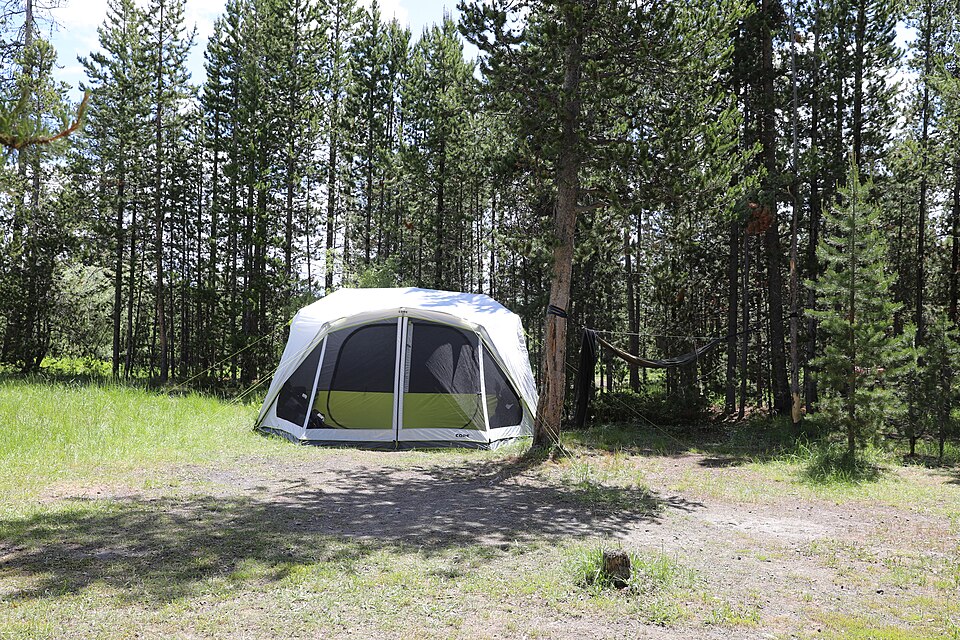
Where to sleep
RV parks near Guadalupe Mountains National Park on RoverPass
Partner link · RoverPass
Day 1: Conquering the Top of Texas
Dedicate your first full day to the Guadalupe Peak Trail. Starting early is crucial, especially in the warmer months, to avoid the midday sun and ensure you have plenty of time to complete the 8.4-mile trek. The trailhead is located at the Pine Springs Campground. You will gain 3,000 feet of elevation, so take a slow and steady pace.
Pack a hearty lunch to eat at the summit, where you can sit by the pyramid marker and look out over the El Capitan lookout. The hike usually takes between 6 to 8 hours depending on your fitness level. After descending, stop by the Pine Springs Visitor Center to stamp your national park passport and browse the geological exhibits. For dinner, you will likely be cooking at your campsite or heading back to your rental, as there are no restaurants in the park. The physical exertion of the peak makes for a rewarding first day, but remember to stay hydrated throughout the evening.
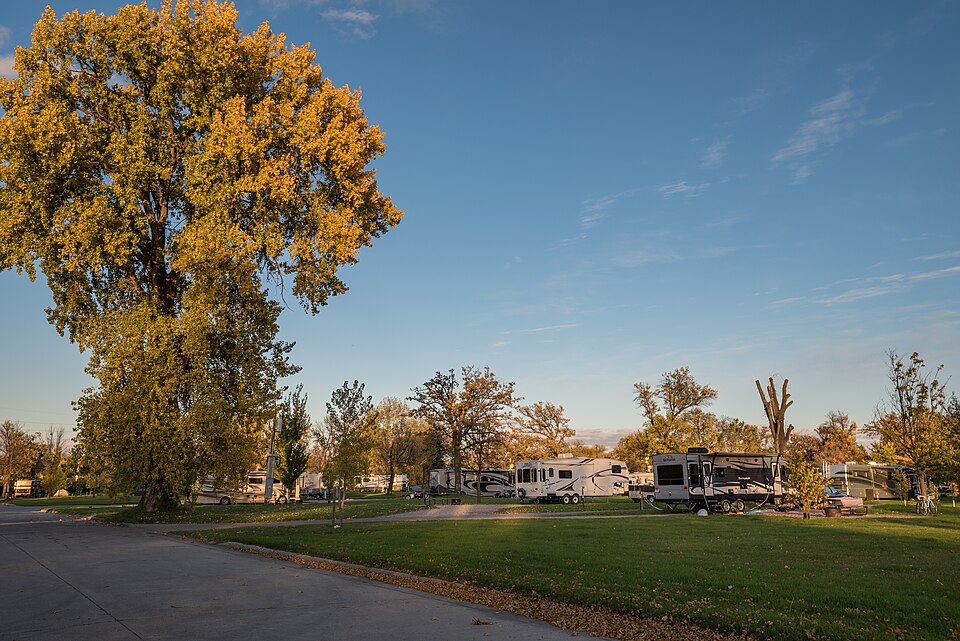
Where to sleep
Campsites near Guadalupe Mountains National Park on Campspot
Partner link · Campspot
Day 2: Canyons and History
On your second day, head to the McKittrick Canyon area, which is about a 15-minute drive from the main visitor center. This area is spectacular for its sheer walls and unique plant life. Hike to the Pratt Cabin (4.8 miles round trip) for a relatively easy walk, or continue to the Grotto and Hunter Line Cabin if you have the energy for a 7-mile trek. The canyon floor provides a different microclimate than the peak, offering more shade and the sound of rustling leaves.
In the afternoon, head over to the Frijole Ranch. This is a great spot for a more relaxed pace. Walk the easy trail to Smith Spring and Manzanita Spring to look for birds and javelinas. The history of the ranch provides context for the rugged life of early settlers in the Trans-Pecos. This combination of a morning canyon hike and an afternoon historical tour offers a balanced look at the parkâs natural and cultural resources without the extreme physical toll of the previous day.
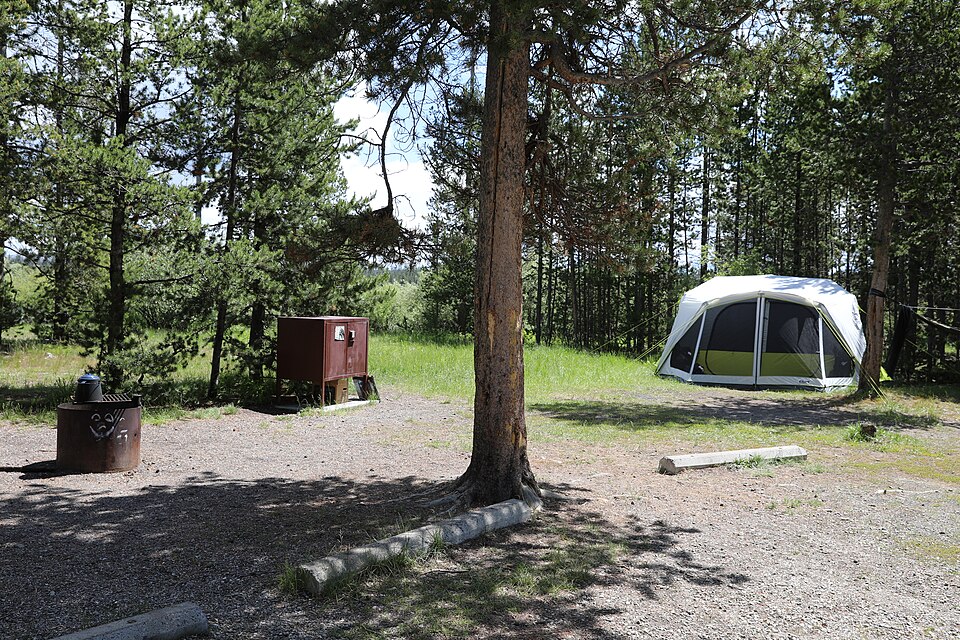
Where to sleep
Harvest Hosts stays on the way to Guadalupe Mountains National Park
Partner link · Harvest Hosts
Day 3: Scenic Vistas and Departure
On your final day, take a short but steep hike up the Pinery Trail or explore the Devilâs Hall Trail. Devilâs Hall is a 3.8-mile round trip that takes you through a rocky wash to a natural 'staircase' and a narrow canyon hallway. It involves some light rock scrambling, which is a fun change of pace from the groomed trails.
Before you leave, stop at the El Capitan lookout for one last photo of the most famous limestone cliff in Texas. If you are heading back toward Carlsbad, you might consider stopping at Carlsbad Caverns National Park, which is only about 35-40 minutes away, making it an easy 'two-for-one' trip. Ensure you check your vehicle for any needs before the drive back to the airport, as the stretches of highway between these destinations are vast and empty. Reflect on the silence and the scale of the mountains as you transition back into the city life of El Paso or your next destination.
Pro-Tips for a Smooth Trip
Because this park is so remote, self-sufficiency is the name of the game. Always carry more water than you think you needâat least one gallon per person per day for hiking. There is no food service in the park, so bring a cooler with all your meals and snacks. The weather can change in an instant; even if the forecast looks clear, a lightweight windbreaker and an extra layer are essential for the high-altitude sections.
Connectivity is limited, so download your maps and itinerary for offline use before you enter the park. Finally, always check the official NPS website for any sudden trail closures or weather warnings. The winds in this part of Texas are no joke and can sometimes lead to the temporary closure of high-elevation trails for safety. Planning for these contingencies will ensure your Guadalupe Mountains adventure is both safe and memorable.
More ways to book Guadalupe Mountains National Park
 Illustrative · Diego Angel
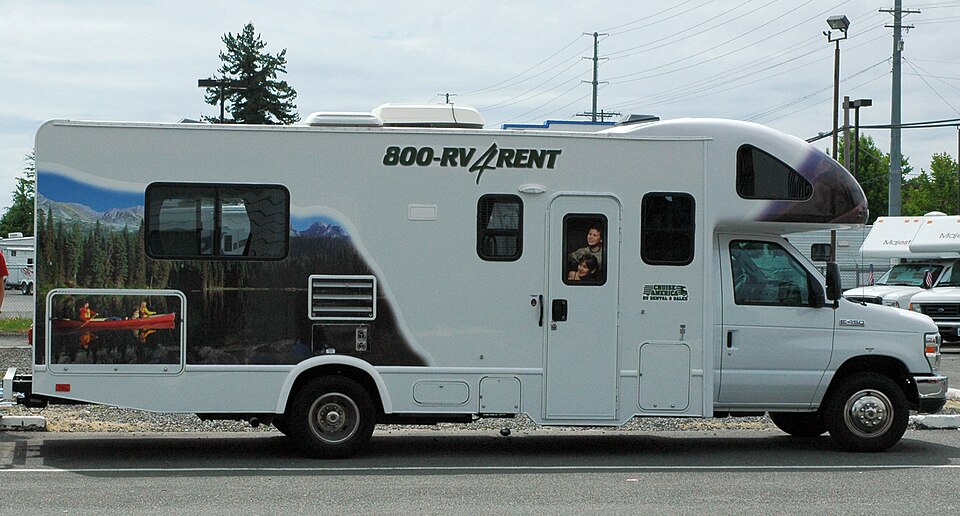
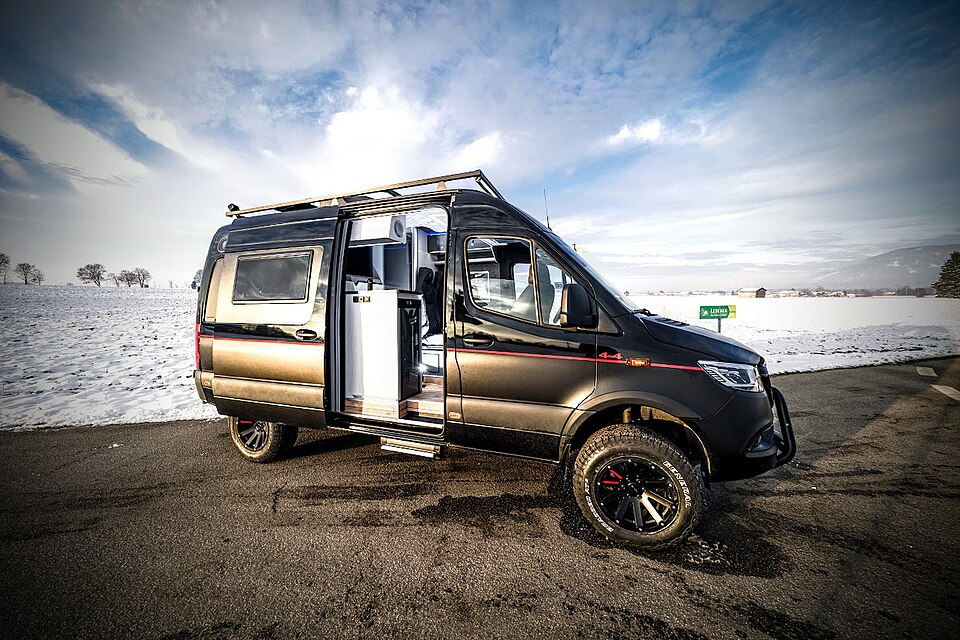
Sprinter Adventure Van
Small enough to park at the trailhead, comfy enough to sleep in.
$189/day (estimate)
Direct link · RVshare