
Choosing the right season to explore the high-altitude wilderness of the Trans-Pecos region is essential for a successful trip. Guadalupe Mountains National Park experiences extreme weather shifts, where a calm morning in the Chihuahuan Desert can transform into a gale-force wind event at the summit. While the park is open year-round, timing your visit to coincide with the mild temperatures of spring or the vibrant foliage of autumn ensures you experience the best this rugged landscape has to offer.
Spring Blooms and Moderate Temperatures
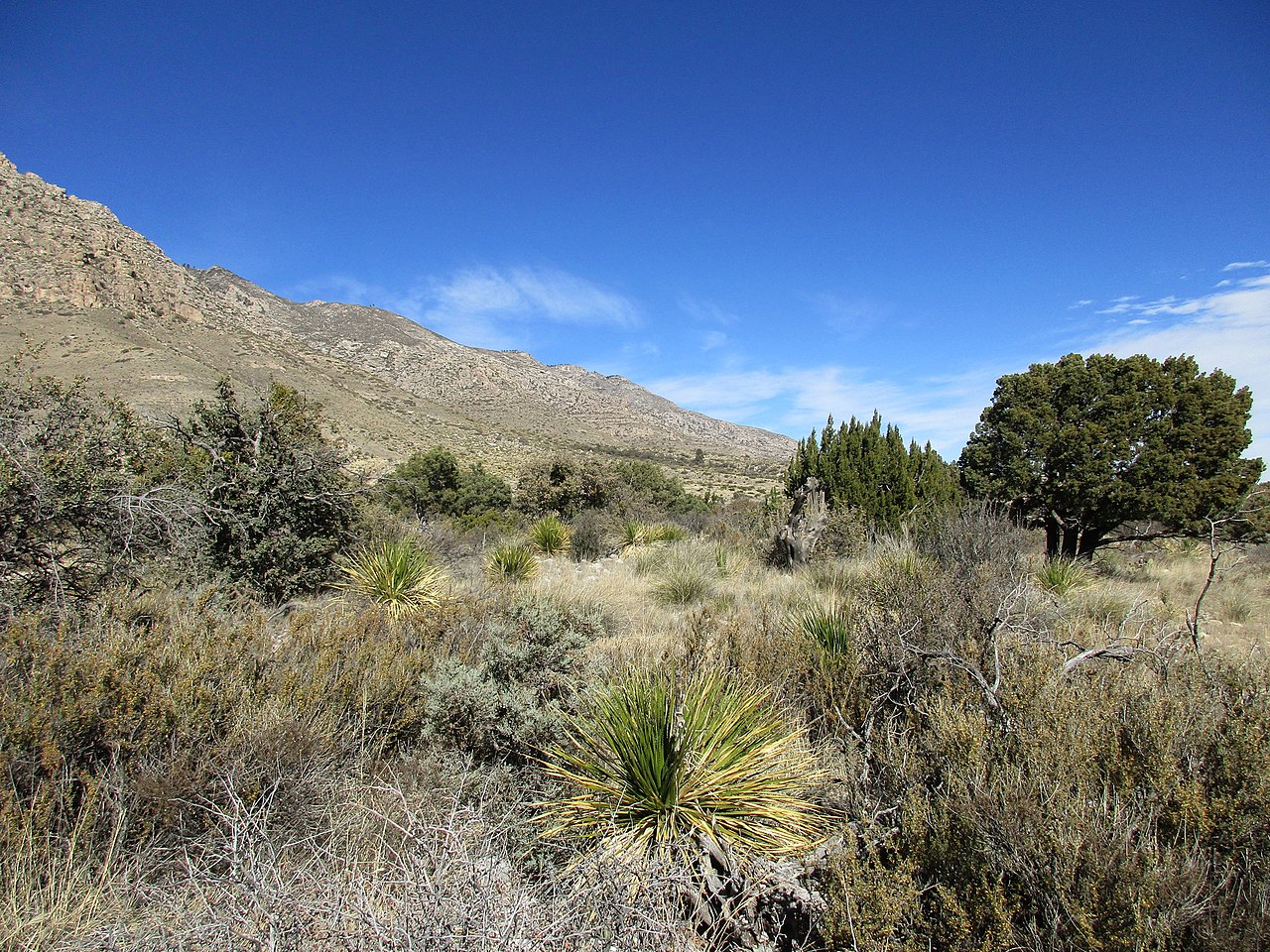
March through May is widely considered one of the premier windows for visiting the park. During these months, the desert floor begins to wake up with blooms of yucca, agave, and various cacti, providing a sharp contrast to the limestone cliffs. Daytime temperatures are typically comfortable for strenuous hiking, ranging from the 60s to the 70s, though you should be prepared for the notorious spring winds.
High-wind warnings are common during this season, with gusts occasionally reaching over 60 miles per hour, particularly at higher elevations like Guadalupe Peak. Despite the wind, spring offers the most predictable window for long-distance backpacking and summit attempts before the intense summer heat settles into the canyons. Because this is a popular time for school breaks, it is wise to secure your campground reservations through the official NPS site well in advance, as sites fill up quickly during the peak spring weekends.
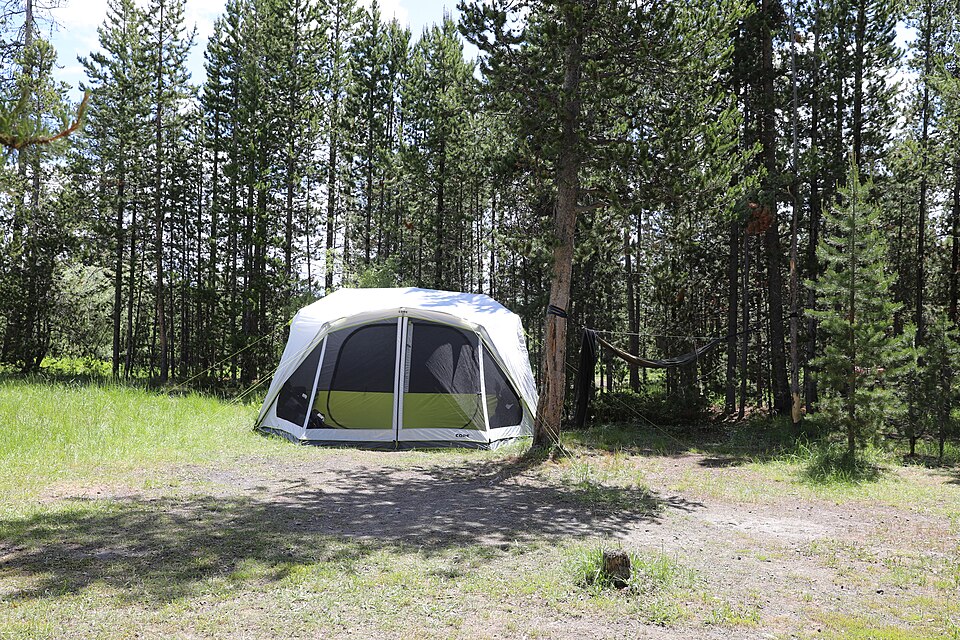
Lock in a stay for this season
RV parks near Guadalupe Mountains National Park on RoverPass
Partner link · RoverPass
Autumn Colors in McKittrick Canyon
Fall is arguably the most spectacular season in the Guadalupe Mountains, particularly from late October through mid-November. While most of Texas remains green or brown, the hidden riparian woodlands of McKittrick Canyon undergo a dramatic transformation. Maples, oaks, and ash trees turn brilliant shades of red, orange, and gold, drawing photographers and hikers from across the country.
The air is crisp and clear, providing excellent visibility that can stretch for over a hundred miles from the summit viewpoints. Temperatures during the day are nearly perfect for physical exertion, but the nights begin to drop toward freezing, so campers should pack high-quality sleeping bags. This is the busiest time for the park, and parking at popular trailheads like McKittrick Canyon can reach capacity by early morning. If you plan to visit during the fall foliage peak, try to schedule your hikes for weekdays to avoid the largest crowds.
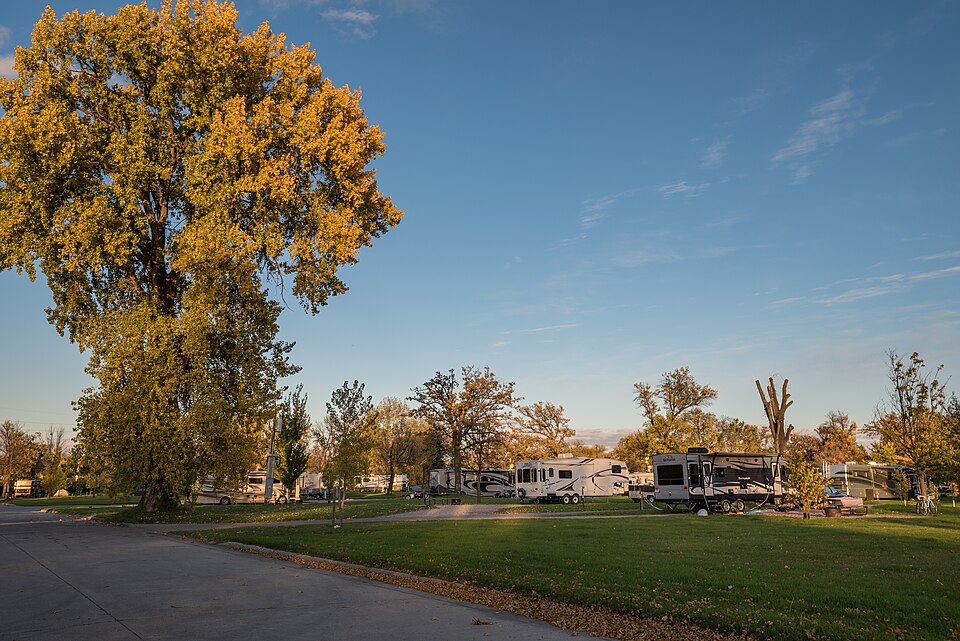
Lock in a stay for this season
Campsites near Guadalupe Mountains National Park on Campspot
Partner link · Campspot
Navigating the Summer Heat and Monsoon
Summer in the Trans-Pecos desert is a season of extremes. From June through August, temperatures at the lower elevations and trailheads often exceed 90 or even 100 degrees Fahrenheit. Hiking during the midday sun can be dangerous due to the lack of shade on many trails. However, the higher elevations offer a reprieve, often remaining 10 to 15 degrees cooler than the desert floor.
This is also the start of the monsoon season, which brings sudden and intense afternoon thunderstorms. These storms can cause flash flooding in dry washes and present lightning hazards for anyone caught on the exposed ridges of the peaks. If you visit in summer, start your hikes at dawn and aim to be off the high ridges by noon. The benefit of a summer visit is the relative lack of crowds compared to the peak spring and fall seasons, but you must be diligent about carrying extra water and monitoring weather alerts constantly.
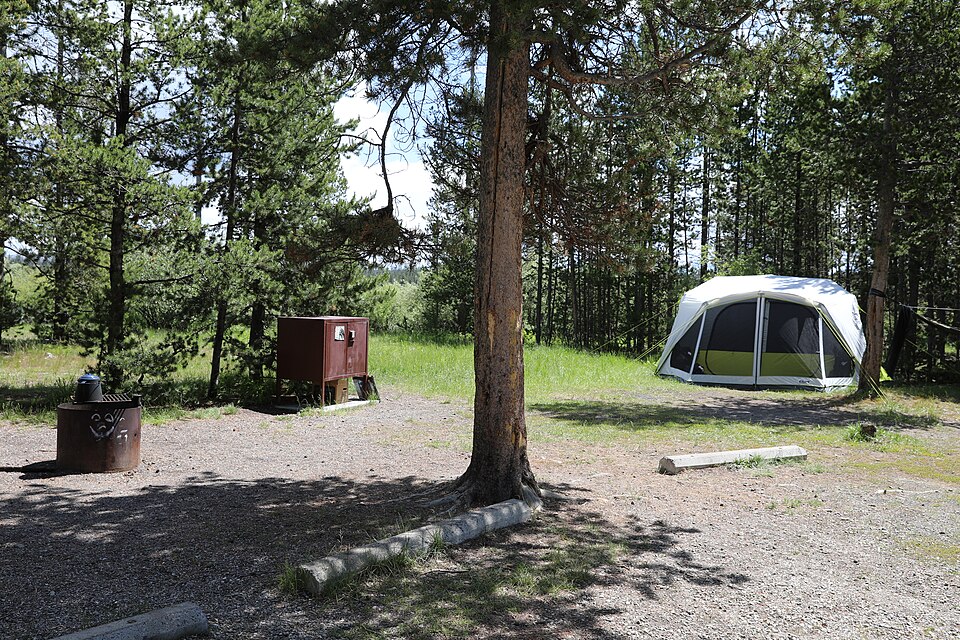
Lock in a stay for this season
Harvest Hosts stays on the way to Guadalupe Mountains National Park
Partner link · Harvest Hosts
Winter Solitude and Snow Caps
Winter brings a quiet, stark beauty to the Guadalupe Mountains, but it requires the most preparation. From December through February, the park sees fewer visitors, offering a sense of true solitude. High-elevation trails may be covered in snow or ice, making the trek to the peak a technical challenge that requires traction devices. The winds during winter can be biting, often dropping the wind chill well below zero.
Despite the cold, winter days are frequently sunny, and the low-angled light is beautiful for photography against the white limestone walls. Most park facilities remain open, but water sources in the backcountry can freeze, making self-sufficiency even more critical. If you enjoy crisp air and don't mind wearing several layers of wool and down, winter can be a rewarding time to explore the lower canyon trails like Smith Spring or the historic Frijole Ranch without the distraction of other large groups.
Managing Crowds and Reservations
Because Guadalupe Mountains National Park is a relatively remote destination, it does not see the multi-million visitor counts of places like Zion, but its limited infrastructure means it can feel crowded quickly. The two main campgrounds, Pine Springs and Frijole Ranch, are the primary hubs for visitors. During the 'best' months of October and April, these spots are often booked months out.
To ensure a smooth trip, check the official NPS website for the current reservation window. If the park is full, many travelers look for lodging in nearby Carlsbad or Dell City. Always have a backup plan for parking; if the Pine Springs lot is full, consider heading to the Salt Basin Dunes for a different perspective of the park. Keep in mind that holiday weekends like Memorial Day or Labor Day will always be the most congested, so aim for mid-week arrivals if your schedule allows for maximum peace.
More ways to book Guadalupe Mountains National Park
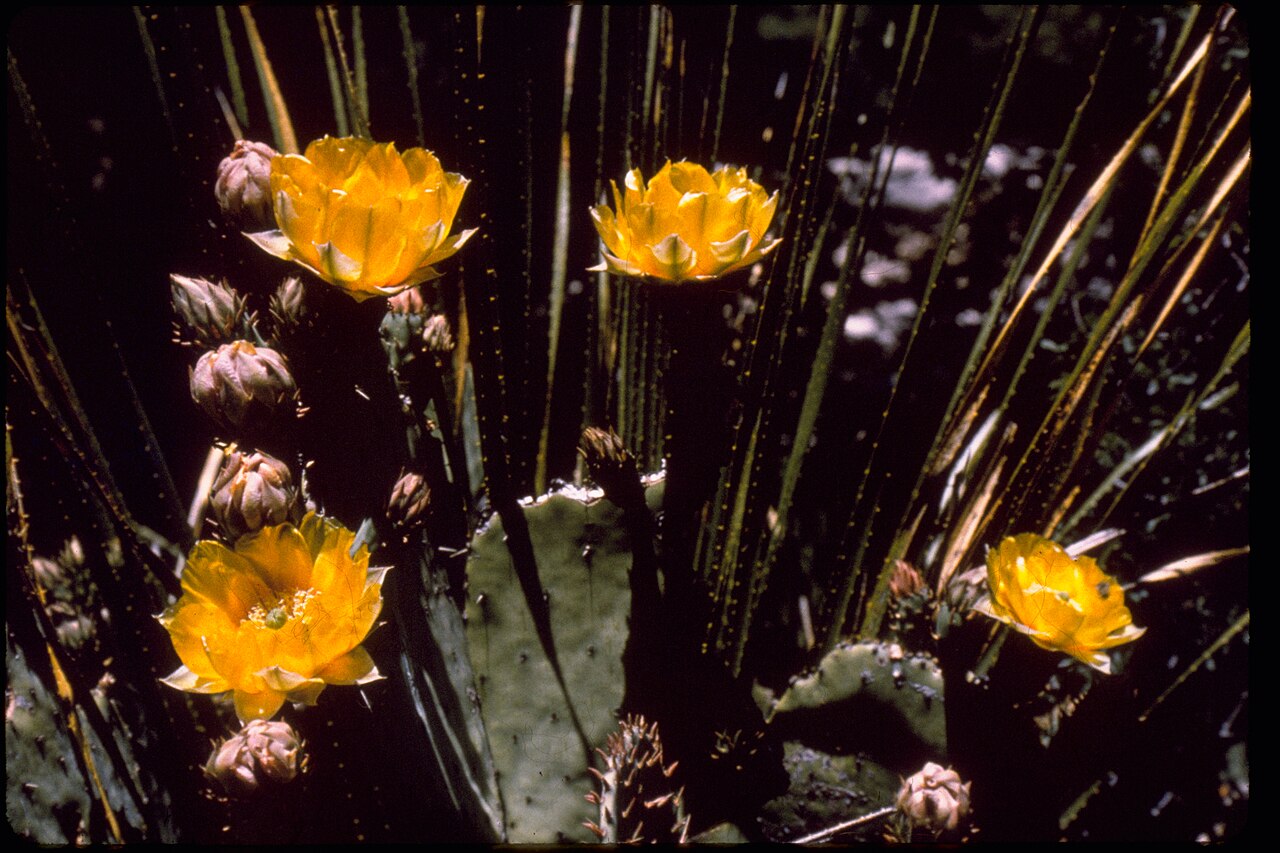 Illustrative · National Park Service Digital Image Archives
Salt Basin Dunes
One of the classic ways to experience Guadalupe Mountains.
Varies (estimate)
Partner link · Viator