
Great Smoky Mountains National Park rewards a mix of scenic driving, short walks, and unhurried time in its historic valleys. You can see mountain views without tackling a major hike, or spend much of a day following a forest trail to a waterfall. Because the park stretches across Tennessee and North Carolina, grouping activities by area will leave you more time outdoors and less time retracing winding roads.
Drive Newfound Gap Road and Visit Kuwohi
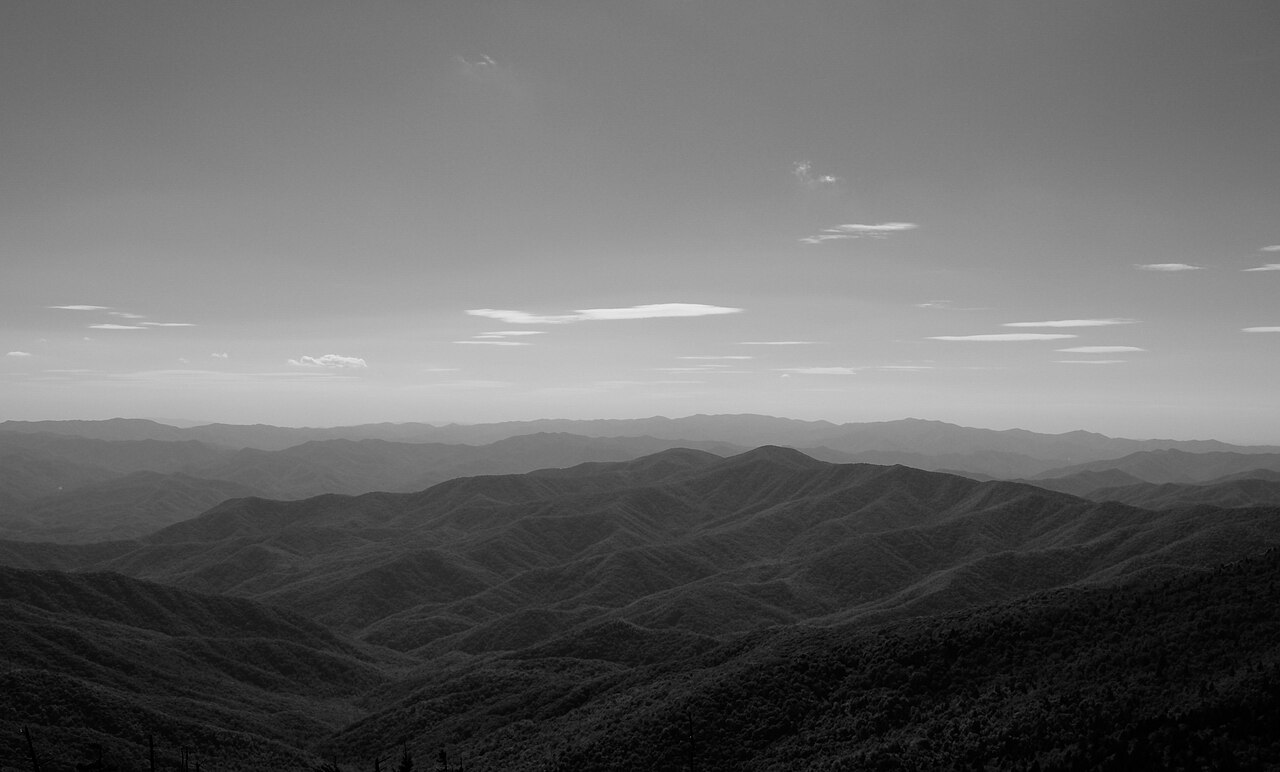
Newfound Gap Road connects the Gatlinburg and Cherokee sides of the park, climbing through changing forest zones along the way. Treat it as a scenic outing rather than a quick transfer. Pullouts provide places to stop legally for mountain views, and Newfound Gap offers access to the Appalachian Trail. Cloud and fog can hide the panorama, so check the forecast before making this your main photography day.
When its access road is open, Kuwohi adds a high-elevation viewpoint and an observation tower. The paved approach is short but steep, and the elevation makes it feel more demanding than its distance suggests. Bring an extra layer even if your gateway town is warm. Parking can be limited at popular times. Check the official NPS website for current road status and accessibility details, and have a lower-elevation alternative if visibility or weather deteriorates.
Choose a Hike That Fits Your Group
Match your hike to elevation gain and footing, not just mileage. The Alum Cave Trail to Alum Cave Bluffs is a popular, moderately demanding outing with stream crossings, rocky sections, and dramatic scenery. Continuing toward Mount Le Conte makes it a much bigger undertaking and should not be treated as a casual extension. Start with a realistic turnaround time and enough daylight for the return.
For a different setting, Deep Creek near Bryson City has waterfall walks that can be combined into routes of varying lengths. The Oconaluftee River Trail offers a gentler riverside option on the North Carolina side. Families near Gatlinburg can consider the Gatlinburg Trail for a lower-elevation walk. Always confirm current closures before selecting a route. Carry a park map, water, snacks, and rain protection, and remember that wet roots, rocks, and muddy stretches can slow even a short walk.
Explore Cades Cove and Watch Wildlife Responsibly
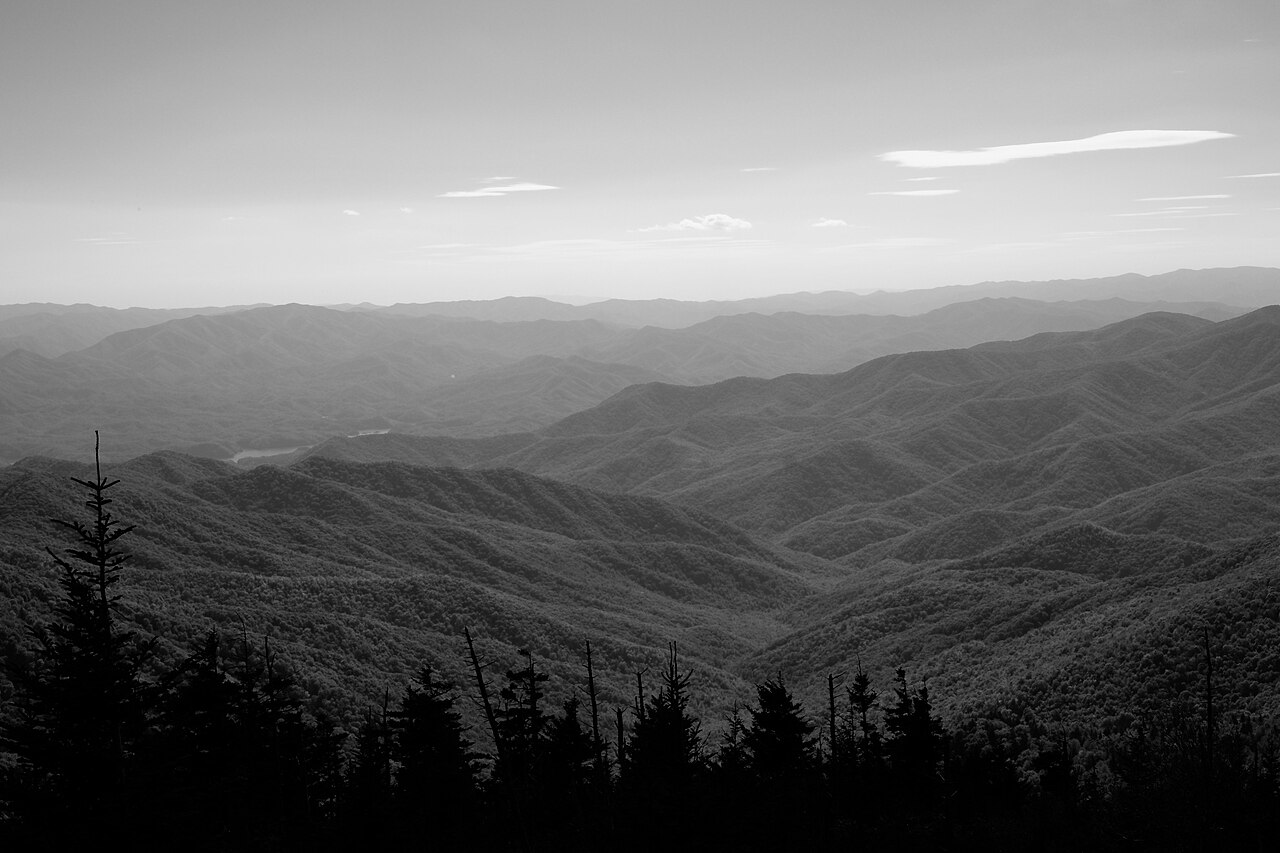
Cades Cove combines open fields, wooded slopes, and preserved buildings along an 11-mile, one-way loop road. Stop at designated parking areas to explore cabins, churches, and other historic features rather than viewing everything through the windshield. The landscape makes a good picnic-and-history outing, but traffic moves slowly and wildlife sightings can create long backups. Allow a generous block of time instead of treating the loop as a brief detour.
Black bears and white-tailed deer live in the park, while elk are associated especially with the Oconaluftee and Cataloochee areas. Sightings are never guaranteed. Use binoculars or a zoom lens, keep food secured, and never approach or feed animals. Stay at least 50 yards from bears and elk, and follow any greater distance or temporary restriction posted by rangers. Check the official park site for current Cades Cove vehicle-free periods and wildlife guidance.
Make a Family Day Around History and Streams
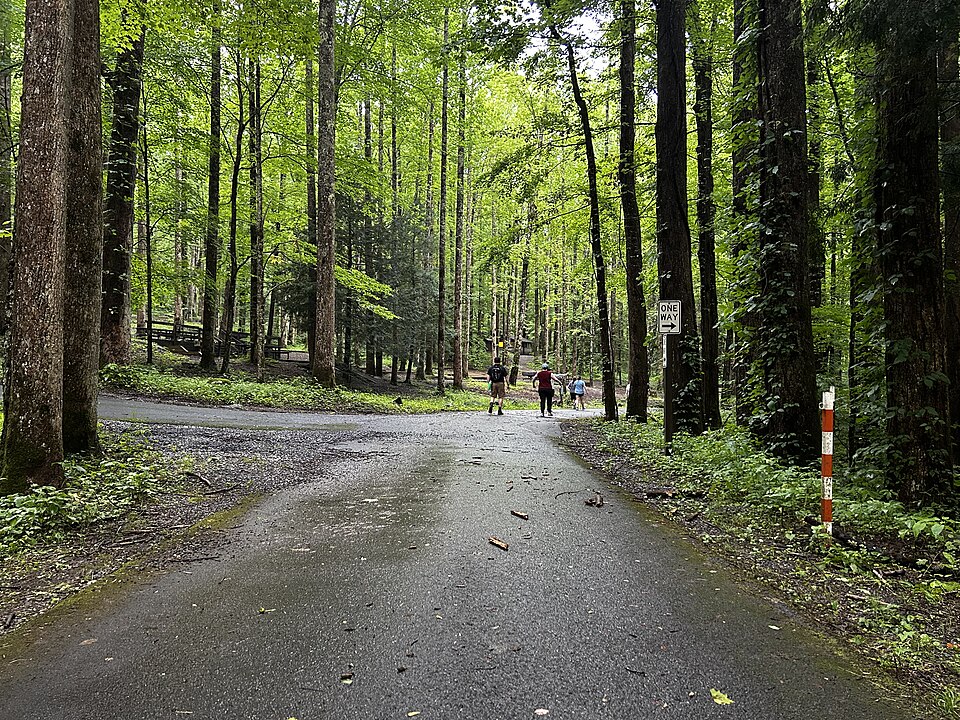
For younger travelers, a day with several short stops often works better than one ambitious hike. Start at Sugarlands Visitor Center or Oconaluftee Visitor Center to get oriented and ask about ranger activities. The Junior Ranger program gives children a way to notice tracks, trees, weather, and park history. Ask staff about current materials and requirements rather than assuming programs follow the same schedule year-round.
Beside Oconaluftee Visitor Center, the Mountain Farm Museum introduces historic farm buildings in an outdoor setting. Pair it with part of the river trail and a picnic in a designated area. On the Tennessee side, a visitor center stop and a short walk near Sugarlands can make a manageable first day. Streams are beautiful places to pause, but wet rocks, swift water, and waterfall edges require caution. Keep children close and avoid planning a visit around climbing or swimming at waterfalls.
Keep a Rainy-Day Plan That Still Feels Like the Smokies
A rainy day does not have to become a wasted day, but heavy rain is a reason to rethink steep trails, exposed viewpoints, and stream crossings. Start with exhibits and orientation at Sugarlands or Oconaluftee, checking current facility hours before driving. Ask about closures and whether a short, lower-elevation walk makes sense. Mist can add atmosphere to the forest, although it often removes the payoff from a high-country viewpoint.
For a mostly indoor day, consider established cultural attractions in Cherokee or indoor attractions in Gatlinburg, depending on which side you are staying. Check official attraction websites for current offerings and reservations. Avoid crossing the mountains solely to fill a rainy afternoon if road conditions are uncertain. Keep a dry clothing layer in the car, download maps before losing service, and move your major scenic drive to another day when your itinerary allows.