
The best time to visit Great Smoky Mountains National Park depends on whether you want wildflowers, long hiking days, fall color, or quieter roads. The park spans Tennessee and North Carolina, and elevation changes can make a valley feel like a different season from a summit. For a three- to five-day trip, choose your season around the experiences you care about, then leave room to adjust for mountain weather.
Spring: Wildflowers and Changeable Mountain Weather
Spring brings woodland wildflowers, fresh leaves, and lively streams, but it does not arrive everywhere at once. Lower valleys usually green up before the high ridges, where cold weather can linger. March can still feel wintry, while April and May offer more opportunities for comfortable lower-elevation walks. Porters Creek and the Deep Creek area are worth considering for spring outings, subject to current trail access.
Bring layers and rain protection rather than packing for warm weather alone. A pleasant afternoon in Gatlinburg does not predict conditions near Kuwohi or along the Appalachian Trail. Rain can make rocks and roots slick, and stream levels may rise after storms. Spring break and holiday weekends draw visitors, so aim for weekday mornings when possible. Check the official NPS website before committing to a high-elevation drive, because seasonal schedules and weather closures can change your route.
Lock in a stay for this season
RV parks near Great Smoky Mountains National Park on RoverPass
Partner link · RoverPass
Summer: Long Days for Families and High-Country Views
Summer works well for families who want long daylight hours and access to high-country outings, although lower elevations can be hot and humid. Plan more demanding walks early, then use the afternoon for a visitor center, a shaded picnic, or a shorter outing. Newfound Gap and Kuwohi often feel cooler than the gateway towns, but exposed overlooks can also be windy or wrapped in cloud.
June through August brings substantial vacation traffic around Gatlinburg, major trailheads, and popular scenic roads. Afternoon thunderstorms are another reason to start early and avoid treating a summit as a fixed appointment. Carry water, rain layers, and an alternate plan. Campgrounds and nearby lodging deserve advance planning, particularly around holidays. If synchronous fireflies are your main reason to come, follow the official NPS announcements: viewing arrangements and any lottery requirements are specific to that year's event.
Lock in a stay for this season
Campsites near Great Smoky Mountains National Park on Campspot
Partner link · Campspot
Fall: Color Moves Down the Mountains
Fall is a signature Smokies season, with leaf color generally developing earlier at higher elevations and later in lower valleys. October is especially popular, but no single weekend reliably delivers peak color everywhere. Temperature, rainfall, elevation, and tree species all influence the display. A route that includes several elevations gives you more variety than planning an entire visit around one overlook.
Newfound Gap Road offers broad mountain scenery, while Cades Cove combines valley views, hardwood forests, and historic buildings. Both can be busy during foliage season, and slow traffic can turn a modest drive into a substantial outing. Stay near the entrance you expect to use most, start early, and avoid stacking distant destinations into one day. Reserve lodging once your dates are firm, especially for October weekends. Pack warm layers for mornings and check the official park site for road conditions before leaving.
Lock in a stay for this season
Harvest Hosts stays on the way to Great Smoky Mountains National Park
Partner link · Harvest Hosts
Winter: Quieter Valleys, Limited High-Elevation Access
Winter can be appealing if you value open views through bare trees and a less crowded park experience. Lower-elevation walks, historic landscapes, and visitor centers can anchor a flexible trip. Cades Cove and the Sugarlands area offer worthwhile possibilities when roads and trails are open. Snow may decorate the upper mountains while nearby towns remain wet or relatively mild, so do not assume conditions are uniform.
The trade-off is reduced access and shorter daylight. Kuwohi Road closes seasonally, and Newfound Gap Road can close during snow or ice. Some campgrounds, facilities, and secondary roads also operate seasonally. Build your schedule around daylight and avoid depending on a single mountain crossing. Holiday periods can still bring busy gateway towns even when the park feels quieter. Review current NPS road alerts each morning, carry appropriate layers, and choose another outing when ice or closures make your original plan unsuitable.
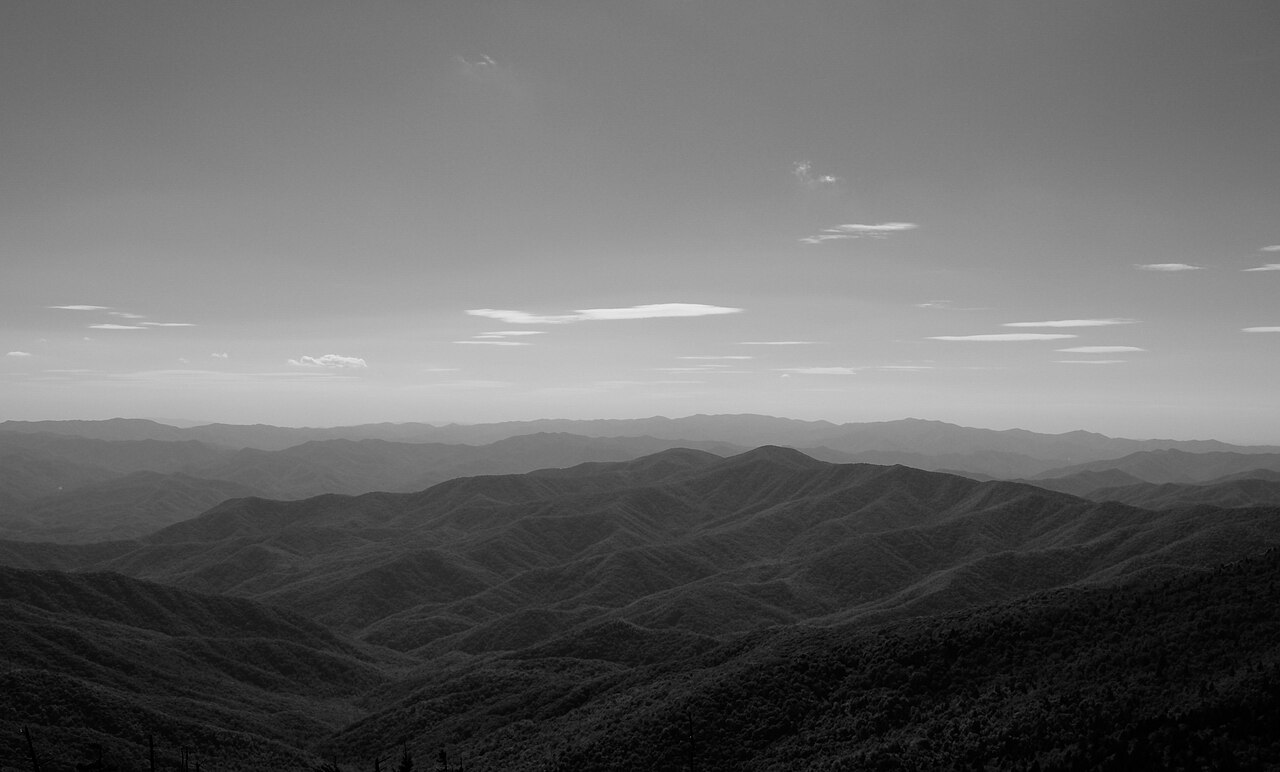
How to Choose Dates and Plan Reservations
For a balanced first visit, consider late spring or early fall outside major holiday weekends. These windows can combine pleasant walking weather with somewhat less pressure than peak summer or October foliage weekends, though popular trailheads still fill. A three- to five-day stay gives you time to move a scenic drive or longer hike when fog, rain, or traffic changes the day's outlook.
Book lodging and reservable campsites as soon as your plans settle, especially for summer, fall weekends, and school breaks. Use official reservation channels and check cancellation rules rather than assuming every campground follows the same schedule. The park does not charge an entrance fee, but parking longer than 15 minutes generally requires a parking tag; a tag does not reserve a space. Check the official Great Smoky Mountains NPS site for current parking rules, campground availability, seasonal closures, event access, and weather-related alerts.
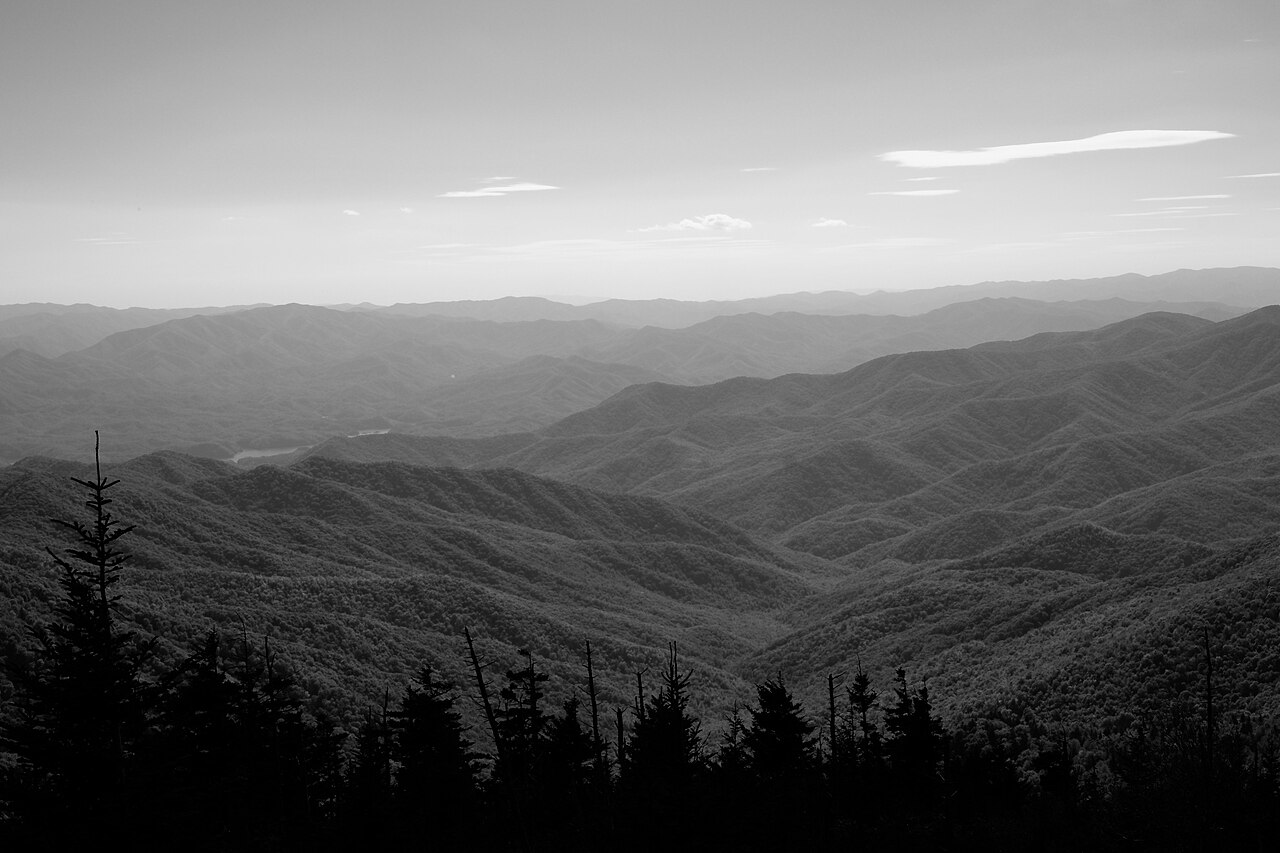
More ways to book Great Smoky Mountains National Park
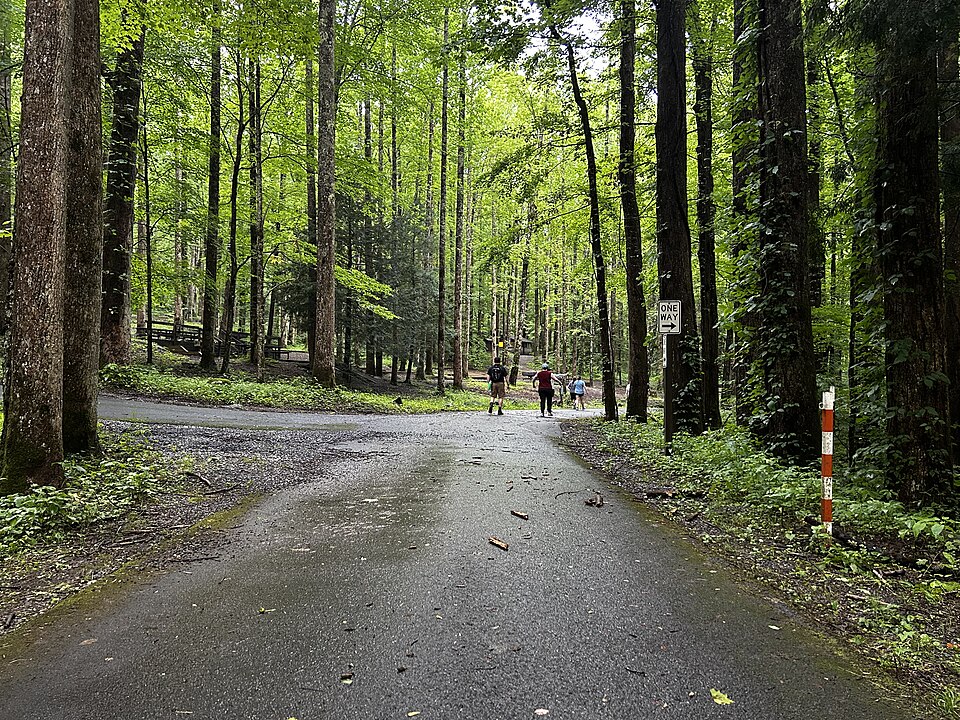 Illustrative · Northern-Virginia-Photographer
Newfound Gap Scenic Drive
One of the classic ways to experience Great Smoky Mountains.
Varies (estimate)
Partner link · Viator