
Great Smoky Mountains glamping usually means staying outside the national park in a furnished tent, yurt-style accommodation, dome, or cabin marketed as an outdoor retreat. The experience varies widely: some stays provide private bathrooms and climate control, while others are closer to traditional camping. Choose your gateway area first, then compare the actual amenities so your lodging supports the hikes, scenic drives, and quiet evenings you want from the trip.
What Glamping Looks Like Around the Smokies
Glamping near the Smokies is not one standardized product. A furnished canvas tent may include a real bed and a deck but require a walk to shared bathrooms. A dome or small cabin might offer a private shower, kitchenette, and heating, though those features should never be assumed from the listing's label. Photos can also make neighboring units look farther apart than they actually are.
Before booking, confirm the bathroom arrangement, bedding, electrical outlets, potable water, cooking equipment, and heating or cooling system. Ask whether you park beside the unit or carry luggage along a path. For mountain properties, clarify whether the approach is steep, gravel, or unsuitable for your vehicle in poor weather. Most glamping searches will lead to private properties outside park boundaries, not national park campgrounds. Use the official NPS site to verify park camping options and distinguish them from privately operated lodging.
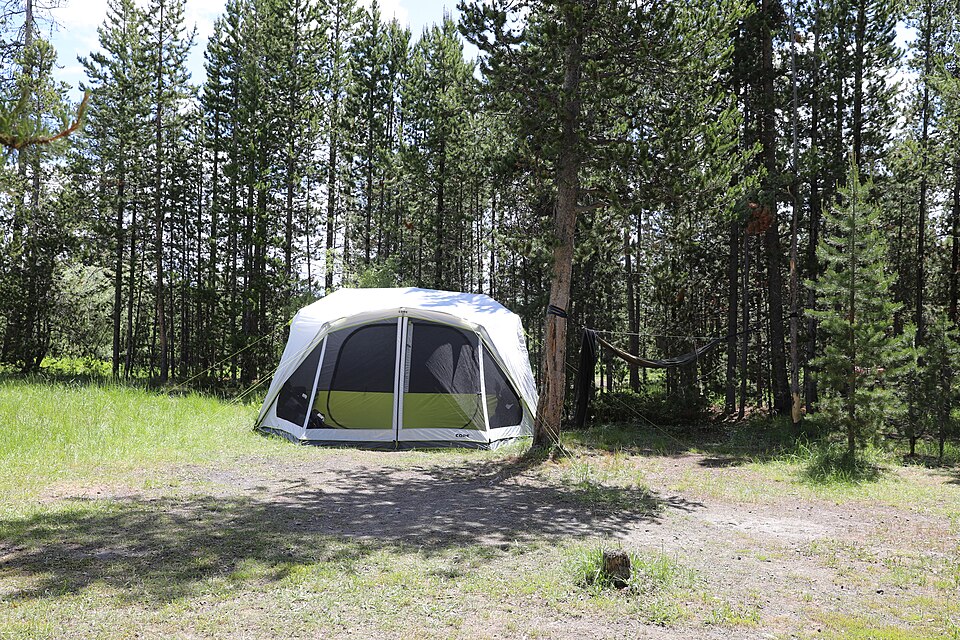
Where to sleep
RV parks near Great Smoky Mountains National Park on RoverPass
Partner link · RoverPass
Choose a Tennessee Gateway for Your Main Outings
Gatlinburg is convenient for Sugarlands, Newfound Gap Road, and the park's central Tennessee entrance. It also provides restaurants and indoor alternatives, although traffic and a busy commercial setting may work against the secluded feeling some travelers expect. Properties described as being near Gatlinburg can sit well outside town, so compare the actual address with your planned entrance rather than trusting a broad location label.
Townsend is a logical base for Cades Cove and the western side of the park. Wears Valley sits between the Townsend and Pigeon Forge areas and can suit travelers balancing park outings with gateway amenities. Pigeon Forge and Sevierville offer extensive services but generally add driving before you reach park trails. Look closely at the route from each property, including winding local roads. A scenic hillside setting can be worthwhile, but it should not be mistaken for quick access to every major park destination.
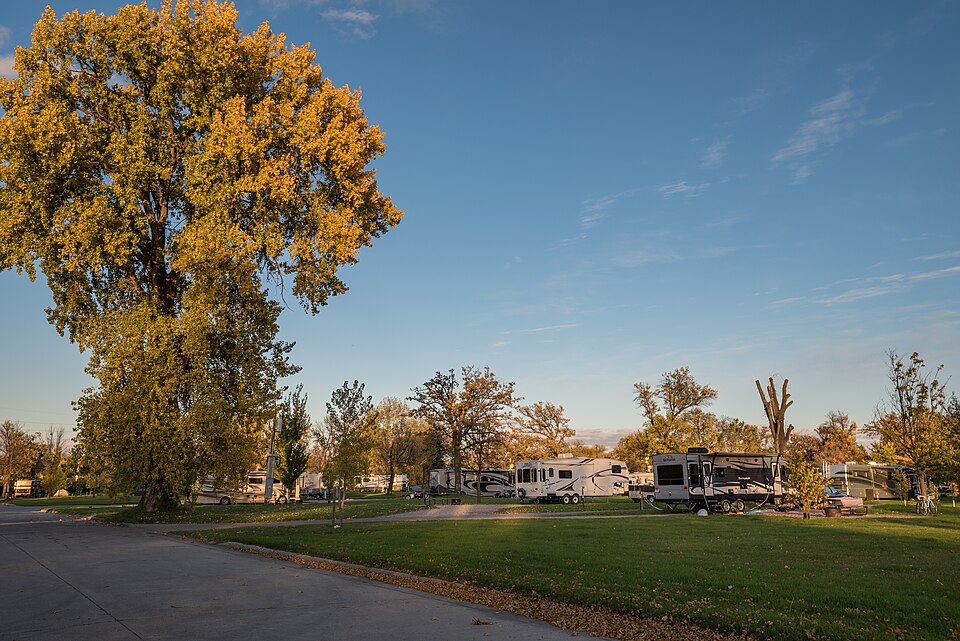
Where to sleep
Campsites near Great Smoky Mountains National Park on Campspot
Partner link · Campspot
Consider Cherokee and Bryson City on the North Carolina Side
Cherokee makes sense for Oconaluftee, the Mountain Farm Museum, and the southern end of Newfound Gap Road. It also puts you near cultural attractions that can add context to a mountain trip. Bryson City is a useful base for Deep Creek and a different gateway-town atmosphere. Either area can reduce driving if your plans focus on North Carolina rather than Cades Cove or the Gatlinburg side.
Do not choose a stay solely because its map pin looks close to a famous trail across the mountains. The actual road route can be much longer than the straight-line distance, and Newfound Gap Road is subject to weather closures. For a four- or five-night trip split between both sides, changing lodging once may be more practical than repeated crossings. Confirm food storage rules, pet policies, road access, and nearby grocery options with the property before arriving, especially at more remote sites.
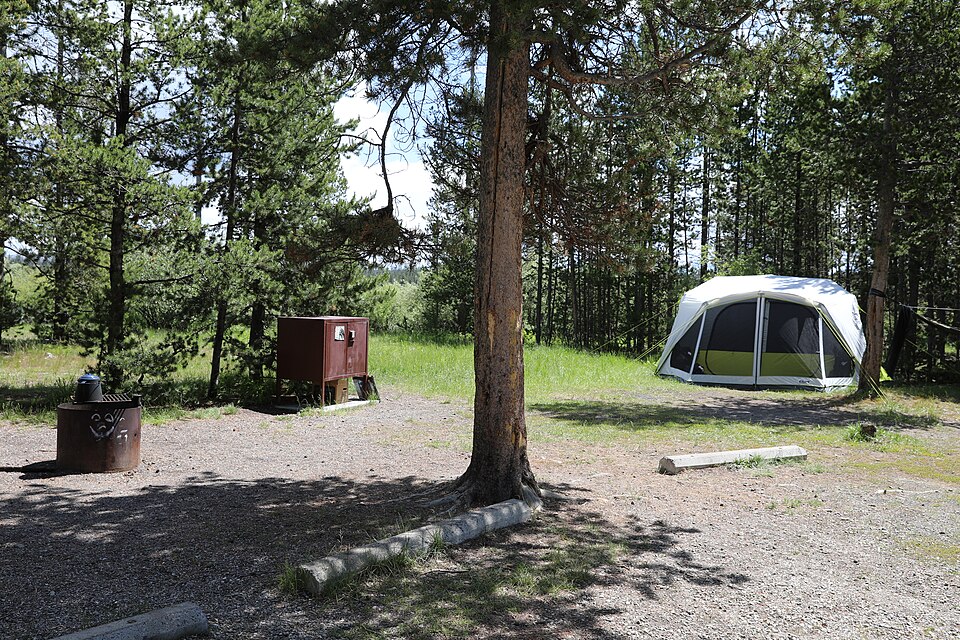
Where to sleep
Harvest Hosts stays on the way to Great Smoky Mountains National Park
Partner link · Harvest Hosts
Match the Accommodation to the Season
Spring and fall can be especially pleasant for porch time and outdoor meals, but cool nights make bedding and dependable heat important. Ask how the unit is heated and whether bathrooms are enclosed and heated too. Fall foliage weekends attract strong demand, so reserve once your dates are settled and read cancellation terms carefully. Spring rain makes covered sitting space and a dry route to bathrooms valuable features.
Summer brings warm, humid conditions at lower elevations. A fan is not the same as air conditioning, and a canvas tent may retain daytime heat. Look for clear information about ventilation, shade, and insect screens. In winter, confirm that the property operates during your dates and ask about freeze-related water interruptions and snowy access roads. Mountain views do not guarantee comfortable outdoor weather. Check official park alerts separately from your lodging's updates, since an open property does not mean every park road is open.
Glamping vs. Camping vs. RV: Compare the Full Stay
Glamping suits travelers who want an outdoor setting without transporting a full sleeping setup. Traditional tent camping usually reduces lodging costs but adds gear, setup, and weather exposure. RV travel provides your own sleeping space and kitchen, yet requires attention to site dimensions, road restrictions, and utility needs. National park frontcountry campgrounds generally do not provide hookups or showers, so verify facilities rather than expecting private RV park amenities.
As a rough planning guide, furnished glamping often costs more than a basic campsite and may approach cabin or hotel spending once fees are included. Compare the full stay, including cleaning charges, meals, fuel, and cancellation terms, rather than just the nightly headline. At every accommodation, follow food and trash rules in bear country. Confirm whether fires are allowed and what firewood rules apply. Check the official NPS website for campground reservations, parking requirements, current restrictions, and conditions before setting your daily plans.