
Great Sand Dunes is more than a quick stop for a photograph: its open dune field rewards slow wandering, while nearby forest trails offer a different perspective on the landscape. Most first-time visitors can enjoy the highlights in one or two days without attempting the tallest summits. Build your plans around cooler sand, changing weather, and the seasonal flow of Medano Creek rather than a rigid checklist.
Walk the Dunes and Try Sand Sledding
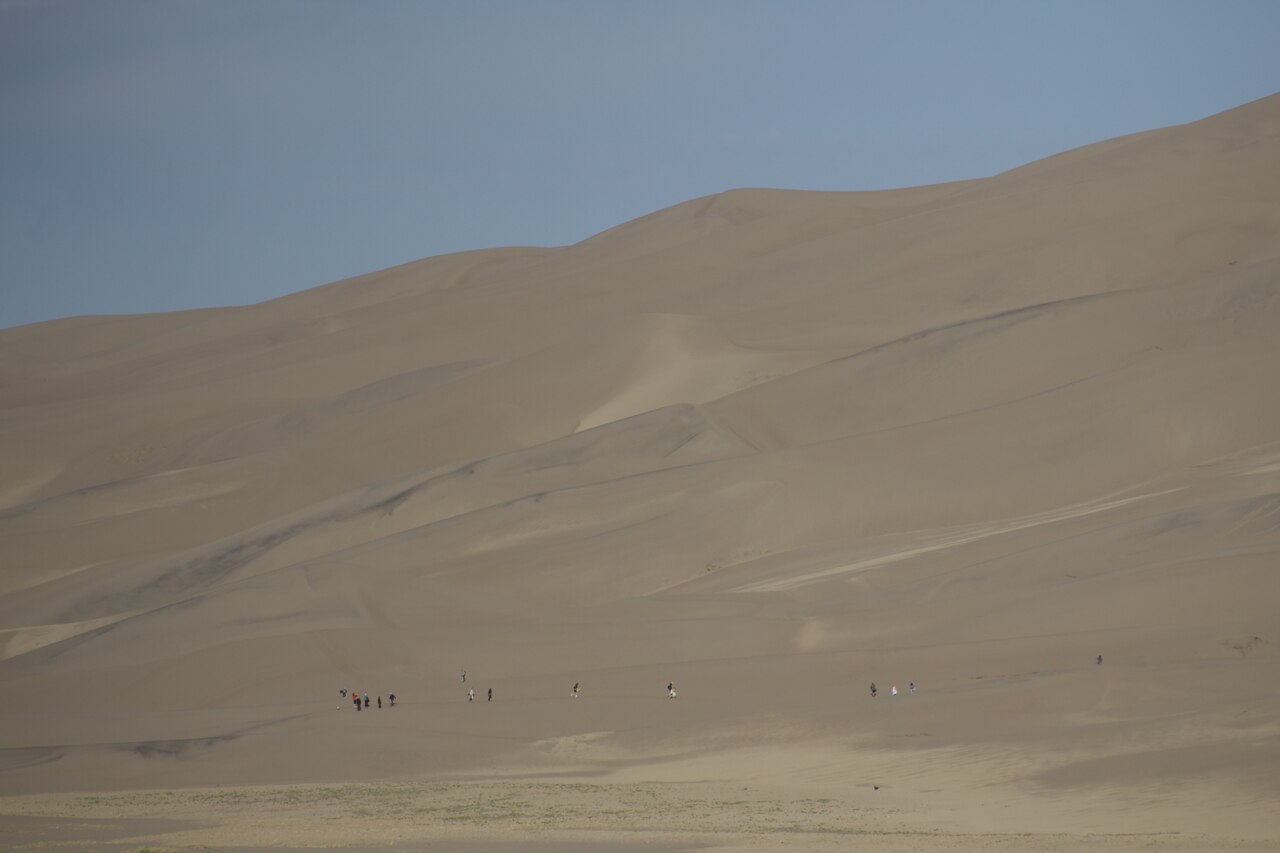
The dune field has no marked hiking trails, so you can choose a short ridge walk or a more demanding climb. High Dune on the first ridge is a familiar destination, but it is not the park’s tallest dune. Soft sand slows progress, and the return still requires energy, water, and attention to your route.
Sand sledding and sandboarding add another way to experience the slopes. Purpose-built sand equipment works better than ordinary snow sleds; arrange rentals outside the park and confirm availability directly. Start on a modest slope with a clear runout. Early outings generally offer cooler sand, but always check wind, weather, and surface conditions before heading out.
Add Forest Trails and Scenic Roads
For a change from open sand, consider the Montville Nature Trail, a short loop with shade and views toward the dunes. The longer Mosca Pass Trail climbs through forest and requires more time and effort. Choose your route based on current trail conditions, your available daylight, and how much energy you used in the dunes.
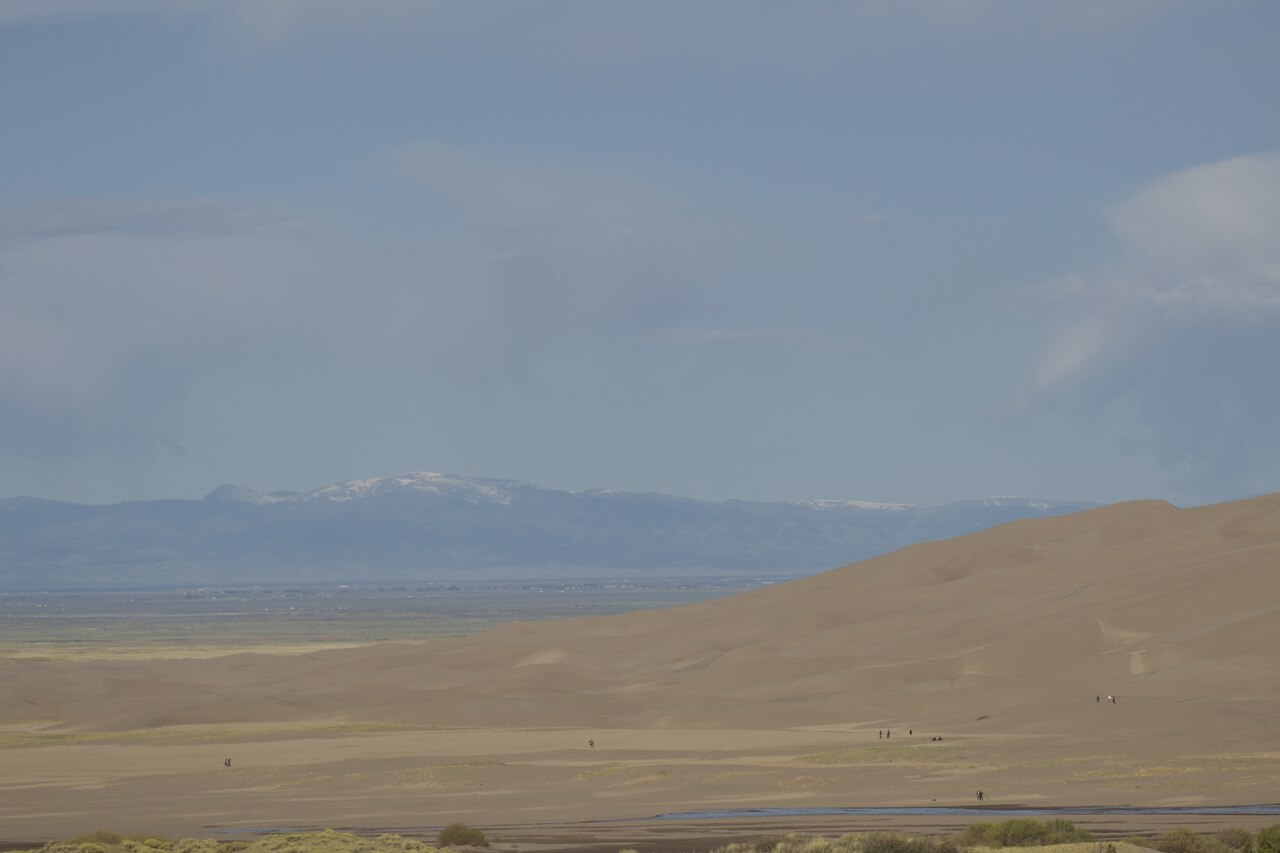
The paved approach road provides broad views of the dune field and mountain backdrop, with designated places to stop. Medano Pass Primitive Road is a different undertaking: it requires an appropriate high-clearance, four-wheel-drive vehicle and can involve deep sand and creek crossings. Check NPS road reports before considering it; do not treat it as a standard rental-car scenic drive.
Enjoy Medano Creek and Watch for Wildlife
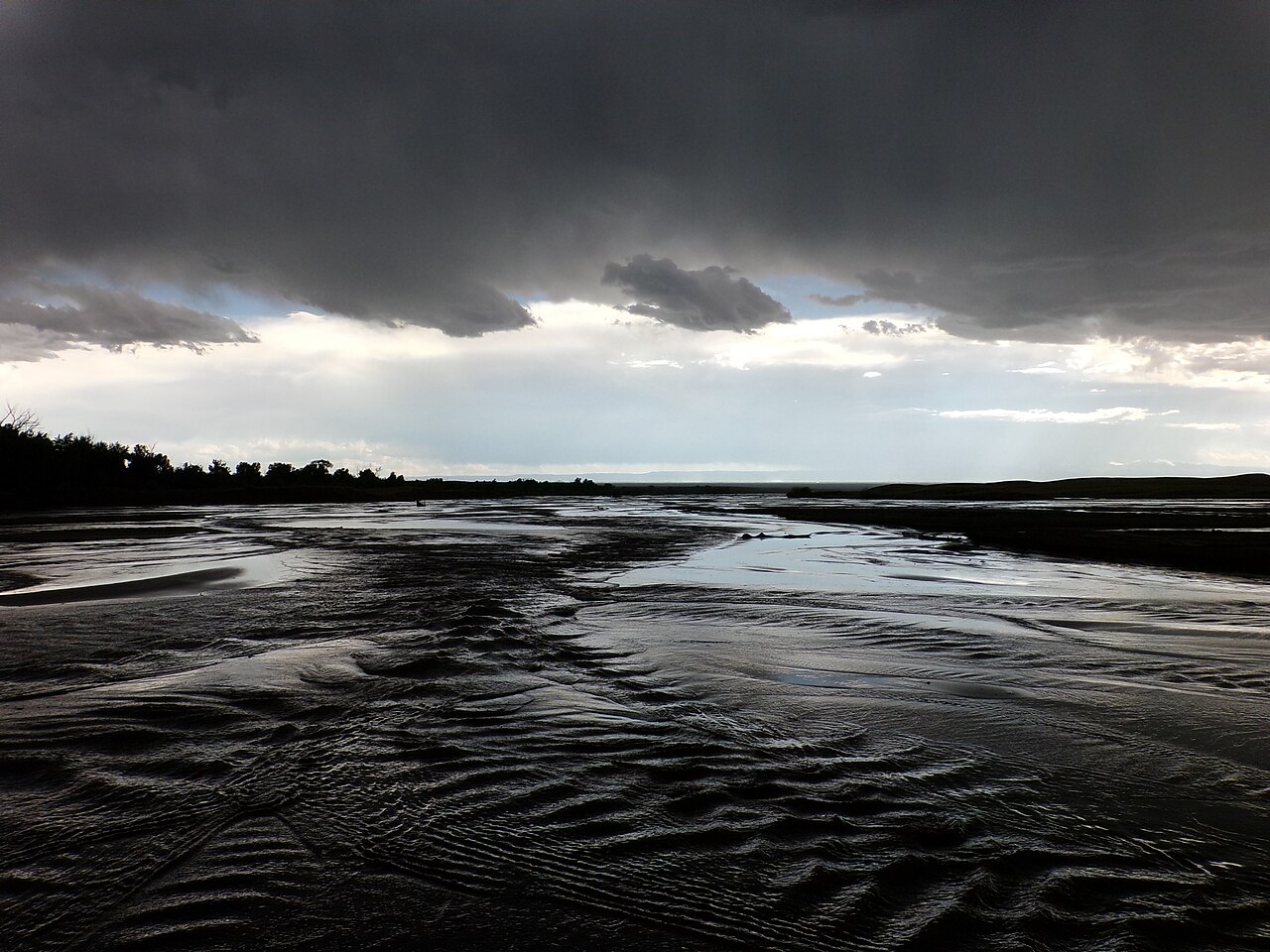
When snowmelt brings Medano Creek to the main dune access area, shallow channels can create a memorable place to wade and watch moving sand. Its distinctive surge flow sometimes sends small pulses of water downstream. Flow varies by season and year, so check the official NPS creek information before making it the centerpiece of your visit.
Wildlife watching requires patience rather than a guaranteed stop. Mule deer, birds, and other animals use the park’s grasslands, wetlands, and forest edges. Bring binoculars, keep your distance, and never feed wildlife. Wet areas can also attract mosquitoes during warmer periods, making insect repellent useful when the creek is running and the surrounding ground stays damp.
Make It a Good Day with Kids
Children do not need a major summit to enjoy the dunes. A low ridge, a small patch of sand for digging, or seasonal creek play can fill an unhurried morning. Keep the turnaround point flexible because climbing loose sand takes more effort than the same distance on a firm trail.
Bring closed-toe shoes, sun hats, water, snacks, and a change of clothes if creek conditions invite splashing. Keep children within close reach around water and check sand conditions before letting them play. Ask at the visitor center about the Junior Ranger program and current ranger activities. A short visit with time for breaks often works better than combining several ambitious hikes.
Have a Rainy-Day and Storm Plan
Wind, rain, or thunderstorms may shift your plans away from the dune field. When open, the visitor center offers exhibits that explain how the dunes formed and how the surrounding mountains, water, and wind shape the landscape. Check the official park site for current facility access and ranger program information.
Do not use a dune ridge or an isolated tree as a place to wait out lightning. Move to an appropriate enclosed building or hard-topped vehicle when storms threaten. For a longer weather break, head toward Alamosa for a meal and indoor time, checking local attraction information directly. Return to outdoor plans only after reassessing the forecast, road conditions, and remaining daylight.