
May through June and September through October are good starting points for planning a Great Sand Dunes trip, but they offer different experiences. Spring can bring flowing water in Medano Creek, while fall usually favors cooler dune walks and quieter evenings. In this high-elevation corner of Southern Colorado, wind, cold nights, and fast-changing weather matter as much as the calendar, especially if you plan to camp.
Spring: Creek Season and Changeable Weather
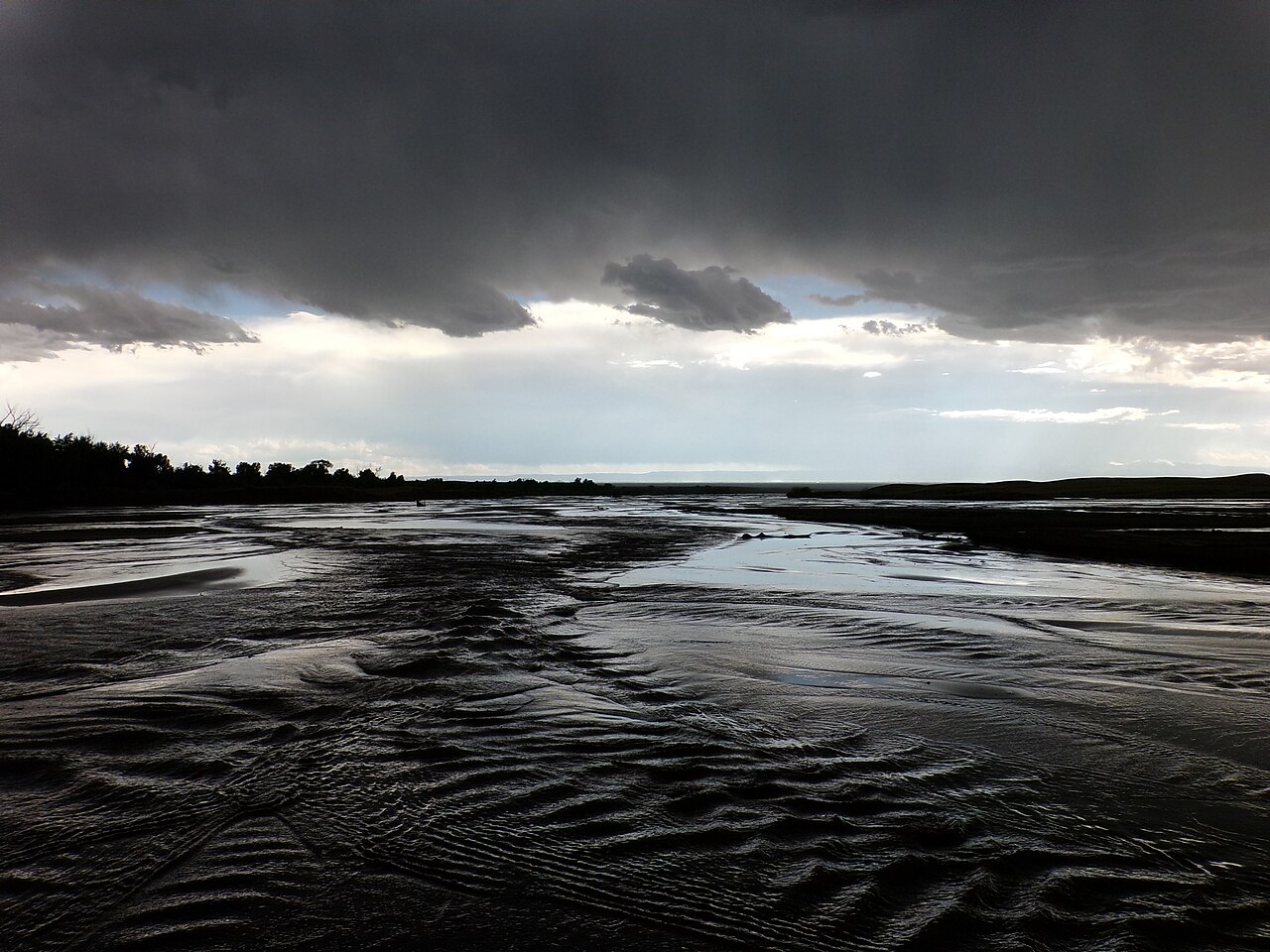
Spring brings one of the park’s signature sights: Medano Creek flowing along the base of the dunes. Snowmelt drives the flow, which often peaks around late May or early June, but its timing and strength vary considerably with the mountain snowpack. Never build a trip around guaranteed creek conditions.
March and April can still feel wintry, and spring winds can make exposed dune walks uncomfortable. May offers a useful balance of longer days and generally cooler sand than midsummer. Pack warm layers alongside sun protection, and check the official NPS creek forecast and weather information before leaving home. Weekends around peak creek flow attract substantial crowds.
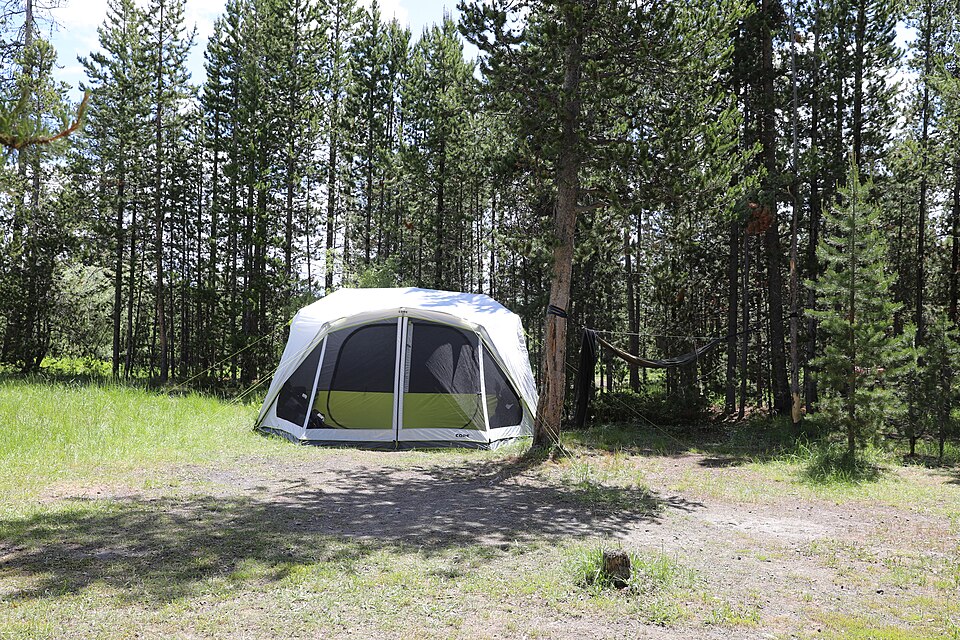
Lock in a stay for this season
RV parks near Great Sand Dunes National Park on RoverPass
Partner link · RoverPass
Summer: Early Starts and Afternoon Flexibility
Summer offers long daylight hours, but the sand surface can become much hotter than the air. Start dune walks early, wear closed-toe footwear, and carry water rather than judging conditions from the temperature at your campsite. By later summer, Medano Creek often recedes or disappears near the main visitor area.
Afternoon thunderstorms are another reason to keep plans flexible. Open dunes provide little shelter from lightning, so turn back well before a storm reaches you rather than pushing toward a summit. Summer is popular with families, particularly on weekends. Reserve lodging or camping once your dates are firm, and leave room in your schedule for weather-related changes.
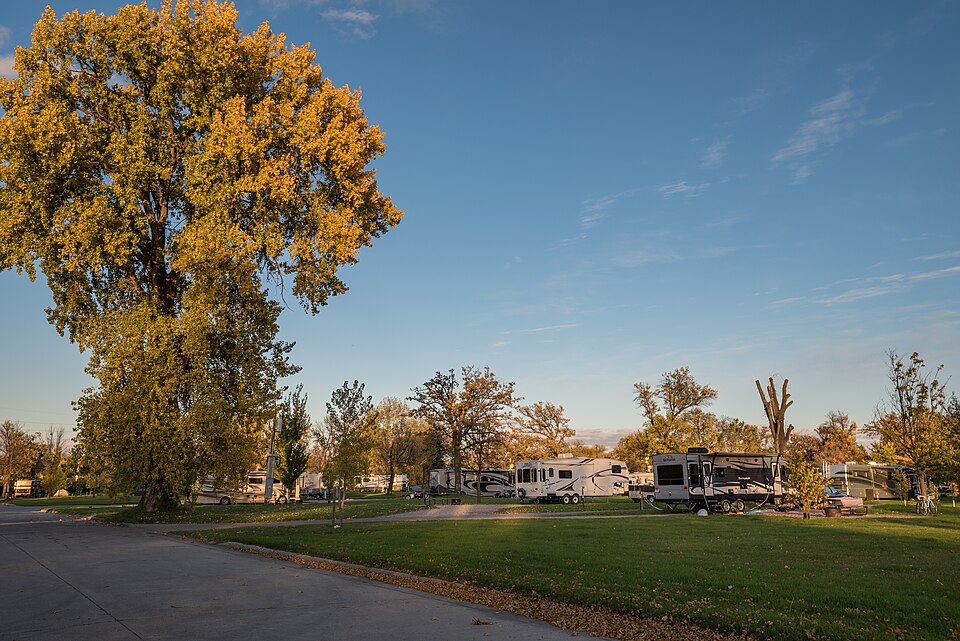
Lock in a stay for this season
Campsites near Great Sand Dunes National Park on Campspot
Partner link · Campspot
Fall: Cooler Walks and Quieter Weekdays
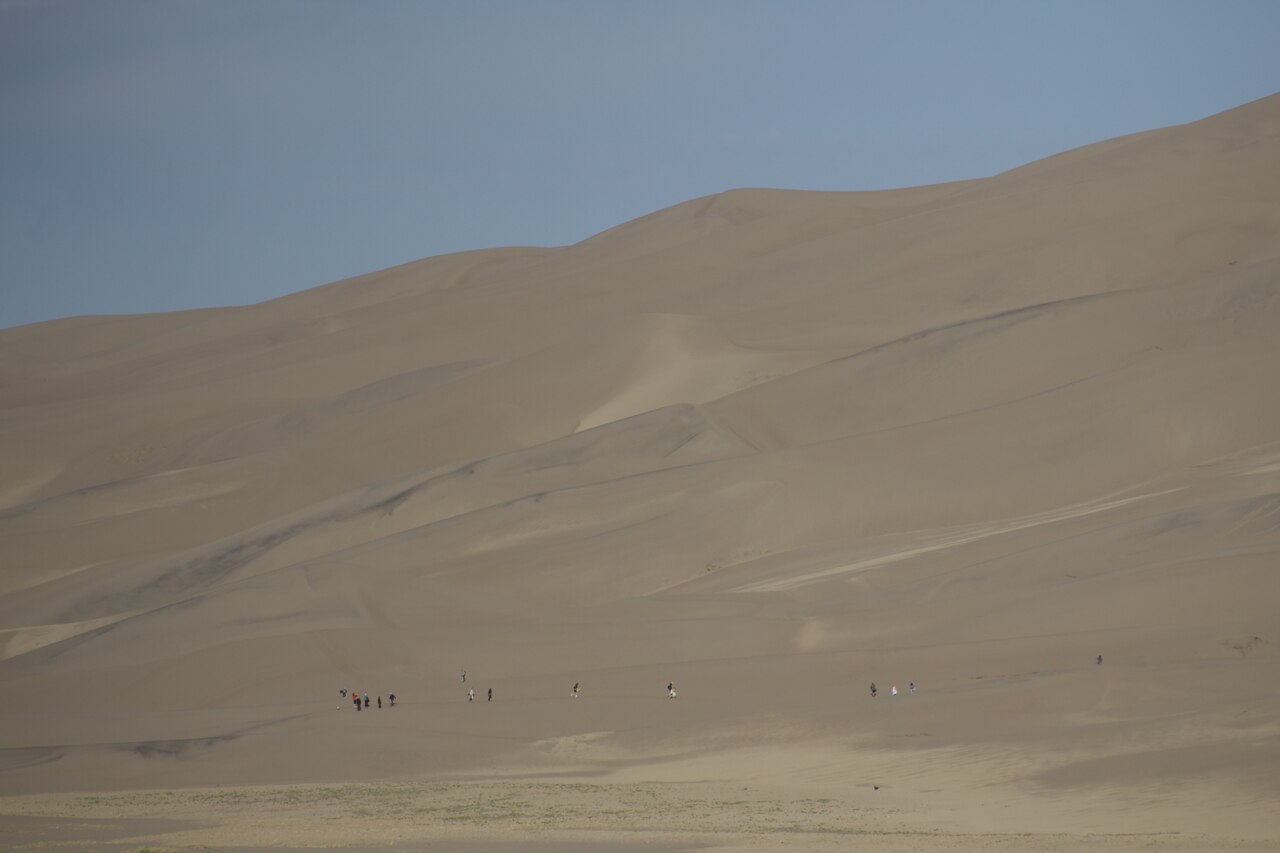
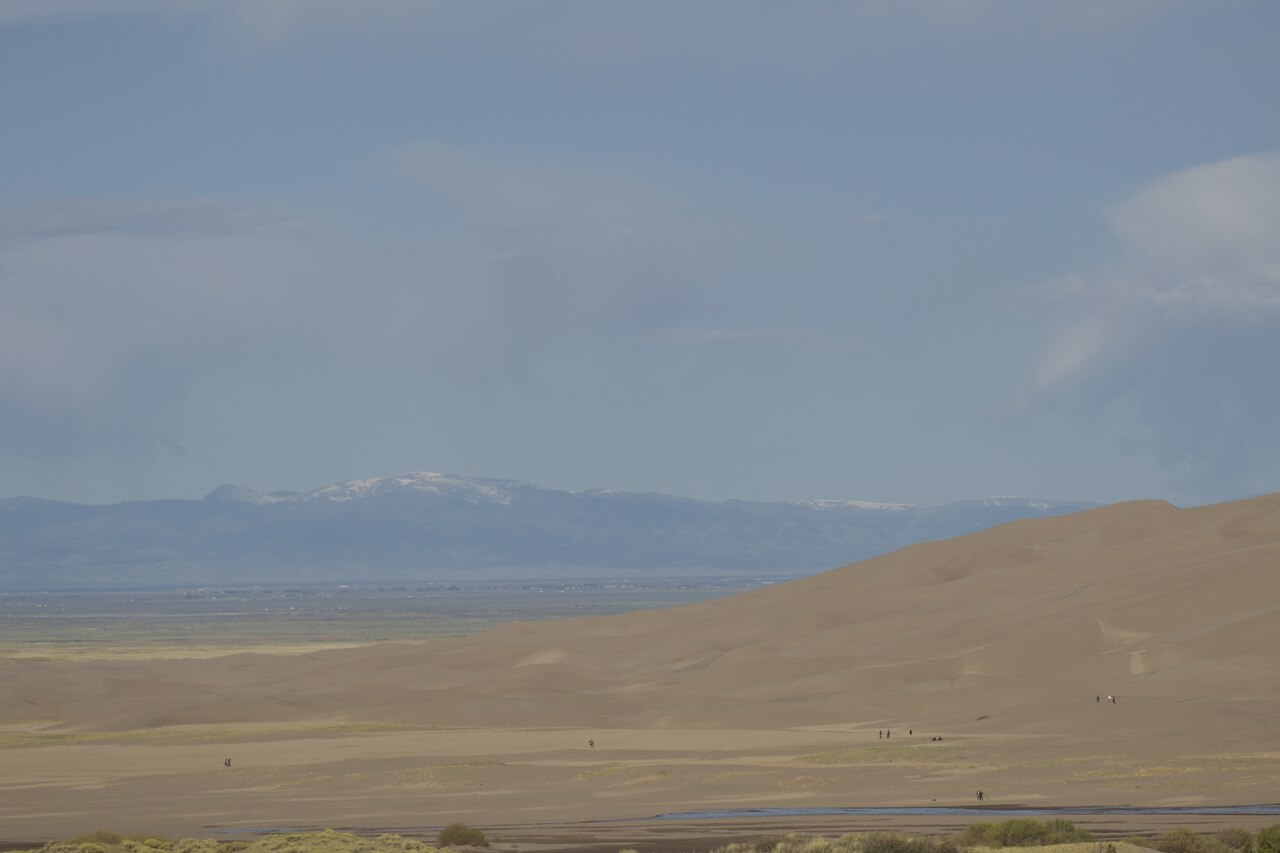
September and October are appealing for visitors who care more about dune hiking than creek play. Cooler conditions can make longer walks more comfortable, and weekday visits often feel less busy than peak summer or spring creek weekends. The contrast between the dunes and the Sangre de Cristo Mountains remains the main attraction.
Expect chilly nights and a growing chance of freezing temperatures as fall progresses. Early snow can affect mountain routes and higher-elevation outings even when the main dune field remains accessible. Bring layers you can add quickly, and avoid assuming a sunny forecast means a warm evening. Check seasonal campground and lodging availability before committing to an overnight plan.
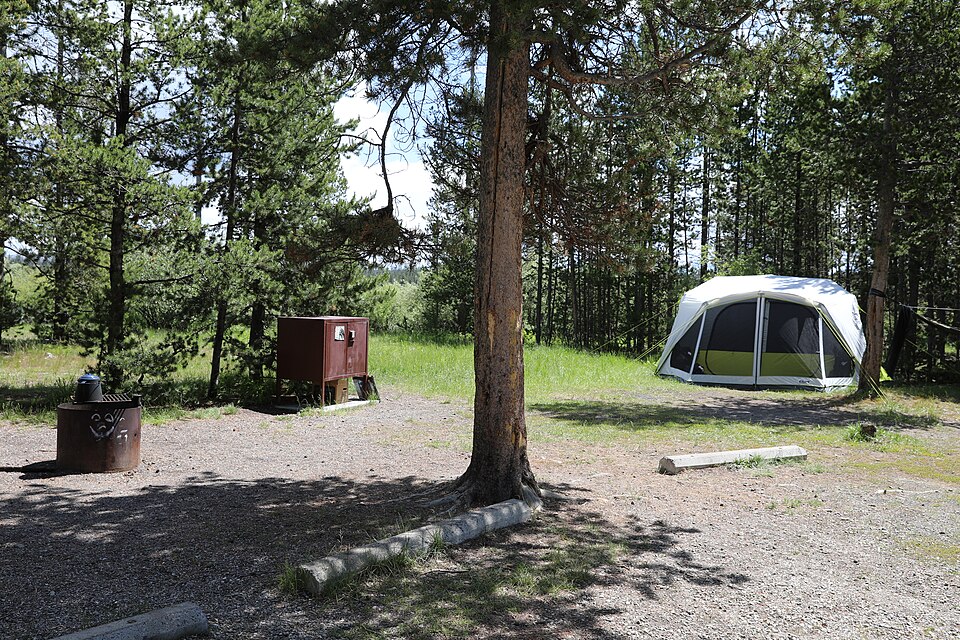
Lock in a stay for this season
Harvest Hosts stays on the way to Great Sand Dunes National Park
Partner link · Harvest Hosts
Winter: Solitude with More Planning
Winter can bring snow-dusted dunes, crisp mountain views, and far fewer visitors. It is a compelling season for photography or a short walk, but not the easiest choice for a first camping trip here. Cold temperatures, wind, icy roads, and limited seasonal services can complicate even a brief visit.
Stay in a gateway community if you want a more sheltered base, and keep your driving schedule flexible around storms. Daylight is shorter, so plan outdoor time around the middle of the day without assuming the sand will be warm. Check the official park site for road conditions, facility availability, and alerts before traveling from Alamosa, Mosca, or Fort Garland.
Crowds, Reservations, and When to Book
For a practical balance, target a weekday in May, early June, September, or early October. Choose late spring if seeing Medano Creek is your priority, while remembering that runoff is never guaranteed. Choose fall if you prefer cooler dune exploration and do not need water play to anchor the trip.
Popular campground dates and holiday weekends deserve early planning. Check the official NPS site for the current Piñon Flats Campground reservation window and follow its linked reservation system rather than relying on an old booking calendar. Gateway lodging also merits advance reservations during busy periods. Before departure, recheck weather, creek conditions, fire restrictions, and any access changes that could reshape your visit.
More ways to book Great Sand Dunes National Park
 Illustrative · Eamesheard
Medano Creek Wading
One of the classic ways to experience Great Sand Dunes.
Varies (estimate)
Partner link · Viator