
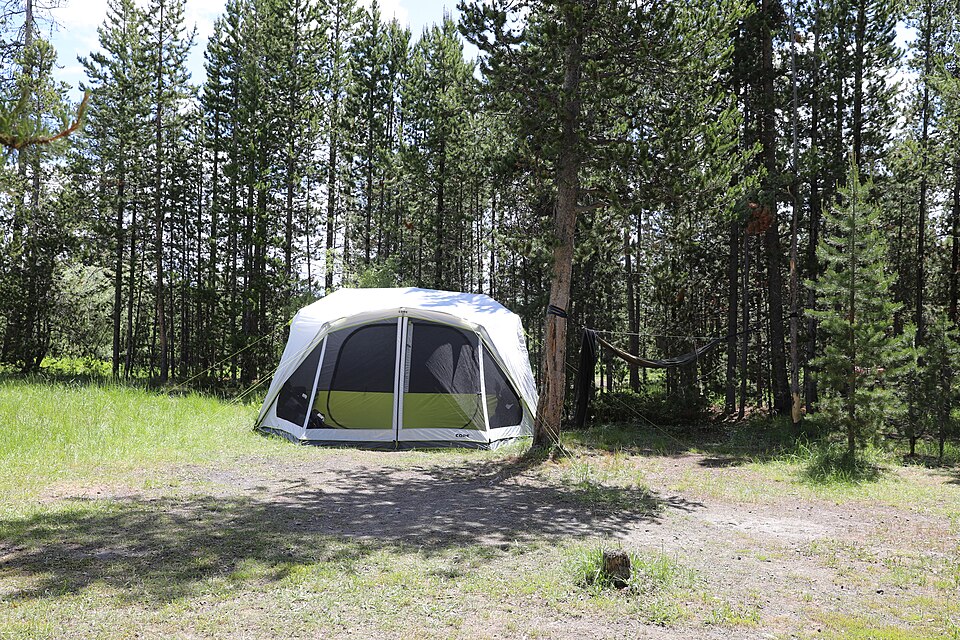
Near Great Sand Dunes, glamping is best treated as a search for a comfortable outdoor-style base rather than one standard type of accommodation. Depending on current listings, that might mean a furnished tent, yurt, or cabin in the wider San Luis Valley. The important details are shelter from wind, bedding suited to cold nights, bathroom access, and the actual drive to the park—not just a photograph of dunes or mountains.
What Glamping Looks Like Near the Park
Glamping generally adds a real bed and some equipment to an outdoor stay, but the term does not guarantee heat, electricity, a private bathroom, or cooking facilities. A canvas tent with shared facilities feels very different from an insulated cabin. Read the full amenity list and ask how the accommodation handles cold nights and strong wind.
Do not assume a listing described as near Great Sand Dunes is inside the national park. Verify its map location and driving route to the main dune access area. If you want an in-park stay, consult the official NPS camping information; standard campsites should not be mistaken for furnished lodging. Confirm seasonal availability directly with any property before booking.
Where to sleep
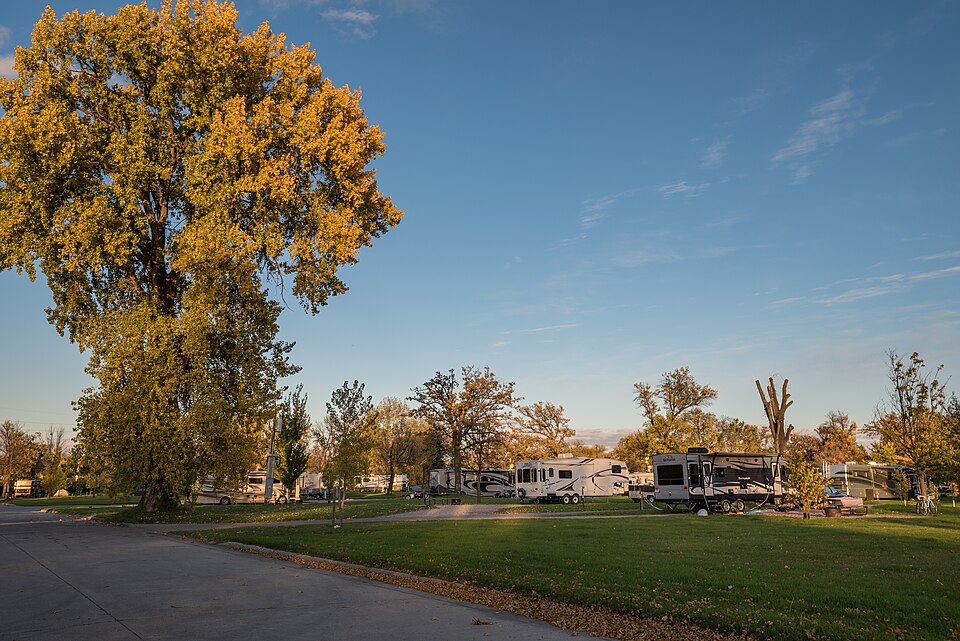
RV parks near Great Sand Dunes National Park on RoverPass
Partner link · RoverPass
Where to Look: Mosca, Alamosa, and Fort Garland
Start your search around Mosca and the park approach if minimizing the drive is your main priority. Check each address carefully: rural properties can be spread out, and a town label alone does not establish proximity to the entrance. Ask whether the final approach is paved or unpaved and whether ordinary passenger cars are suitable.
Alamosa offers a practical supply base and access to the regional airport, making it useful for travelers who value restaurants and groceries alongside park time. Fort Garland is another gateway area worth comparing, particularly if it fits your broader route. These are search areas, not promises of glamping inventory. Compare actual drive times, cancellation terms, and services before choosing.
Choose Your Season for Overnight Comfort
May and June can pair an outdoor-style stay with seasonal Medano Creek visits, while September and early October often suit travelers focused on dune hiking. Neither period guarantees mild nights. The San Luis Valley’s high elevation makes warm bedding and reliable shelter important even when afternoon sunshine feels strong.
Summer can work well if your accommodation has ventilation and shade, but exposed tents may be uncomfortable during hot afternoons. Thunderstorms and wind also deserve consideration when assessing the setup. In cooler months, ask whether the property is operating and what heating it actually provides. Never assume a decorative stove or a photograph of blankets means the space is prepared for freezing conditions.
Where to sleep
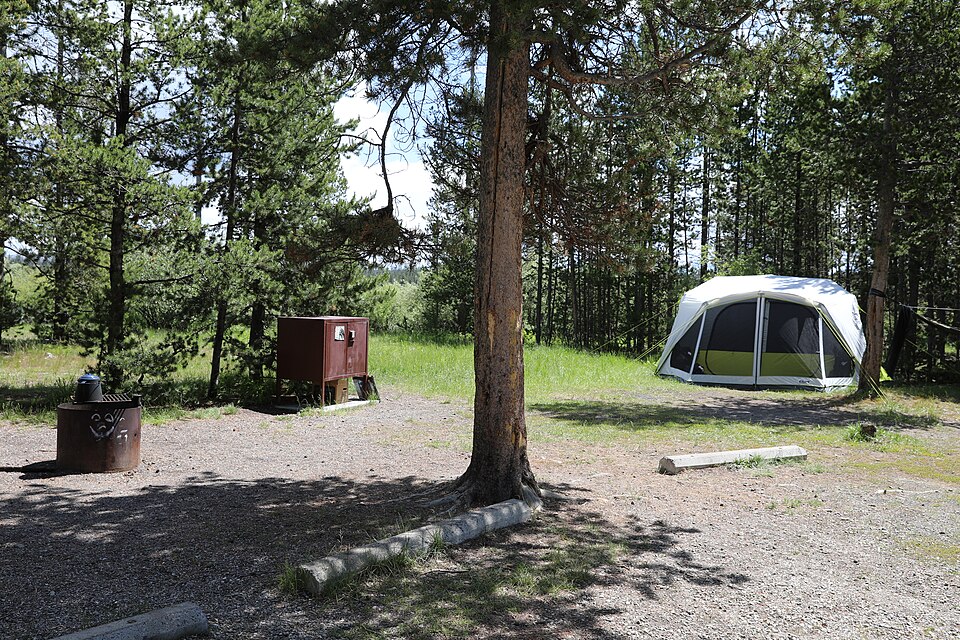
Harvest Hosts stays on the way to Great Sand Dunes National Park
Partner link · Harvest Hosts
What to Pack and What to Confirm
Pack warm layers, a wind-resistant outer layer, sun protection, closed-toe walking shoes, a headlamp, and refillable water containers. Add insect repellent for warmer periods near wet areas and a change of clothes for seasonal creek visits. Sand gets into bags and footwear easily, so bring a simple way to separate sandy gear from bedding.
Before arrival, confirm whether linens, towels, drinking water, cooking equipment, refrigeration, and charging outlets are provided. Ask about bathroom distance, nighttime lighting, and parking rather than filling gaps with assumptions. Check current fire restrictions before planning an evening fire, and use only permitted facilities. Store food as directed by the property, and never use outdoor cooking equipment inside a sleeping space.
Glamping vs. Camping vs. an RV Stay
Choose glamping if you want less setup and a bed, while accepting that comfort depends on the specific property. Traditional camping gives you more control over your gear and often a lower lodging cost, but you must supply bedding and weather protection. RV travel provides an enclosed living space, yet site size, access, hookups, and waste disposal require separate checks.
Compare rough total costs rather than nightly rates alone: cleaning charges, equipment, extra driving, and meals can shift the balance. For park camping, use the official NPS site to verify reservations and facilities; do not assume hookups are available. Whatever you choose, prioritize a setup that supports early dune visits and a comfortable retreat when the weather changes.