
The Grand Teton region rewards a mix of active mornings and unhurried sightseeing, especially when you have three to five days to explore. You can hike beneath steep mountain walls, watch wildlife across sagebrush flats, and spend time beside lakes without changing bases every night. Pick one main outing each day, then leave room for weather changes, busy parking areas, and the viewpoints you discover along the way.
Drive the Valley for Big Mountain Views
Combine Teton Park Road with US 26/89/191 for a broad introduction to the park when seasonal roads are open. Stop at designated overlooks rather than trying to take photographs from the roadway. The two routes offer different perspectives: one brings you closer to the mountain front, while the highway side opens up longer views across the valley. Allow time for pullouts instead of treating the drive as a mileage challenge.
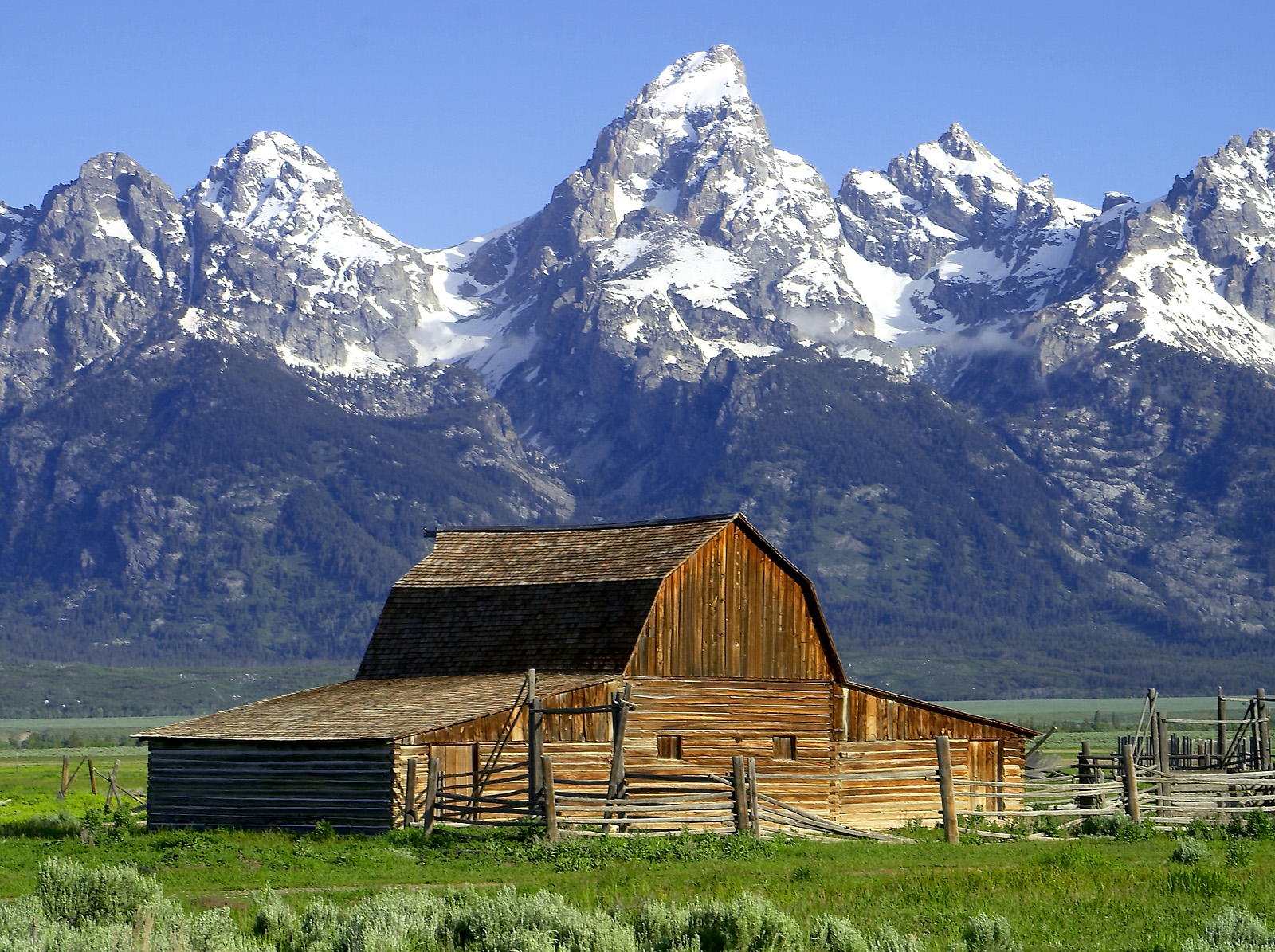
Schwabacher Landing, Snake River Overlook, Oxbow Bend, and Mormon Row are established stops with distinct landscapes. Access roads and parking conditions vary, especially outside summer, so check before committing to a specific route. Mormon Row adds historic homesteading context to the mountain scenery. Early or late light can be especially attractive, but wildlife-related congestion and changing weather may slow any drive. Keep your schedule loose and use marked parking areas.
Choose a Hike That Matches the Conditions
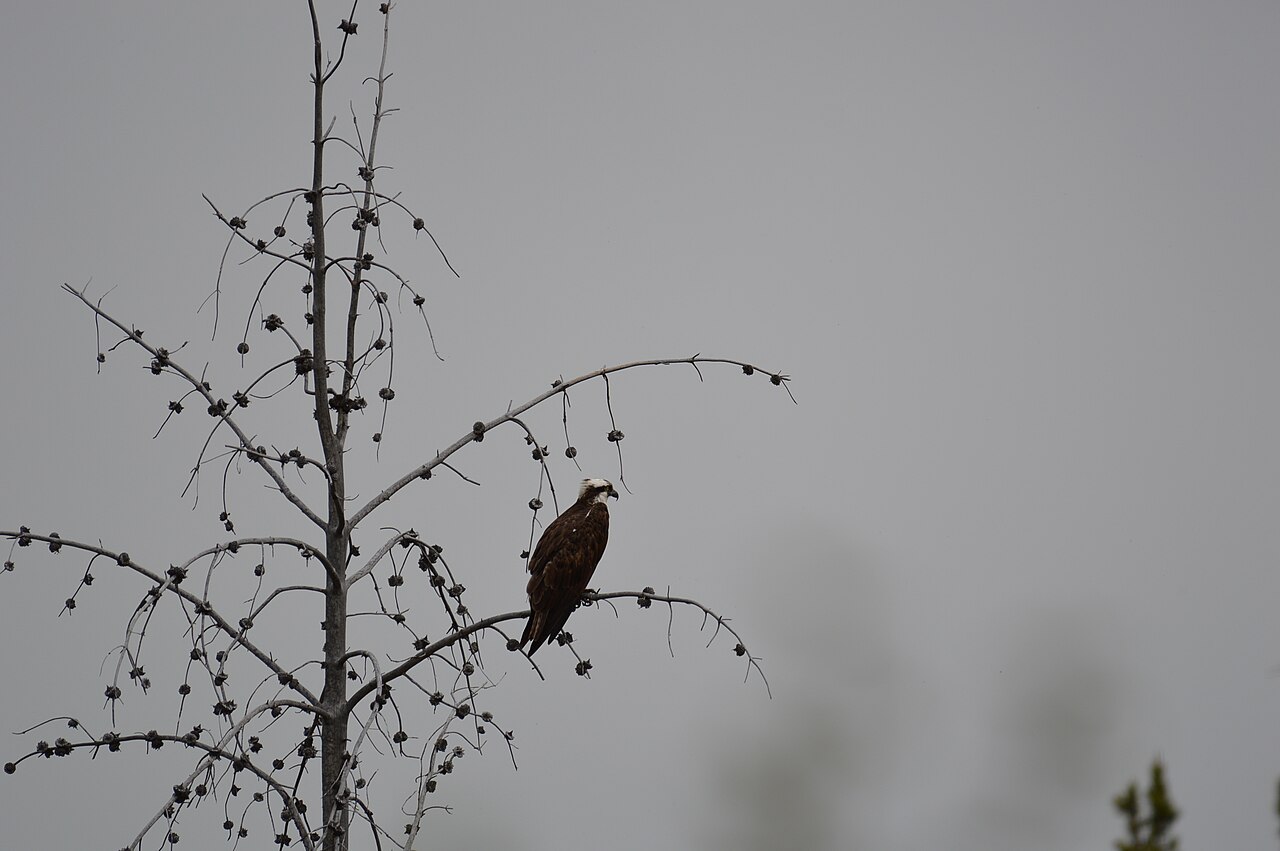
Jenny Lake is a natural starting point for hiking, with routes toward Hidden Falls and Inspiration Point among the park's most familiar outings. The seasonal shuttle boat can shorten some approaches, but it involves a separate fare, operating schedules, and possible lines. Walking around the lake changes the effort substantially, so confirm your complete route rather than judging the outing by its destination alone.
Taggart Lake offers another classic mountain-and-water hike, while String Lake provides options for a more relaxed shoreline outing. Check distances, elevation gain, and current trail reports before choosing. Snow can linger beyond the valley's spring thaw, and even popular paths may be rocky or uneven. Carry water, layers, food, and bear spray, and know how to use it. For longer canyon hikes, turn around with enough time and energy for the return journey.
Watch Wildlife and Spend Time by the Water
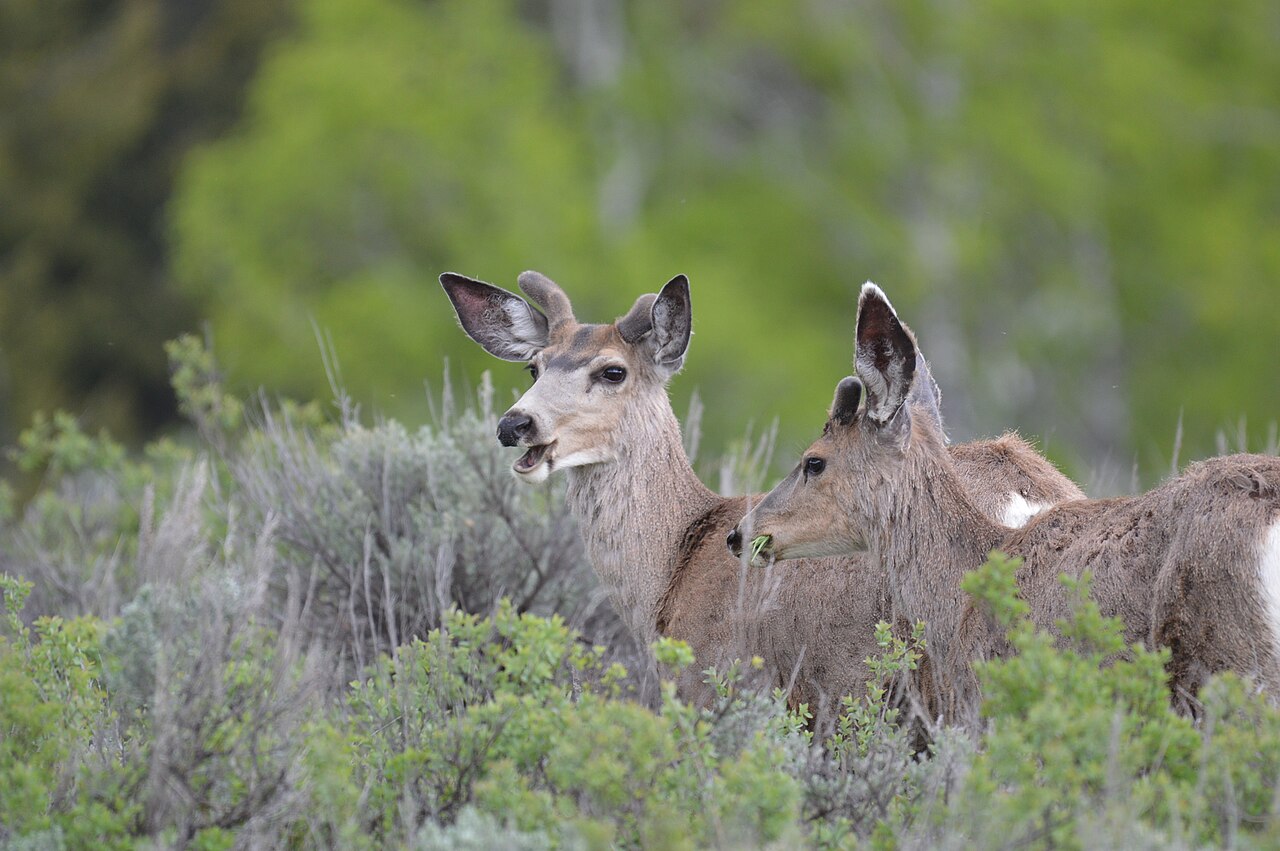
The park's lakes, wetlands, and sagebrush flats support a wide range of wildlife. Scan open country around Antelope Flats for bison and pronghorn, and watch wetland edges for moose without assuming any sighting is guaranteed. Dawn and evening can be productive, but animals move on their own schedules. Binoculars let you observe without approaching, and designated pullouts keep viewing stops from blocking traffic.
Follow NPS wildlife-distance rules and never feed animals. If an animal changes its behavior because of your presence, give it more room. Lakes such as Jenny, String, and Jackson also invite shoreline picnics or paddling, but mountain water is cold and winds can rise quickly. Wear a properly fitted life jacket when boating. Before bringing or renting a watercraft, check current park permits, Wyoming aquatic invasive species requirements, inspection rules, and any launch restrictions.
Make the Park Work for Kids
With children, build the day around one manageable walk and one place to linger. A short stretch of lakeshore, a visitor center stop, and a picnic often work better than a full schedule of overlooks. String Lake and Jenny Lake can provide engaging shoreline time, but stay attentive around cold water and avoid assuming a beach-like setting makes swimming appropriate. Bring warm layers even on sunny mornings.
Ask at an operating park visitor center about Junior Ranger activities and current family programs. Wildlife spotting becomes more engaging when children look for tracks, birds, and habitat rather than waiting only for large mammals. Mormon Row offers another change of pace, with historic buildings viewed from permitted areas. Keep snacks accessible during the day but store all food and scented items according to park rules at camp. Choose turnaround points before everyone becomes tired.
Use Rainy Days for History, Art, and Short Stops
A wet day does not have to mean abandoning the region. When open, the Craig Thomas Discovery and Visitor Center near Moose provides exhibits and trip-planning help, while the Colter Bay Visitor Center offers another indoor stop farther north. Confirm seasonal operations before driving across the park specifically for a building. Jackson also provides restaurants, shops, and indoor breaks outside the national park.
The National Museum of Wildlife Art, north of Jackson, is a place-specific option for spending more time indoors. If rain is light and there is no lightning concern, short walks and roadside viewpoints may still fit between showers. Do not substitute an exposed ridge hike for a canceled lake outing simply to keep moving. Check the official park/NPS site for current conditions, closures, and reservations, then shift your main outdoor activity to the clearest available window.