
The best time to visit the Grand Teton region depends on whether you want accessible hiking trails, quieter scenic drives, or a snowy mountain landscape. Summer offers the broadest access, while fall brings cooler days and changing cottonwoods across Jackson Hole. For a three- to five-day mountain and camping trip, choose your season around trail conditions and campground operations rather than assuming the entire park opens at once.
Spring: Wildlife Watching and a Gradual Thaw
Spring arrives unevenly in Grand Teton National Park. Valley roads and open sagebrush flats can feel sunny while shaded trails and higher elevations remain buried in snow. April and May work better for flexible sightseeing than for a hiking-focused itinerary, especially if your wish list includes mountain lakes or canyon trails. Mud, lingering ice, and cold nights can complicate camping even after daytime temperatures become comfortable.
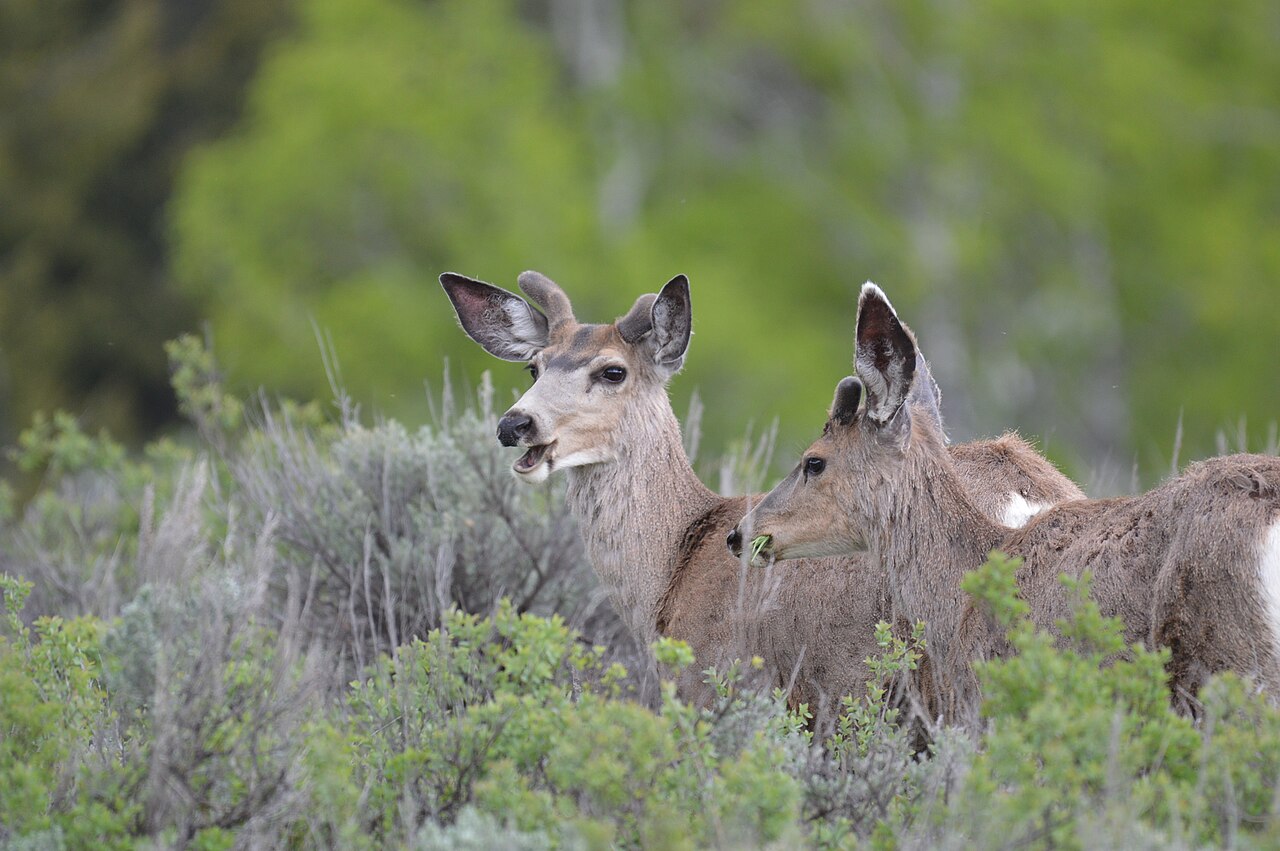
Look for wildlife from established pullouts around the valley, keeping binoculars ready and giving animals plenty of space. Moose-Wilson Road and other seasonal routes may have limited access, so do not build your whole day around one road. Some services and campgrounds reopen gradually rather than together. Check the official NPS website before departure for road status, trail conditions, campground availability, and any temporary closures affecting your plans.
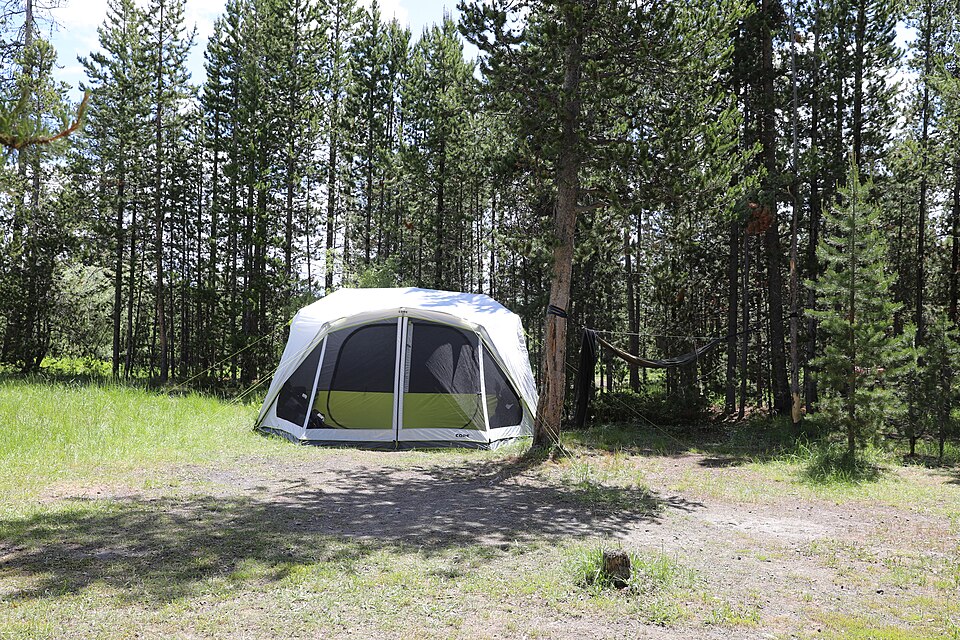
Lock in a stay for this season
RV parks near Grand Teton region on RoverPass
Partner link · RoverPass
Summer: The Widest Access to Trails and Camping
For most first-time visitors, July and August offer the simplest combination of open facilities, accessible valley trails, and long daylight hours. June can also be rewarding, but snow often lingers on higher routes. A trail that looks straightforward on a map may still require winter travel skills early in the season. Choose lower-elevation alternatives when conditions do not match your experience.
Jenny Lake, String Lake, and popular trailheads draw substantial crowds in summer. Arriving early improves your chances of finding parking, though it does not guarantee a space. Reserve campsites and lodging as soon as your dates are firm and the relevant booking window opens. Afternoon thunderstorms can interrupt exposed hikes and paddling, while wildfire smoke sometimes reduces visibility. Carry layers, start ambitious outings early, and keep a shorter valley walk available as a backup.
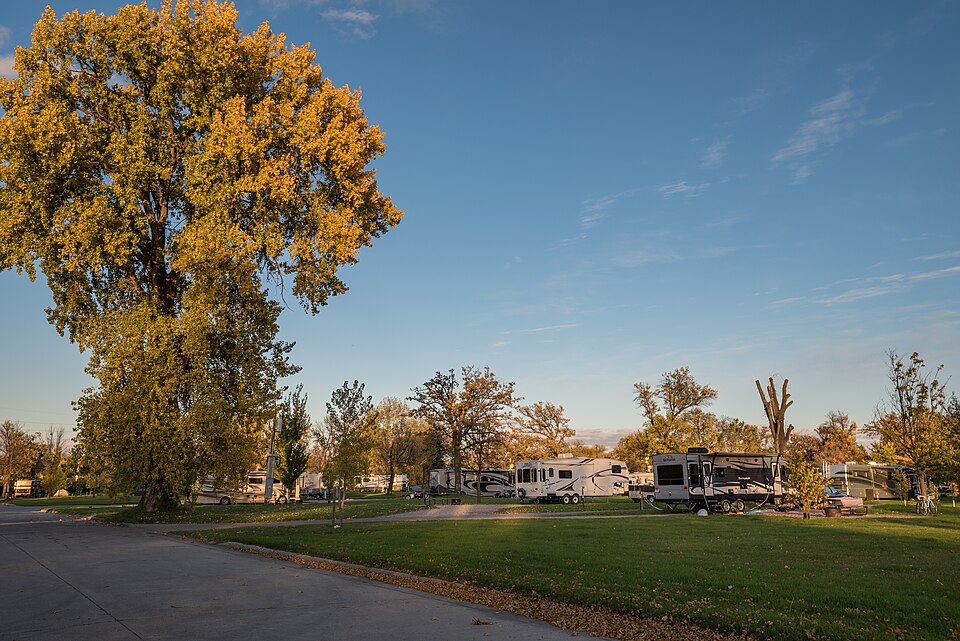
Lock in a stay for this season
Campsites near Grand Teton region on Campspot
Partner link · Campspot
Fall: Crisp Days, Color, and Shorter Operating Seasons
September is a strong choice for visitors who want mountain views, cooler hiking weather, and some relief from peak summer traffic. Aspens and cottonwoods change color at different times depending on elevation and weather, so treat any foliage forecast as an estimate. Oxbow Bend and the Moose-Wilson corridor are well-known places to appreciate the valley's mix of water, trees, and mountain backdrops.
Fall is not automatically quiet. Scenic pullouts still attract photographers, and wildlife activity can create roadside congestion. Elk breeding season makes this an especially important time to observe animals from a distance. Nights become cold, and snow can arrive before your trip feels like a winter vacation. Campgrounds, boat services, and other seasonal facilities begin closing on different schedules. Check individual operating dates before planning a late-September or October camping stay.
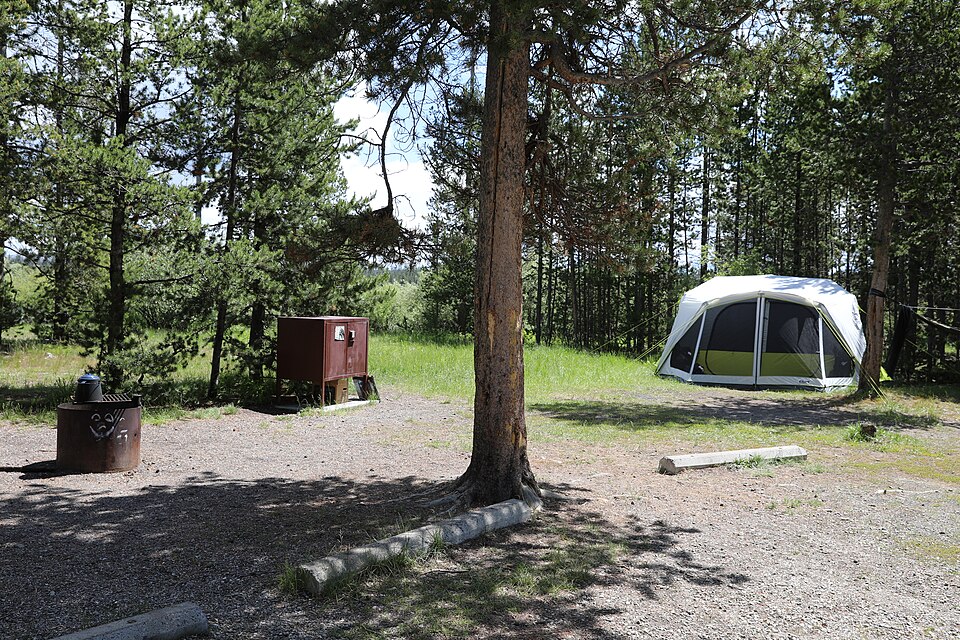
Lock in a stay for this season
Harvest Hosts stays on the way to Grand Teton region
Partner link · Harvest Hosts
Winter: Snowy Scenery with Limited Road Access
Winter changes the Grand Teton region from a summer road-trip destination into a snow-oriented landscape. Portions of Teton Park Road close to motor vehicles seasonally, while other maintained roads provide access to selected viewpoints and communities. The park's familiar summer driving loop is not a winter itinerary. Check current road information rather than relying on a saved summer route.
Cross-country skiing and snowshoeing can be appealing ways to experience the valley, with route choice depending on conditions and your abilities. Mountain terrain introduces avalanche hazards that require appropriate training, equipment, and judgment; a scenic destination does not make a route suitable for beginners. Jackson offers a practical base when camping is less appealing or unavailable. Expect short daylight hours, potentially difficult driving, and sharply reduced park services. Build in weather flexibility and confirm which visitor facilities are operating.
Choosing Dates and Booking in the Right Order
Start with the experience you most want. For a first visit centered on camping and accessible day hikes, mid- to late summer is the most straightforward planning window. For fall scenery and cool walking weather, consider September while accepting shorter days and possible early snow. Spring and winter suit travelers comfortable replacing hikes with roadside scenery or season-specific activities.
Book your overnight base before filling every day with excursions. Popular campgrounds and lodging can fill well ahead of summer visits, and reservation release schedules vary. Backcountry camping requires a park permit; developed campground reservations are a separate process. If a boat service or guided outing matters to your plans, confirm its season and booking requirements next. Finally, review the official Grand Teton NPS website shortly before travel for weather alerts, closures, reservation links, and current conditions. Keep at least one flexible half-day.
More ways to book Grand Teton region
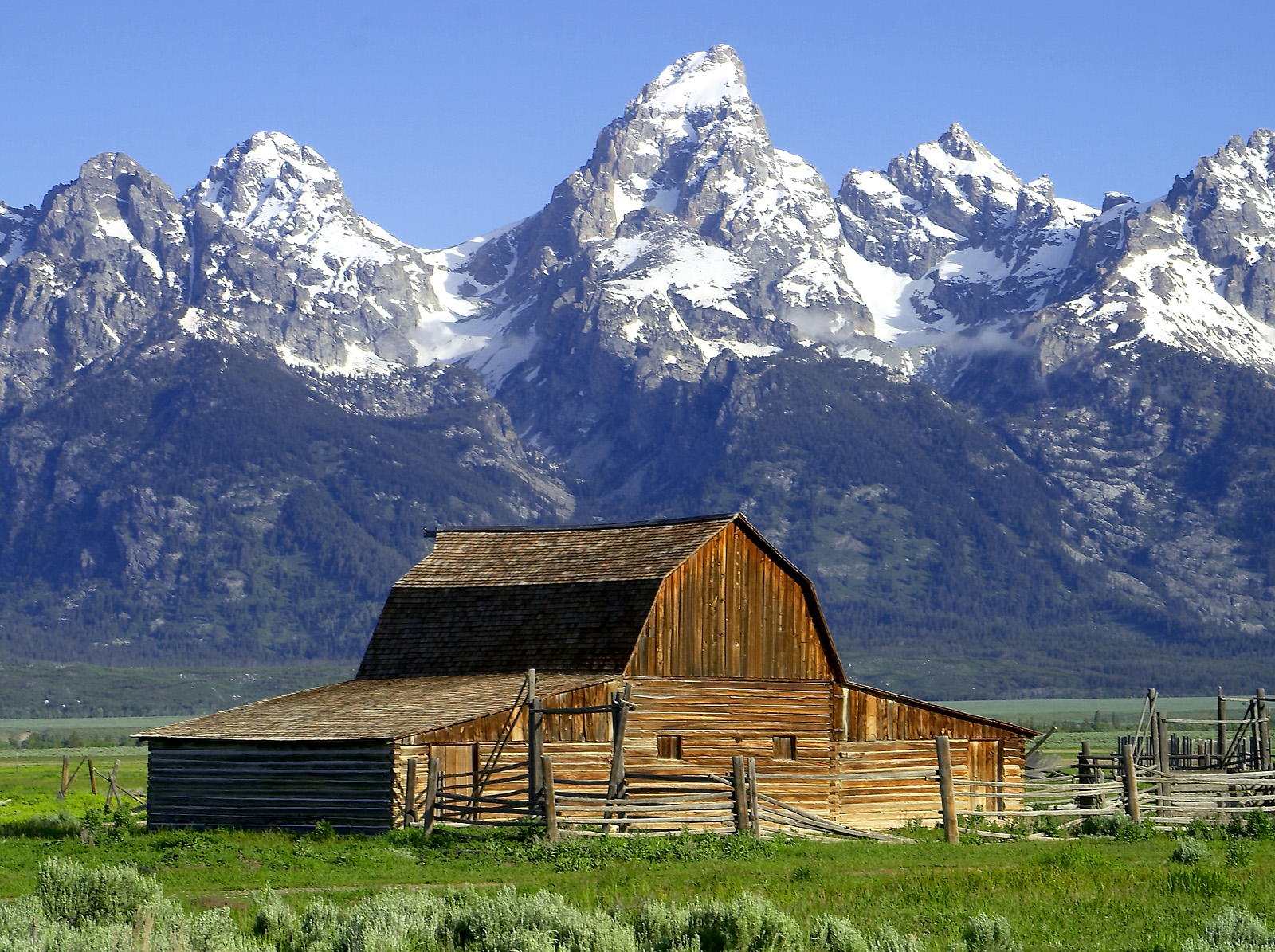 Illustrative · Jon Sullivan, PD Photo.
Mormon Row Photography
One of the classic ways to experience Grand Teton region.
Varies (estimate)
Partner link · Viator