
This Grand Teton region itinerary starts with a gentle arrival day, adds a signature lake hike, and then explores the valley's quieter details. Jackson Hole Airport sits within Grand Teton National Park, making it a useful arrival point, but actual travel time depends on your lodging, route, and conditions. The plan works best during the main road-access season; adjust it using current NPS information if you travel in spring, fall, or winter.
Day 1: Arrive, Get Oriented, and Settle In
After arriving at Jackson Hole Airport or driving into the valley, make groceries, fuel, and overnight check-in your first priorities. Distances between services can make an overlooked supply stop inconvenient, especially when you are camping. Do not schedule a demanding hike around an uncertain arrival time. Instead, choose a visitor center or a few easy viewpoints near your route to begin learning the park's geography.
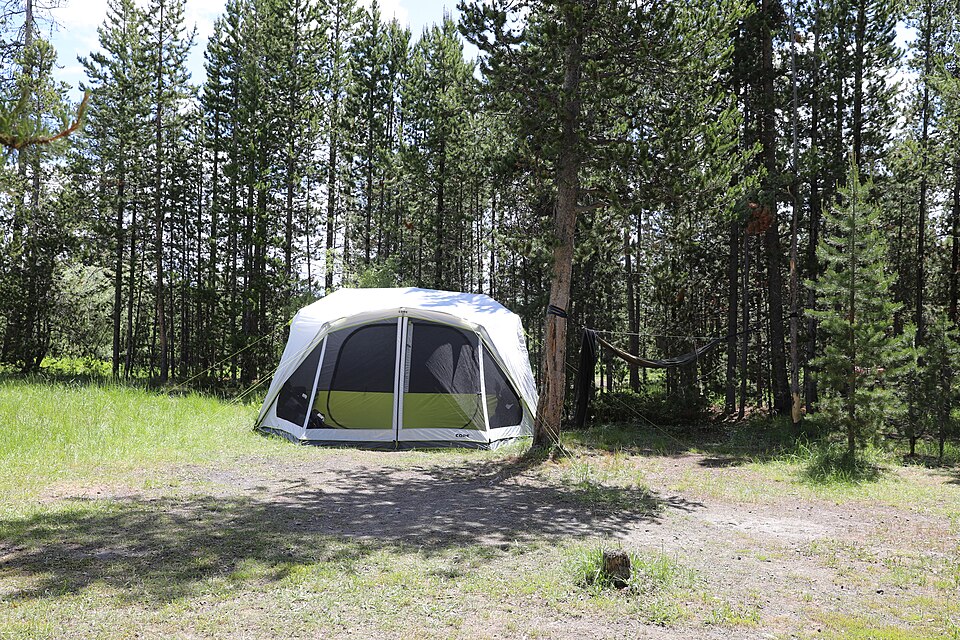
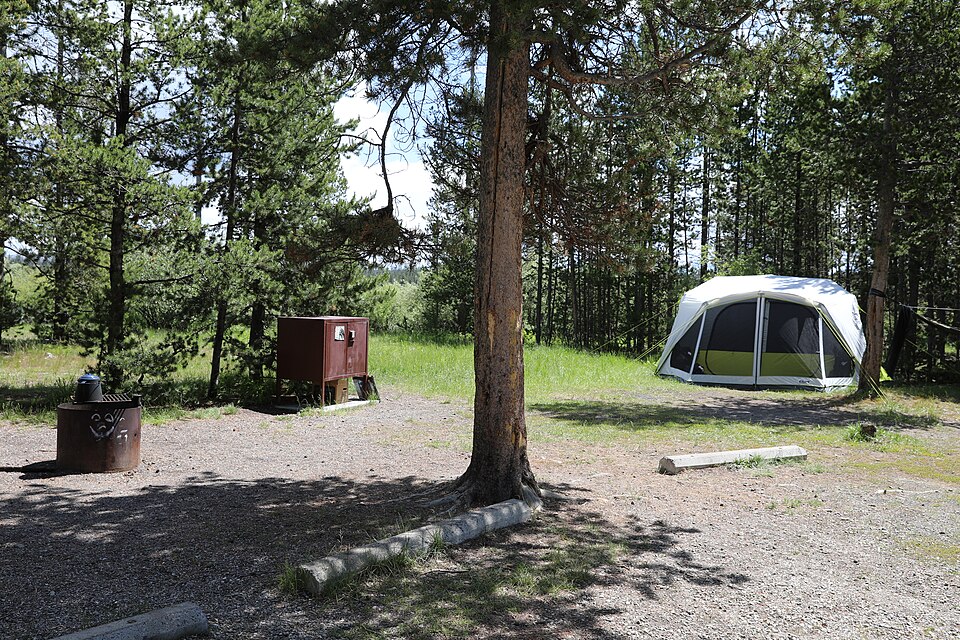
If you are staying toward Moose or Jackson, Mormon Row can fit an introductory outing when access and daylight allow. If your base is farther north, prioritize nearby lakeshore scenery rather than doubling back across the valley. At camp, learn the food-storage rules before unpacking the vehicle. Keep the evening simple, review the next day's forecast, and confirm trail and road conditions on the official NPS website. An early night sets up a better first full day.
Day 2: Jenny Lake and a Mountain-Front Drive
Make Jenny Lake your main outing and arrive early, especially during summer. Choose between a shorter walk near the lakeshore and a hike toward Hidden Falls or Inspiration Point. If you plan to use the seasonal shuttle boat, check its operating status and allow for waiting time. Know how far the return hike would be if your plans change; boat-assisted and entirely on-foot versions are different commitments.
Pack lunch so you can eat when it suits your energy rather than organizing the day around a restaurant stop. After your hike, continue along Teton Park Road if it is open, selecting just a few viewpoints. String Lake can provide a gentler afternoon stop, but skip it if everyone is tired or parking is full. Return to your base with daylight for dinner and camp chores. Avoid turning one good hike into an exhausting checklist.
Day 3: Wildlife, Historic Landscapes, and the Snake River
Start with a valley drive focused on landscapes and wildlife rather than another long hike. Antelope Flats and Mormon Row pair open-country views with historic homesteading scenery. Watch for bison and pronghorn from appropriate distances, and never stop in a traffic lane for photographs. Wildlife sightings are unpredictable, so treat them as a bonus to a route that is worthwhile for its scenery alone.
Continue to selected Snake River viewpoints, such as Schwabacher Landing or Snake River Overlook, checking access conditions first. Oxbow Bend adds a different water-and-mountain perspective farther north. Choose stops that fit your base rather than crossing the entire park repeatedly. If you have only three days, this is a good flexible finale before departure. Leave a generous travel buffer for wildlife congestion, road work, and airport procedures instead of planning a final ambitious outing against a firm flight time.
Day 4: Add a Lake Hike or a Water-Based Outing
Use a fourth day for an experience you could not comfortably fit earlier. Taggart Lake is a classic choice for another hike, subject to current trail conditions and your group's ability. Visitors seeking a longer canyon outing should consult trail information carefully, especially early in the season when snow may remain. Avoid choosing a demanding route solely because the valley forecast looks warm and clear.
Alternatively, make this your paddling or guided river-outing day. Jackson Lake and other park waters have different conditions and regulations, while the Snake River requires appropriate skill or a qualified outfitter. Confirm permits, equipment, launch rules, and cancellation policies before committing. If the weather is windy or stormy, swap this day with indoor time in Jackson. A flexible fourth day also lets you revisit a favorite viewpoint without sacrificing the core experiences already covered.
Day 5: Slow Down and Handle Departure Logistics
For a fifth day, choose a short outing close to your overnight base: a lakeshore walk, a final viewpoint, or an indoor visit in Jackson. The National Museum of Wildlife Art is one option when weather discourages hiking. Keep departure-day plans modest if you need to break camp, return rental equipment, or catch a flight. Wet tents and a full vehicle take longer to organize than a quick hotel checkout.
Across the trip, one base can work well, though a northern park stay and a Jackson-area stay offer different access advantages. Compare the total driving involved before splitting nights. Reserve campsites or lodging first, then arrange any guided activities. Backcountry camping requires a separate park permit. This itinerary does not depend on fixed airport drive times; verify your actual route and check the official park/NPS site for current conditions and reservation requirements.

More ways to book Grand Teton region
 Illustrative · Diego Angel
Sprinter Adventure Van
Small enough to park at the trailhead, comfy enough to sleep in.
$189/day (estimate)
Direct link · RVshare