
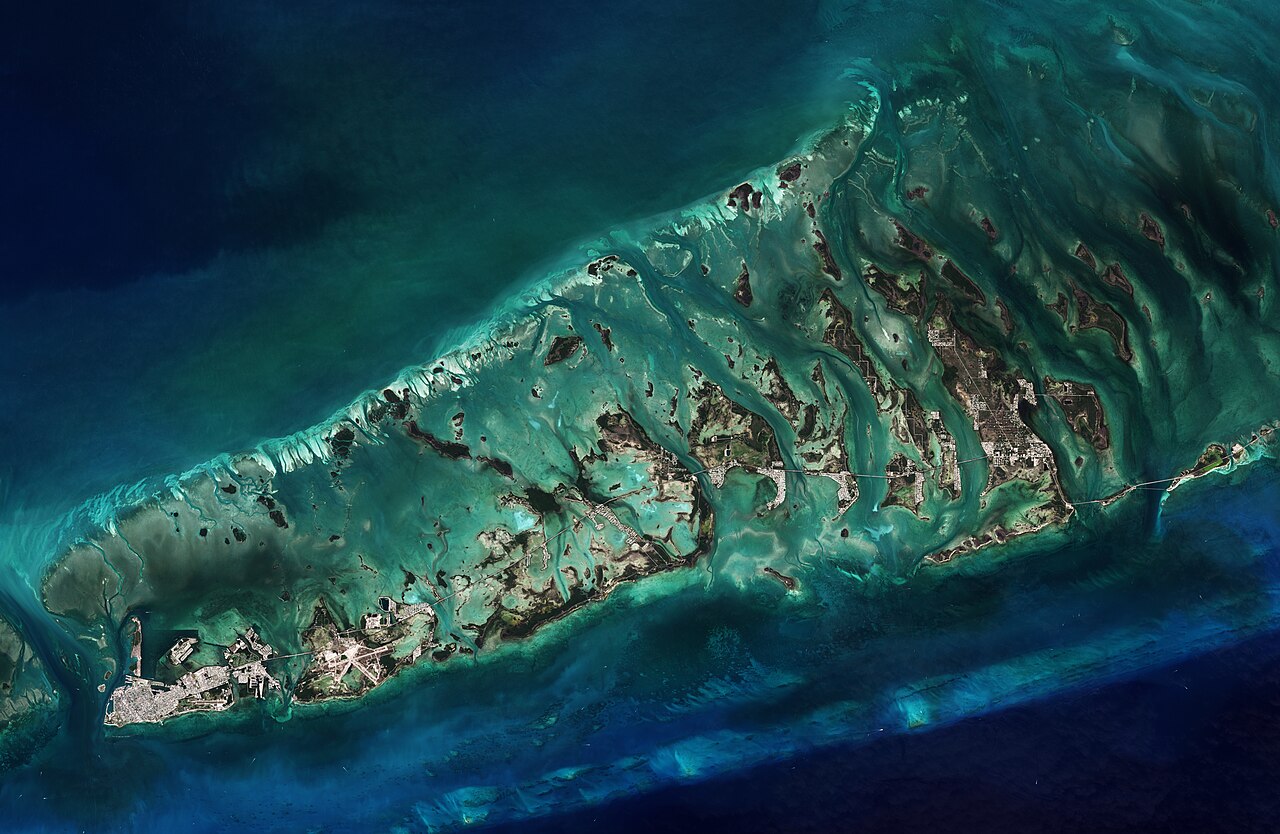
The Florida Keys are more than a drive to Key West: this island chain combines coral-reef outings, mangrove shorelines, small beaches, and historic neighborhoods along one memorable highway. With two to four days, pick a few experiences that suit your interests rather than stopping everywhere. A balanced visit pairs one guided water trip with short walks, a scenic bridge stop, and enough unstructured time to enjoy the coast between reservations.
Snorkel the Reef or Explore Mangrove Waterways
Key Largo is a practical starting point for reef excursions, including trips associated with John Pennekamp Coral Reef State Park. Most offshore reef experiences require boat transportation; do not assume that walking into the water from a beach gives you the same access. Choose a trip based on its destination, time on the water, and suitability for everyone in your group, then ask about current conditions before departure.
For a different coastal perspective, consider a guided kayak or paddleboard outing through sheltered mangrove areas around the Upper or Middle Keys. Shelter varies with wind direction, tides, and the exact route, so local guidance is useful even when the water looks calm from shore. Avoid touching coral, standing on reef structures, or approaching wildlife. Bring sun protection and drinking water, and make your plan flexible enough to replace a canceled excursion with a land-based outing.
Drive the Overseas Highway and Add Short Walks
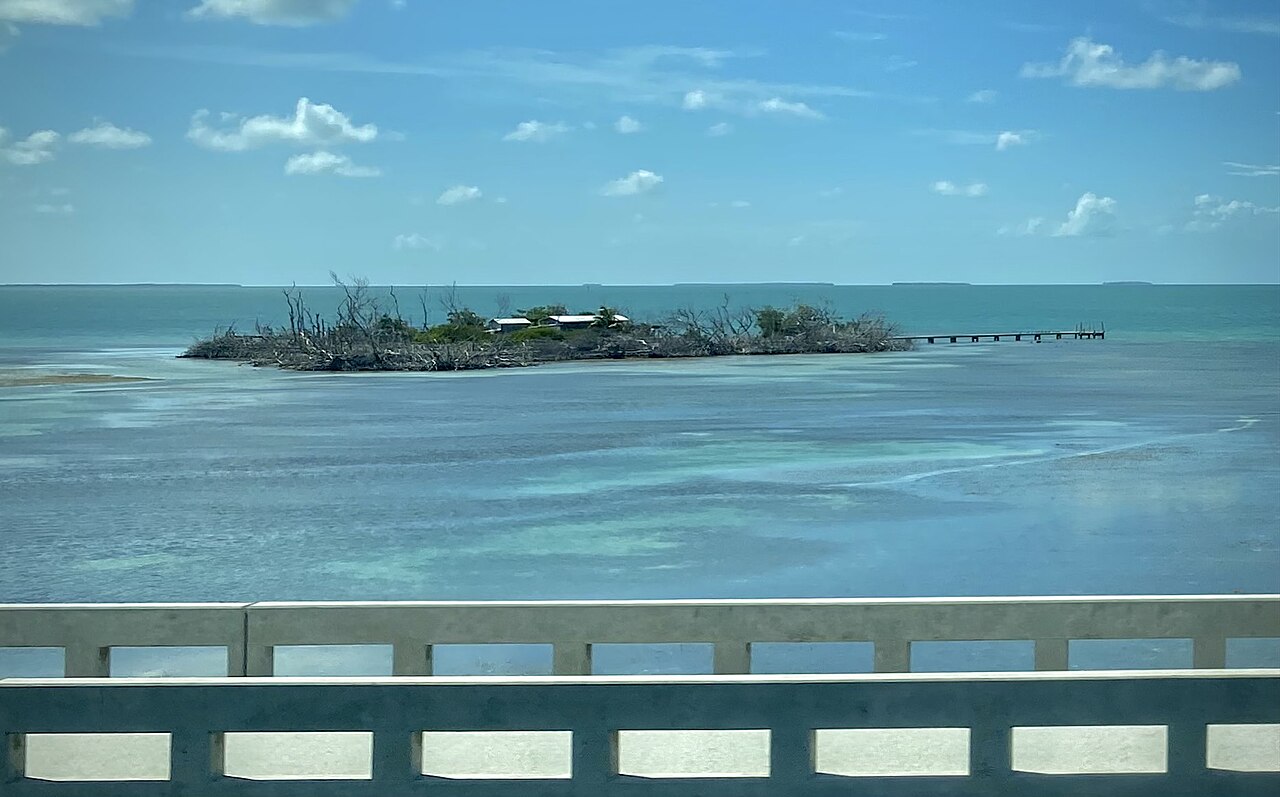
The Overseas Highway is an experience in itself, with stretches of open water, small island communities, and the long crossing of the Seven Mile Bridge. Enjoy the views from the road, but use designated parking areas for photographs rather than stopping on bridge shoulders. Build your day around a few intentional stops so the drive does not become a cycle of pulling over and rushing onward.
In the Upper Keys, Dagny Johnson Key Largo Hammock Botanical State Park offers a change from the open coast with tropical hardwood hammock habitat. Around Marathon, the accessible portion of the Old Seven Mile Bridge provides a memorable place to walk above the water; check current access before setting out. Farther southwest, Bahia Honda State Park combines beaches with views of its historic railroad bridge. These are short, exposed or low-elevation outings, not mountain hikes, so shade and water matter.
Book this experience
John Pennekamp Coral Reef Snorkeling
Varies (estimate) · Partner link · Viator
Look for Wildlife Without Turning It Into a Chase
Big Pine Key and neighboring Lower Keys islands offer opportunities to learn about the endangered Key deer, a small subspecies of white-tailed deer. Visit designated areas of the National Key Deer Refuge and check the official refuge website for current access information. Drive attentively, obey posted speed limits, and never feed deer or try to draw them toward your vehicle for photographs.
Birdwatching can fit naturally into a Keys road trip, especially along shoreline overlooks, mangrove edges, and park trails. Pelicans, herons, and other coastal birds are part of the landscape, but sightings depend on place, season, and conditions. Bring binoculars so you can observe without approaching. In the water, turtles, rays, and fish may appear during guided excursions, though no sighting is assured. Give animals space and follow guide instructions rather than pursuing a closer view or blocking their path.
Plan Family Days Around Small, Manageable Stops
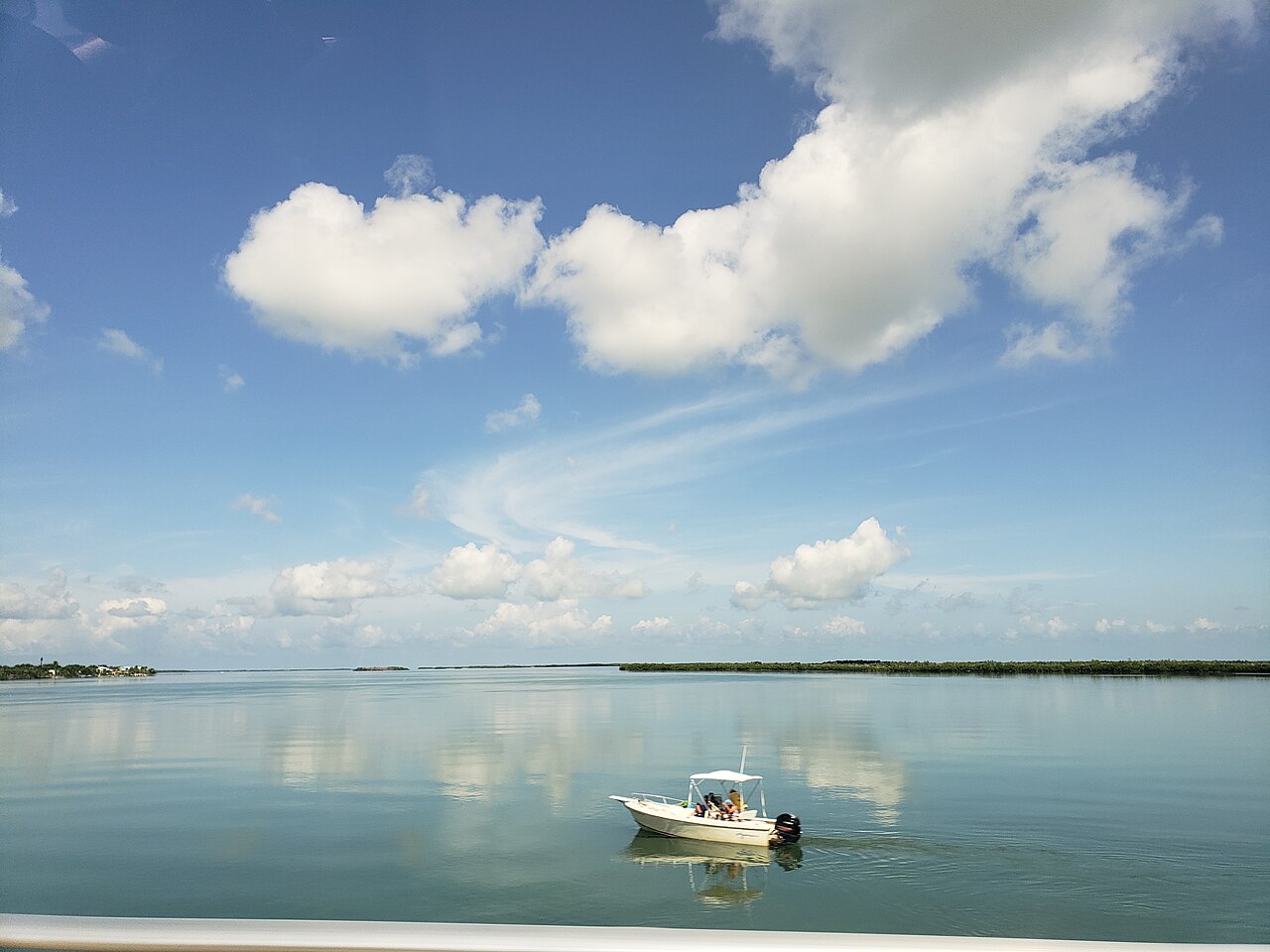
For families, the most successful Keys days often alternate a focused activity with a beach break or a simple waterfront meal. Bahia Honda State Park and Sombrero Beach in Marathon are useful places to consider for shoreline time, though beach conditions, seaweed, and water access vary. The Keys do not have the uninterrupted broad sandy beaches found in some other parts of Florida, so set expectations before arrival.
Choose boat trips according to age requirements, comfort on the water, and how long children will be confined aboard. A shorter outing may fit your group better than an ambitious offshore excursion. Glass-bottom boat options can offer another way to view marine habitat, but visibility and sea conditions still matter. Pack shade where permitted, snacks, and spare clothes. Leave room to abandon a second attraction if the first one uses up everyone’s energy.
Use Rainy Days for History, Art, and Indoor Stops
Key West has the strongest concentration of indoor alternatives, including maritime exhibits, historic houses, and art galleries. The Mel Fisher Maritime Museum is one established option for exploring shipwreck history. Historic-house visits can also add context to the island’s architecture and literary associations, although some tours include outdoor portions. Check current ticketing and accessibility details before heading across town in heavy rain.
Elsewhere in the Keys, a slower meal, a local history stop, or time browsing galleries can be a better choice than forcing a water activity into a poor forecast. Distinguish a passing shower from conditions that warrant changing the whole day: lightning, strong wind, or flooding can affect travel and outdoor access. Check official park sites for closures and excursion operators for departure updates. Avoid filling every indoor hour in advance; a flexible backup list is more useful than another rigid schedule.