
Florida Keys glamping is less about remote mountain tents and more about comfortable outdoor lodging close to salt water, mangroves, and the Overseas Highway. Depending on current inventory, your search may turn up furnished RVs, cabin-style accommodations, or small cottages with outdoor living space. The label alone tells you very little, so compare the actual structure, cooling, bathroom setup, and shoreline access before choosing a base for your island road trip.
What Glamping Really Looks Like in the Keys
Start with the type of accommodation you want rather than the word glamping. In the Keys, a furnished RV or compact cabin may offer the outdoor atmosphere you are seeking more reliably than a canvas tent. Listings can differ substantially: one may include a private bathroom and kitchen, while another relies on shared facilities. Air-conditioning, screened outdoor space, and a usable place to sit outside can matter more here than decorative touches.
Waterfront also needs careful interpretation. A site may overlook a seawall, marina, mangrove shoreline, or shallow flats without having a sandy swimming beach. Ask whether water access is permitted, what the entry looks like, and whether launching a kayak requires additional arrangements. Review recent photographs and the property’s own description. Treat outdoor cooking, linens, parking, and equipment storage as items to verify, not features automatically included with a higher-priced outdoor stay.
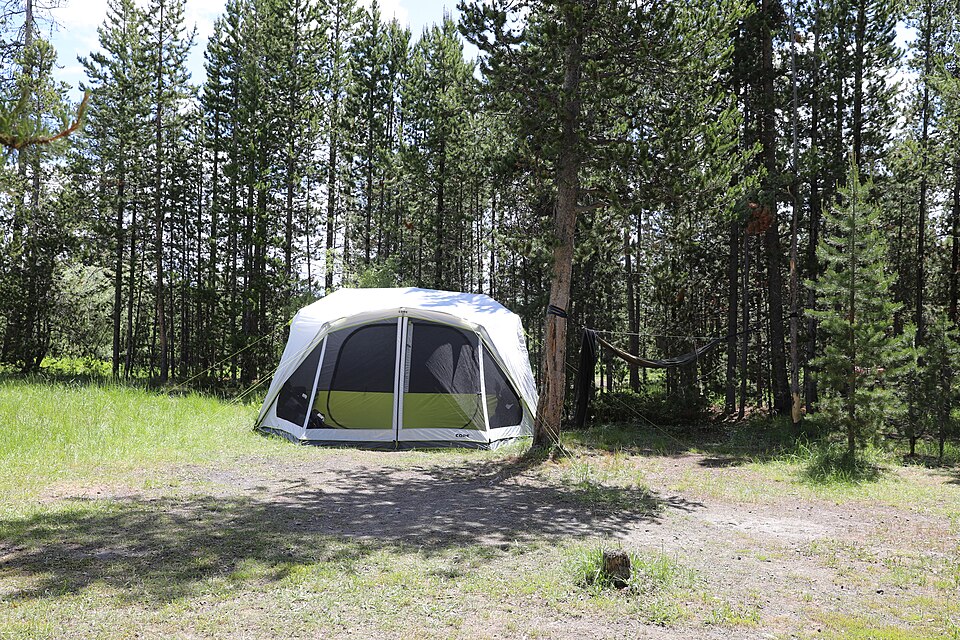
Upper Keys: Key Largo, Tavernier, and Islamorada
The Upper Keys are a practical search area when you are driving from mainland South Florida and want to spend more time outside than behind the wheel. Key Largo puts reef excursions and John Pennekamp Coral Reef State Park within a manageable local plan. Tavernier and Islamorada provide additional bases for exploring mangrove shorelines, boating activities, and the stretches of highway connecting the islands.
Look for cabin-style or furnished-RV stays by accommodation type, then check exactly where the property sits. A site beside the Overseas Highway may have convenient access but more traffic noise than its waterfront photos suggest. Bay-side and ocean-side settings offer different views, yet neither guarantees calm launch conditions or a swimmable shoreline. For a two-night visit, prioritize proximity to your main excursion and a comfortable place to recover from the heat. Verify official park access and reservations separately from your lodging booking.
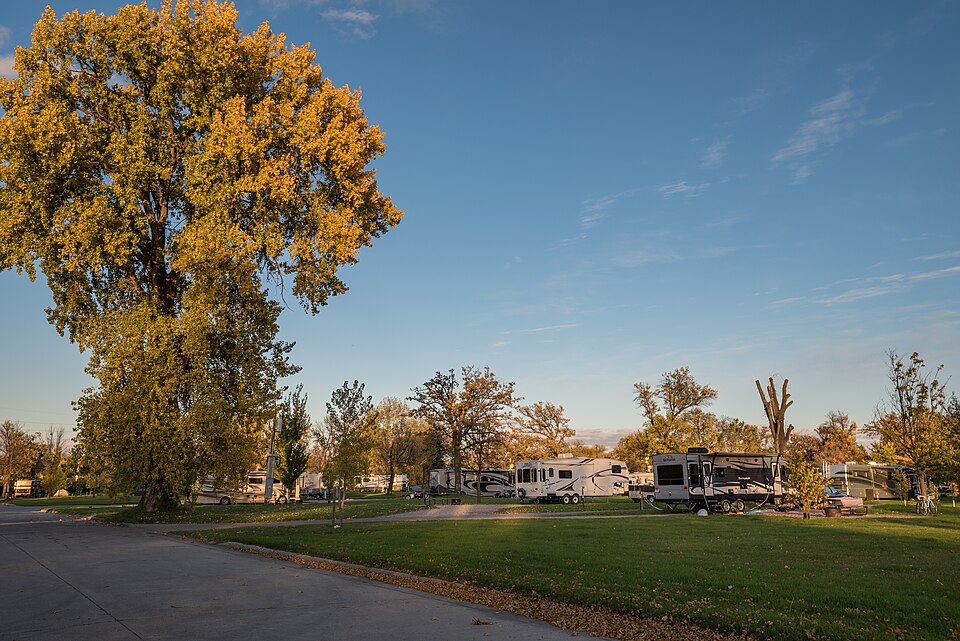
Middle and Lower Keys: Marathon to Key West
Marathon works well for travelers who want a central island base near Sombrero Beach and the Seven Mile Bridge. It can reduce hotel changes while leaving room for outings in both directions, although repeated long drives still consume vacation time. Farther southwest, Big Pine Key and the Lower Keys suit travelers interested in mangrove landscapes, wildlife habitat, and a less city-centered setting than Key West.
As you compare outdoor lodging, confirm whether the advertised location is actually in Key West or on a neighboring island such as Stock Island. That distinction affects transportation, parking, and evening plans. Do not assume that a remote-looking photograph means privacy; RV-oriented properties may have closely spaced sites and shared facilities. Bahia Honda State Park also has cabins as well as campsites, but availability is limited and should be checked through the official state park reservation system rather than inferred from general lodging searches.
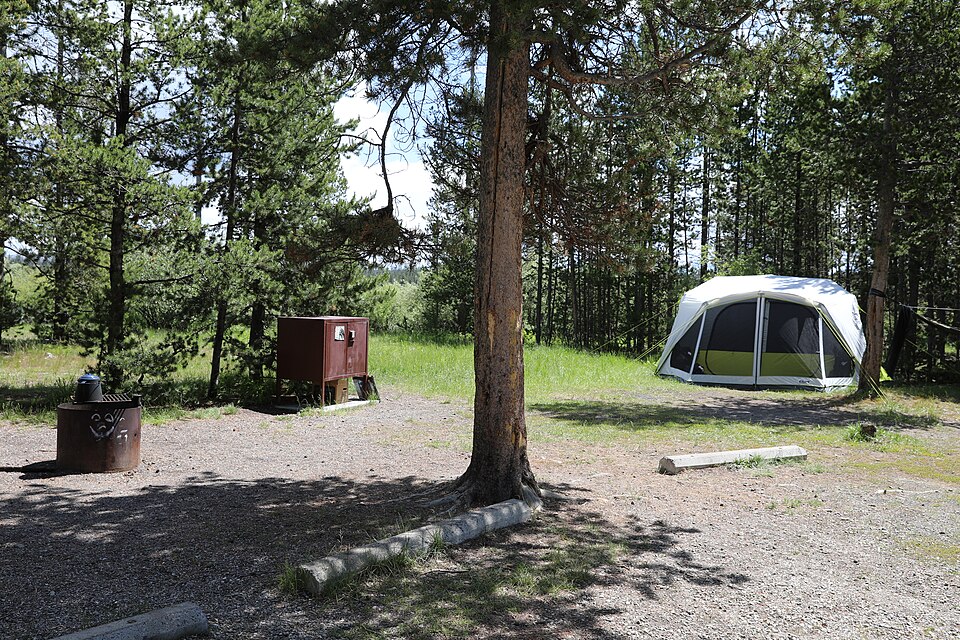
Choose the Season for Comfort, Not Just the View
Winter and spring often make outdoor living more comfortable, particularly if you want to eat outside, walk nearby trails, or relax at your site between excursions. These periods can also bring strong demand. Book earlier for holidays and school breaks, and verify how exposed the site is to wind. An open waterfront setting can feel breezy even when the afternoon is warm.
Summer and early fall require more attention to cooling, shade, insects, and thunderstorms. Check whether air-conditioning serves the whole sleeping space and whether screened areas are actually enclosed. Hurricane season runs from June through November, making clear cancellation, closure, and evacuation policies important. Ask how the property communicates weather-related changes; do not assume travel insurance covers every disruption. Before departure, consult current forecasts and official park notices. A comfortable structure can improve the stay, but it does not remove the need to adjust outdoor plans.
Glamping vs. Camping vs. Bringing an RV
Glamping usually means paying more for reduced setup and added comforts, but compare full stay totals before deciding. A furnished RV may have cleaning charges or different kitchen supplies than a cabin. Traditional camping requires your own gear and more preparation for rain, heat, and insects, while an RV site generally supplies space and specified hookups rather than a vehicle. Never book a site-only listing expecting accommodation to be waiting.
If bringing an RV, confirm vehicle-length limits, hookup details, parking rules, and arrival procedures directly with the property. For tent camping, check shade, ground conditions, and access to restrooms. State park rules and inventories vary, so use the official Florida State Parks website for current reservations and conditions. Compare costs as rough estimates until fees and required extras are included. The right choice is the one that matches your comfort needs, equipment, and actual plans for exploring the islands.