
Denali rewards travelers who slow down, look closely, and leave room for weather to shape the day rather than trying to check off every attraction. The core experiences are a bus trip along the accessible Park Road, walks through boreal forest and tundra, and patient wildlife watching from appropriate distances. With three to five days, you can combine those highlights with sled dog programs, family-friendly stops, and a flexible afternoon for whatever the conditions allow.
See the Landscape from a Park Bus
A bus trip is one of Denali's signature experiences because private vehicles have limited access along the Park Road. Depending on the service you choose, the emphasis may be narrated sightseeing or transportation to accessible areas of the park. Expect a substantial time commitment, changing views, and wildlife stops rather than a quick shuttle ride between attractions.
Check the official NPS website for current road closures, operating distances, bus types, and reservation requirements before choosing a trip. Do not assume an older itinerary's destinations are reachable. Bring water, food, binoculars, layers, and any essentials for the full outing. Wildlife and mountain views are unpredictable, but the journey offers a strong introduction to the park's scale even when the summit stays hidden.
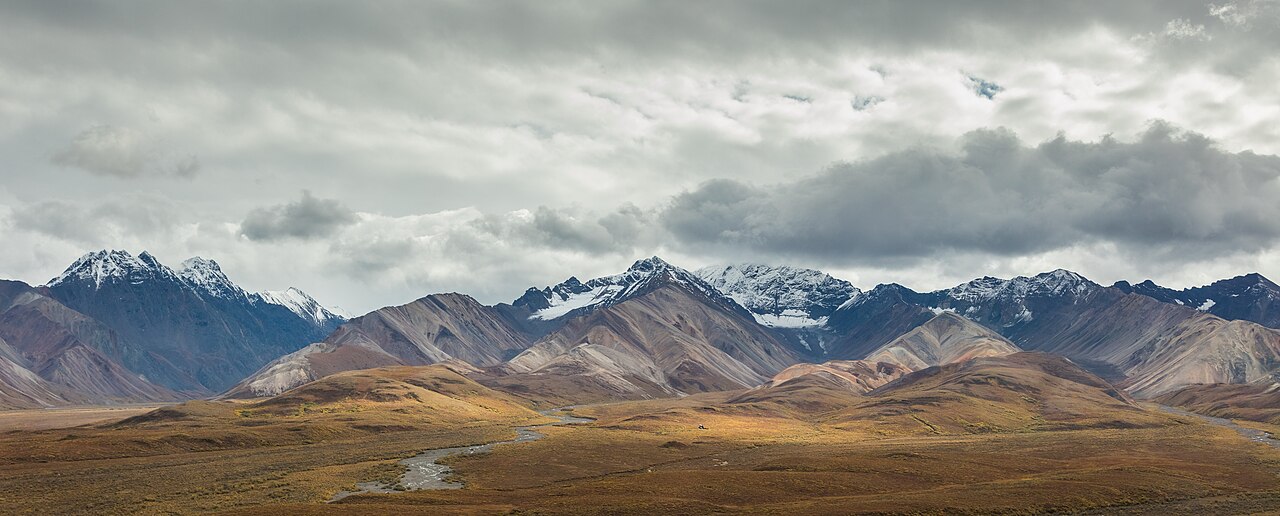
Walk Entrance-Area Trails and the Accessible Road Corridor
You do not need to travel far along the Park Road to enjoy worthwhile hikes. Horseshoe Lake offers a forest-and-water setting near the entrance, while the Mount Healy Overlook Trail is a more strenuous uphill outing with broad views when conditions cooperate. Neither should be treated as a guaranteed viewpoint of Denali itself.
Choose a route based on current trail conditions, elevation gain, and your group's stamina rather than distance alone. Carry rain protection and check for wildlife advisories before starting. For a gentler day, combine short entrance-area walks with stops along the portion of road currently open to private vehicles. Savage River is another established walking area when accessible; confirm road access and transportation options with the park before setting out.
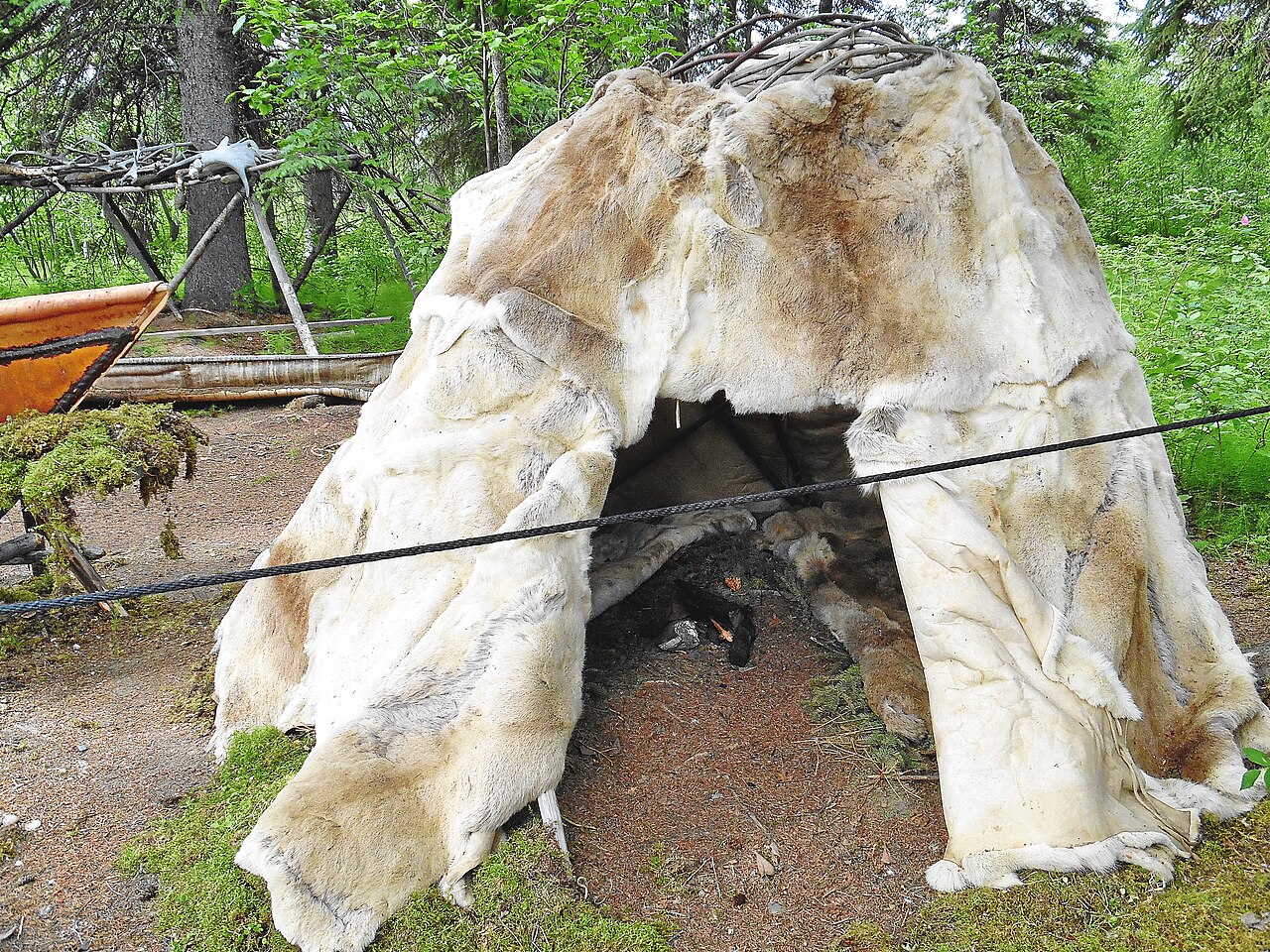
Watch Wildlife or Explore the Nenana River
Grizzly bears, moose, caribou, Dall sheep, and wolves live in Denali, but sightings depend on chance, habitat, and patient observation. A bus gives you time to scan open slopes and river valleys without watching the road. Binoculars are more useful than trying to get closer, and distant animals can still be a highlight of the trip.
Follow the park's current wildlife-distance and food-storage rules, never feed animals, and avoid surrounding wildlife with vehicles or people. For a different perspective outside the park, guided rafting on the Nenana River is a regional option. Trips vary in intensity and age requirements. Ask operators about the route, equipment, physical demands, and cancellation policies, and never assume cold Alaska water is appropriate for casual swimming.
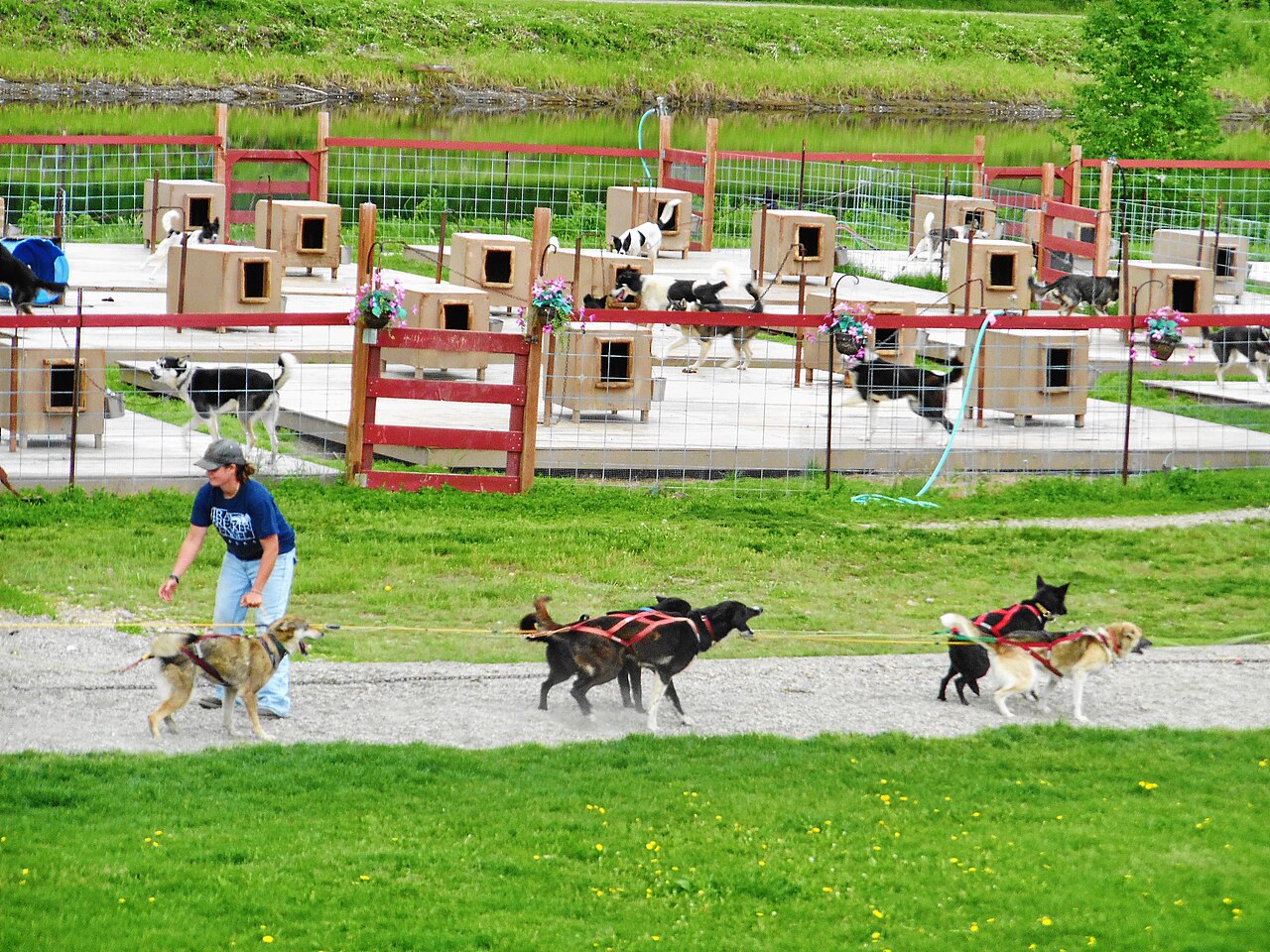
Visit with Kids: Sled Dogs and Small Adventures
Denali's working sled dogs offer a memorable connection to how the park operates beyond the summer travel season. Kennel visits and demonstrations depend on the published schedule, so check the official park website before promising a particular program. Pair the visit with exhibits or a short walk rather than stacking several long activities into the same day.
Ask about the Junior Ranger program and let children help choose a manageable trail. A wildlife notebook, binoculars, and frequent snack breaks can make quiet observation more engaging. Long bus trips may be tiring for younger children, so compare trip lengths and facilities before reserving. Keep warm layers and rain gear handy even on pleasant mornings, and build in downtime at your campsite or lodging.
Make a Rainy-Day Plan That Still Feels Like Denali
Rain does not have to erase a park day. When open, visitor-center exhibits and films provide useful context on wildlife, geology, and the challenges of living in this landscape. Ranger programs can add depth, although locations and schedules vary. Check the day's offerings rather than relying on a timetable from an earlier season.
If conditions are suitable, take a short forest walk in rain gear and save exposed uphill hiking for a better window. A scheduled bus outing may still be rewarding in cloudy weather, but expect limited mountain views and follow any service changes. For steady rain, leave time to dry layers, organize photographs, and rest. Keeping one flexible day is more useful than packing every hour with nonrefundable activities.