
June through August is the best time to visit Denali for most travelers, especially if you want bus access, staffed visitor facilities, and a broad choice of places to stay. Fall brings colorful tundra and a quieter atmosphere, while spring and winter require more flexibility as road access and services change. Plan three to five days if possible, giving yourself extra chances for wildlife sightings and a clear view of North America's highest peak.
Spring: A Quiet but Transitional Season
Spring arrives slowly in Interior Alaska. Snow, ice, and muddy ground can linger while daylight increases quickly, so this is not simply a less crowded version of a summer trip. Access along the Park Road changes with plowing and conditions, and many seasonal lodging options and transportation services may not yet be operating.
Choose spring if you enjoy a quieter entrance area and can adjust your plans around conditions. Bring waterproof footwear, warm layers, and traction appropriate to your planned walks. Avoid building an itinerary around a particular road distance or bus departure before schedules are published. Check the official Denali National Park website for current road access, trail conditions, and visitor services.
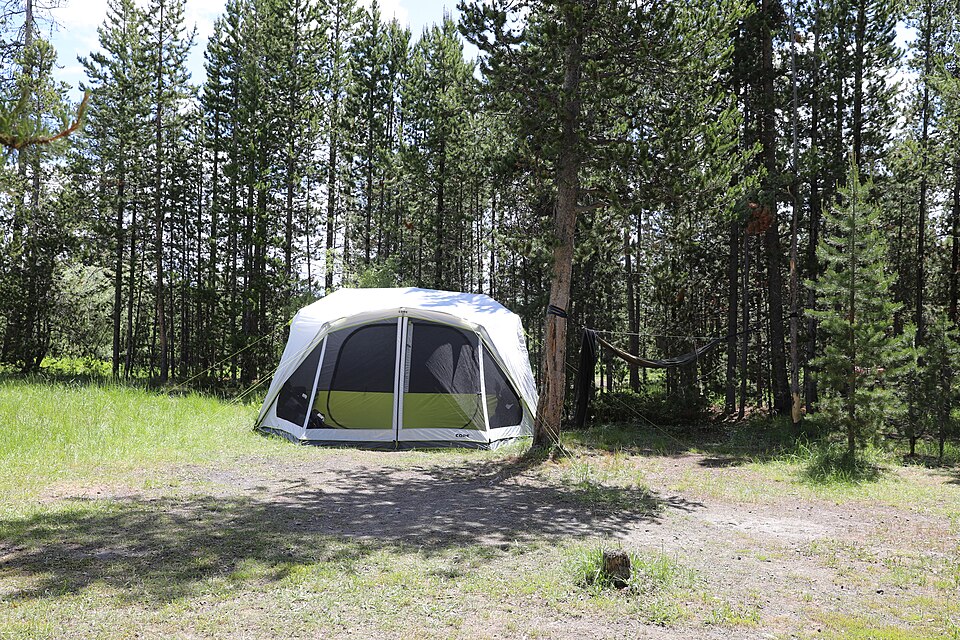
Lock in a stay for this season
RV parks near Denali National Park on RoverPass
Partner link · RoverPass
Summer: The Most Practical Choice for a First Visit
June, July, and August offer the widest range of visitor services and the most straightforward planning for a first trip. Long daylight hours leave room for a morning hike, a bus outing, and an unhurried evening near your lodging. This is also the busiest season, especially around the entrance, popular trails, and scheduled transportation.
Summer weather still demands layers. A mild afternoon can give way to cold rain, and the mountain may remain behind clouds even when the entrance area looks pleasant. Pack a rain shell, insulating layer, and insect repellent. Reserve lodging and any must-do bus trip once your dates are firm, then keep another day flexible for changing weather rather than expecting one perfect viewing window.
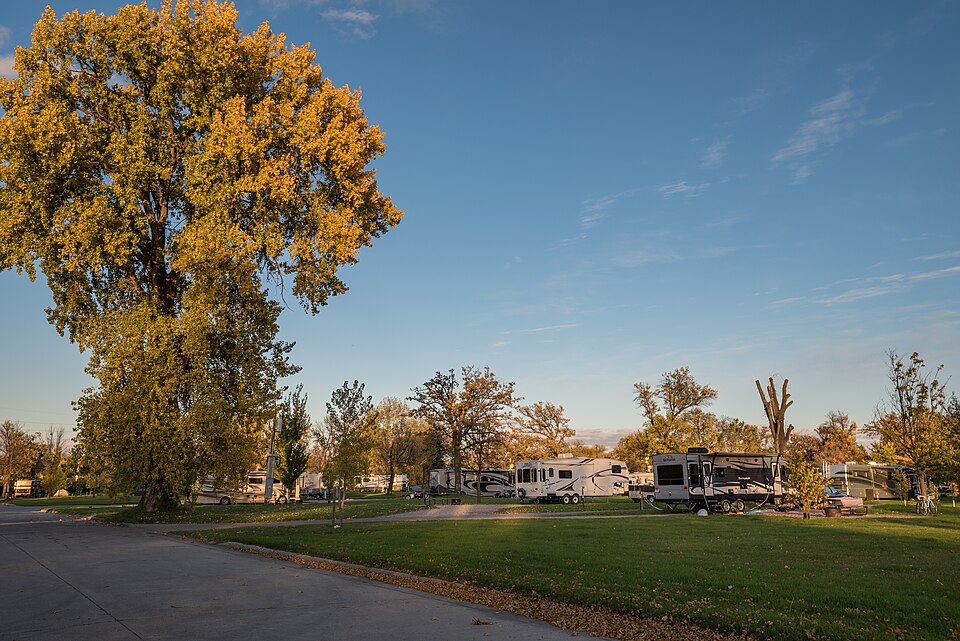
Lock in a stay for this season
Campsites near Denali National Park on Campspot
Partner link · Campspot
Fall: Tundra Color and Shrinking Services
Late August into early September can bring rich red and gold tones to the tundra and surrounding hillsides. The exact timing varies with weather and elevation, so treat fall color as a possibility rather than a fixed-date attraction. Visitor numbers generally ease as the season winds down, although popular lodging and transportation can still fill during the remaining operating period.
The trade-off is a shorter planning window. Nights become colder, snow becomes more plausible, and seasonal buses, campgrounds, and businesses begin closing on their own schedules. Confirm every overnight stay and transportation connection before booking flights. Fall works especially well for travelers who want photography and shorter hikes, with enough flexibility to substitute an entrance-area outing when conditions change.
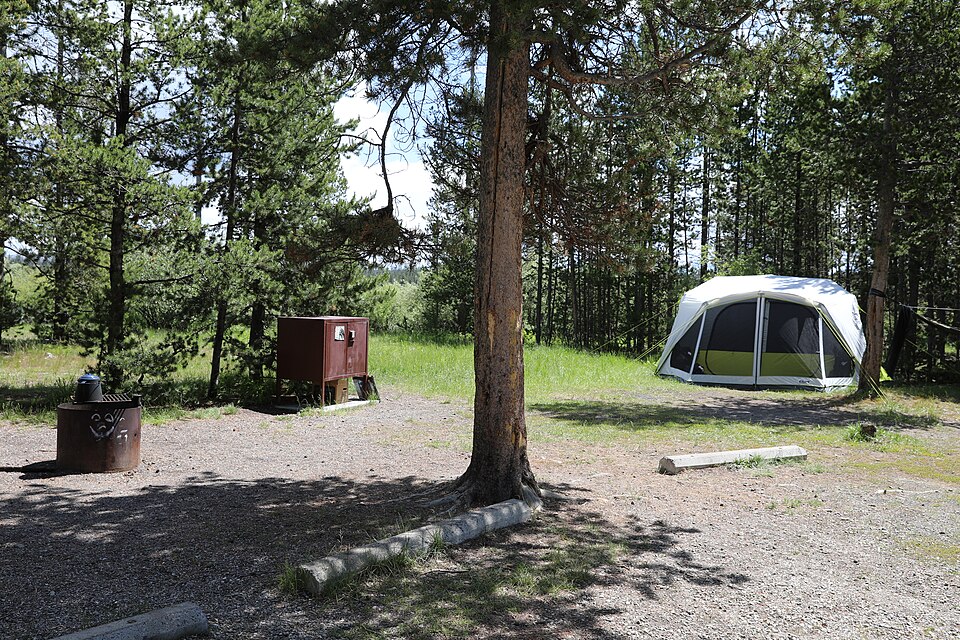
Lock in a stay for this season
Harvest Hosts stays on the way to Denali National Park
Partner link · Harvest Hosts
Winter: A Different Kind of Denali Visit
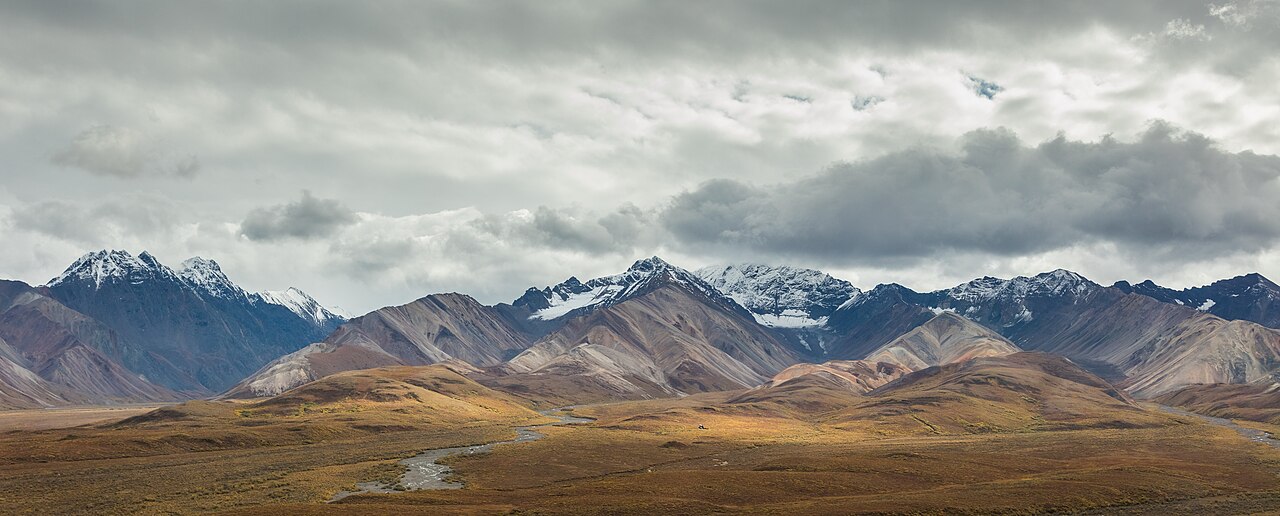
Winter transforms Denali into a cold, snow-covered landscape with short days around midwinter and far fewer visitor services. It is a specialized trip rather than an alternative way to follow a summer itinerary. Do not expect summer bus access, open seasonal accommodations, or a casual drive deep into the park.
Snowshoeing or skiing may be options when conditions and your skills align, but equipment, transportation, and warm lodging need advance thought. Travelers without cold-weather experience may prefer a summer visit or a carefully planned winter outing with knowledgeable local support. Review the official park website for winter access and facilities, and carry clothing and emergency supplies suited to the forecast and your route. Northern lights are possible, never assured.
When to Reserve and How to Handle Weather
Start planning a summer visit several months ahead, particularly if you need an RV campsite, a specific lodging style, or transportation on a fixed day. Reservation release dates and operating periods vary, so use the official NPS website to find current booking instructions rather than assuming everything opens on the same schedule. Book essential pieces before filling the rest of your calendar.
For fewer people, consider the edges of the main season, but weigh quieter surroundings against reduced services. Whatever your dates, allow three to five days and avoid treating a mountain sighting as guaranteed. Denali creates its own planning challenge: weather can obscure the peak while wildlife viewing and lower-elevation walks remain worthwhile. Keep a rainy-day alternative and review conditions each morning.
More ways to book Denali National Park
 Illustrative · Leonid Berger
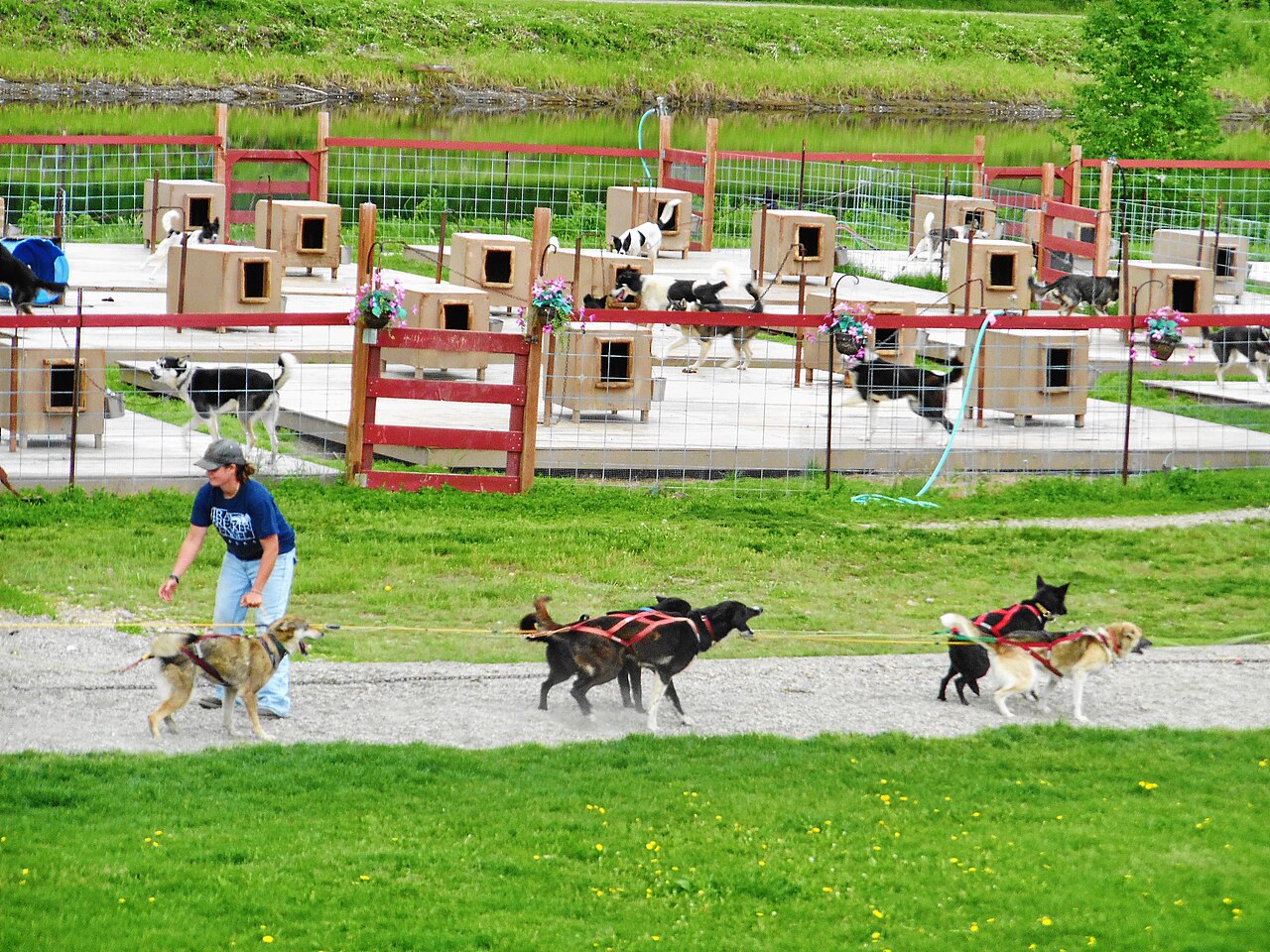
Sled Dog Demonstration
One of the classic ways to experience Denali.
Varies (estimate)
Partner link · Viator