
Denali glamping is less about a single lodging style and more about balancing an Alaska outdoor setting with the comforts you want after a long park day. Around the gateway area, look for cabin stays or seasonal furnished tents, then verify the bathroom setup, heat, bedding, and road access instead of relying on the word glamping alone. Most travelers will find summer the simplest season, with more services and easier connections to park activities.
What Glamping Looks Like Around Denali
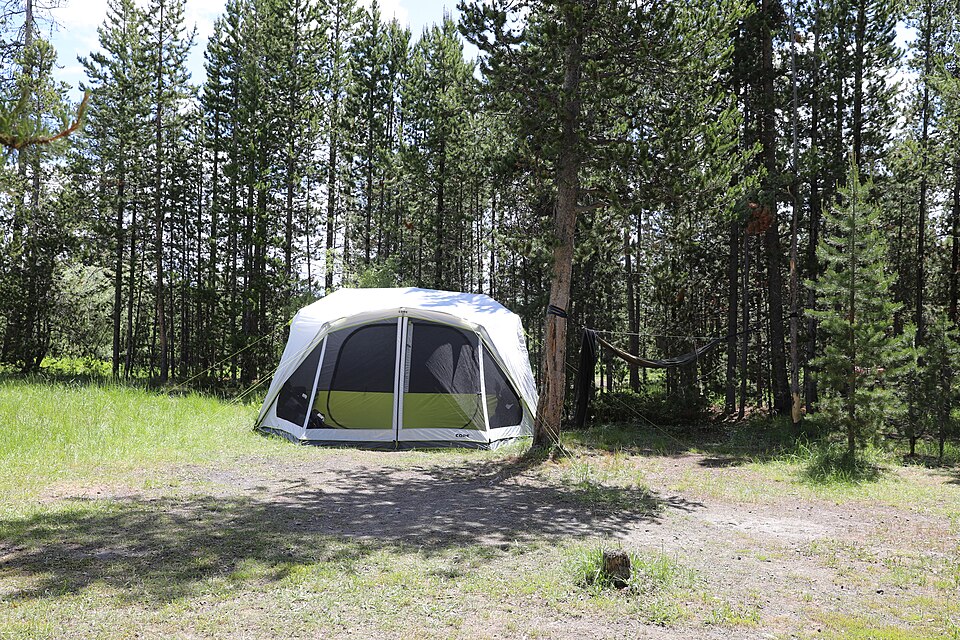
Near Denali, a comfortable outdoor stay might mean a small cabin, a furnished seasonal tent, or another simple accommodation with beds and a sheltered place to relax. Amenities vary widely, and a scenic listing photo tells you little about nighttime comfort. Some properties have private bathrooms and reliable heat; others use shared facilities or offer a more basic camping experience.
Before booking, ask about bedding, hot water, electricity, charging outlets, food storage, and whether cooking is permitted. Confirm how far you must walk between parking, sleeping quarters, and bathrooms, especially if mobility or nighttime trips matter. Do not assume a property is inside the national park because its description uses Denali. Check its actual address and drive time to your planned meeting points.
Where to Look: Entrance Area, Healy, and Beyond
The park entrance corridor is the most convenient place to begin your search if you want shorter drives to visitor facilities and scheduled bus departures. Healy, north of the entrance, is another practical base with access to the highway and regional services. Compare the exact location rather than choosing by town name alone; side roads and property layouts can add travel time.
Talkeetna offers a different Alaska gateway experience south of the park, but it is not a convenient substitute for an entrance-area base on days with early Denali bus reservations. Fairbanks works well for arrival, supplies, and an overnight around flights, rather than repeated park day trips. Confirm whether your accommodation provides transportation, and do not assume taxis or shuttles will be readily available.
Choose the Season and Reserve the Essentials
June through August is the most straightforward window for Denali glamping because seasonal accommodations and park transportation are generally operating more fully. Long daylight makes evenings outdoors appealing, but a tent can still feel chilly during wet or windy weather. Confirm that any heating system is intended for the accommodation and ask what bedding is included.
Late August and early September can offer fall color, colder nights, and fewer services as businesses close for the season. Verify actual operating dates before linking a stay to bus reservations. Start your search several months ahead for summer, especially for private bathrooms or family-size units. Rates vary considerably; compare rough total costs including taxes, meals, transportation, and rental gear rather than the nightly figure alone.
Where to sleep
Harvest Hosts stays on the way to Denali National Park
Partner link · Harvest Hosts
Pack for Comfort, Rain, and Long Daylight
Bring a waterproof jacket, insulating layers, warm socks, and comfortable footwear that can handle wet ground. An eye mask helps with Alaska's bright summer nights, particularly in canvas accommodations without blackout curtains. Pack insect repellent, a headlamp, a refillable water bottle, and a small daypack for hikes and bus outings. Check charging options before relying on powered devices.
Ask your host whether towels, bedding, cookware, and drinking water are provided so you neither overpack nor arrive missing essentials. Keep food, toiletries, and other scented items stored according to the property's instructions and applicable park rules when visiting Denali. Never use a cooking stove or improvised heater inside a tent or enclosed sleeping space. Follow posted fire restrictions and accommodation-specific cooking policies.
Glamping vs. Camping vs. an RV
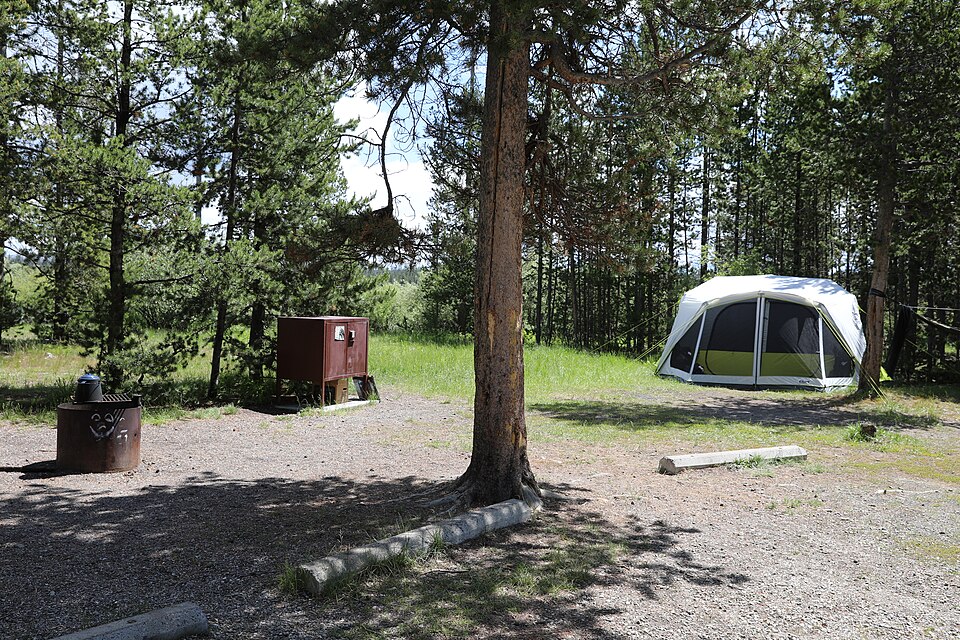
Glamping suits travelers who want an outdoor atmosphere without transporting a full sleeping setup, but it does not always include a private bathroom or kitchen. Traditional tent camping generally has a lower lodging cost and a closer connection to the elements, while requiring more gear, setup time, and attention to wet-weather comfort. Compare what is actually included before deciding which option fits.
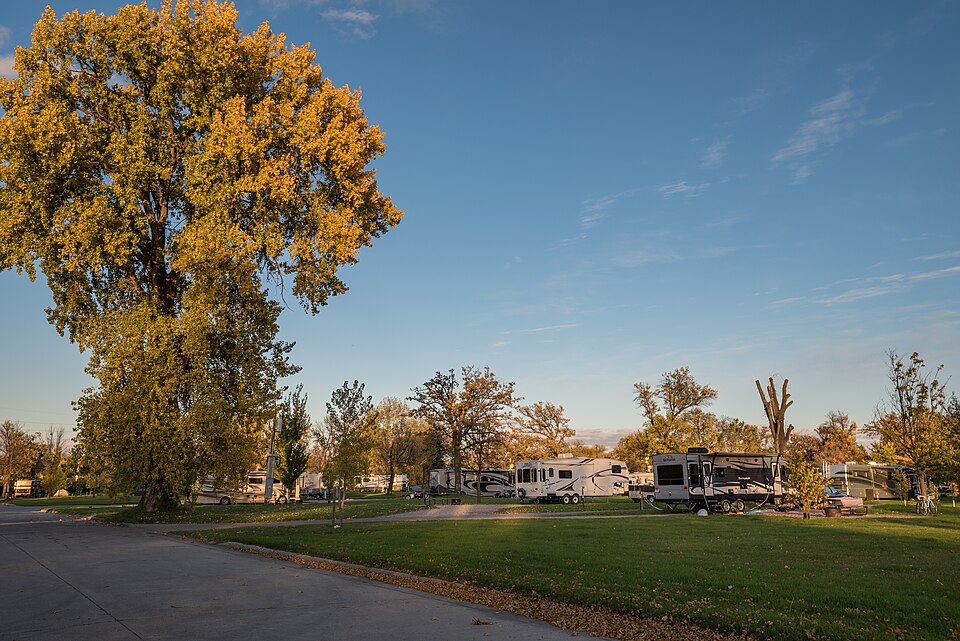
An RV provides a familiar sleeping space and room for supplies, but rental costs, fuel, campsite availability, and vehicle restrictions affect the overall plan. Do not assume park campgrounds offer hookups or that an RV can travel freely along the Park Road. Check the official NPS website for current campground facilities, vehicle limits, reservations, road restrictions, and conditions before committing to your route.