
Craters of the Moon National Monument and Preserve offers a landscape unlike any other in the continental United States. Formed by molten basalt eruptions along the Great Rift, this volcanic wonderland provides visitors with the chance to walk across vast cinder fields, climb to the summits of ancient cones, and descend into subterranean lava tubes. Whether you are a photography enthusiast, a family with curious children, or a rugged hiker, there are ample opportunities to explore this geologic marvel.
Hiking the Cinder Cones and Lava Flows
The hiking trails at Craters of the Moon range from accessible paved walks to rugged treks over jagged a'a lava. A must-do is the Inferno Cone trail; though short, it is steep, leading you to the summit of a massive cinder cone. From the top, you are rewarded with a 360-degree view of the entire monument, including the Big Craters and the distant Teton Range on clear days. The footing is loose, like walking on deep gravel, so sturdy shoes are essential.
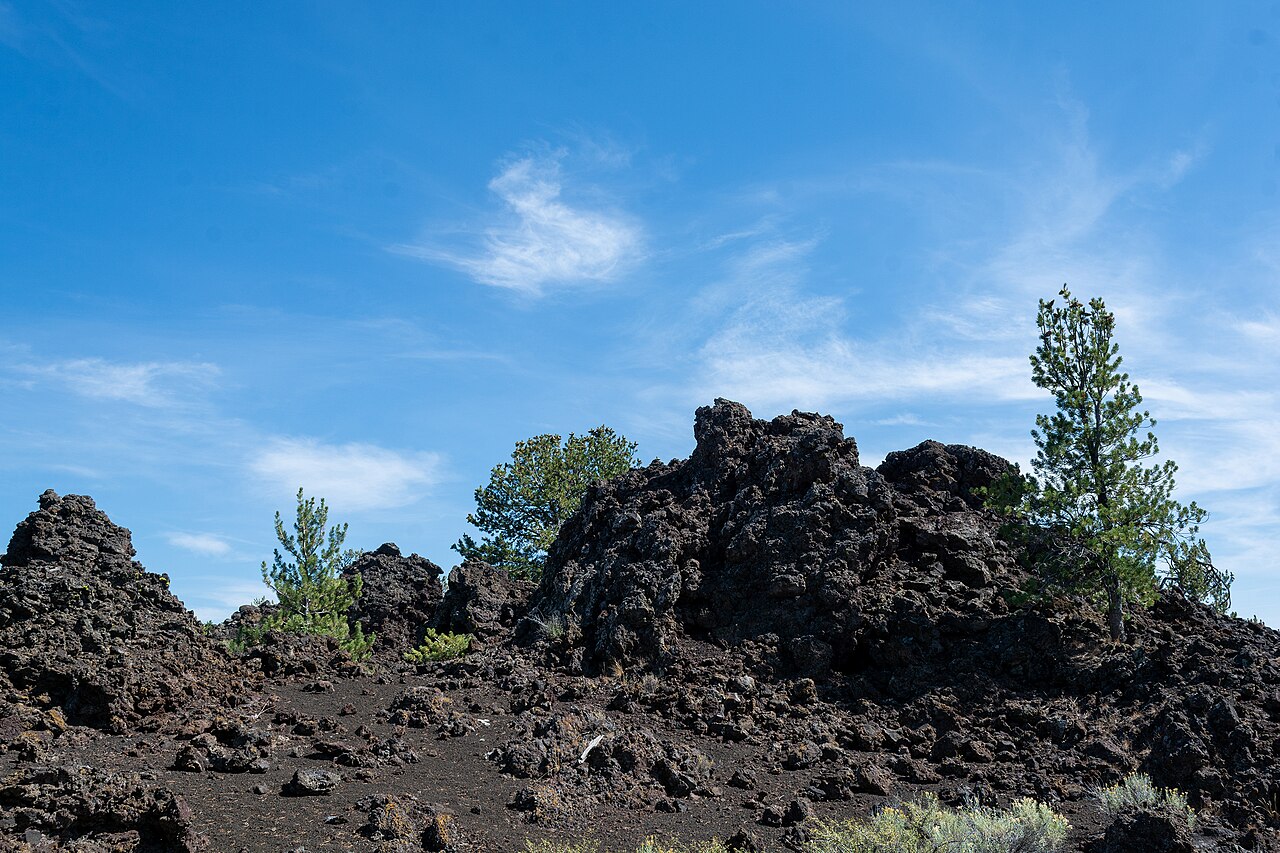
For a longer adventure, the North Crater Trail winds through some of the most dramatic volcanic features in the park. You will pass by massive fragments of crater walls that were carried away by lava flows like giant ships. The trail provides a close-up look at the different types of lava, including the smooth, ropey pahoehoe and the sharp, blocky a'a. Remember that the black rock absorbs heat, so even on a cool day, the trail can feel much warmer than the surrounding air. Always carry at least one liter of water per person.
Exploring the Subterranean Lava Tubes
One of the most popular things to do in Craters of the Moon is exploring the caves. These are actually lava tubes formed when the surface of a lava flow cooled and hardened while the molten rock underneath continued to flow out. The Cave Trail leads you to several accessible tubes, including Dewdrop, Boy Scout, Beauty, and the massive Indian Tunnel. Indian Tunnel is the easiest to navigate, with large openings that allow natural light to filter in, though you will still need to scramble over large rocks.
Before entering any cave, you must obtain a free cave permit from the visitor center. This process includes a screening to protect the local bat population from White-Nose Syndrome; essentially, you cannot wear any clothing or gear that has been in another cave outside the monument. Bring a reliable flashlight or headlamp (cell phone lights are not sufficient) and wear sturdy boots. The temperatures inside the caves stay cool throughout the year, so a light jacket is often helpful even in the height of summer.
Scenic Driving the 7-Mile Loop Road
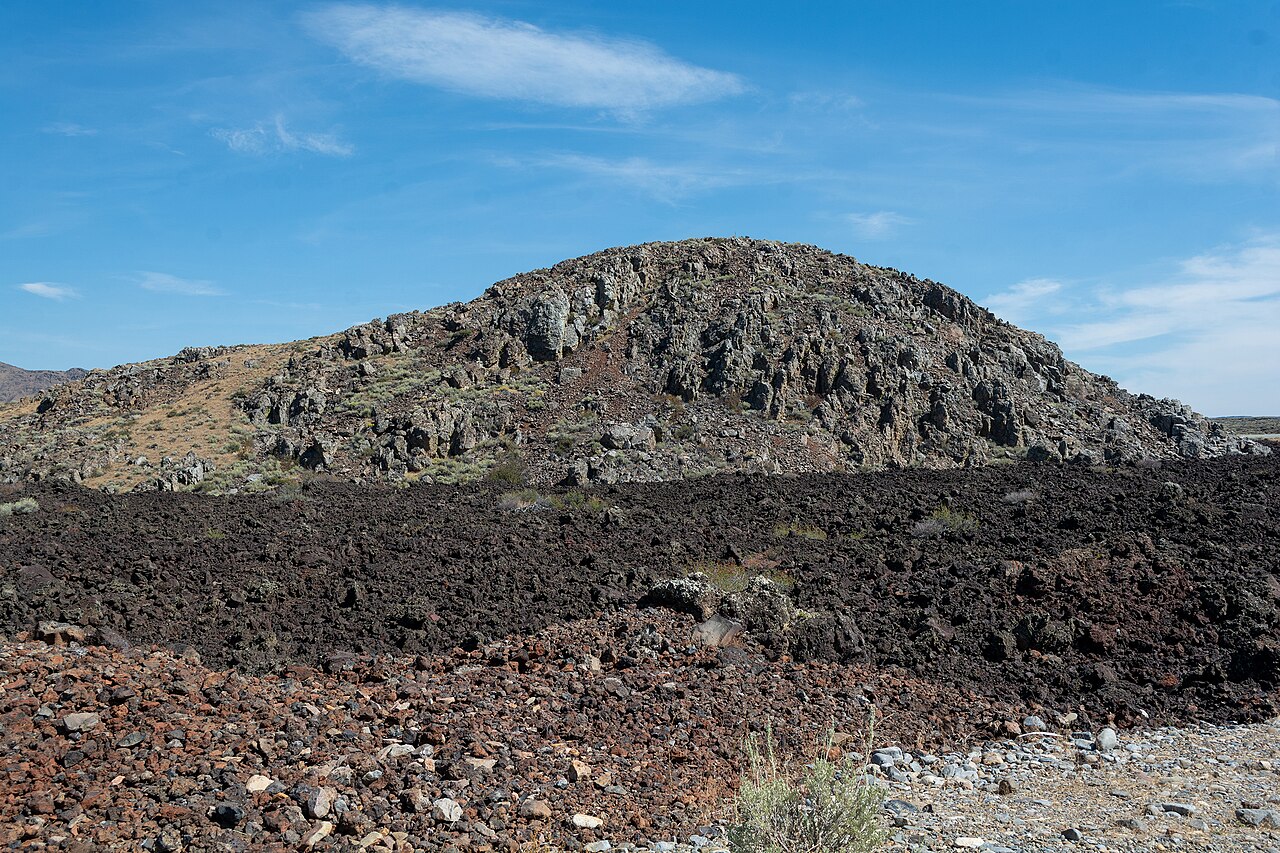
For those with limited time or who prefer to see the sights from the comfort of their vehicle, the 7-mile Loop Road is the heart of the monument. This one-way road takes you past the most significant geologic features, with numerous pull-outs and interpretive signs. You can stop at the Devil's Orchard to walk the paved, accessible path through a field of lava fragments and sagebrush, where you can learn about the fragile ecology of the area and the impact of human presence.
Further along the loop, you will find the Spatter Cones. These are small, chimney-like structures formed by blobs of molten lava being tossed into the air and stacking up around a vent. The path to the top of the Spatter Cones is very short and paved, making it accessible for most visitors. The drive also provides access to the trailheads for the larger hikes and the cave area. It is a fantastic way to orient yourself to the park's layout before choosing where to spend more time on foot.
Family Activities and Junior Ranger Programs
Craters of the Moon is an excellent destination for families. Children often find the lunar-like landscape fascinating, especially since NASA astronauts actually trained here in the 1960s to prepare for the moon landings. Stop by the visitor center to pick up a Junior Ranger booklet. Completing the activities within the book allows children to earn a badge and a deeper understanding of volcanology and desert biology. The interactive exhibits in the visitor center are also great for younger visitors to learn how the Great Rift created this landscape.
For a kid-friendly hike, the Snow Cone and Spatter Cones are big hits because they look like miniature volcanoes. The Devil's Orchard is another great option due to its paved path and interesting 'monsters'âthe jagged lava rocks that have been weathered into strange shapes. Because the environment is harsh, keep family trips focused on shorter excursions during the morning hours, and always make sure everyone has a hat and plenty of sunscreen, as there is virtually no shade in the monument.
Photography and Stargazing
Photographers flock to the monument for its stark contrasts and dramatic textures. The golden hour just before sunset is particularly magical, as the low sun catches the edges of the lava flows and turns the cinders into shades of deep purple and gold. The silhouettes of the limber pines against the dark rock provide iconic compositions. Because of the park's remote location away from major urban centers, light pollution is minimal, making it a premier spot for astrophotography.
As an International Dark Sky Park, the monument offers incredible views of the night sky. On a moonless night, the Milky Way is clearly visible to the naked eye. Many visitors choose to stay at the Lava Flow Campground specifically for the nighttime views. If you are visiting during a rainy day, the colors of the lava actually become more vibrant, appearing deep black or even iridescent blue when wet. The visitor center offers a great indoor alternative where you can watch a short film about the monumentâs volcanic history while waiting for a storm to pass.