
Exploring Craters of the Moon National Monument is a journey into a surreal, volcanic past. Located in southern Idaho, this monument is easily accessible from gateway cities like Arco or Sun Valley. Most visitors find that one to two days is the perfect amount of time to experience the main highlights, including the cinder cones and the lava tubes. This itinerary is designed to help you maximize your time, starting from your arrival at the nearest airport through a deep dive into the park's unique geology.
Arrival and Setting the Stage
Your journey begins at Friedman Memorial Airport (SUN) in Hailey, near Sun Valley. From the airport, it is approximately a 65-minute drive covering 56 miles to the monument entrance. As you drive east on US-20/26/93, you will watch the lush greenery of the Wood River Valley transition into the stark, sagebrush-covered plains of the Snake River plateau. We recommend stopping in the small town of Arco, just 20 miles from the monument, to fuel up your vehicle and grab any last-minute supplies, as there is no food or gas available inside the monument.
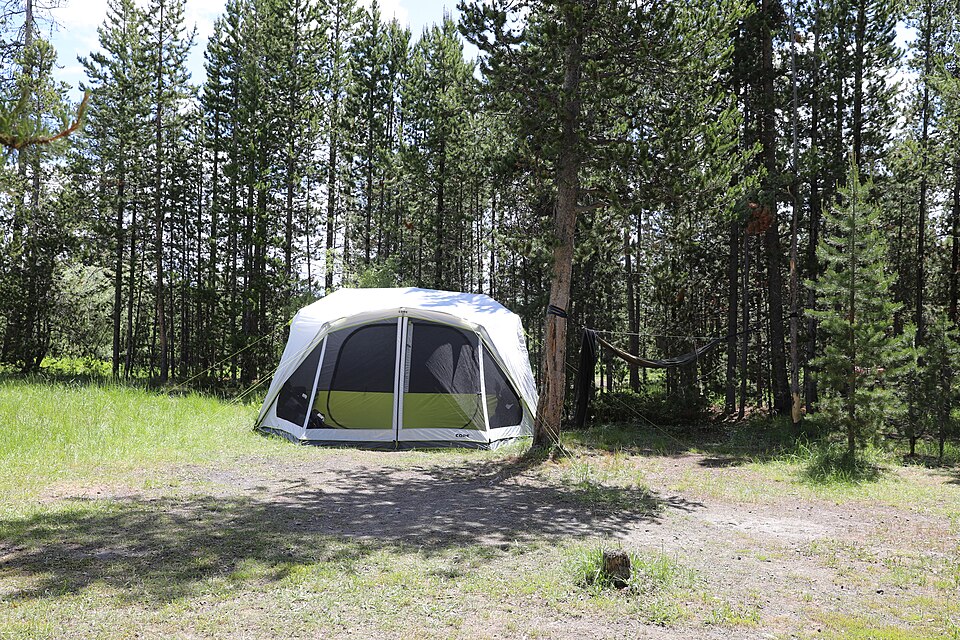
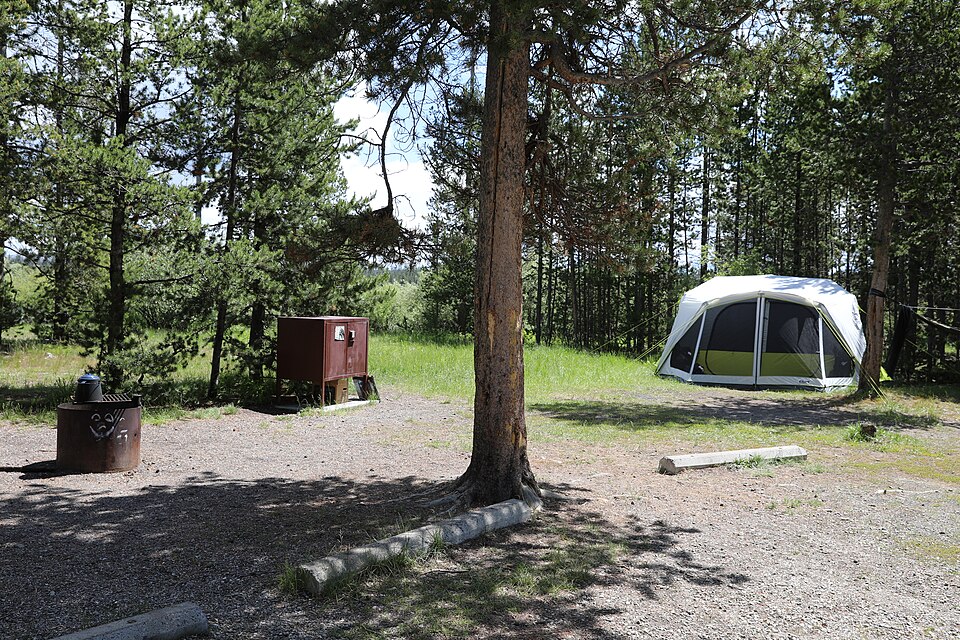
Upon arriving at the park, your first stop should be the Visitor Center. Here, you can watch the orientation film, view the geologic exhibits, and most importantly, obtain your mandatory cave permit. Talk to the rangers about current trail conditions and any weather alerts. If you are camping, proceed immediately to the Lava Flow Campground to secure a spot, as the 42 sites are first-come, first-served and fill up quickly during the peak travel months of spring and summer.
Day 1: Cones, Craters, and Vistas
Start your first full day early to beat the heat. Begin with the North Crater Flow Trail, a 0.3-mile loop that introduces you to the different types of lava and the fragile 'triple-twist' limber pines. Next, drive to the Inferno Cone parking area. The hike to the top is short but steep, leading you up a mountainside of black cinders. The view from the top is the best in the park, offering a panoramic look at the Great Rift and the string of cinder cones stretching toward the horizon.
After descending, continue the Loop Road to the Big Craters and Spatter Cones. The Spatter Cones are easily accessible via a short paved path and allow you to look down into the vents of mini-volcanoes. For the afternoon, head to the Devil's Orchard Nature Trail. This one-mile paved loop winds through a forest of cinders and lava fragments. It is a great place to learn about the park's ecology and the efforts to preserve it. Finish your day by watching the sunset from the Loop Road, where the low light brings out the deep purples and blues of the volcanic rock.
Day 2: Subterranean Exploration
On your second day, focus on the monument's famous caves. Since you already obtained your permit, head straight to the Cave Area parking lot. Start with Indian Tunnel, the largest and most accessible lava tube. You will walk through a massive cavern with portions of the ceiling collapsed, allowing light to pour in. It is an awe-inspiring experience that feels like walking through a cathedral made of stone. For a more adventurous experience, try Boy Scout Cave, which is much darker and requires more crawling and maneuvering.
In the afternoon, if you have the stamina, hike the Tree Molds Trail. This 2-mile round trip takes you to an area where molten lava once flowed around living trees, leaving behind hollow molds in the rock. It is a fascinating look at the intersection of geology and biology. If you prefer a quieter end to your trip, take a slow drive back through the loop, stopping at the overlooks you may have missed. Exit the park and head back toward Sun Valley or Idaho Falls, carrying the memory of a landscape that feels truly out of this world.
Where to sleep
Harvest Hosts stays on the way to Craters of the Moon
Partner link · Harvest Hosts
Tips for a Smooth Trip
To make the most of your Craters of the Moon itinerary, preparation is key. The environment is extremely dry and exposed, so carrying more water than you think you need is essential. Aim for at least a gallon per person per day. Wear sturdy, closed-toe boots; the lava rock is incredibly sharp and can easily shred thin sneakers or sandals. Because the weather can change rapidly, always have a rain shell and extra layers in your pack, even if the forecast looks clear.
Timing is everything in this high-desert climate. Try to schedule your most strenuous hikes for the early morning or late evening. During the middle of the day, the heat radiating off the black basalt can be overwhelming. If you are visiting with pets, be aware that they are not allowed on any of the trails or in the caves, and the ground is far too hot for their paws. Always check the official NPS website for the most current information on road closures, especially if you are visiting during the shoulder seasons of late fall or early spring.
Extending Your Stay
If you have an extra day, consider exploring the surrounding areas of Idaho's Lost River Valley. Just a short drive north of the monument, you can see Mt. Borah, the highest peak in Idaho. The contrast between the jagged volcanic plains and the towering, snow-capped mountains is stunning. You might also explore the town of Arco, which has the distinction of being the first city in the world to be lit by atomic power, a history detailed at the nearby EBR-I National Historic Landmark.
For those who enjoy a slower pace, spend an extra night stargazing at the monument. The lack of light pollution makes it one of the best places in the Pacific Northwest for viewing the night sky. Many visitors find that the second day allows them to revisit their favorite spots at different times of day to see how the changing light alters the appearance of the lava. Whether you are staying for 24 hours or three days, the key is to respect the fragile environment by staying on designated trails and following all park regulations.

More ways to book Craters of the Moon
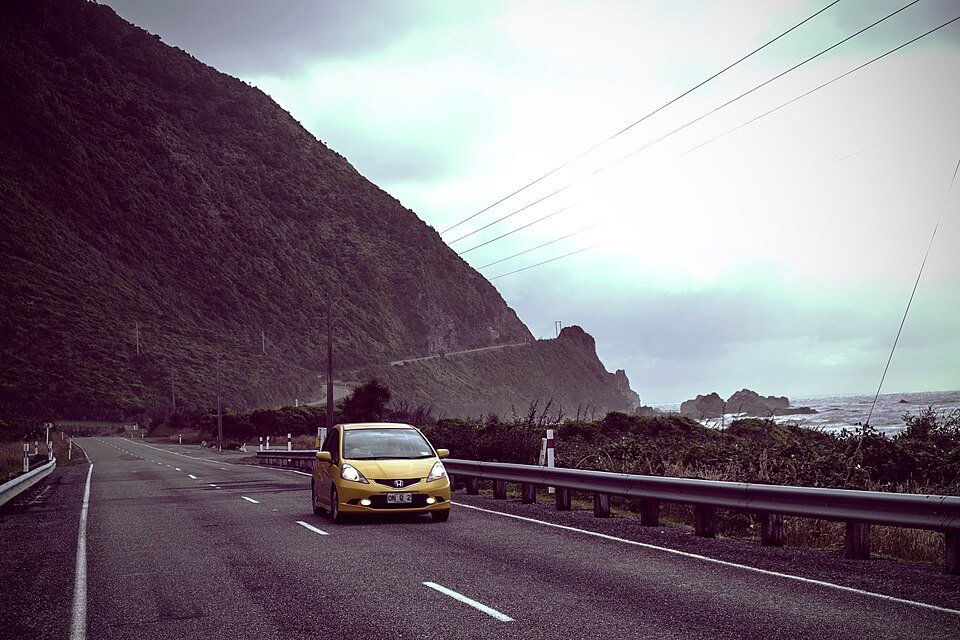 Illustrative · Diego Angel
Sprinter Adventure Van
Small enough to park at the trailhead, comfy enough to sleep in.
$189/day (estimate)
Direct link · RVshare