
Choosing the best time to visit Craters of the Moon is essential for a comfortable experience in this stark, high-altitude desert environment. The monument's black basalt rocks absorb an immense amount of solar heat, making summer afternoons intense, while winters bring heavy snow that closes the main loop road to vehicles. Most travelers find that the shoulder seasons offer the most temperate conditions for hiking across the lava flows and exploring the depths of the cool volcanic caves.
Spring Blooms and Pleasant Breezes
Late May and June represent one of the most beautiful periods in the monument. During this window, the seemingly barren cinder cones come alive with a surprising display of desert wildflowers. The dwarf buckwheat and monkeyflowers create vibrant splashes of pink and yellow against the dark volcanic soil. Temperatures are generally mild, often hovering in the 60s or 70s, which is perfect for tackling the steeper hikes like Inferno Cone without the risk of heat exhaustion.
However, spring in Idaho can be unpredictable. High winds are common across the Snake River Plain, and occasional rain showers can sweep through. You should pack layers, including a windbreaker and moisture-wicking clothing. Because this is a popular time for photographers and school groups, the mornings are usually the quietest time to enjoy the trails. Check the official NPS site before arriving to ensure the Loop Road has fully opened following the winter snowmelt, as high-elevation sections can remain blocked well into May.
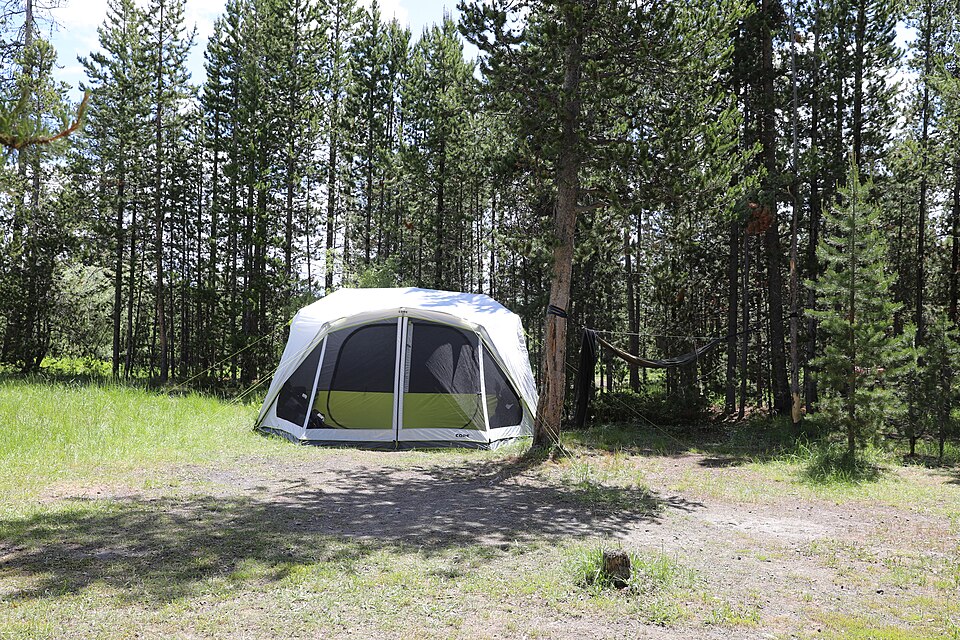
Lock in a stay for this season
RV parks near Craters of the Moon on RoverPass
Partner link · RoverPass
Summer Heat and Sun Exposure
July and August are the peak travel months for families on summer road trips. During this time, the sun is relentless, and the black lava rocks can reach temperatures well over 150 degrees Fahrenheit. If you visit during mid-summer, it is vital to start your explorations at sunrise. By noon, the heat radiating off the ground makes long treks across the exposed lava fields, such as the North Crater Flow, quite challenging. Use the hottest part of the day to drive the 7-mile Loop Road with your air conditioning on or retreat into the caves where temperatures remain cool year-round.
Despite the heat, summer evenings are spectacular. The monument is a designated International Dark Sky Park, and the clear summer nights offer unparalleled views of the Milky Way. Stargazing programs are frequently offered during these months. If you plan to stay at the Lava Flow Campground, arrive early, as sites are first-come, first-served and typically fill up by early afternoon during the summer weekends.
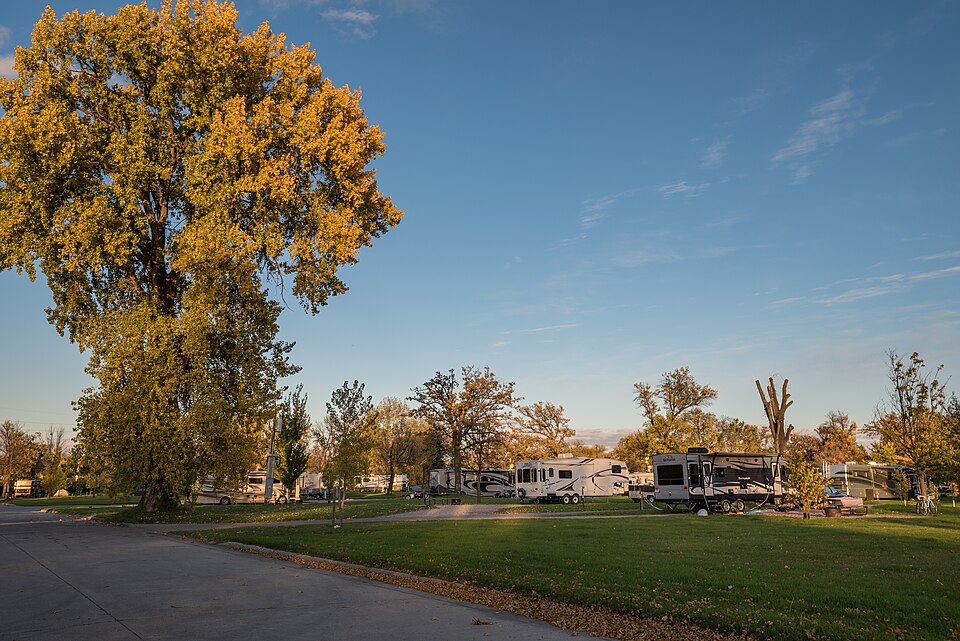
Lock in a stay for this season
Campsites near Craters of the Moon on Campspot
Partner link · Campspot
Fall Clarity and Crisp Air
September and October are arguably the best months for serious hikers and those looking to avoid the summer crowds. As the summer heat fades, the air becomes incredibly clear, offering distant views of the Pioneer Mountains to the north. The daytime temperatures return to a comfortable range, usually in the 60s, making it the ideal time for the strenuous 4-mile round trip out to the Tree Molds or the wilderness trails beyond the main developed areas.
By late October, you should be prepared for freezing temperatures at night. The high-desert climate means that while the sun is warm during the day, it drops rapidly once the sun sets. The crowds thin out significantly after Labor Day, providing a much more solitary experience on the trails. This is a fantastic time for wildlife viewing, as animals like sagebrush lizards and various bird species are active before the winter sets in. Always check for seasonal closures of the visitor center and water services as November approaches.
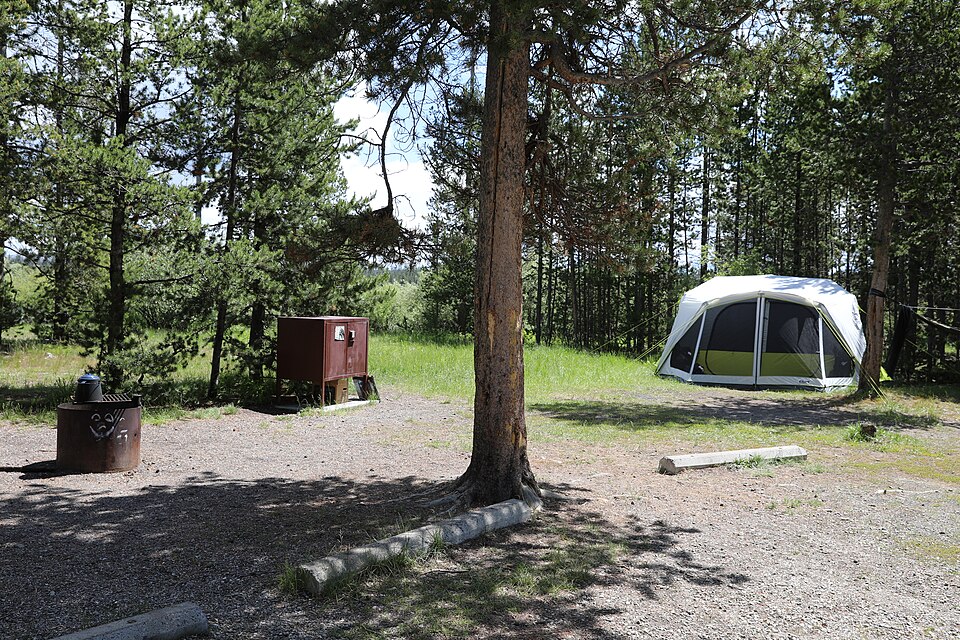
Lock in a stay for this season
Harvest Hosts stays on the way to Craters of the Moon
Partner link · Harvest Hosts
Winter Silence and Snow Sports
Winter transforms the monument into a surreal landscape of white snow against black rock. From roughly late November through March, the 7-mile Loop Road is closed to motorized vehicles and becomes a groomed trail for cross-country skiing and snowshoeing. Visiting during this time offers a unique sense of isolation and quiet that you won't find during the rest of the year. The contrast of the snowy drifts against the jagged lava formations provides incredible opportunities for winter photography.
However, winter travel requires significant preparation. There are no services available within the monument during the winter months, and the visitor center operates on limited winter hours. Temperatures frequently drop below zero, and blizzard conditions can occur without much warning. If you plan to ski or snowshoe, ensure you have proper winter gear and plenty of water. Access to the caves is generally restricted during the winter to protect hibernating bat populations, so focus your trip on the surface trails and the dramatic winter vistas.
Crowds and Reservation Timing
While Craters of the Moon does not typically see the massive crowds found at larger parks like Yellowstone, it does experience significant surges during holiday weekends and the peak summer months. The Lava Flow Campground does not take reservations; it operates entirely on a first-come, first-served basis. If you are traveling in an RV or have a specific site in mind, arriving before 11:00 AM is highly recommended during the busy season.
For those staying in nearby gateway cities like Arco or Sun Valley, it is wise to book your lodging several months in advance, especially if your trip coincides with local events or the height of the summer season. Permits for cave exploration are required but are free and can be obtained at the visitor center upon arrival after a short briefing on white-nose syndrome. Always check the official NPS website for the most current information on road conditions, water availability, and any temporary trail closures due to maintenance or weather events.
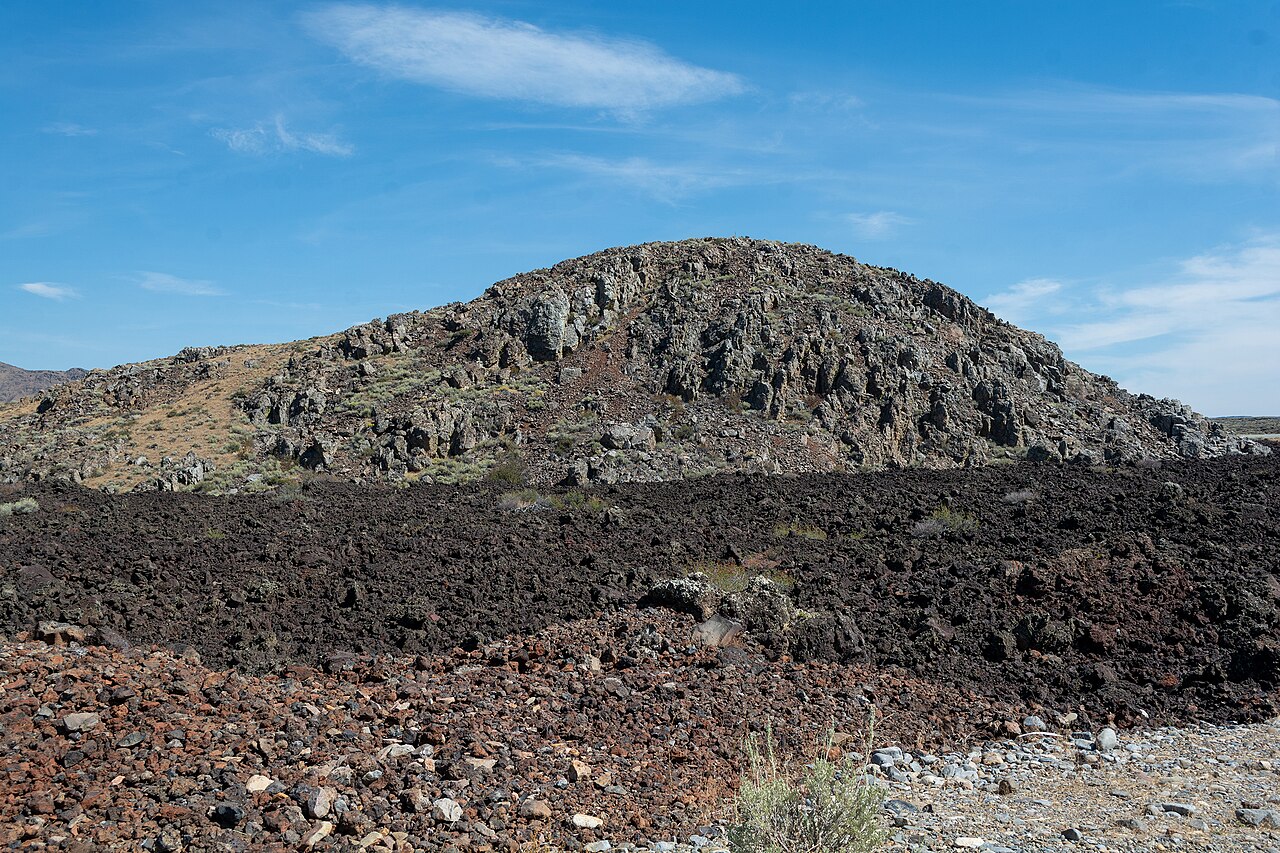
More ways to book Craters of the Moon
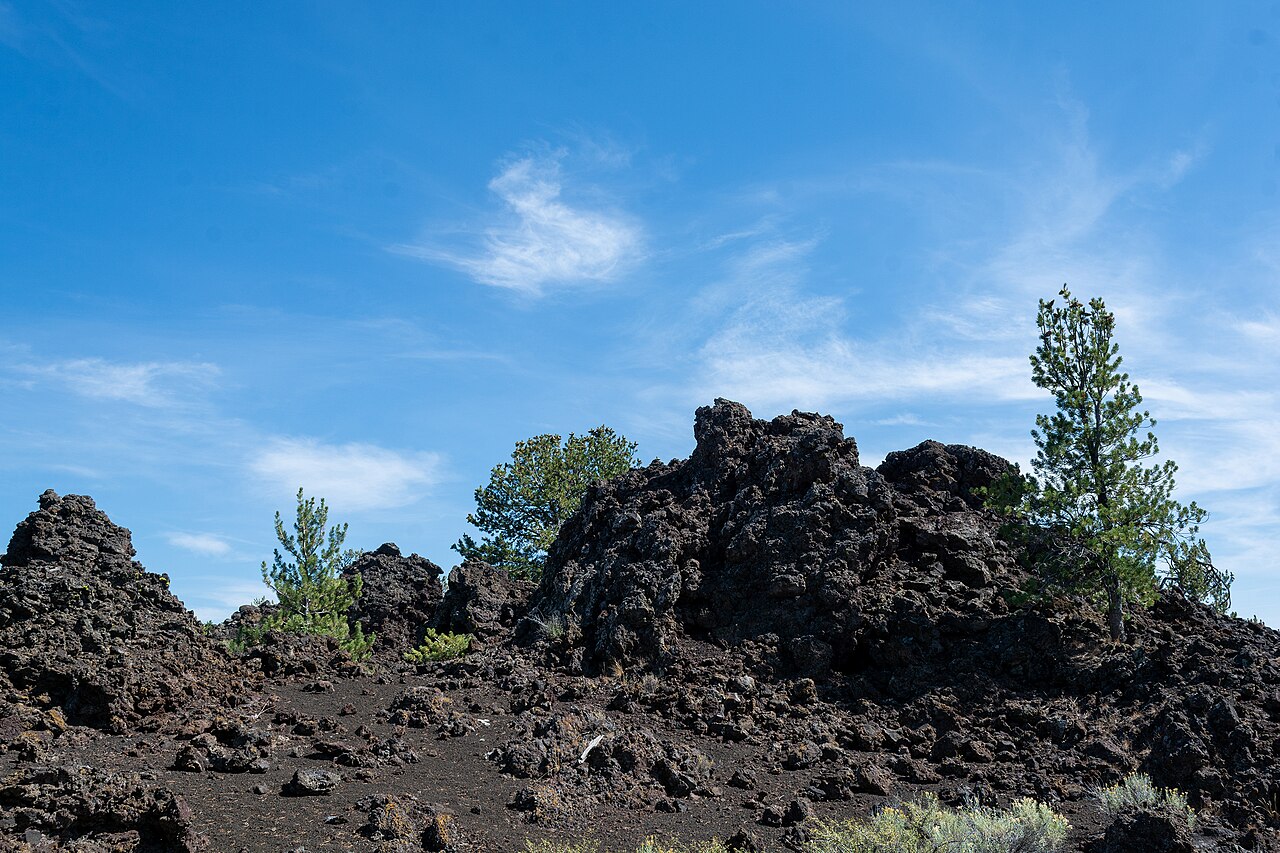
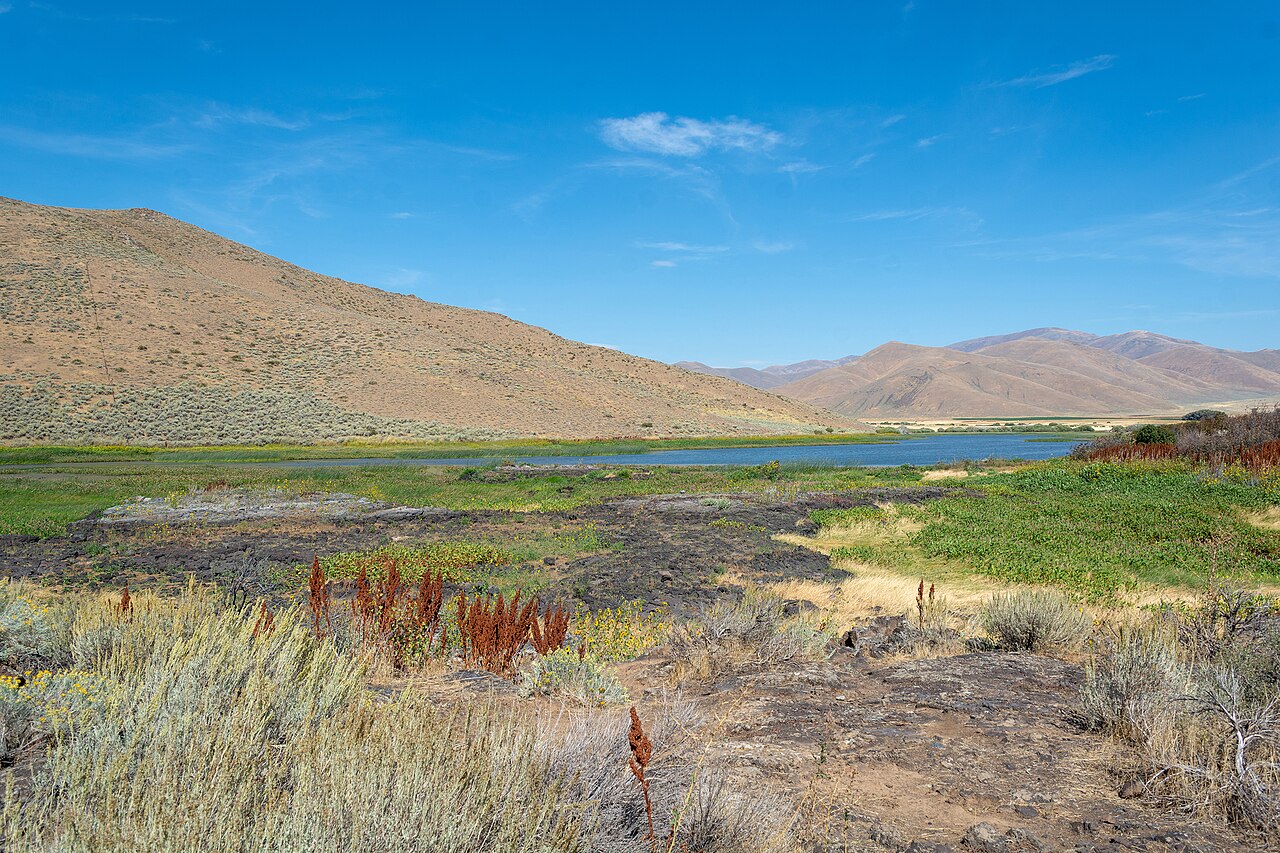 Illustrative · Matthew Dillon from Hollywood, CA, USA
Lava Cascades Trail
One of the classic ways to experience Craters of the Moon.
Varies (estimate)
Partner link · Viator