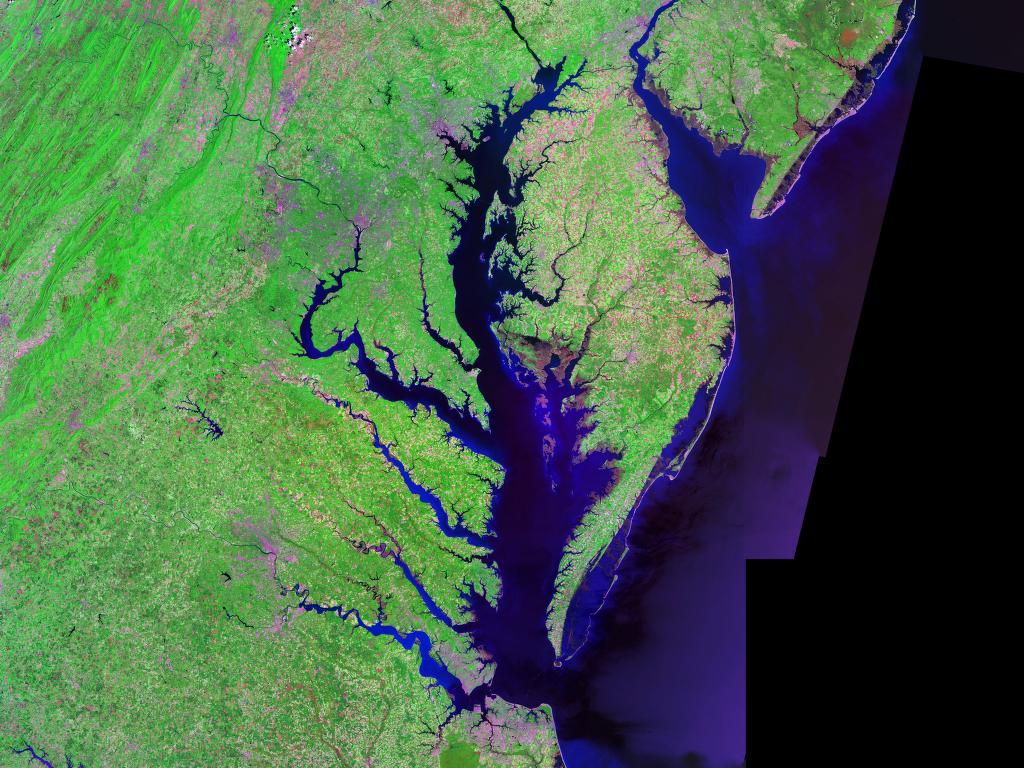
The Chesapeake Bay is a sprawling playground for outdoor enthusiasts, history buffs, and seafood lovers alike. Spanning hundreds of miles of shoreline across the Mid-Atlantic, the bay offers an incredible variety of environments, from the bustling historic docks of Annapolis to the silent, wind-swept marshes of the Eastern Shore. Whether you are looking to master the art of sailing, catch your own blue crabs, or simply enjoy a sunset over the water, there is no shortage of ways to immerse yourself in the culture of America's largest estuary.
Waterborne Adventures and Kayaking
The primary way to experience the Chesapeake is, of course, on the water. Kayaking and paddleboarding are two of the most popular activities, particularly in the protected creeks and inlets of the Eastern Shore. Locations like the Janes Island State Park near Crisfield offer miles of marked water trails through salt marshes where you can spot herons and egrets. The calm waters make it accessible for beginners, while the vastness of the bay provides plenty of challenges for experienced sea kayakers. For those who prefer a larger vessel, chartering a classic skipjack or a modern sailboat in Annapolis allows you to feel the true power of the bayâs winds.
Sailing is a way of life here, and taking a guided tour or a sailing lesson is a fantastic way to understand the maritime heritage of the region. Many operators offer sunset cruises, which provide a breathtaking view of the horizon. If you have your own boat, there are numerous public ramps and marinas located in every gateway city. Always check the official maritime charts and local park websites for current water conditions and safety guidelines before launching.
Exploring Historic Waterfront Towns
The gateway cities surrounding the bay are steeped in American history and maritime tradition. Annapolis, the capital of Maryland, is famous for its 18th-century brick architecture and the United States Naval Academy. Walking through the City Dock area, you can watch the yachts maneuver through 'Ego Alley' while enjoying local ice cream. St. Michaels, located on the Eastern Shore, offers a more laid-back, small-town atmosphere with its historic houses and the expansive Chesapeake Bay Maritime Museum. Here, you can see traditional boat-building techniques and climb to the top of a relocated 'screwpile' lighthouse.
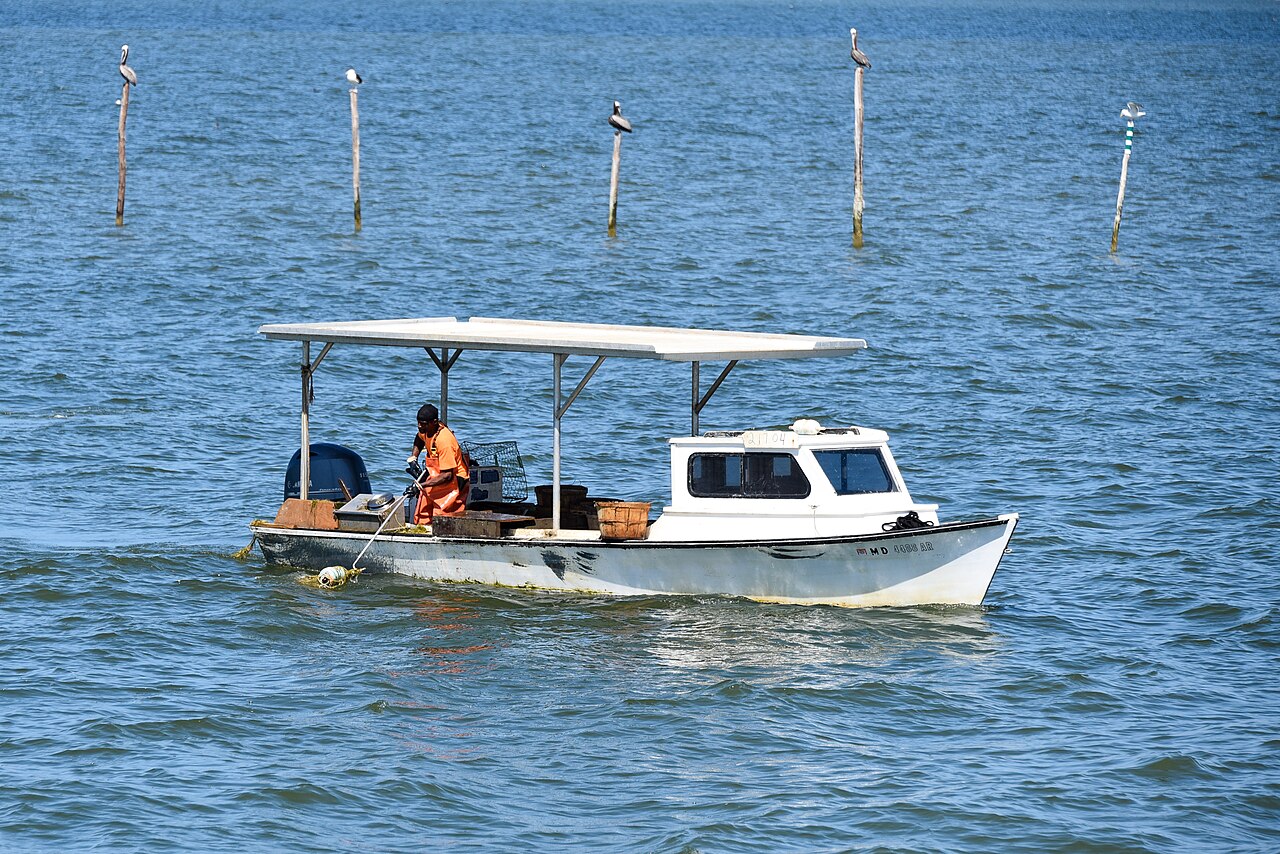
Each town has its own unique flavor, from the rugged fishing docks of Crisfieldâknown as the crab capital of the worldâto the refined boutiques of Oxford. Exploring these towns on foot or by bicycle is a great way to discover hidden gardens, historic markers, and local seafood shacks. Many of these areas offer walking tours that delve into the revolutionary war history and the stories of the watermen who have made their living on these waters for generations. Be sure to check local event calendars for festivals celebrating everything from oysters to tall ships.
Wildlife Viewing and Nature Trails
Nature lovers will find the Chesapeake Bay to be a haven for biodiversity. The Blackwater National Wildlife Refuge is a must-visit for anyone interested in bird watching; it is often referred to as the 'Everglades of the North.' You can drive the wildlife loop or hike the trails to see bald eagles, ospreys, and a variety of migratory waterfowl. The marshes are also home to the unique Delmarva fox squirrel. Throughout the region, state parks offer diverse hiking opportunities, ranging from the sandy dunes of the coastal areas to the forested bluffs overlooking the water.
For a unique perspective, visit the Calvert Cliffs, where you can hike through the woods to a beach famous for its Miocene-era fossils. It is a popular spot for families to search for ancient shark teeth along the shoreline. Wildlife viewing is best in the early morning or late evening when animals are most active. Remember to bring binoculars and a good field guide, as the diversity of species can be overwhelming. Always stick to marked trails to protect the sensitive marsh ecosystems and check the official park websites for any seasonal closures during nesting periods.
Family-Friendly Fun and Education
The Chesapeake is a fantastic destination for families, offering both recreation and education. The National Aquarium in nearby Baltimore or the Virginia Aquarium provide deep dives into the aquatic life found in the bay. For a more hands-on experience, many local parks offer 'catch and release' programs where children can learn how to use a crab pot or identify different types of fish. Building sandcastles at Sandy Point State Park or taking a ferry ride to Smith Island provides an adventurous day out that kids will remember for years.
Many of the maritime museums have interactive exhibits designed specifically for children, including climbing aboard historic vessels and learning how to tie nautical knots. If you are looking for a rainy day activity, these museums offer hours of indoor exploration. Educational programs often focus on the importance of bay conservation, teaching the next generation about the delicate balance of the estuary. The mix of outdoor play and engaging history makes the region a well-rounded choice for a family vacation with a daily budget that can be managed through picnicking in the parks.
Scenic Drives and Coastal Vistas
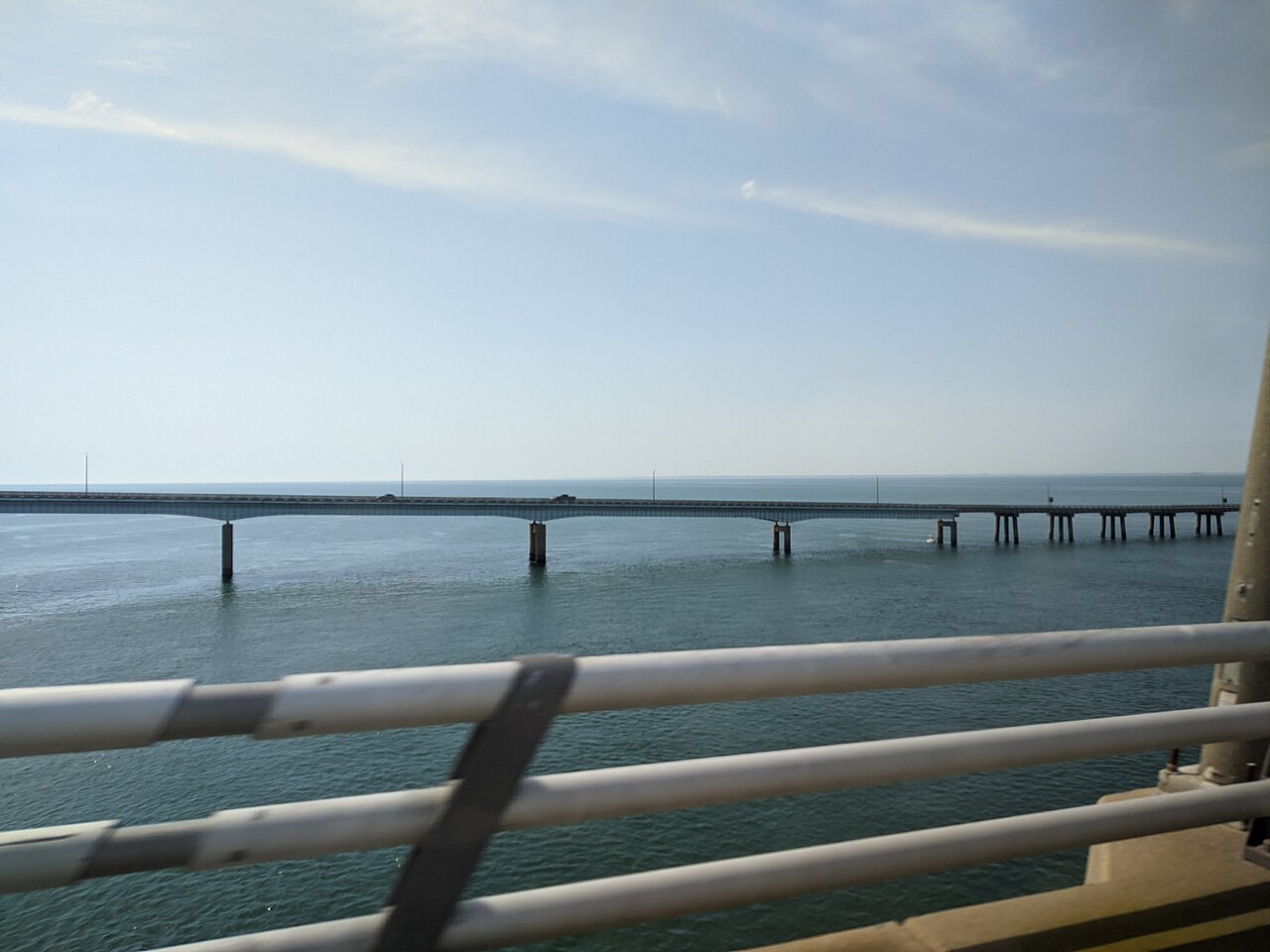
If you prefer to see the bay from the comfort of your car, there are several designated scenic byways that hug the coastline. The Chesapeake Country Scenic Byway takes you through the picturesque landscapes of the Eastern Shore, past golden wheat fields, historic churches, and quiet fishing villages. These drives offer numerous pull-offs where you can admire the vast expanse of the water and the iconic silhouette of the Chesapeake Bay Bridge. Driving across the bridge itself is an experience, offering a bird's-eye view of the shipping lanes and the hundreds of boats dotting the water below.
Stop at the small roadside stands during the summer and fall to pick up fresh local produce like corn, tomatoes, and peaches. The drives are particularly beautiful during the autumn when the leaves change color, providing a vibrant contrast to the blue inlets. Plan your route to include a few ferry crossings, such as the Oxford-Bellevue Ferry, which is one of the oldest privately owned ferries in the country. This allows you to experience the water without needing your own boat. Check the official state tourism sites for maps and updated information on road conditions and ferry schedules.