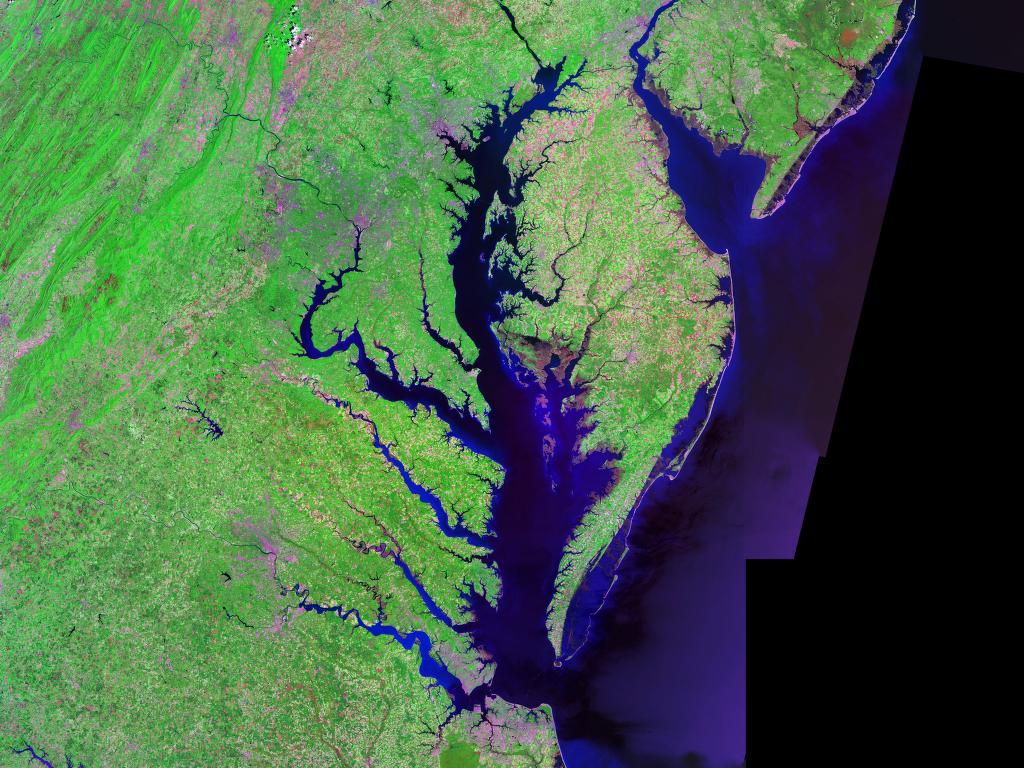
For those who want to immerse themselves in the natural beauty of the Mid-Atlantic without sacrificing comfort, glamping along the Chesapeake Bay offers the perfect compromise. Imagine waking up to the sound of water lapping against the shore and the call of an osprey, all while tucked into a plush bed with high-quality linens. The region's diverse landscapeâranging from densely wooded state parks to open, sun-drenched marshesâprovides a variety of backdrops for these elevated outdoor experiences.
What to Expect from Bay Glamping
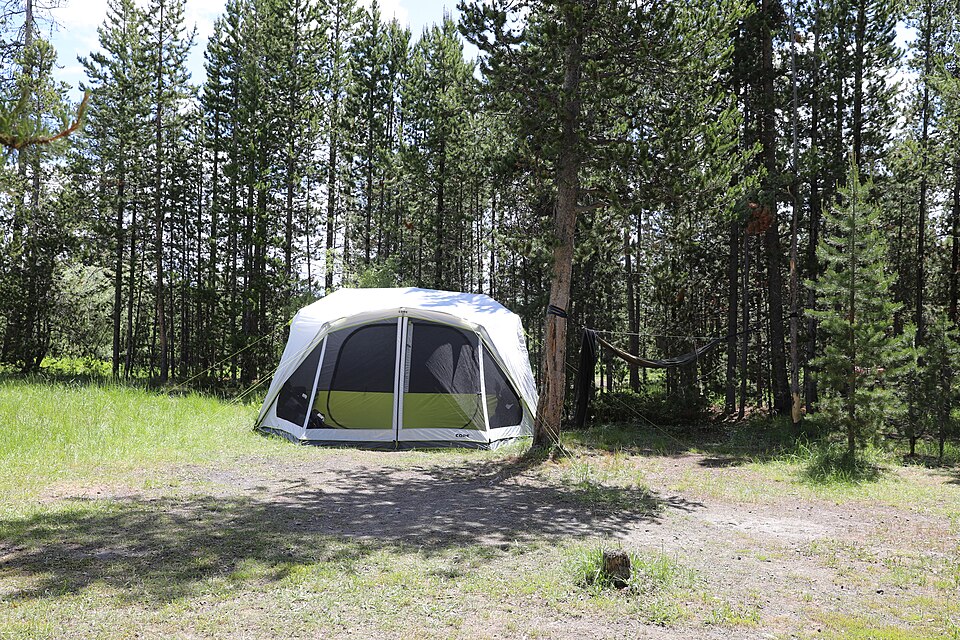
Glamping near the Chesapeake Bay typically takes the form of well-appointed safari tents, luxury yurts, or converted vintage trailers located on the water's edge. Unlike traditional camping, these accommodations usually feature real mattresses, stylized furniture, and often private decks for enjoying the sunset. Many sites provide essential amenities like coffee makers, fire pits with pre-split wood, and sometimes even air conditioning or heating to handle the Mid-Atlantic humidity and seasonal chills. The goal is to provide a seamless connection with the outdoors while removing the 'roughing it' aspects of tent pitching and sleeping on the ground.
You will find these setups tucked away in quiet corners of the Eastern Shore or nestled within larger, well-managed outdoor resorts. While some glamping sites are part of established campgrounds with shared bathhouses, others offer completely private, self-contained units with ensuite bathrooms. This variety allows travelers to choose their level of seclusion. Regardless of the specific setup, the focus remains on providing an aesthetic and comfortable way to enjoy the bay's scenery, making it an excellent choice for couples or families who want a memorable, low-stress outdoor adventure.
Top Glamping Locations and Towns
The Eastern Shore of Maryland and Virginia is the heart of the region's glamping scene. Gateway areas like St. Michaels, Tilghman Island, and the outskirts of Annapolis are popular locations for these luxury retreats. In the southern bay area, near Cape Charles and the Virginia Eastern Shore, you will find glamping options that emphasize the rugged beauty of the coastal dunes and pine forests. These locations are strategically placed to offer both privacy and easy access to local amenities like seafood markets and kayak rentals.
For a more remote experience, look toward the areas surrounding the Blackwater National Wildlife Refuge or the small towns along the Nanticoke River. Here, glamping sites are often situated on large tracts of private land or within state parks that have partnered with luxury outdoor providers. Staying in these areas allows you to spend your days exploring quiet waterways and your nights under a vast, unpolluted starry sky. Always check official park or provider websites for specific locations and to ensure they meet your needs for accessibility and proximity to the water.
The Seasonal Nature of Glamping
Because most glamping structures are fabric-walled or semi-permanent, the season heavily dictates availability. The primary glamping season along the Chesapeake runs from late April through October. During the peak summer months of July and August, these sites are in high demand, offering a breezy escape from the city heat. However, the shoulder seasons of May, June, September, and October are often considered the best times for glamping, as the cooler evening temperatures make gathered around a fire pit much more enjoyable.
Some luxury yurts and cabins are insulated and available year-round, but the classic safari tent experience is typically packed away for the winter months to protect the equipment from the bay's winter winds and occasional snow. If you are planning a trip in the early spring or late fall, it is wise to confirm that your chosen site has a heating source, as temperatures near the water can drop significantly after dark. Always book well in advance for holiday weekends, as these unique accommodations tend to fill up much faster than traditional hotels or standard campsites.
Glamping vs. Traditional Camping and RVs
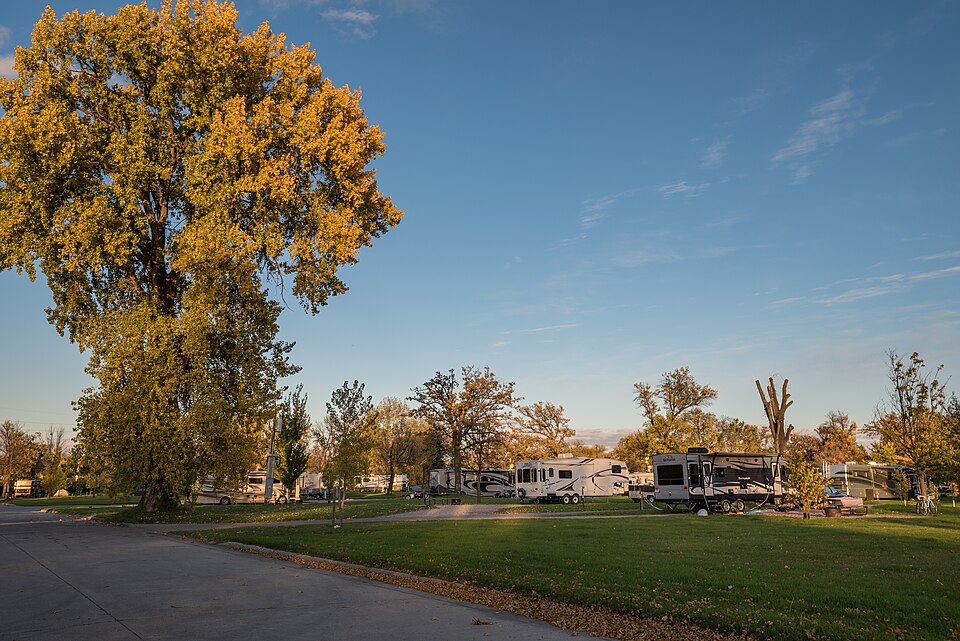
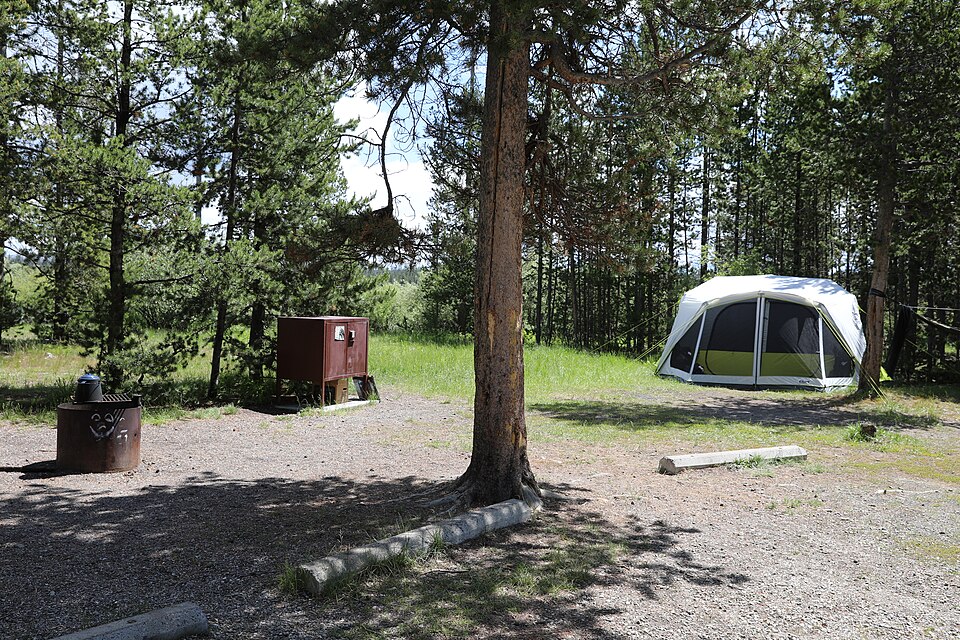
Choosing between glamping, traditional camping, or an RV depends on your desired level of involvement and comfort. Traditional camping in the bayâs state parks, like Janes Island or Point Lookout, is very affordable and offers a raw, hands-on experience, but requires you to haul and set up all your own gear. RVing is a popular middle ground, providing a mobile home base with full kitchens and bathrooms, which is ideal for those planning a long road trip around the entire 200-mile length of the bay. However, RVs require specific hookups and can be difficult to maneuver in some of the smaller, historic waterfront towns.
Glamping stands out by offering the 'ready-to-go' convenience of a hotel with the environmental immersion of a campsite. It eliminates the need for expensive gear purchases and the time-consuming tasks of setup and teardown. For travelers flying into Newport News (PHF) or other regional airports, glamping is often the most practical way to enjoy the outdoors without checking multiple bags of camping equipment. It provides a curated experience that highlights the best of the coastal environment while ensuring a good night's sleep on a proper bed, which can be a game-changer for a multi-day trip.
Essential Tips for Your Bay Stay
When preparing for a glamping trip to the Chesapeake, keep in mind that you are still in a coastal environment. Even the most luxurious tent won't stop the local insects, so bringing high-quality repellent is essential, especially in the marshy areas of the Eastern Shore. The weather can change quickly, so packing layers is vital; a waterproof jacket and sturdy outdoor shoes will ensure you stay comfortable regardless of a sudden bay squall. Most glamping sites provide basic cooking equipment, but itâs always a good idea to check what is included so you can plan your meals accordingly.
Respect the local environment by following 'Leave No Trace' principles, even in a managed glamping setting. The bay's ecosystem is fragile, and staying on marked paths helps protect the nesting grounds of local birds and the integrity of the shoreline. Finally, always consult the official park or site websites for current rules regarding fires, pets, and quiet hours. With a little preparation, glamping offers a unique and upscale way to connect with the heritage and natural splendor of the Chesapeake Bay, creating memories that a standard hotel stay simply cannot match.