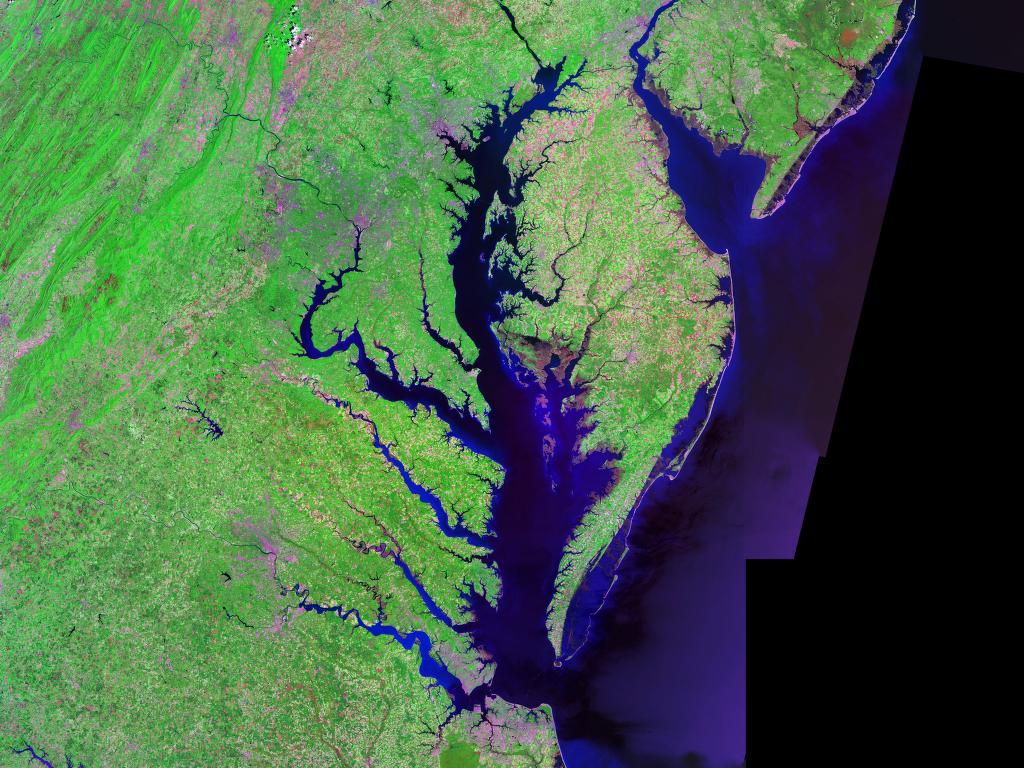
The Chesapeake Bay is a massive, living estuary that changes dramatically with the cycle of the Atlantic seasons. While the water remains the focal point year-round, the transition months of late spring and early autumn offer the most comfortable temperatures for long days on the deck of a skipjack or paddling through quiet marshlands. Understanding the nuances of the Mid-Atlantic climate will help you decide whether you want the high-energy buzz of a summer crab feast or the quiet, misty solitude of a winter bird-watching expedition.
Spring Blooms and Migrations
Spring along the Chesapeake is a time of awakening, typically starting in late March and hitting its stride by May. As the dogwoods and redbuds bloom along the shoreline, the water begins to warm, drawing back the migratory fish and birds. This is an excellent time for those who enjoy moderate temperatures, usually ranging from the 50s to the 70s. You will find that the humidity is significantly lower than in the peak of summer, making it ideal for hiking the trails at Eastern Shore parks or cycling through the flat, scenic terrain of the coastal plain.
Early spring can be breezy, which is perfect for sailors looking to catch the first steady winds of the season. However, be prepared for occasional rain showers, as the region is known for its spring squalls. Visiting during May allows you to beat the heavy summer crowds while still enjoying the full range of outdoor activities. It is also a prime time for birders to spot ospreys returning to their nesting platforms across the bay.
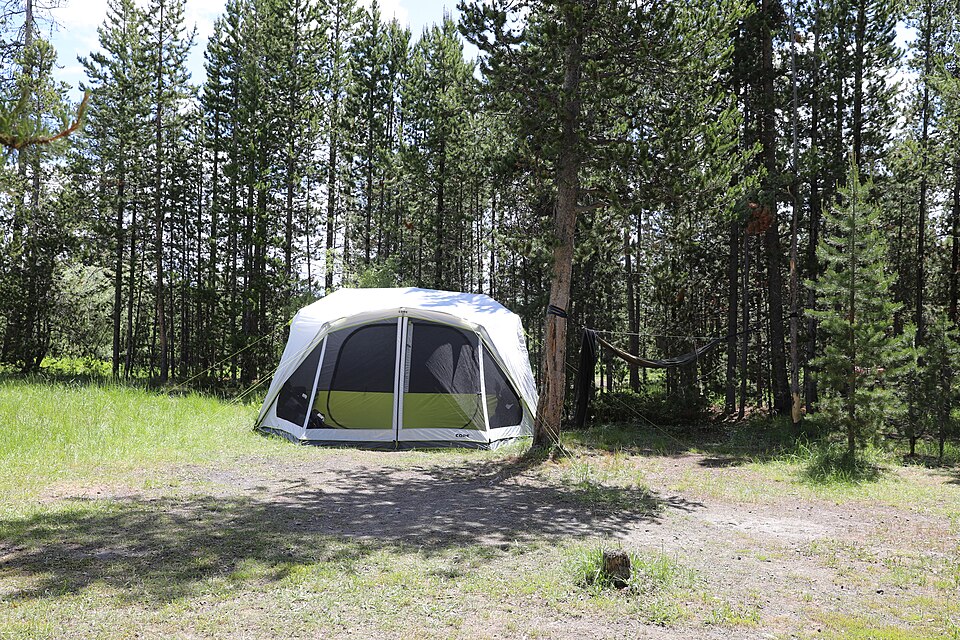
Lock in a stay for this season
RV parks near Chesapeake Bay on RoverPass
Partner link · RoverPass
Sizzling Summers on the Water
July and August represent the peak of the Chesapeake tourism season, characterized by warm, humid days and lively waterfront towns. This is the quintessential time for crabbing, swimming, and boating. The water temperatures often climb into the 80s, providing a refreshing escape from the midday sun. Families flock to the gateway cities like Annapolis and St. Michaels to enjoy the festive atmosphere, outdoor dining, and local festivals. Expect the air to be thick with moisture, which often leads to spectacular late-afternoon thunderstorms that roll across the horizon.
Because this is the most popular time to visit, you should plan for larger crowds at public boat ramps, state parks, and popular dockside restaurants. Boat rentals and guided tours are in high demand, so checking the official park sites for availability is a must. If you enjoy a vibrant social scene and the traditional experience of a summer crab boil, the heat is a small price to pay for the quintessential Maryland experience.
Autumn Crispness and Harvest
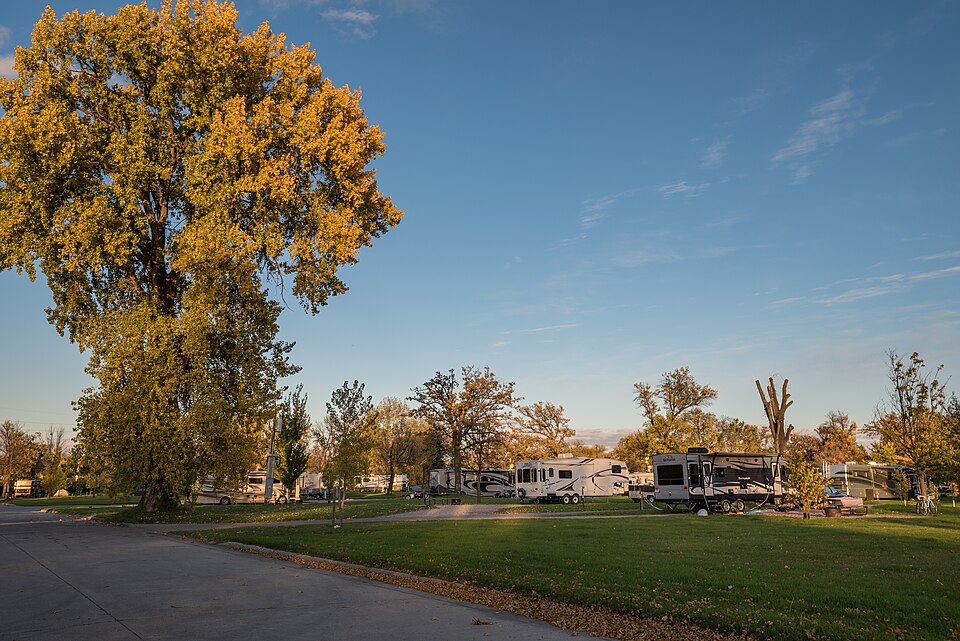
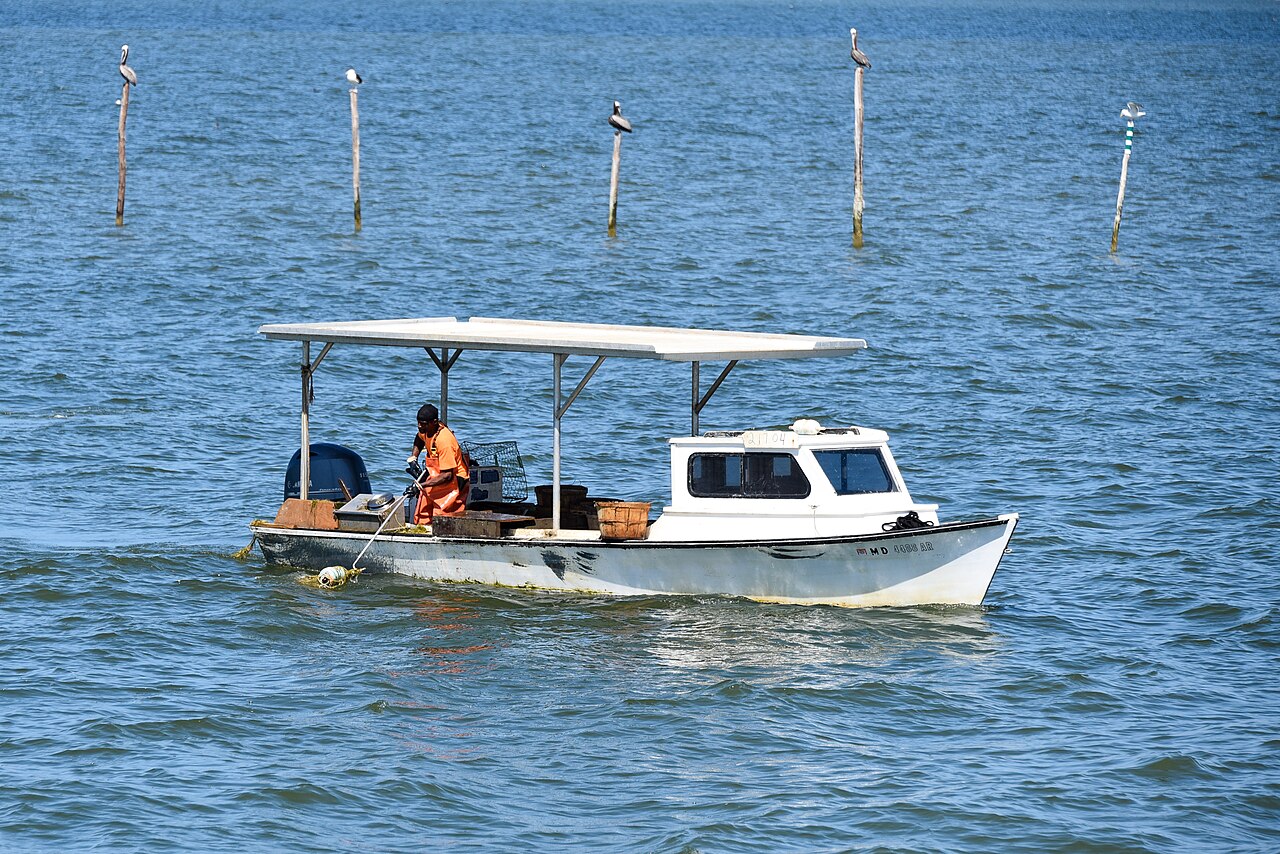
Many locals consider September and October the absolute best time to visit Chesapeake Bay. The sweltering heat of the summer fades into a crisp, invigorating chill, and the water remains warm enough for kayaking and sailing well into October. The changing foliage along the banks of the Chester and Choptank Rivers creates a stunning backdrop of gold and crimson against the deep blue water. This is also the season for the famous oyster harvest, which brings a different culinary focus to the region's historic seafood houses.
Crowds begin to thin out after Labor Day, providing a more peaceful environment for exploring historic lighthouses and maritime museums. The winds are generally stable, and the lack of summer haze makes for incredibly clear sunsets over the bay. It is a fantastic period for photographers and those looking for a romantic weekend getaway. While the evenings get cooler, requiring a light jacket, the daytime temperatures are frequently perfect for long-distance cycling or exploring the quaint brick-lined streets of historic waterfront districts.
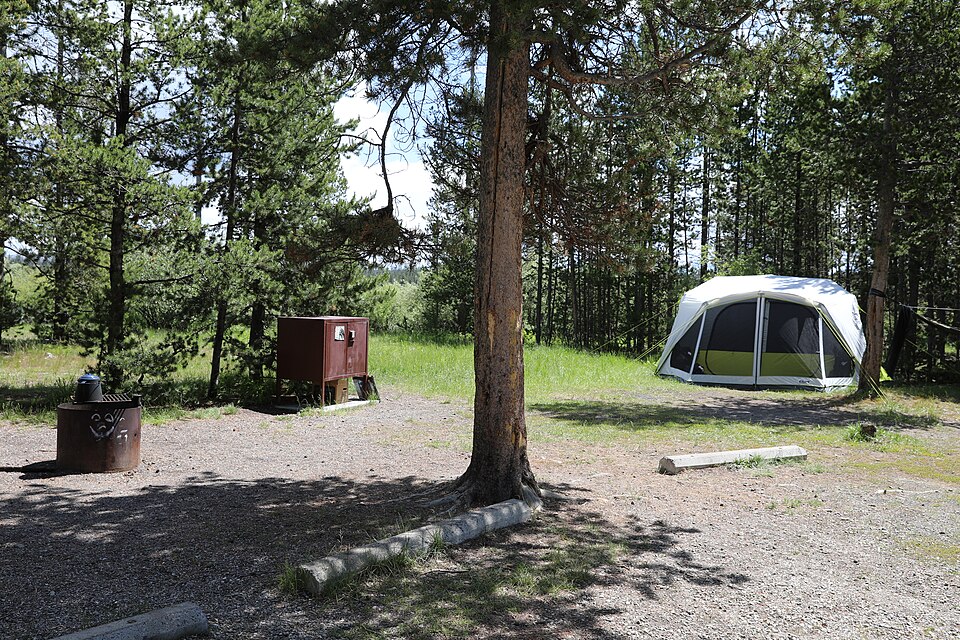
Lock in a stay for this season
Harvest Hosts stays on the way to Chesapeake Bay
Partner link · Harvest Hosts
Quiet Winter Solitude
Winter on the Chesapeake is a starkly beautiful, quiet season that appeals to those seeking solitude and nature. From December through February, the bay takes on a silver hue, and the marsh grasses turn a deep amber. While it is too cold for swimming or casual boating, it is the premier season for viewing migratory waterfowl. Tens of thousands of tundra swans, Canada geese, and various duck species winter in the bay's protected coves, creating a spectacle for wildlife enthusiasts. The air is sharp and cold, with temperatures often hovering near freezing, but the lack of foliage allows for better visibility of the local bald eagle populations.
Most of the maritime activity slows down, and some smaller seasonal businesses in the gateway towns may close or reduce their hours. However, the historic inns remain cozy, often featuring roaring fireplaces. It is a time for slow walks along the frosty shoreline and exploring the indoor exhibits at the various maritime museums without the pressure of summer lines. If you enjoy the raw beauty of the coast in winter, this is a rewarding time to visit.
Planning and Reservations
Regardless of which season you choose, planning ahead is vital for a successful Chesapeake trip. For visits during the peak summer months or the popular autumn weekends, you should look into lodging and boat rentals several months in advance. The gateway cities like Annapolis are major hubs for sailing events and university activities, which can lead to limited availability during specific weekends. Always check the official NPS or state park websites for current conditions, as seasonal changes can affect water access, trail availability, and ferry schedules.
Permit requirements for fishing and crabbing also vary by season and location, so ensure you have the correct documentation before heading out on the water. For those planning to visit the smaller islands like Smith or Tangier, ferry schedules change significantly between the summer and winter months. Budgeting for your trip should account for seasonal demand, as lodging costs often peak during the summer and fall festivals. By understanding the rhythms of the bay, you can tailor your itinerary to match the specific atmosphere and activities you desire.
More ways to book Chesapeake Bay
 Illustrative · Greyfiveys
Blackwater Refuge Wildlife Drive
One of the classic ways to experience Chesapeake Bay.
Varies (estimate)
Partner link · Viator