
Capitol Reef rewards travelers who mix its signature red-rock scenery with slower stops in Fruita, where orchards and historic buildings sit beneath towering cliffs. You can fill a short visit with accessible roadside viewpoints, or spend several days hiking and exploring the Waterpocket Fold landscape. Start with the central park corridor, then add more remote outings only when your vehicle, the weather, and current road conditions make them a sensible fit.
Explore Fruita's Orchards and History
Fruita is a natural starting point for understanding Capitol Reef beyond its scenery. Walk among the historic orchards where access is allowed, look for interpretive displays, and visit the preserved settlement buildings that help explain life in this desert valley. The contrast between green trees and sandstone walls is part of what makes this area memorable.
Fruit picking is seasonal and depends on crop conditions, so follow posted signs and ask about current rules before entering an orchard to harvest. Nearby petroglyph viewing areas along Utah State Route 24 offer another important stop. Stay on designated paths and viewing structures, never touch rock imagery, and bring binoculars if you want a closer look.
Choose a Hike That Matches Your Day
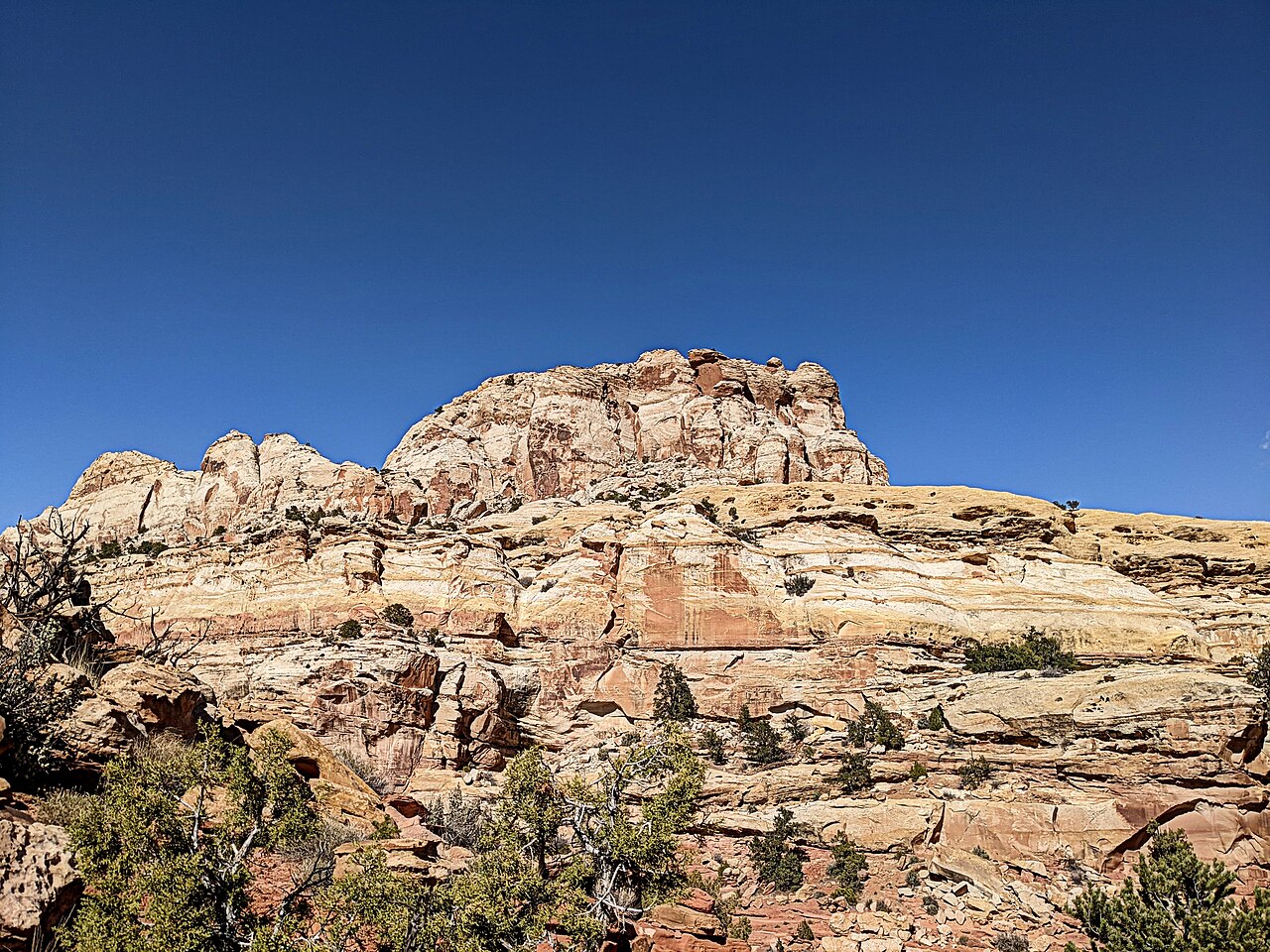
Hickman Bridge is a classic choice for seeing a natural bridge on a roughly two-mile round-trip hike. The route includes climbing, uneven ground, and exposed stretches, so treat it as a real desert hike rather than a casual roadside stroll. Bring water and allow time to stop and study the surrounding formations.
For a longer outing, consider Grand Wash when the forecast and park conditions are appropriate. Cassidy Arch is a more demanding option with substantial elevation gain and exposed terrain. Choose one main hike rather than stacking several into the hottest part of the day. Check official trail descriptions for distances, difficulty, closures, and conditions before deciding which route fits your group.
Drive the Central Corridor and Scenic Drive
Utah State Route 24 passes through the park and links several of its easiest sightseeing stops, including Fruita and viewpoints near striking sandstone formations. Use designated pullouts rather than stopping in travel lanes, and give yourself time to enjoy each stop instead of treating the highway as a quick photo run.
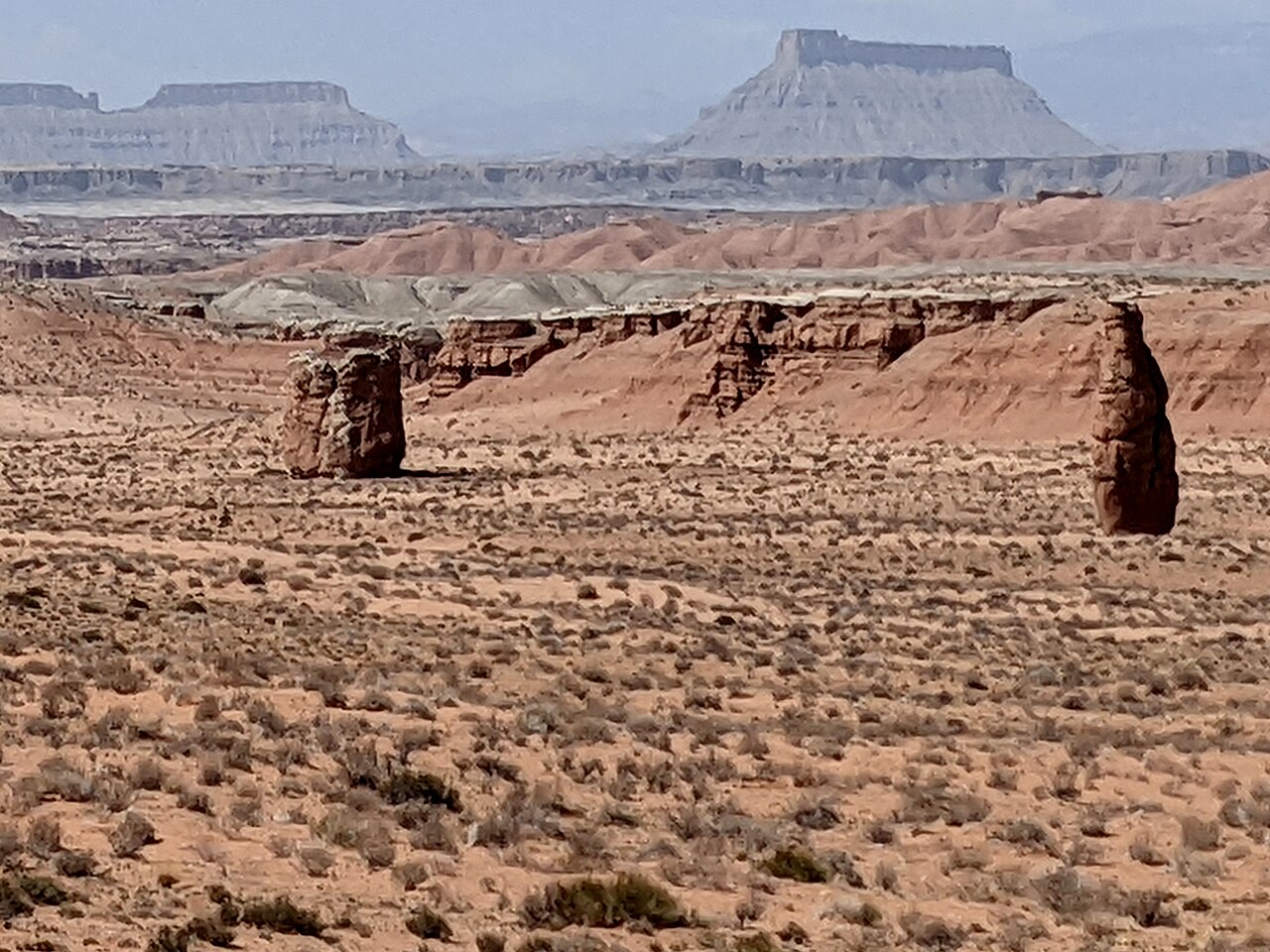
When open, the Scenic Drive offers a closer look at the cliffs and folded rock layers south of Fruita. Check current access and entrance-fee requirements before starting. Roads branching into washes or remote districts can have very different conditions from the paved route. Cathedral Valley and the Waterpocket District need more planning, suitable vehicle capability, and current road information; they are not automatic extensions of a standard sightseeing drive.
Keep Kids Engaged and Watch for Wildlife
For families, combine short walks with a few simple observation challenges: find different rock colors, sketch a cliff, or count bird species around Fruita. Ask at the visitor center about the Junior Ranger program and choose activities that suit your children's ages. A picnic break can make the day feel less like a string of car stops.
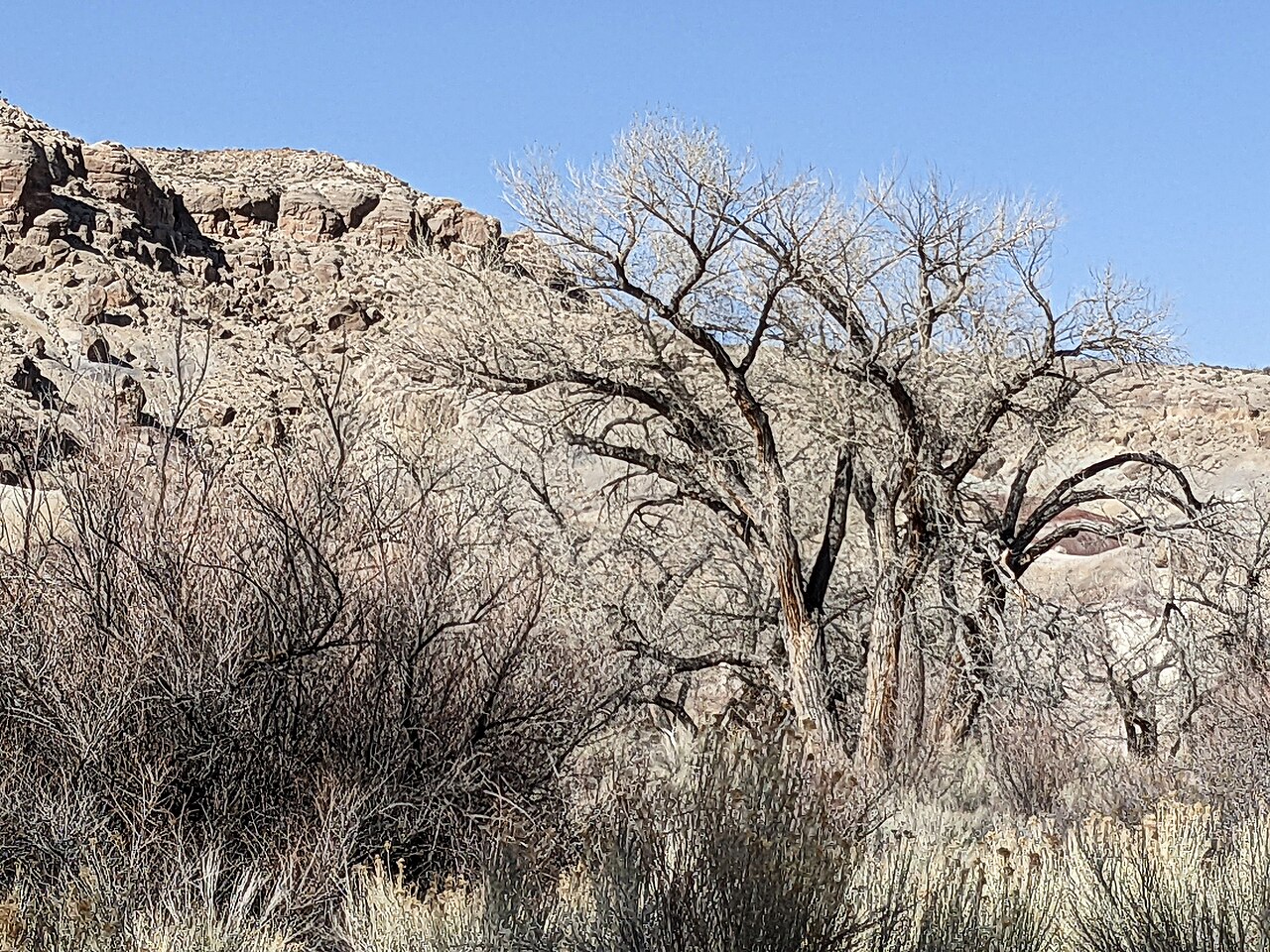
Mule deer and birds are often associated with the greener Fruita area, but sightings are never guaranteed. Watch quietly from a distance and never feed animals. The Fremont River adds water and vegetation to the desert setting, yet banks and flows require care. Do not build your visit around swimming; follow posted guidance and keep children close near water and steep edges.
Have a Rainy-Day Plan That Avoids Washes
Rain is a reason to rethink canyon hikes, not an invitation to see a wash in flood. Flash flooding can occur when storms are upstream, and unpaved roads may become muddy or impassable. Skip narrow canyon routes and remote drives when conditions are uncertain, and follow ranger guidance and closure notices.
If the visitor center is open, spend time with exhibits and ask staff about appropriate alternatives. Torrey can provide a practical break for a meal or time indoors, depending on seasonal availability. Roadside sightseeing may still work when roads and visibility permit, but avoid stopping beneath unstable slopes or entering flowing water. Consult the official NPS site and weather alerts before resuming outdoor plans.