
Capitol Reef glamping usually means staying outside the national park in a furnished outdoor-style accommodation, then driving in for hikes, orchards, and scenic viewpoints. Around the gateway communities, the experience can range from a canvas tent with shared facilities to a cabin-style stay with more conventional comforts. Focus less on the label and more on the details that shape your trip: temperature control, bathroom access, cooking arrangements, and the drive to Fruita.
What Glamping Looks Like Near Capitol Reef
Glamping is not a standardized lodging category. A furnished tent may provide a bed and lighting but require a walk to a shared bathroom, while a cabin-style unit may include indoor plumbing and more substantial shelter. Do not assume that photographs of comfortable bedding tell you whether there is heating, air conditioning, or reliable electricity.
Before booking, verify the bathroom setup, drinking-water access, parking distance, bedding, and food-storage rules. Ask whether the unit has hard walls or canvas, since that affects noise, wind exposure, and nighttime comfort. Most importantly, distinguish a private gateway-area stay from camping inside the national park. The setting, commute, reservation system, and amenities can be very different.
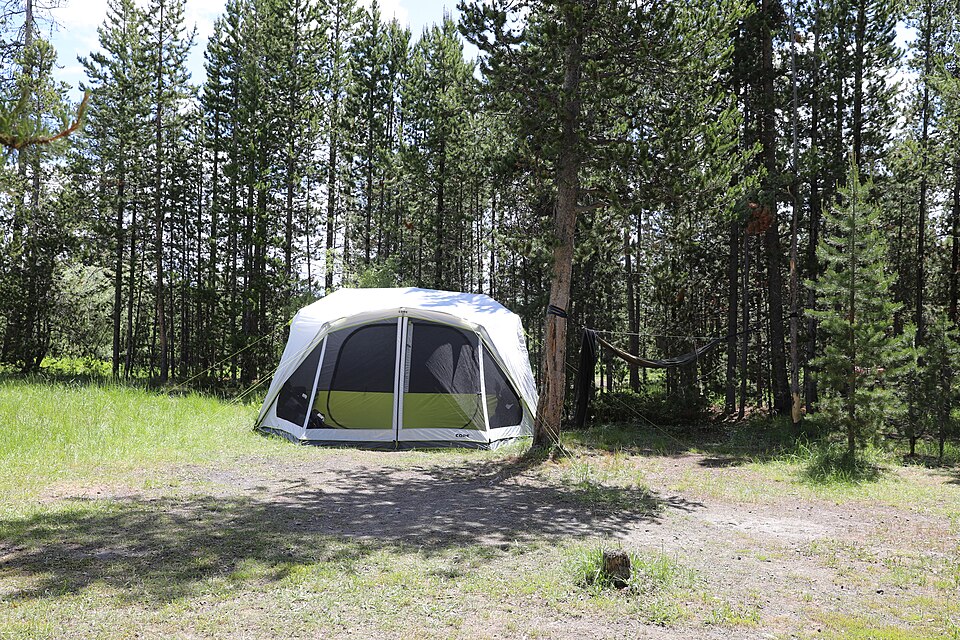
Where to Look: Torrey and Hanksville
Torrey and the surrounding western gateway area are convenient places to begin a search if most of your plans center on Fruita, Hickman Bridge, and the Scenic Drive. Staying closer to the main visitor area can make early hikes and midday breaks easier, especially during warmer weather or when traveling with children.
Hanksville is an alternative eastern gateway for travelers whose broader route runs through that side of Utah. Compare actual driving directions to your planned trailheads rather than judging a stay by its advertised proximity to the park boundary. Capitol Reef covers a long, narrow landscape, and a location near one section may not be convenient for another. Check seasonal availability and access-road surfaces before booking.
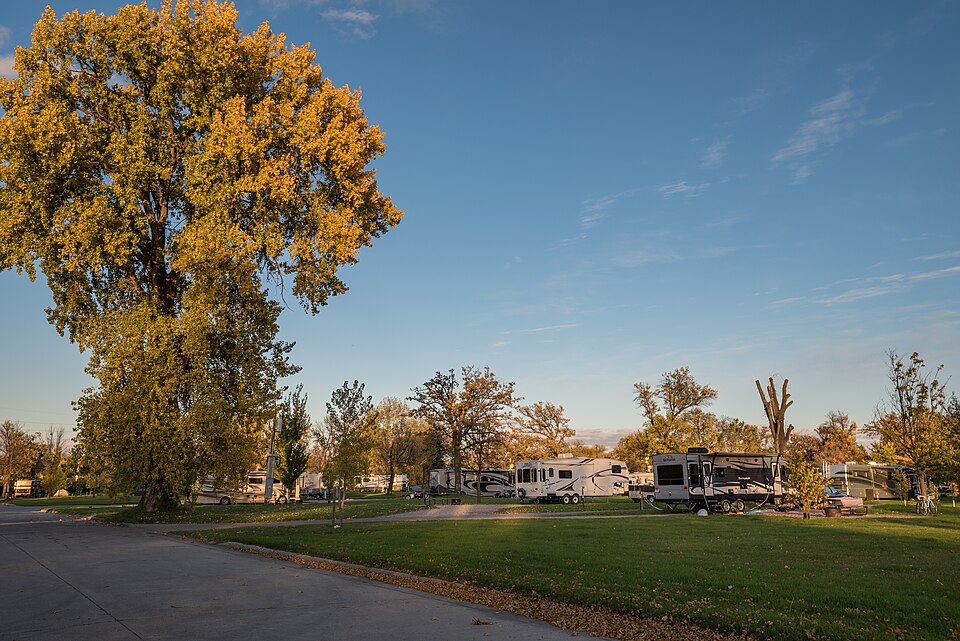
Choose Your Season for Overnight Comfort
Spring and fall generally offer the most appealing balance for hiking and outdoor evenings, but a comfortable daytime forecast does not guarantee a warm night. March, April, and late October can be cold after sunset. A canvas unit without adequate heat may feel much closer to tent camping than to a hotel room.
Summer stays call for close attention to cooling and shade. Ask how the accommodation handles hot afternoons instead of assuming a fan will suit your needs. Wind and thunderstorms can also affect outdoor cooking and lounging. Winter requires checking both seasonal operation and heating arrangements. Review cancellation terms, and consult the official NPS site for current park conditions before departure.
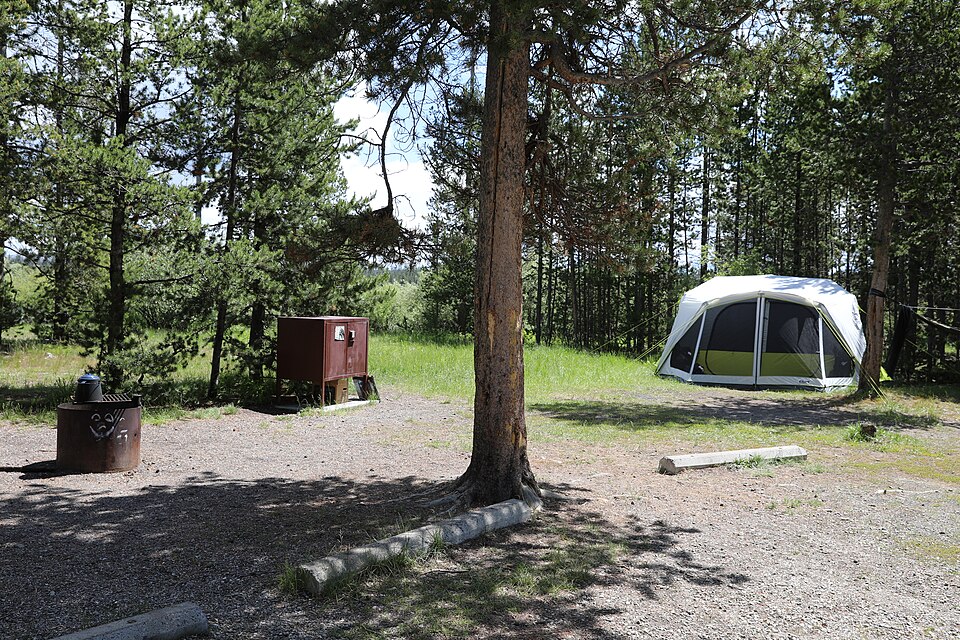
Where to sleep
Harvest Hosts stays on the way to Capitol Reef National Park
Partner link · Harvest Hosts
Pack for the Desert, Even With a Real Bed
Bring layered clothing, a warm outer layer, a sun hat, sunscreen, and sturdy walking shoes. A headlamp is useful for paths between your unit, parking, and shared facilities. Pack refillable water containers and a daypack so that comfortable lodging does not leave you underprepared for a dry, exposed hiking day.
Confirm what is supplied before packing towels, extra blankets, cookware, or a cooler. Keep food and scented items stored according to property rules rather than leaving them outside. Download park maps and carry a charging backup if electrical access is limited. Earplugs can help in canvas accommodations where wind and neighboring guests are easier to hear, and closed-toe shoes are handy for nighttime walks.
Glamping vs. Camping vs. an RV
Choose glamping if you want a ready-made bed and less setup while keeping an outdoor atmosphere. Choose tent camping if you have the gear, enjoy handling your own shelter and meals, and want more control over your campsite routine. An RV offers familiar sleeping and cooking space, but adds vehicle-size considerations, fuel use, and campsite logistics.
Costs vary widely by season, occupancy, and amenities. Tent camping often has a lower nightly lodging cost, while furnished units and RV rentals can cost substantially more; compare rough total-trip estimates rather than headline nightly rates. Check hookup details, generator rules, parking limits, and cancellation terms. Use the official NPS site for park campground reservations and current restrictions, and verify private lodging details directly.