
Spring and fall are usually the most comfortable seasons for exploring Capitol Reef National Park, especially if your plans include hiking beneath sandstone cliffs and spending time in historic Fruita. March through May and September through October bring a useful balance of daylight and generally milder temperatures, though conditions vary widely by month. Choose your dates around the activities you care about, then leave room for desert weather to change your plans.
Spring: Comfortable Hiking, Changeable Conditions
March through May is a strong window for hiking and scenic drives, but early spring can still feel wintry. Expect chilly mornings, possible snow or ice, and a noticeable difference between sunny afternoons and shaded canyon trails. By late spring, exposed routes can become hot enough to make an early start worthwhile.
Fruita's orchards may bloom in spring, although timing depends on the weather and should never be the only reason for choosing a particular week. Spring break brings extra visitors, especially around weekends. Pack layers, carry water even on short walks, and check the official NPS site for trail conditions and road closures before setting out.
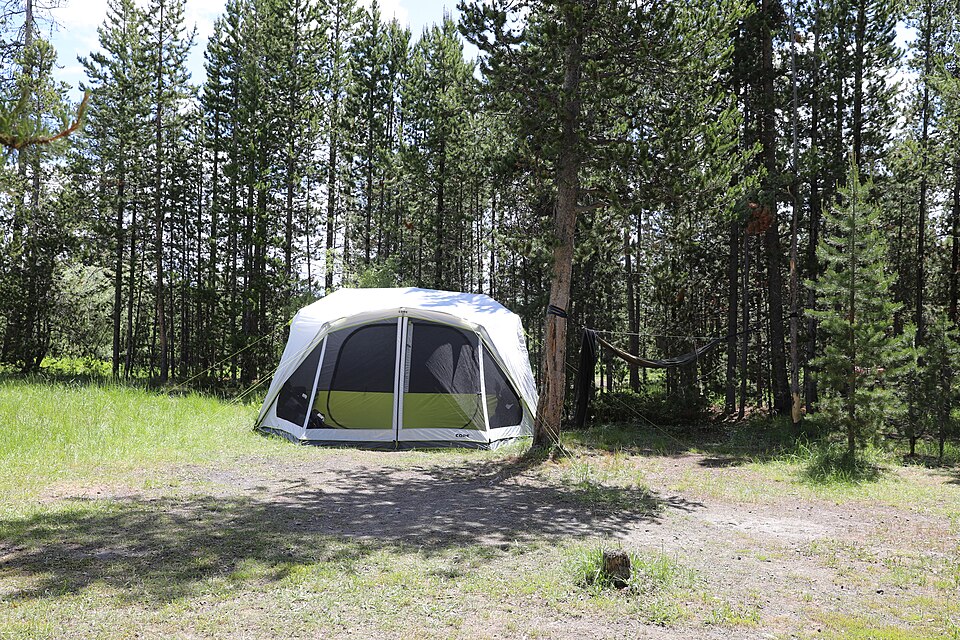
Lock in a stay for this season
RV parks near Capitol Reef National Park on RoverPass
Partner link · RoverPass
Summer: Long Days and Hot Afternoons
Summer offers long daylight hours, but heat changes how you should structure a visit. Plan exposed hikes early, use the middle of the day for indoor exhibits or a shaded rest, and save another short outing for evening. Shade is limited on many trails, and a route that looks short on the map can feel demanding in direct sun.
Summer thunderstorms can bring lightning and flash flooding, including when rain falls upstream from your location. Avoid entering narrow canyons or washes when storms threaten. Orchard harvests may begin during summer, depending on the crop and year; picking is allowed only where designated. Confirm current orchard access and weather alerts through the park.
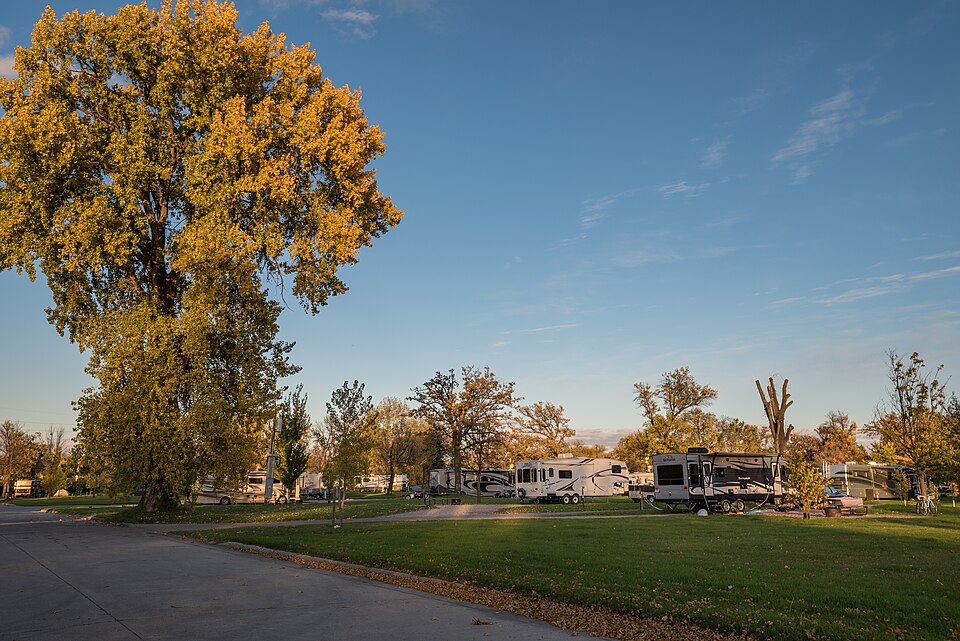
Lock in a stay for this season
Campsites near Capitol Reef National Park on Campspot
Partner link · Campspot
Fall: A Favorite for Trails and Fruita
September and October often deliver pleasant hiking weather, making fall one of the most appealing times for a two- or three-day stay. September can still have hot afternoons, while October brings cooler mornings and shorter days. Layers remain useful, particularly if you plan to watch sunset and return after the temperature drops.
Fruita can be especially inviting when leaves change and fruit is available, but neither foliage nor harvest dates follow a fixed schedule. Check orchard notices rather than assuming you can pick on arrival. Fall is popular, so expect company on well-known trails and reserve lodging or a campsite early once your dates are firm.
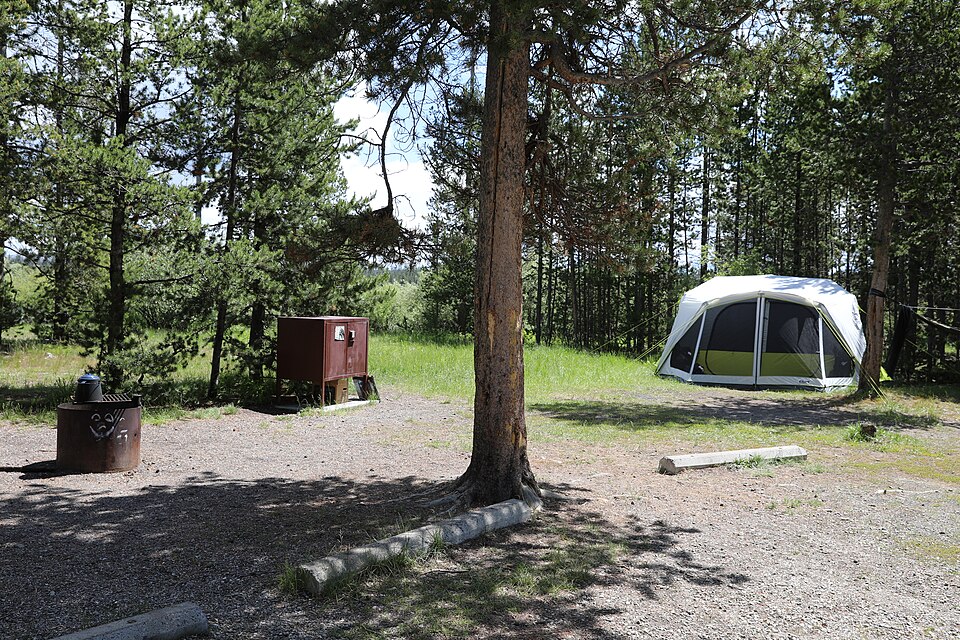
Lock in a stay for this season
Harvest Hosts stays on the way to Capitol Reef National Park
Partner link · Harvest Hosts
Winter: Quieter Views and More Limitations
Winter can bring a quieter park, crisp light, and snow against the red cliffs. It also brings freezing temperatures, limited daylight, and the possibility of icy trails or slick roads. A relaxed visit built around accessible viewpoints and short walks is generally easier to adapt than an ambitious backcountry itinerary.
Some nearby visitor services and lodging options operate seasonally, so confirm availability before traveling. Do not assume that an unpaved road is passable just because the main highway is clear; mud, snow, and ice can make remote routes unsuitable. Check the official park conditions page and local road forecasts, and keep enough flexibility to skip a hike or change your driving route.
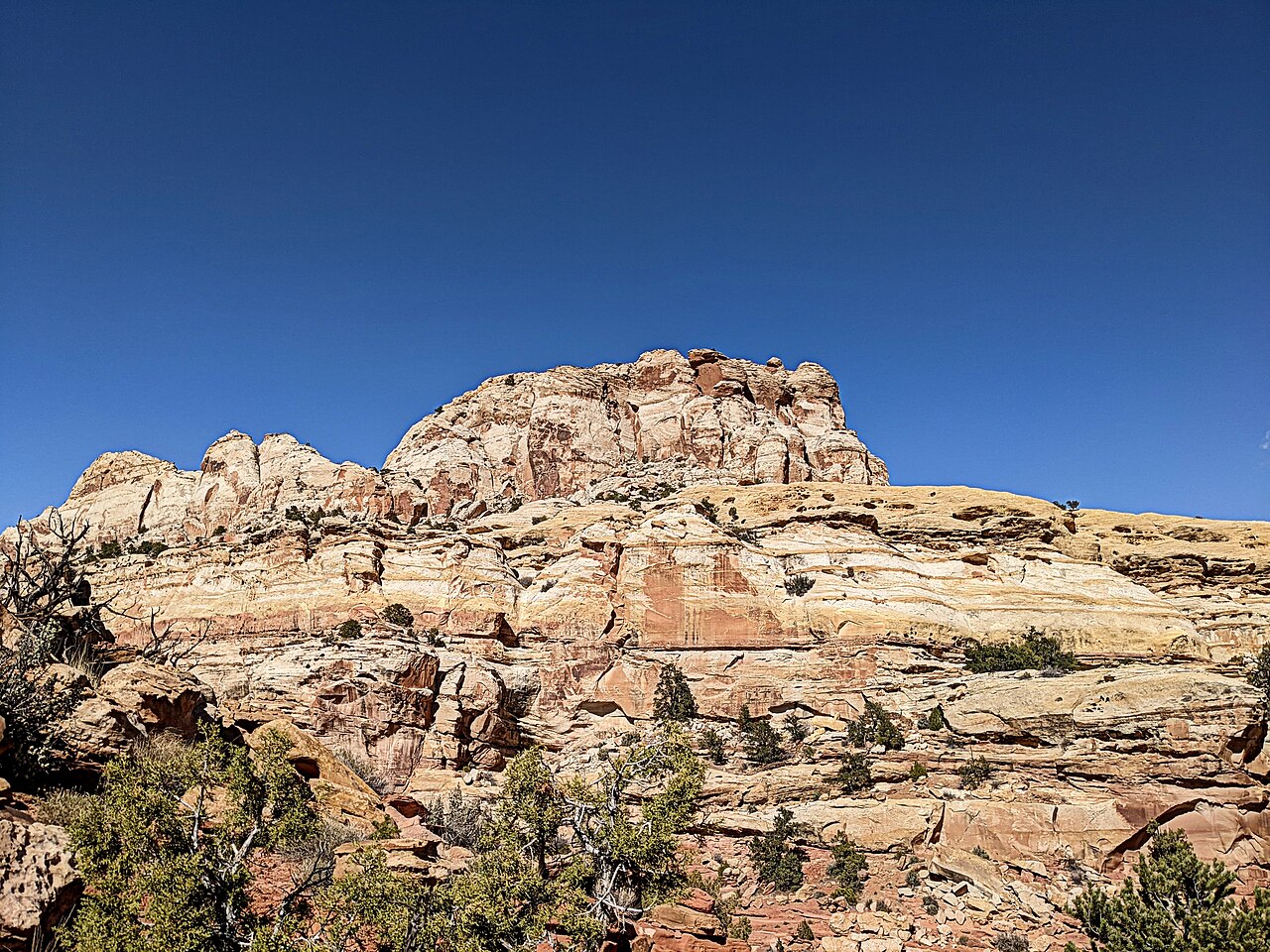
Crowds and When to Make Reservations
Capitol Reef's busiest visitor areas cluster around Fruita, popular trailheads, and the Scenic Drive corridor. Spring and fall weekends tend to draw more people, while arriving at trailheads early can help with both parking and afternoon heat. Weekdays may feel less busy, but solitude is never guaranteed at the park's signature stops.
Reserve established campground sites and nearby lodging as soon as your dates are settled, especially for holiday periods and peak hiking months. Booking windows and access requirements can change, so use the official NPS site to verify current campground reservations, road conditions, and any activity-specific permits. Remote camping and backcountry travel require separate research rather than assumptions based on a standard sightseeing visit.
More ways to book Capitol Reef National Park
 Illustrative · bobistraveling
Fruita Orchard Picking
One of the classic ways to experience Capitol Reef.
Varies (estimate)
Partner link · Viator