
The most memorable things to do in Bryce Canyon region combine wide-open views with time among the hoodoos, the tall rock spires that define the landscape. You can fill a short visit with overlooks and gentle rim walks, or use several days for longer hikes, nearby Red Canyon, and clear-night stargazing. Leave room for changing weather, and choose walks by their elevation change as well as their distance.
Start with the Bryce Amphitheater Overlooks
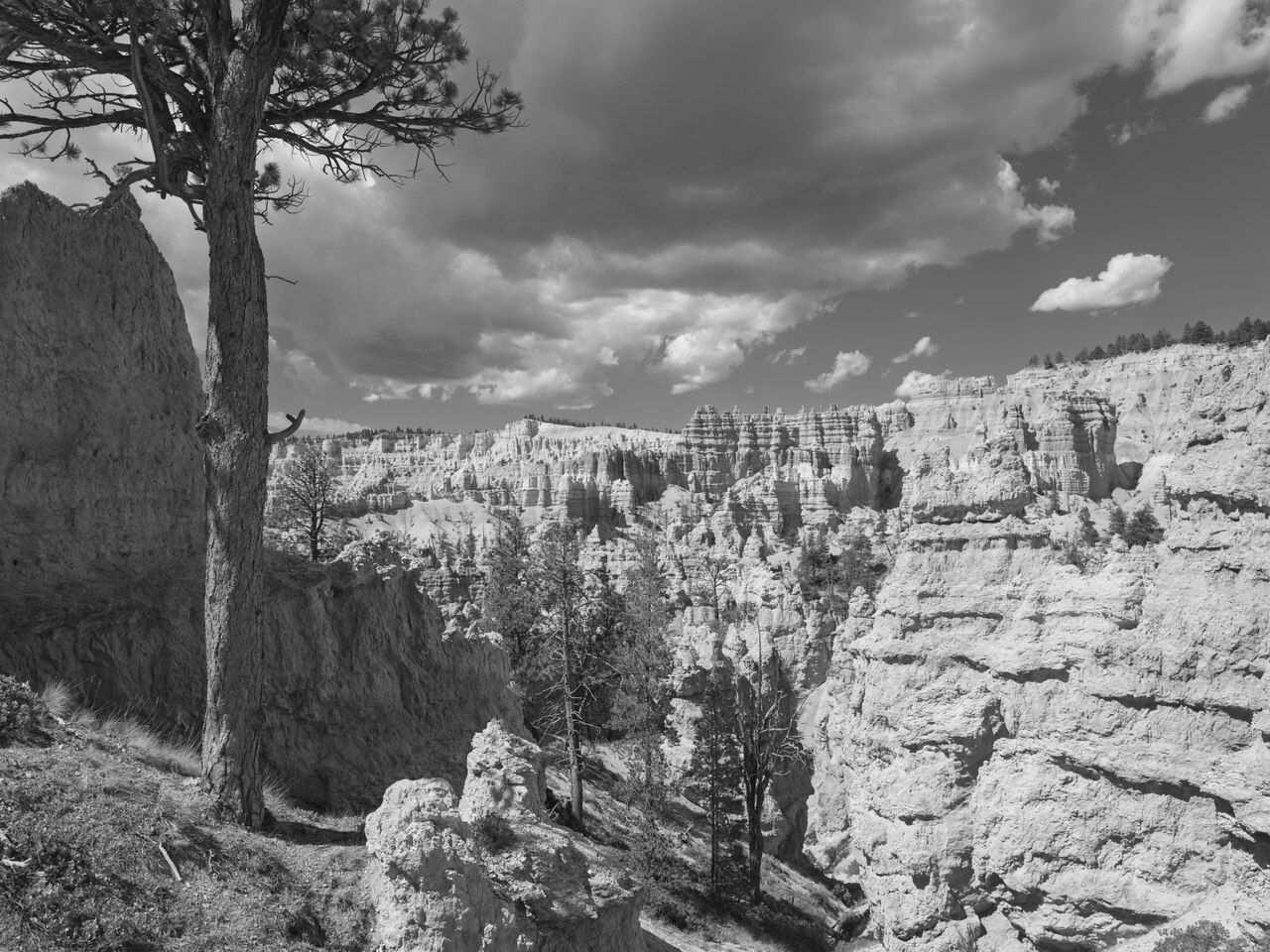
Sunrise Point, Sunset Point, Inspiration Point, and Bryce Point offer different perspectives on the park's famous amphitheater. You do not need to visit every overlook in a single outing. Start with two, linger over the changing light, and add more if your group still has energy. The walk between Sunrise and Sunset points is a useful introduction to the rim when conditions allow.
Stay on designated paths and behind barriers, especially when taking photographs. Some viewpoints involve slopes or stairs, so check accessibility details rather than assuming every stop is equally easy. Use the park shuttle when it is operating and suits your route; consult the official NPS site for current service information.
Walk Below the Rim and Explore the Scenic Road
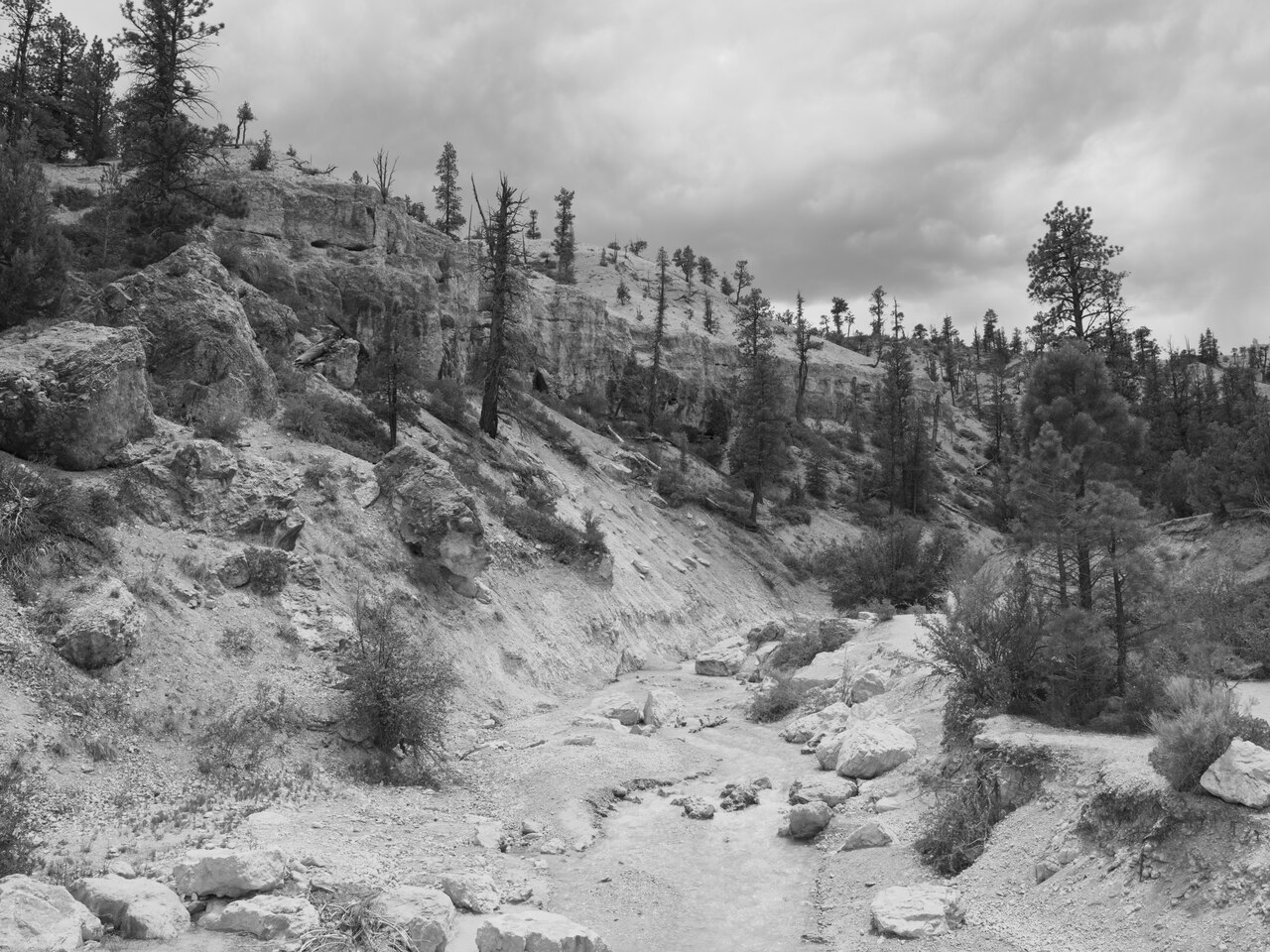
For a closer look at the hoodoos, consider the Queen's Garden Trail or a route combining Queen's Garden with the Navajo Loop when open. Remember that descending first means climbing back out later. The Navajo Loop's Wall Street section has a seasonal closure, and weather can affect other sections, so verify the route before starting.
Balance hiking with the park's scenic road toward Rainbow Point. Southern overlooks reveal a broader landscape beyond the main amphitheater, and short walks can break up the drive. Carry food, water, and layers rather than counting on services at each stop. Check the official park site for trail alerts and road closures, especially outside summer.
Look for Wildlife and Stay for the Night Sky
Wildlife watching rewards patience more than mileage. Mule deer, birds, and small mammals may appear around meadows and forest edges, but sightings are never guaranteed. Watch from a distance, keep food secured, and never feed animals or approach them for a better photograph. Early and late daylight can be rewarding times to slow down and observe.
After dark, clear skies can reveal an impressive field of stars. Bring warm clothing, a light for walking, and a plan for returning to your lodging. Check the official NPS calendar for astronomy or ranger programs rather than assuming they run nightly. Clouds, moonlight, and weather will shape what you can see.
Make It a Family Trip, with a Red Canyon Detour
With kids, aim for a few satisfying experiences rather than every viewpoint. A short rim walk, a hoodoo-spotting game, and a visitor center stop can make a full morning. Ask about the Junior Ranger program and current family activities. Below-rim hikes demand an uphill return, so turn around while everyone still has energy rather than waiting until the youngest walker is exhausted.
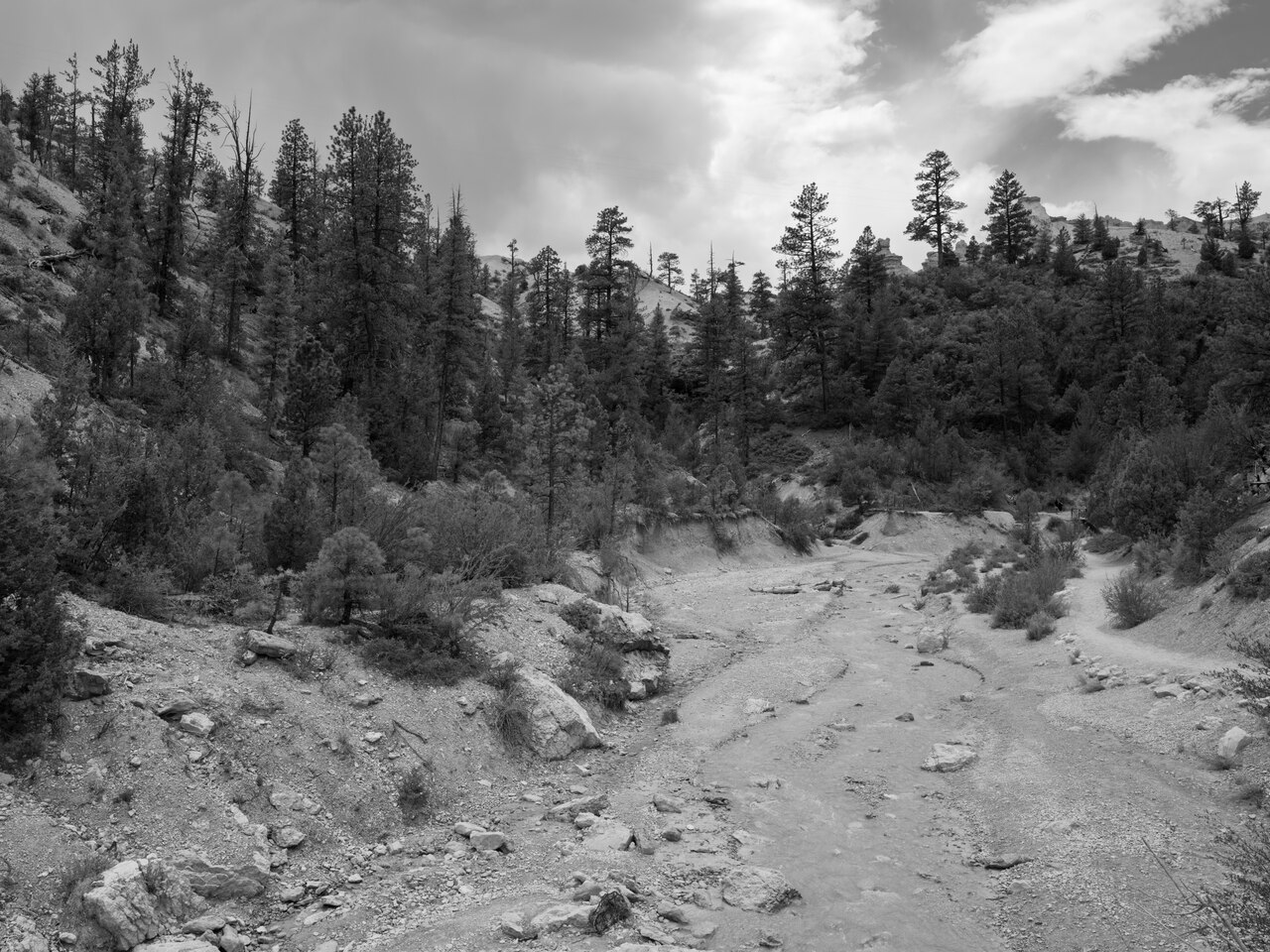
Nearby Red Canyon, along Scenic Byway 12 in Dixie National Forest, offers another look at colorful rock formations. Choose a short trail based on current conditions and your group's abilities. Bring snacks, water, and layers, and check official Forest Service information for access and trail updates.
Keep a Rainy-Day and Storm Plan
A wet day can be a good time for visitor center exhibits, trip planning, and a slower meal in a nearby gateway town. Check current visitor center hours on the official NPS site before going. If conditions improve, a short viewpoint visit may fit better than committing to a long hike below the rim.
Thunderstorms are not a reason to linger at exposed overlooks or beneath isolated trees. Seek appropriate shelter and follow park weather guidance. Heavy rain, ice, or poor visibility can also make a scenic drive a poor substitute for hiking. Keep a book, games, or downloaded entertainment at your lodging so a weather pause does not feel like a lost day.