
Bryce Canyon region glamping can give you an outdoor setting without bringing a complete campsite from home, but the label covers very different levels of comfort. Depending on the property, it may mean a furnished canvas tent, a yurt-style unit, or a compact cabin with more substantial shelter. Focus on heating, bathrooms, and the actual drive to the park before choosing a stay for your three- to five-day visit.
What Glamping Looks Like Around Bryce
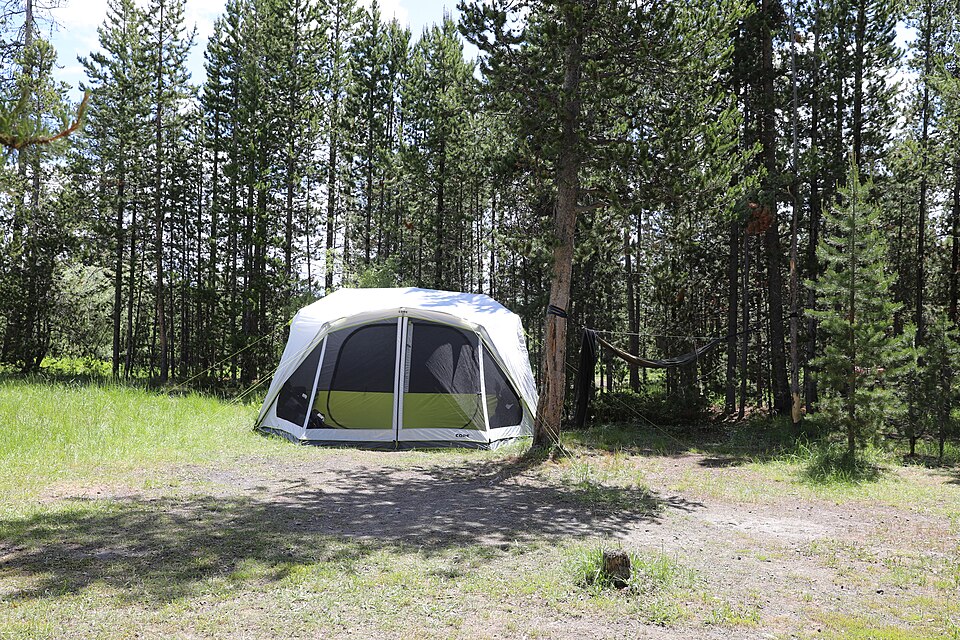
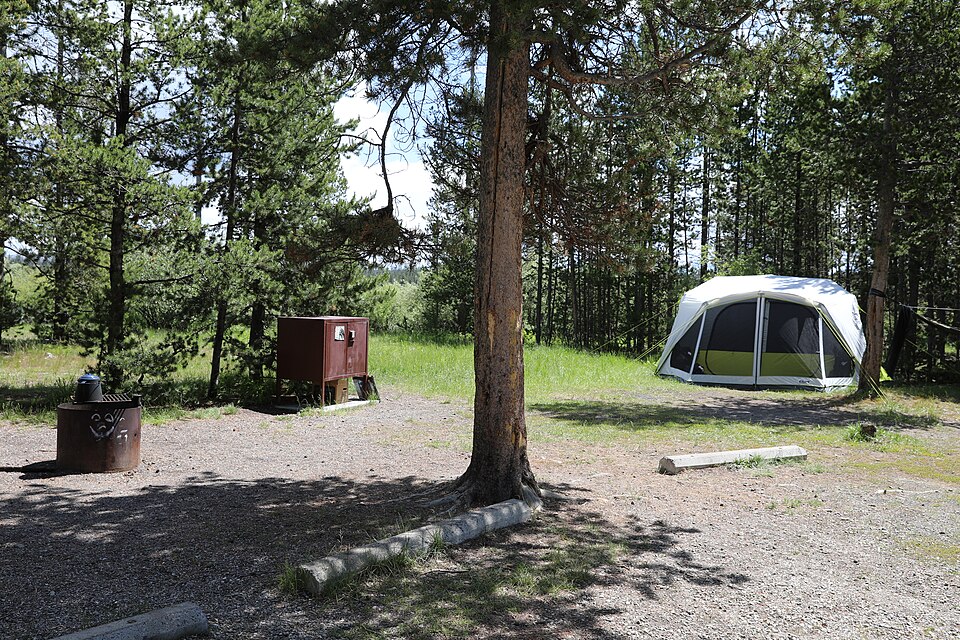
A glamping stay generally provides a bed and a prepared accommodation, but it does not automatically include hotel-style amenities. Tent-style units may have shared bathrooms, limited electricity, or no kitchen. More enclosed units may offer private plumbing and better temperature control. Read the specific unit description rather than relying on the property's overall photographs.
Ask whether bedding, towels, drinking water, charging outlets, and cooking equipment are included. Confirm how far you must walk to bathrooms and parking, especially if anyone in your group has mobility needs. Outdoor seating and views can be appealing, but so can a reliable indoor place to sit when wind, rain, or cold interrupts your evening.
Where to Look: Bryce Canyon City, Tropic, and Panguitch
Use Bryce Canyon City as a search area if proximity to the main park entrance is your priority. Tropic, east of the park along Scenic Byway 12, is another useful base for exploring the region. Panguitch can suit travelers combining Bryce with a broader road trip. Accommodation types and availability vary, so search for the unit style you actually want.
Compare the exact property location, not just the town name attached to a listing. A rural address can add driving or involve a different access road than expected. Check directions, road surfaces, grocery access, and your likely return route after dark. Do not assume a private lodging property has park-shuttle access.
Choose the Season Around Overnight Comfort
Summer is often the simplest season for tent-style lodging, but Bryce's high-elevation setting can still produce chilly nights. Spring and fall require closer attention to heating and bedding, and a property may operate only seasonally. Winter calls for a confirmed cold-weather setup rather than an assumption that a furnished tent will be comfortable.
Ask what kind of heat is provided, whether it runs overnight, and what the operator recommends for the expected temperatures. Never bring an unapproved fuel-burning heater into a tent or enclosed unit. Wind and thunderstorms can affect outdoor plans in warmer months, too. Review cancellation policies and check official NPS conditions before departure, particularly during unsettled weather.
Where to sleep
Harvest Hosts stays on the way to Bryce Canyon region
Partner link · Harvest Hosts
Glamping vs. Camping vs. an RV Stay
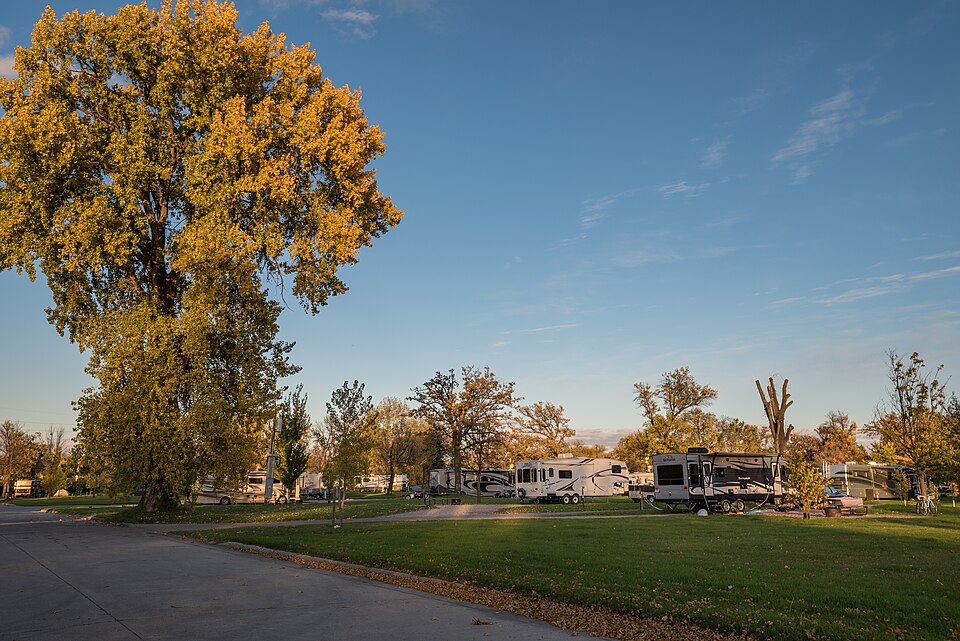
Glamping suits travelers who want an outdoor atmosphere with less gear preparation. Traditional camping offers more control over your setup and can have lower nightly site costs, but equipment, weather readiness, and packing add work. An RV provides an enclosed living space, though rental costs, fuel, site suitability, and hookups require their own planning.
Treat every cost comparison as a rough estimate, not a rule. A furnished tent with a shared bathroom may be priced very differently from a cabin with a kitchen. Compare the total stay cost, including cleaning charges and optional extras. For national park camping, use official NPS information to confirm campground facilities, reservation procedures, and vehicle restrictions.
What to Check Before You Book
Before booking, confirm the sleeping arrangement, private or shared bathrooms, heating, electricity, meal preparation options, and cancellation terms. Families should ask about bed capacity and the distance to restrooms. Travelers with pets should verify lodging rules and separately review park pet restrictions, since a pet-friendly stay does not mean dogs can join every hike.
Ask about fire rules rather than assuming a firepit can be used; restrictions can change with conditions. Plan to store food according to property guidance and never leave it available to wildlife. Reserve earlier for summer and holiday dates. Check the official Bryce Canyon NPS site for current park access, conditions, and any camping or activity reservations relevant to your trip.