
The best time to visit Bryce Canyon region depends on whether you want comfortable hiking weather, quieter overlooks, or snow against the red hoodoos. Late spring and early fall often offer a useful balance, while summer brings more services and more visitors, and winter requires extra flexibility. Because the park sits at high elevation, pack for chilly mornings and changing conditions even when nearby southern Utah towns feel warm.
Spring: Colorful Scenery and Uneven Trail Conditions
Spring arrives gradually at Bryce Canyon. Early in the season, snow and ice can linger on shaded trails even when roads and overlooks look dry. As the weather warms, hiking options generally expand, but a warm forecast does not mean every route below the rim is ready for regular hiking shoes.
Choose spring if you enjoy crisp air and can adjust your plans around trail conditions. Pack layers, waterproof outerwear, and footwear suited to the forecast. School breaks can create busy periods, so do not assume spring means empty viewpoints. Check the official NPS site shortly before departure for road access, trail closures, and seasonal transportation updates.
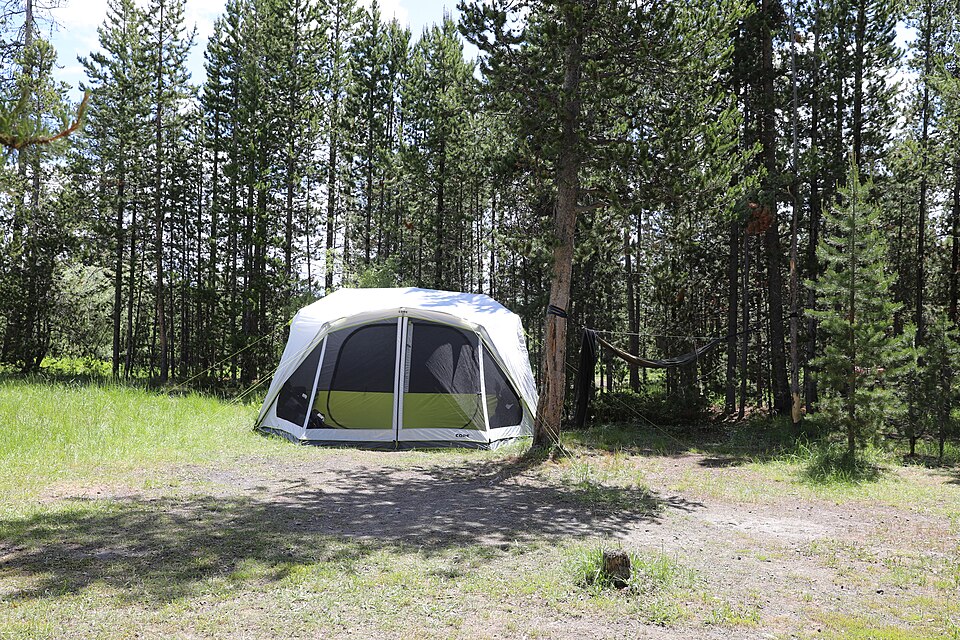
Lock in a stay for this season
RV parks near Bryce Canyon region on RoverPass
Partner link · RoverPass
Summer: Long Days, Busy Viewpoints, and Storms
Summer offers long daylight hours and broad access to the region, making it a straightforward choice for a first visit. It is also a busy season, especially around holidays and at the main Bryce Amphitheater viewpoints. Starting early helps you find a calmer rhythm and avoid doing your hardest uphill hiking during the warmer part of the day.
Afternoon thunderstorms are a consideration in summer. Keep outdoor plans flexible, and move away from exposed rims when thunder threatens. Carry water and sun protection despite the relatively cool mountain setting. Reserve lodging or camping well ahead when possible, and consult the official park site for current shuttle service and operating information.
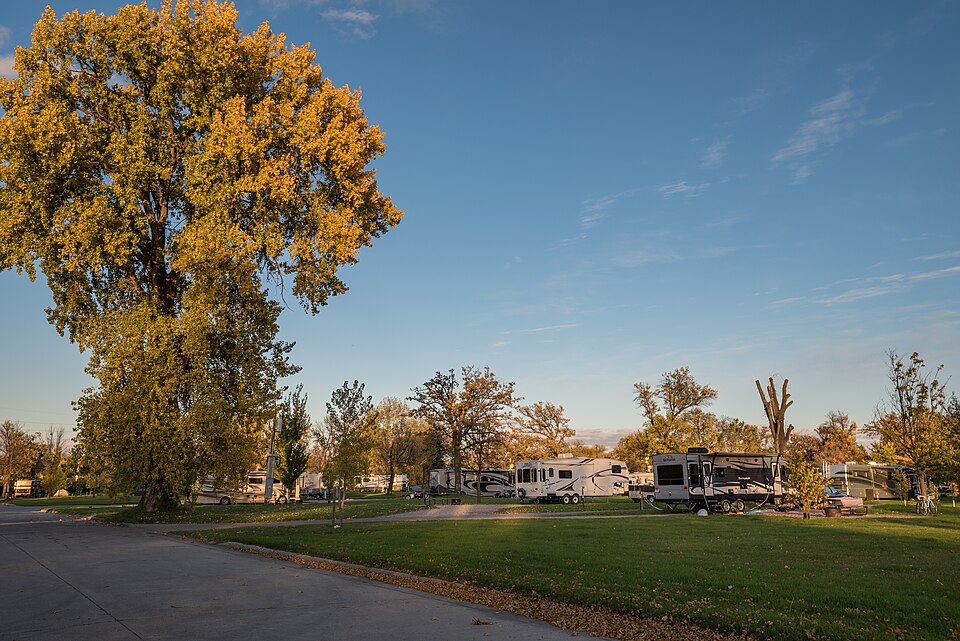
Lock in a stay for this season
Campsites near Bryce Canyon region on Campspot
Partner link · Campspot
Fall: Cool Hiking Days and Colder Nights
Early fall is often a comfortable time for a hiking-focused trip. Summer vacation crowds generally ease after the holiday period, though popular weekends and viewpoints can still feel busy. Days can be pleasant for walking, while mornings and evenings call for warm layers. Later in fall, freezing temperatures and snow become more likely.
Plan the more demanding walks for days with favorable conditions, and keep a scenic-drive option available. If you are staying in a tent-style glamping unit, ask about heating rather than assuming bedding alone will be enough. Book ahead for weekends, and check official park updates as seasonal services begin changing.
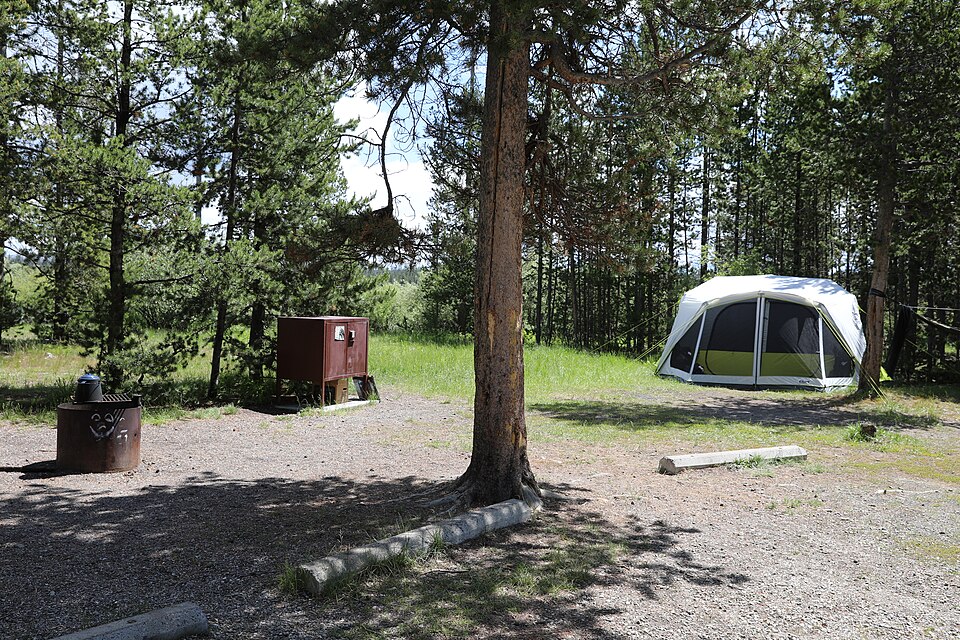
Lock in a stay for this season
Harvest Hosts stays on the way to Bryce Canyon region
Partner link · Harvest Hosts
Winter: Snowy Hoodoos and a Flexible Schedule
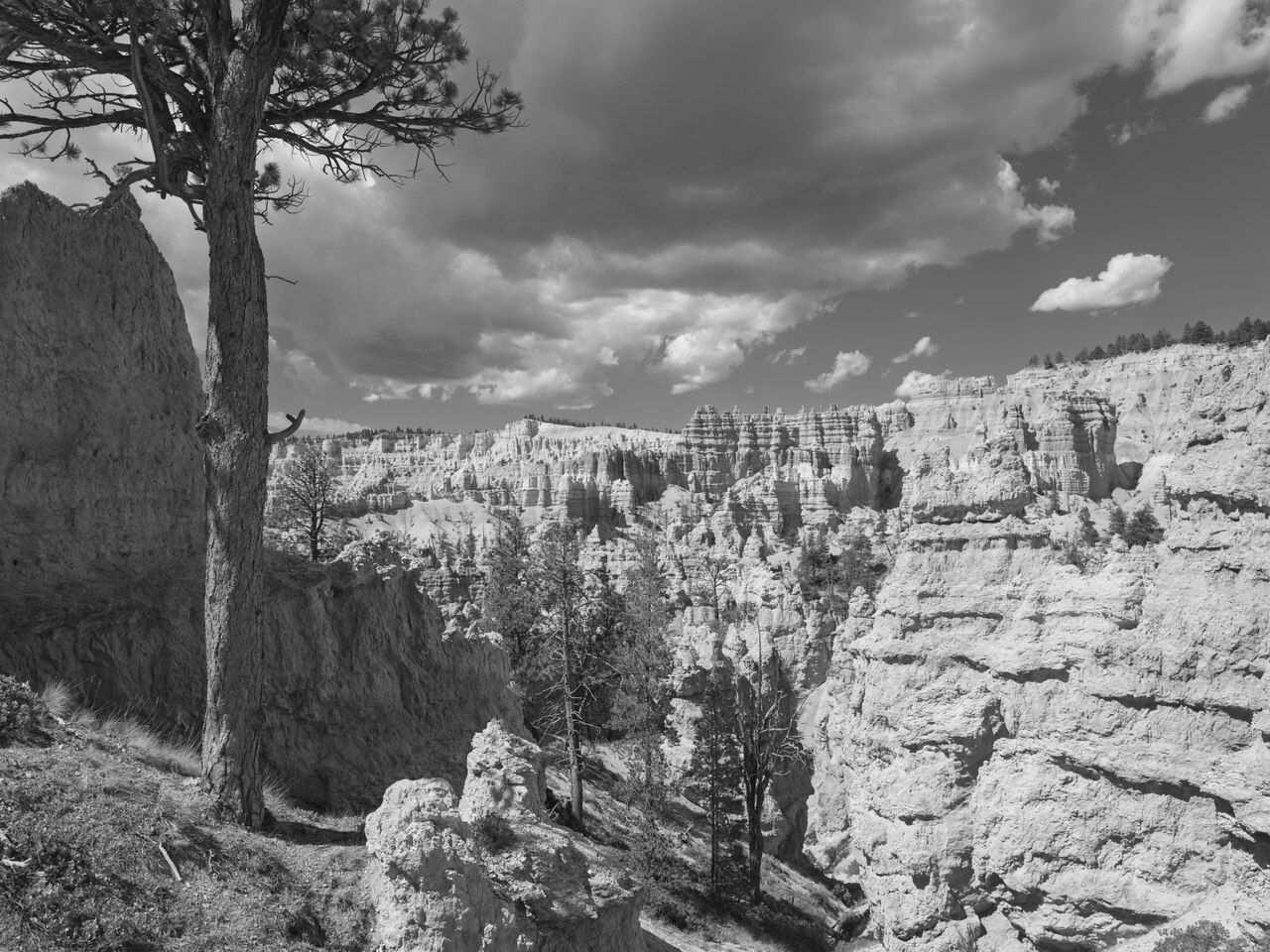
Winter changes Bryce Canyon's appearance dramatically, with snow highlighting the orange and pink rock formations. It can also bring quieter periods, but those benefits come with short days, cold temperatures, and more limited access. Roads may close temporarily during storms, and some trails have seasonal closures or hazardous ice.
Build a winter visit around accessible viewpoints rather than a fixed list of below-rim hikes. Allow room in your schedule for weather delays, and check road conditions before approaching the park. Confirm that your lodging operates in winter and has suitable heating. The official NPS site is the starting point for current closures, winter activity guidance, and available services.
When to Reserve and How to Avoid the Busiest Hours
For summer, holiday weekends, and popular early-fall dates, start looking for lodging and campsites several months ahead. That is planning advice, not a universal booking window: reservation release dates and cancellation rules vary. Check each official reservation source before choosing flights or committing to a nonrefundable stay.
Within the park, early mornings and later afternoons often feel less hectic than midday at major overlooks, though sunrise itself attracts photographers. Consider weekdays when your schedule allows. Keep one portion of your trip uncommitted so you can move a hike around weather. Before traveling, review the official Bryce Canyon NPS site for conditions, transportation, campground details, and any current reservation requirements.
More ways to book Bryce Canyon region
 Illustrative · Public Lands Institute
Red Canyon Scenic Drive
One of the classic ways to experience Bryce Canyon region.
Varies (estimate)
Partner link · Viator