
The Boundary Waters rewards a slower kind of travel: paddle a lake, carry your gear across a portage, and settle into camp before evening light reaches the shoreline. Canoe camping is the signature experience, but you can also build a visit around day paddles, nearby hikes, and gateway-town activities. Choose outings that match your paddling skills and leave room for northern Minnesota's changeable weather.
Paddle and Camp Across Connected Lakes
An overnight canoe trip is the classic way to experience the Boundary Waters. Routes connect lakes through portages, where you carry boats and equipment over land. Canoes are especially practical for these trips because they hold camping gear and are generally easier to manage on carries than touring kayaks. Kayaks can work well for selected day trips or routes with few portages.
Start with a short route rather than a long chain of lakes. A base camp lets you explore with lighter loads and avoids moving every morning. Use designated wilderness campsites, follow current fire restrictions, and carry appropriate maps. Overnight permits depend on your entry date and location; check official Superior National Forest information before committing to a route.
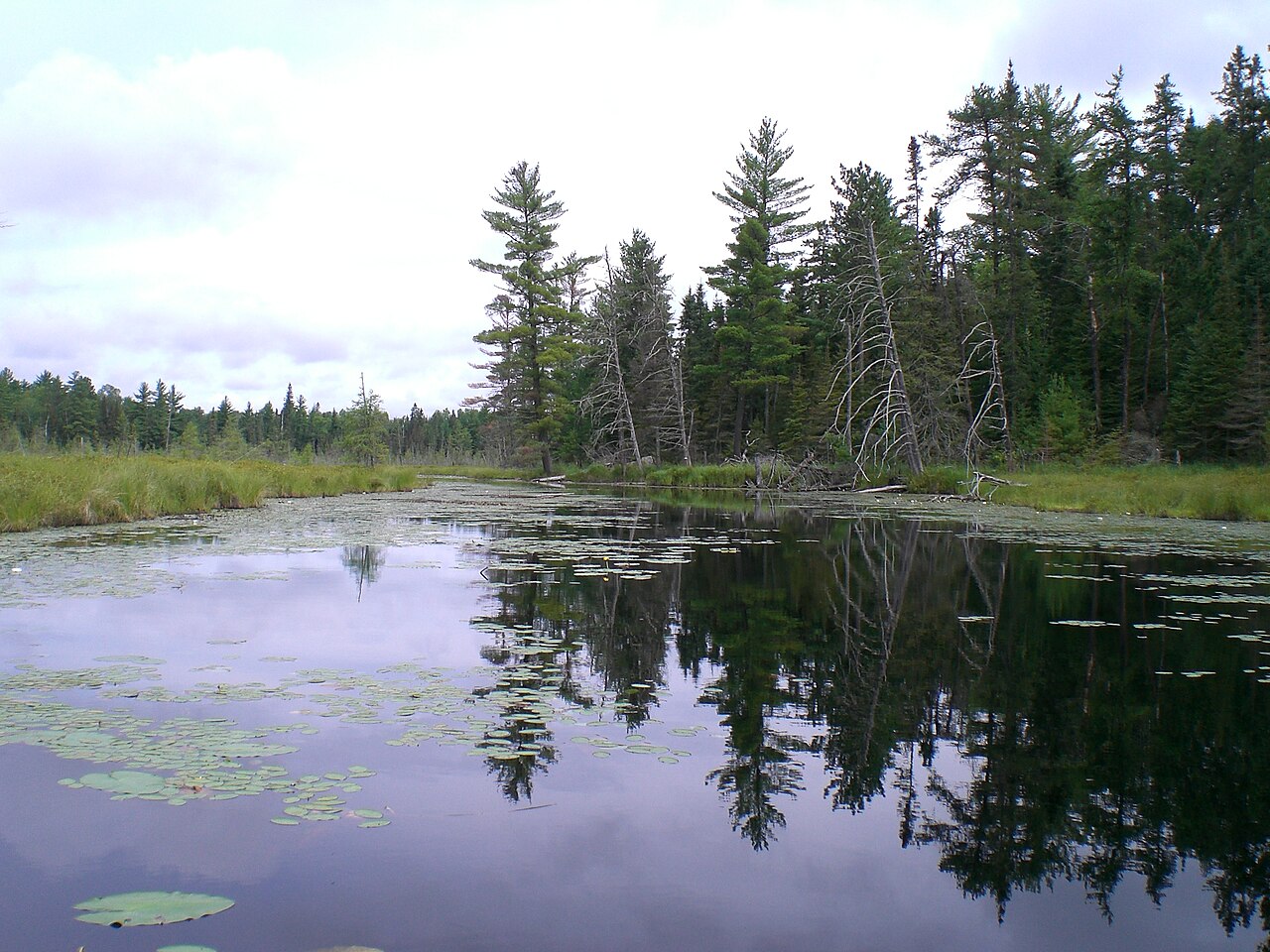
Add Gateway Hikes and Scenic Drives
Not every day needs to involve loading a canoe. Near Ely, the Kawishiwi Falls Trail offers a relatively short outing to a waterfall setting outside the wilderness. On the eastern side, the Gunflint Trail is a paved scenic road leading inland from Grand Marais through lake-and-forest country. It is a driving route despite its name, with access to hiking and paddling areas along the way.
From Tofte, the Sawbill Trail provides another approach into the Superior National Forest and canoe-country access. Distances between gateways are substantial enough that it is usually better to explore near your chosen base than combine everything in one day. Check official trail and road updates, and remember that wilderness day hikes may require a day-use permit.

Watch Wildlife and Spend Quiet Time on the Water
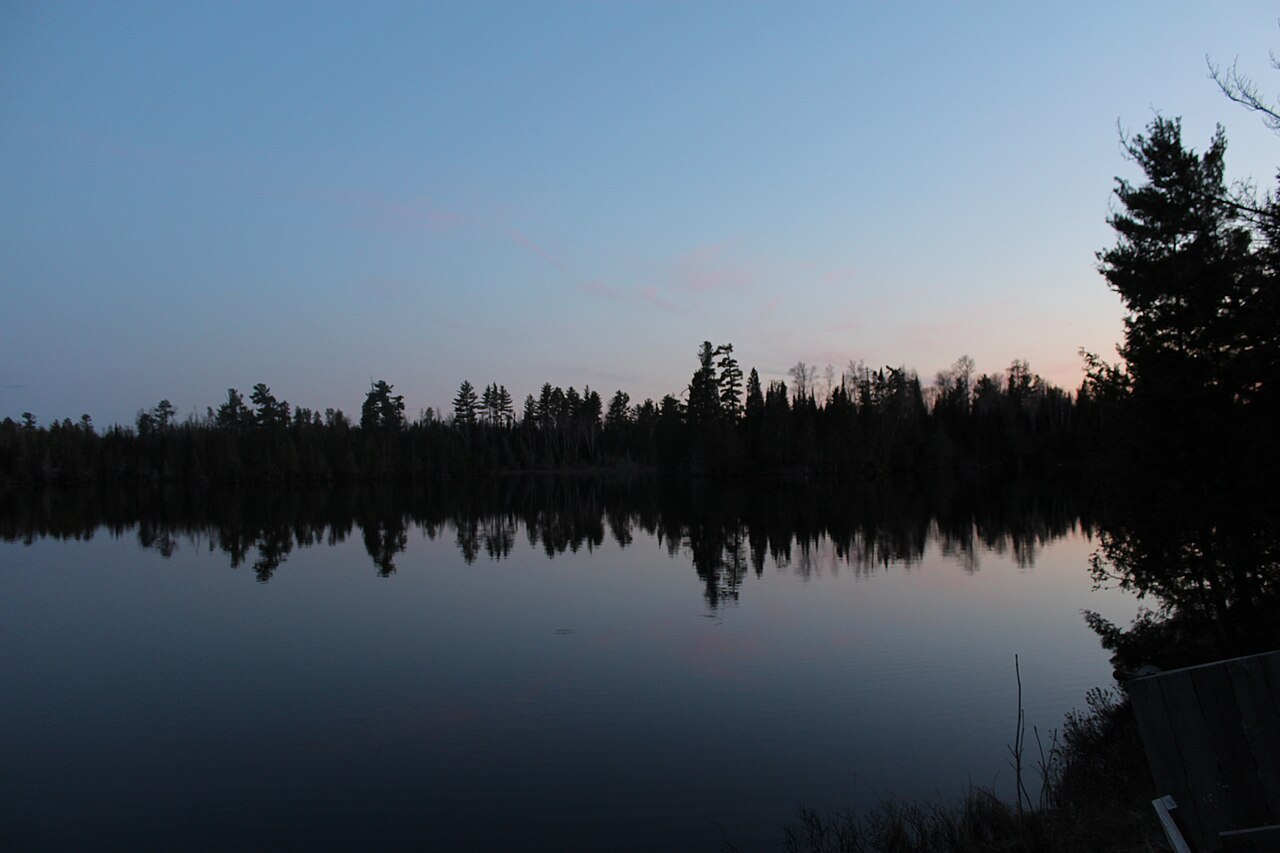
Loons, bald eagles, and other northern forest wildlife are part of the area's appeal. Paddle quietly along shorelines, use binoculars, and give animals room to move away. Moose live in the region, but sightings are unpredictable and should never be the measure of a successful trip. Early or late light can make even an ordinary shoreline especially rewarding to watch and photograph.
Fishing is another popular way to spend a relaxed day. Different lakes support different species, so research your particular route rather than assuming every lake offers the same opportunities. Check Minnesota Department of Natural Resources rules for licenses, seasons, and limits. Keep food secured according to current forest requirements, and never feed wildlife or approach animals for a closer picture.
Make a Family Trip About Small Adventures
For children, a short paddle followed by shoreline exploring can be more memorable than a long travel day. Choose a sheltered route with manageable distances and few portages, or stay outside the wilderness and take day trips. A base camp reduces repeated packing and gives everyone time for fishing, nature sketches, and spotting animal tracks without a daily mileage target.
Have each person wear a properly fitted life jacket on the water, and plan frequent snack and rest breaks. Avoid assuming a calm launch means the whole lake will stay calm. Wind can make the return trip much harder. Review current group-size rules before organizing a multi-family outing, and confirm permit requirements for the exact lakes and activities you choose.
Keep a Realistic Rainy-Day Plan
If you are already camping in the wilderness, a rainy day usually means adapting camp life, not driving to an attraction. Bring a well-pitched tarp, dry layers, cards, and a book, and keep essential clothing in waterproof storage. Do not force a crossing to maintain an itinerary when wind or thunderstorms make travel unsuitable. Your route should include time for waiting.
For gateway-based visitors, Ely offers indoor options such as the International Wolf Center and North American Bear Center; confirm current admission arrangements and hours directly. Grand Marais has galleries and shops that can fill a slower afternoon. Rainy days are also useful for reviewing maps, organizing gear, and checking official Superior National Forest alerts before the next outing.