
Boundary Waters glamping is usually about staying comfortably near the wilderness, not finding a furnished tent deep inside it. Think cabins, lodge-style rooms, or other outdoor-focused accommodations around Ely, Grand Marais, and Tofte, paired with day paddles and forest walks. The right base gives you a real bed and easier meals while keeping lake country close, though amenities and access vary considerably by property.
What Glamping Looks Like Here
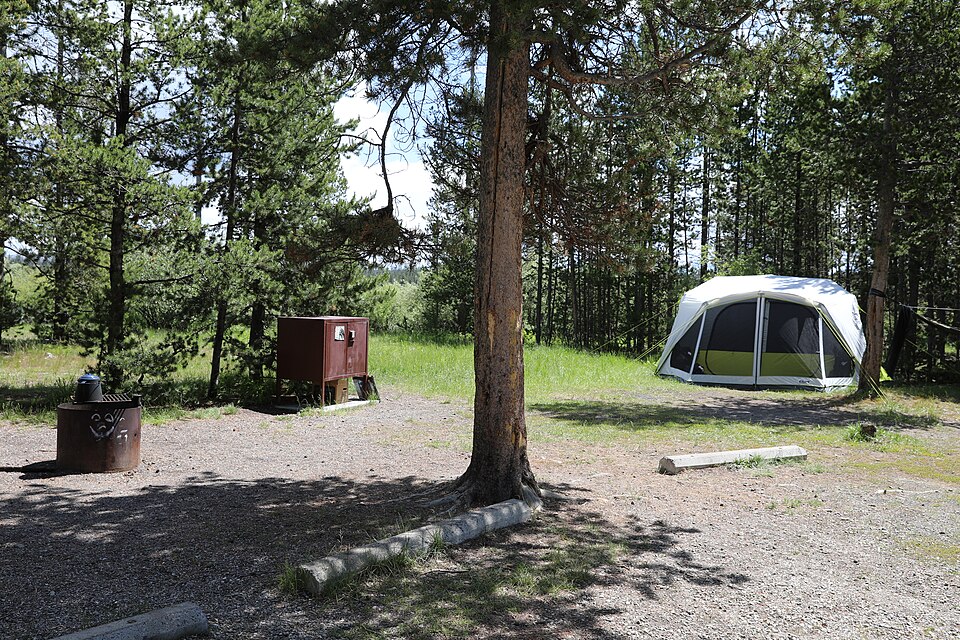
Inside the Boundary Waters Canoe Area Wilderness, expect backcountry camping rather than resort-style infrastructure. Designated campsites generally have a fire grate and a basic wilderness latrine, not beds, showers, electrical hookups, or furnished kitchens. You carry the equipment and supplies you need, and current restrictions may limit fires or affect other camp routines.
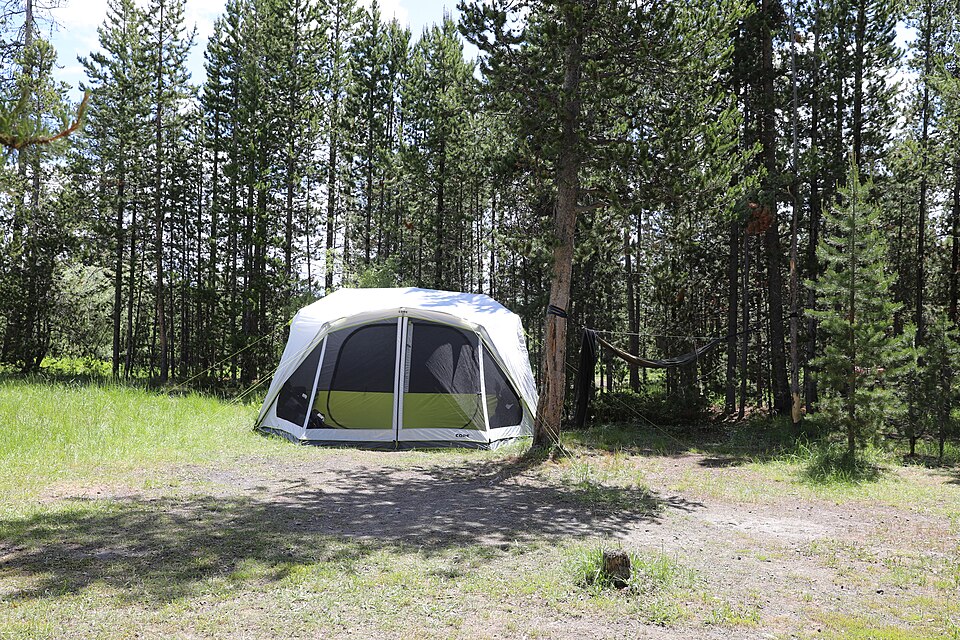
For a softer landing, look outside the wilderness boundary. A cabin with bedding, a screened porch, or cooking facilities may deliver the experience you want even if the listing does not use the word glamping. If you find a tent-style or other unusual rental, verify exactly what is provided. Private bathrooms, heat, running water, and waterfront access should never be assumed from the label alone.
Choose a Gateway That Matches Your Activities
Ely is a practical base for western Boundary Waters access, canoe outfitting, and town services. Choose lodging near town if easy grocery runs and restaurant meals matter, or look farther out if a lakeside setting is the priority. Always compare the property's location with your actual day-paddle launch; an Ely mailing address does not necessarily mean a short drive.
Grand Marais works well for visitors who want Lake Superior time alongside inland excursions up the Gunflint Trail. Tofte offers another North Shore base, with the Sawbill Trail leading inland toward canoe-country access. These areas are not interchangeable shortcuts to every entry point. Pick the paddling area first, then choose lodging with a realistic daily driving distance.
Choose the Season Around Comfort and Access
June through September is the simplest window for combining a comfortable stay with canoe outings. Summer brings longer days and warmer water, but also more insects and greater demand for popular lodging. Screened spaces can be especially useful if you want to sit outside in the evening without spending the whole time swatting mosquitoes.
September often suits travelers who prefer cooler days and fall scenery, although nights can be cold and seasonal services may wind down. For spring or late-fall stays, confirm heating, road access, and whether nearby rentals or guided outings are operating. Winter lodging can support a very different trip built around snow activities, but do not assume a property or summer paddling access remains usable year-round.
Pack for Outdoor Days, Not Just a Comfortable Bed
Bring layers, rainwear, insect repellent, sun protection, and footwear that can handle wet launches and uneven trails. A warm hat and insulating layer are worthwhile even during the main paddling season. Use dry bags or waterproof liners for spare clothes and electronics, and carry a map rather than relying entirely on phone service in remote areas.
Before leaving home, ask what the accommodation includes: bedding, towels, cookware, drinking water, refrigeration, and bathroom access can vary. If you plan to paddle, confirm boat availability, transportation arrangements, and properly fitted life jackets separately. A lakeside stay does not automatically include equipment or wilderness access. Check official Superior National Forest guidance for day-use permits, current restrictions, and conditions affecting your chosen outing.
Glamping vs. Wilderness Camping vs. an RV Base
Choose glamping-style lodging when a real bed, easier cooking, and shelter from prolonged rain matter more than sleeping deep in the wilderness. Costs are typically higher than basic camping, but compare total rough estimates that include cleaning charges, gear rental, meals, and transportation. A comfortable base also lets family members opt out of a paddle without moving the entire group.
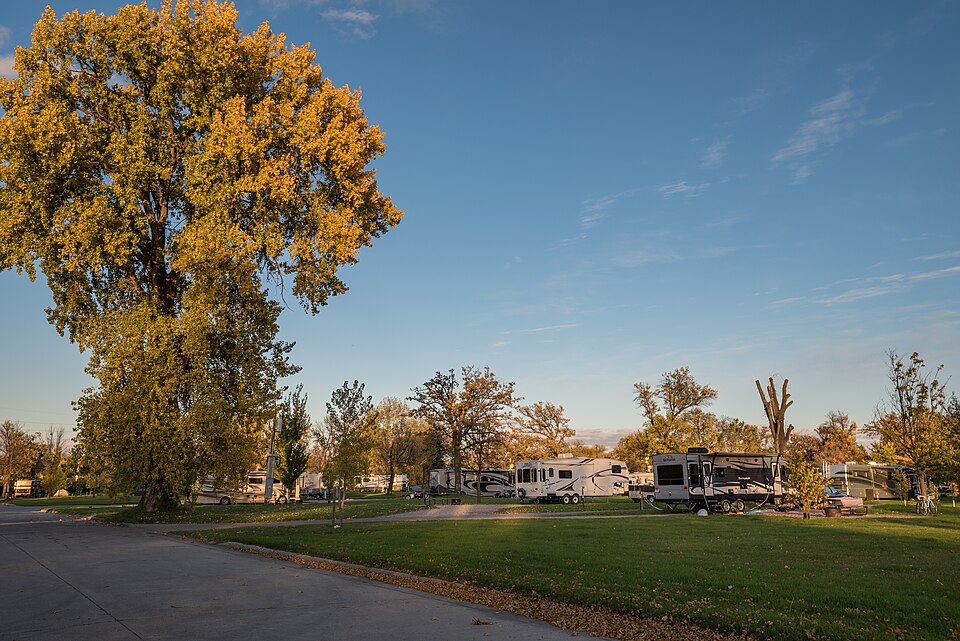
Choose wilderness camping for an immersive, self-supported trip where portaging and camp chores are part of the experience. An RV works as a roadside base outside the wilderness, not as a way to reach interior lakes. Campground hookups, vehicle limits, and seasonal access vary. Check the official campground operator and Superior National Forest websites for current amenities, conditions, and reservation requirements.