
This Boundary Waters itinerary uses Ely as a practical gateway and favors a short base-camp canoe trip over a demanding loop. Allow four days for arrival, two wilderness nights, and an exit day, or stretch the visit to a week for more exploring and weather flexibility. Your actual lakes and portages should follow your confirmed entry permit, your group's abilities, and advice based on current conditions.
Day 1: Arrive, Drive to Ely, and Prepare
Fly into Range Regional Airport, HIB, and pick up your arranged ground transportation. Use roughly 88 miles and 145 minutes as an initial drive estimate for the Ely-area approach, not a fixed transfer time to every entry point. Confirm the route to your lodging and allow additional time for supplies, road conditions, and any onward drive to the launch.
Stay near Ely tonight rather than rushing onto unfamiliar water. Meet your outfitter if using one, review your route, and confirm where and when your permit must be issued. Practice lifting the canoe and organizing portage loads. Buy groceries, check the forecast and official forest alerts, and identify a shorter alternative within the limits of your permit.
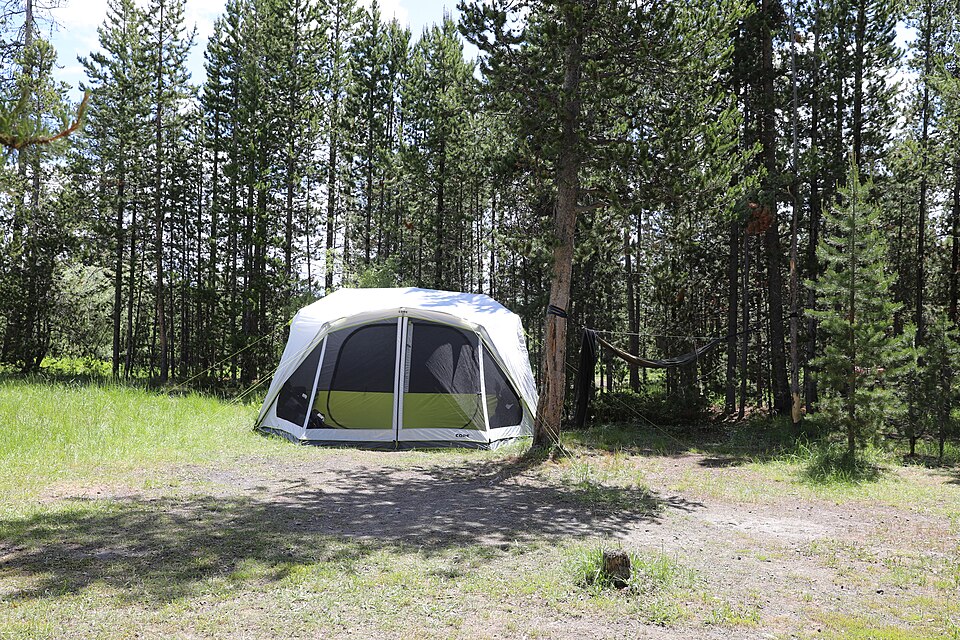
Day 2: Enter the Wilderness and Establish Camp
Launch at the entry point listed on your permit after completing any required permit pickup and orientation. Keep the first day's route modest: a manageable paddle and only as many portages as your group can comfortably handle. Travel times depend on wind, loading, carries, and experience, so avoid building the day around a rigid mileage goal.
Aim to find a suitable designated campsite with daylight to spare, recognizing that individual sites are not reserved. Carry a map showing alternative sites on your planned route. Once settled, organize drinking-water treatment, food storage, and rain shelter before taking an optional short paddle. An early camp gives everyone time to learn the routines without feeling hurried.
Day 3: Explore From a Base Camp
Leave the main camp in place and take a lighter day outing if conditions allow. Explore a nearby shoreline, visit an adjoining lake over a manageable portage, or spend the day fishing and watching loons. Carry navigation tools, rain layers, food, water-treatment supplies, and other essentials even when you expect to be out only briefly.
Choose a turnaround point that leaves plenty of time and energy for the return. Large open-water crossings can become more difficult as wind changes, so discuss route options before leaving camp. If the weather is poor, stay close and enjoy a slower day instead. For families and first-time visitors, this unhurried middle day is often the most rewarding part of the trip.
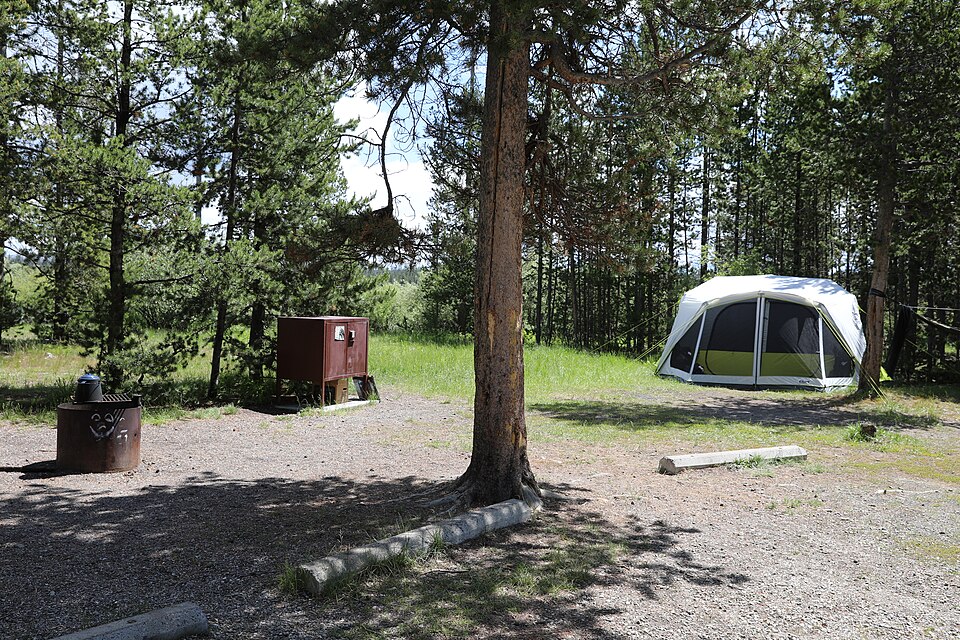
Day 4: Paddle Out or Continue Within the Wilderness
For a four-day trip, pack carefully, check the campsite for litter and forgotten gear, and retrace your planned route to the exit. Leave a generous margin for wind, portage delays, and returning rental equipment. If you must catch a flight, a separate gateway night and departure the following day provide more flexibility than a tight same-day connection.
For a longer trip, remain at base camp or move to another designated campsite within your planned route. Continue only if conditions, food supplies, and the group's energy support it. Leaving the wilderness generally ends that permitted visit; do not assume you can exit for supplies and reenter on the same permit. Confirm current rules with the Forest Service.
Days 5–7: Add Exploring, an Exit Buffer, and Departure
Use extra days for another relaxed wilderness outing, a weather hold, or an earlier exit followed by gateway exploration. Near Ely, Kawishiwi Falls makes a useful land-based outing after returning gear. If your permit instead uses an eastern entry point, build the whole trip around Grand Marais or Tofte rather than adding a long cross-region transfer.
Keep the final schedule flexible and avoid tying your last paddle directly to an inflexible departure. As a rough starting estimate, budget around $120 per person per day, then adjust for lodging, rental gear, food, permits, and transport; airfare is separate. Actual costs vary widely. Check the official Superior National Forest website and Recreation.gov for current conditions, restrictions, and reservations.
More ways to book Boundary Waters
 Illustrative · Diego Angel
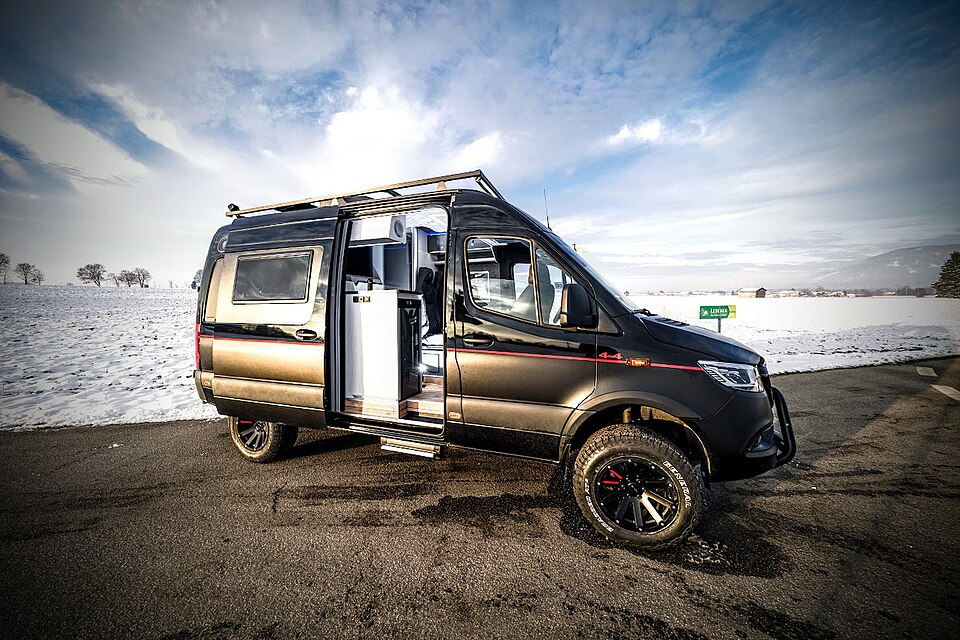
Sprinter Adventure Van
Small enough to park at the trailhead, comfy enough to sleep in.
$189/day (estimate)
Direct link · RVshare